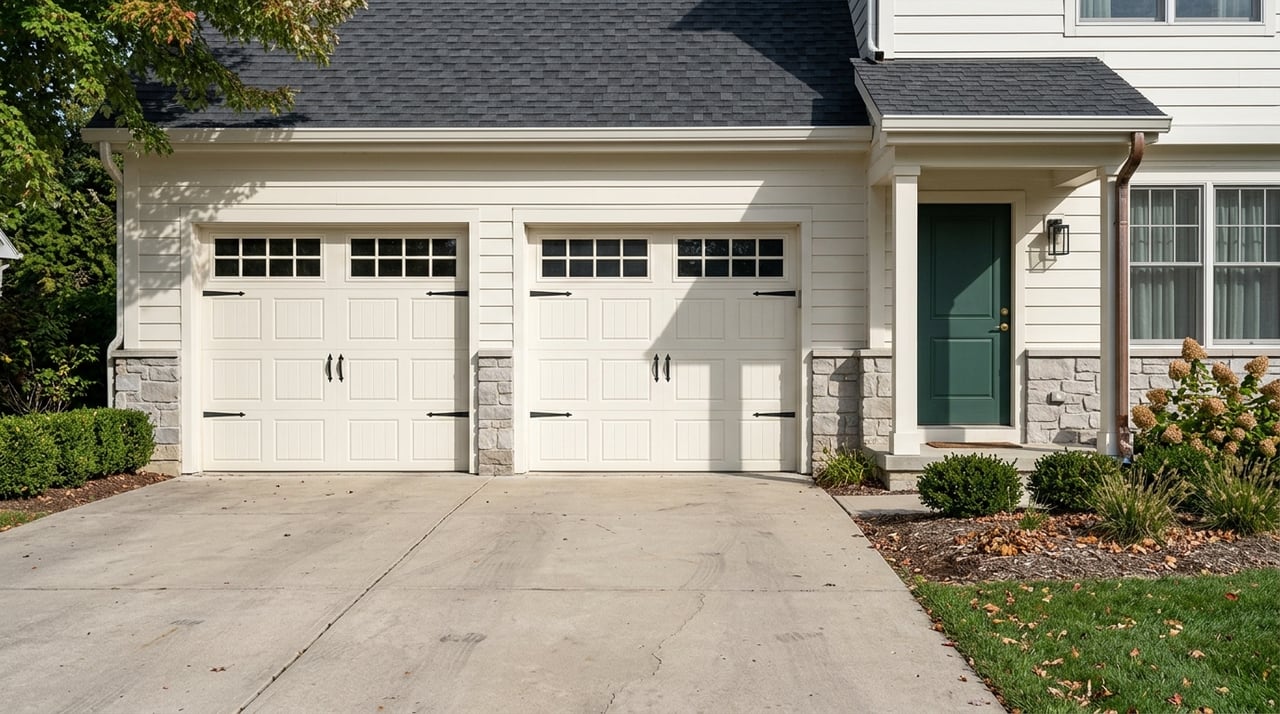
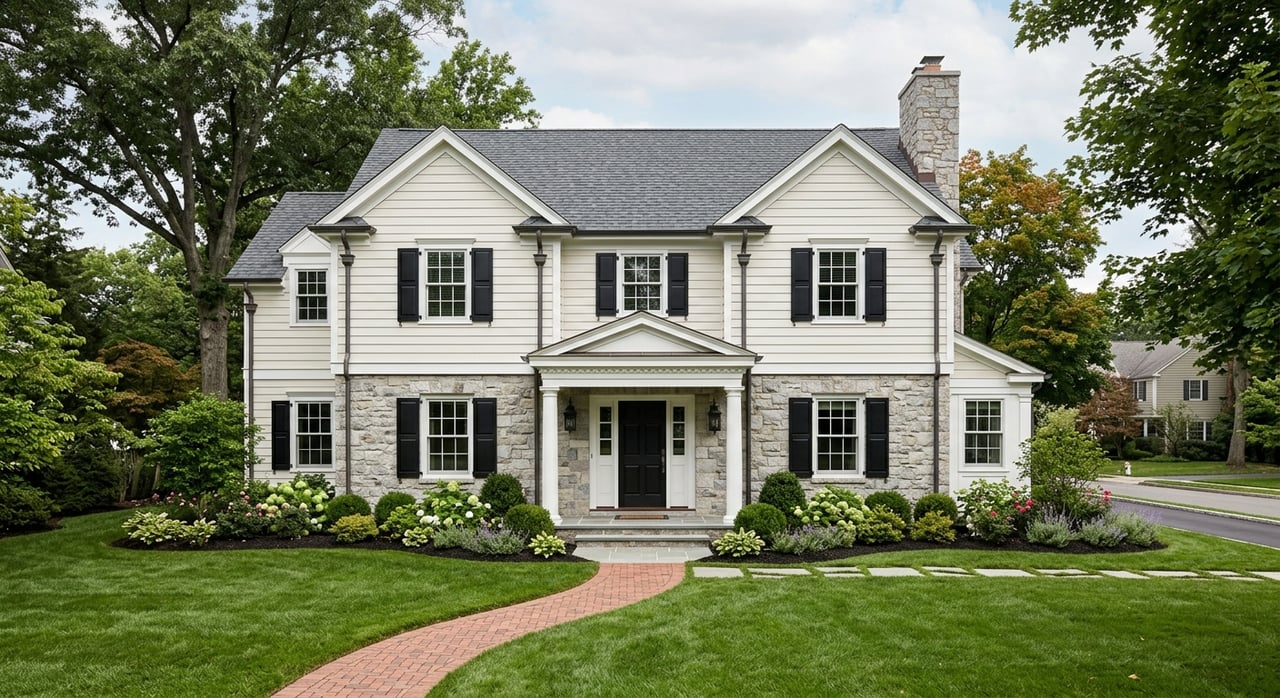
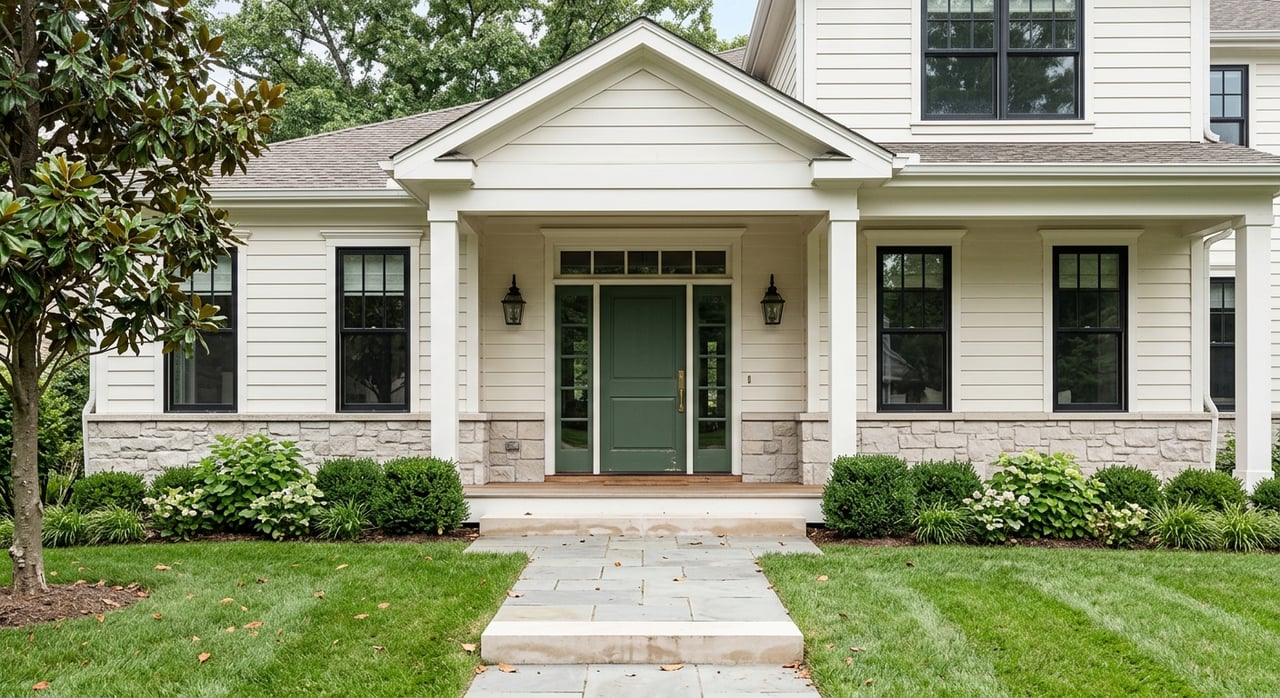
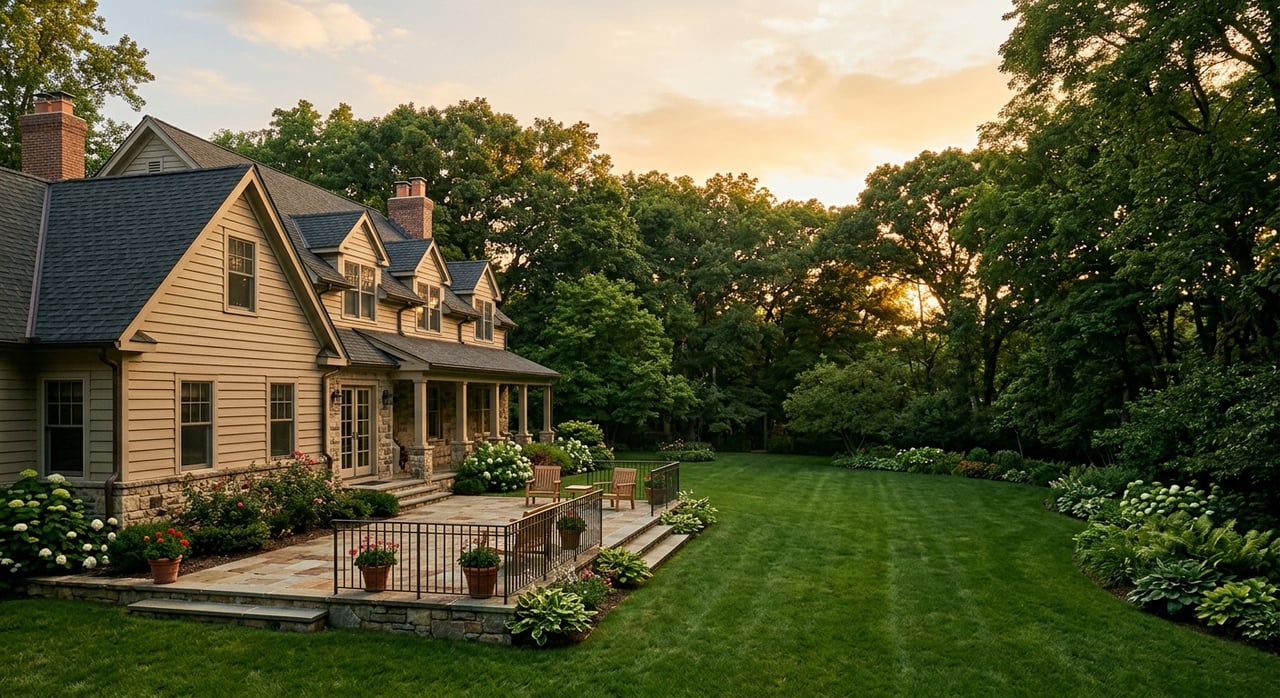
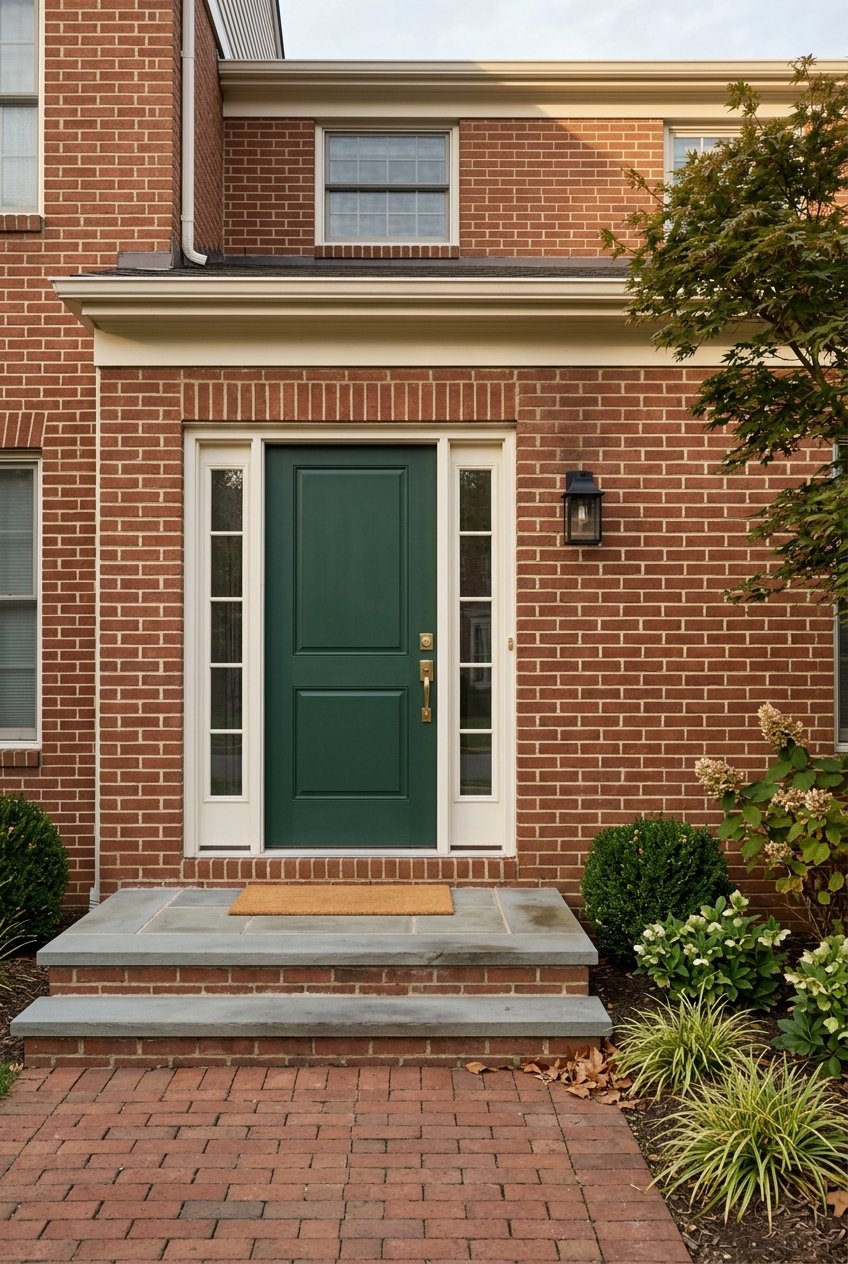
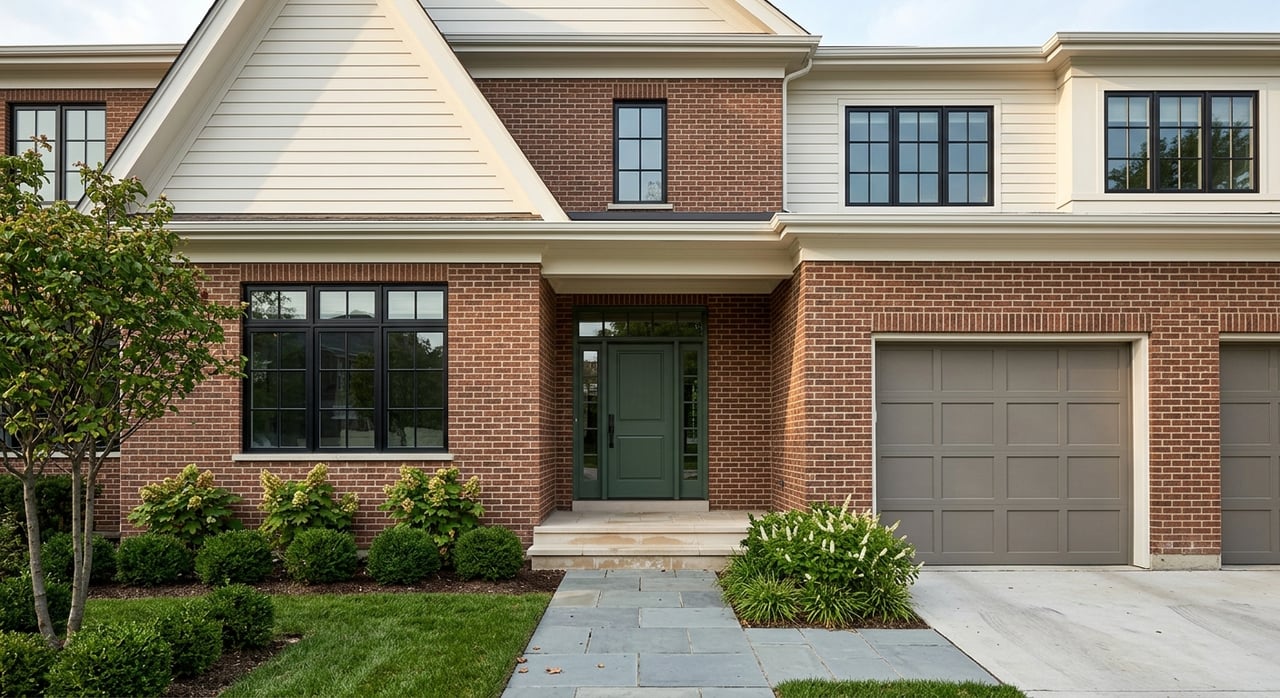
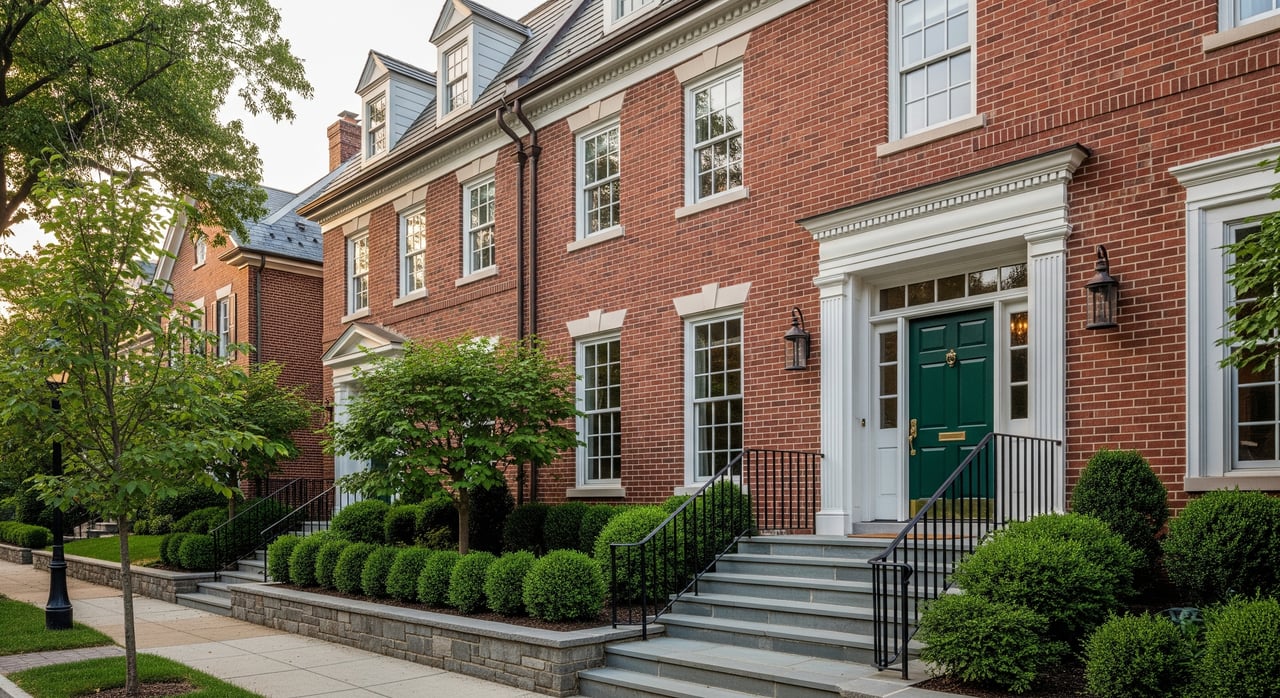
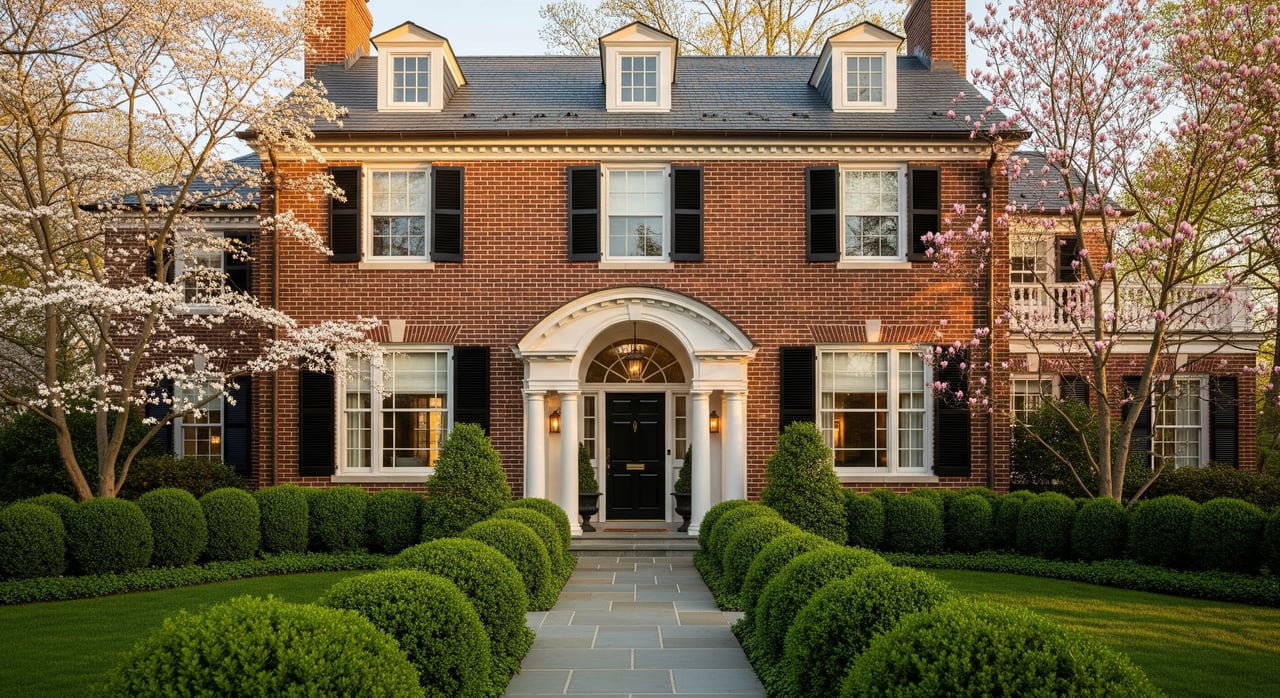
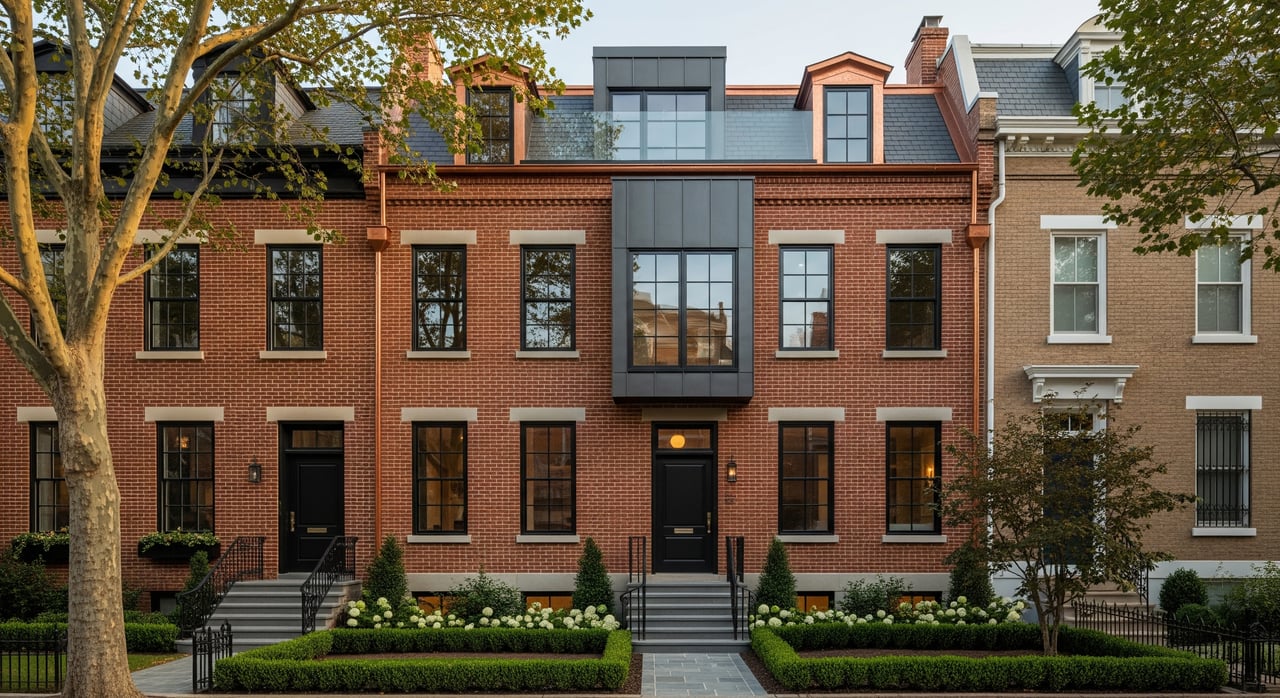
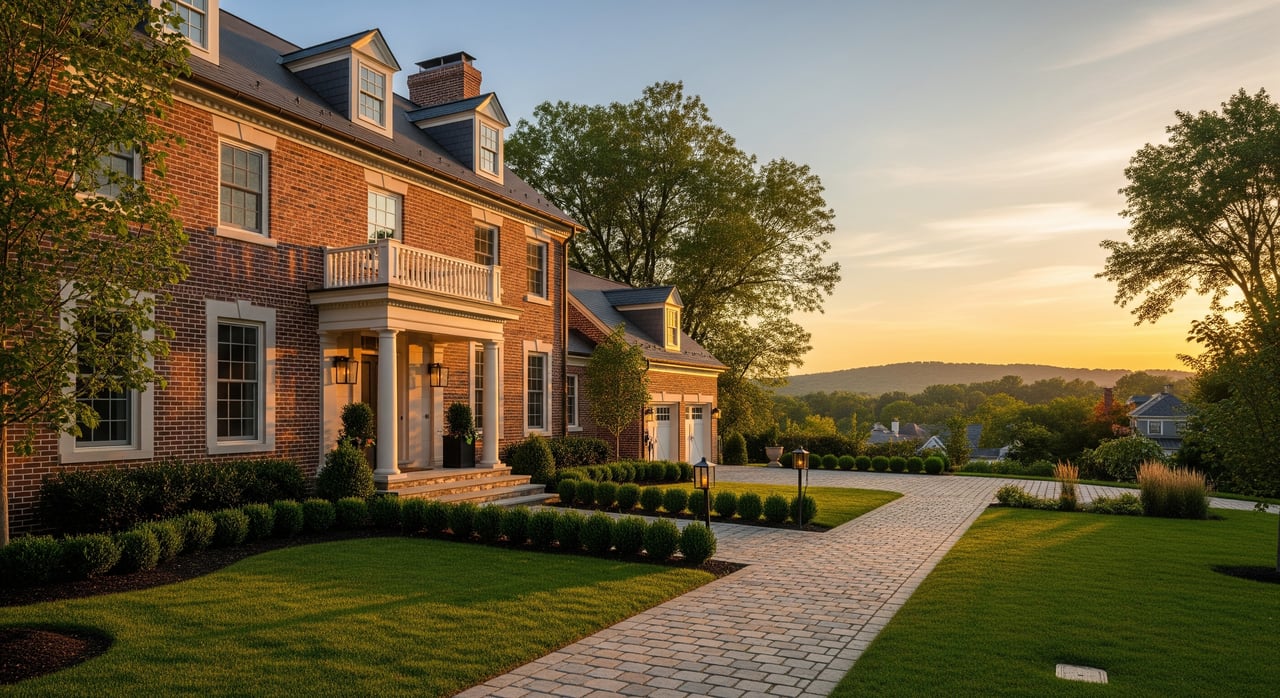
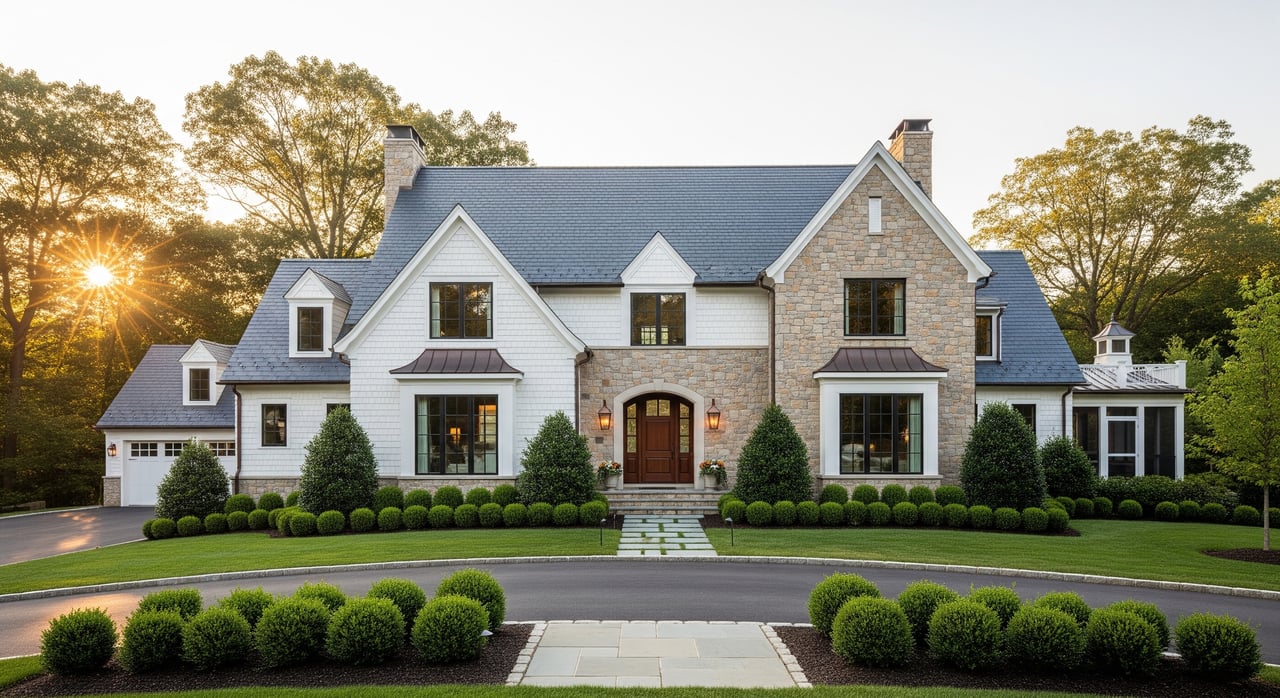
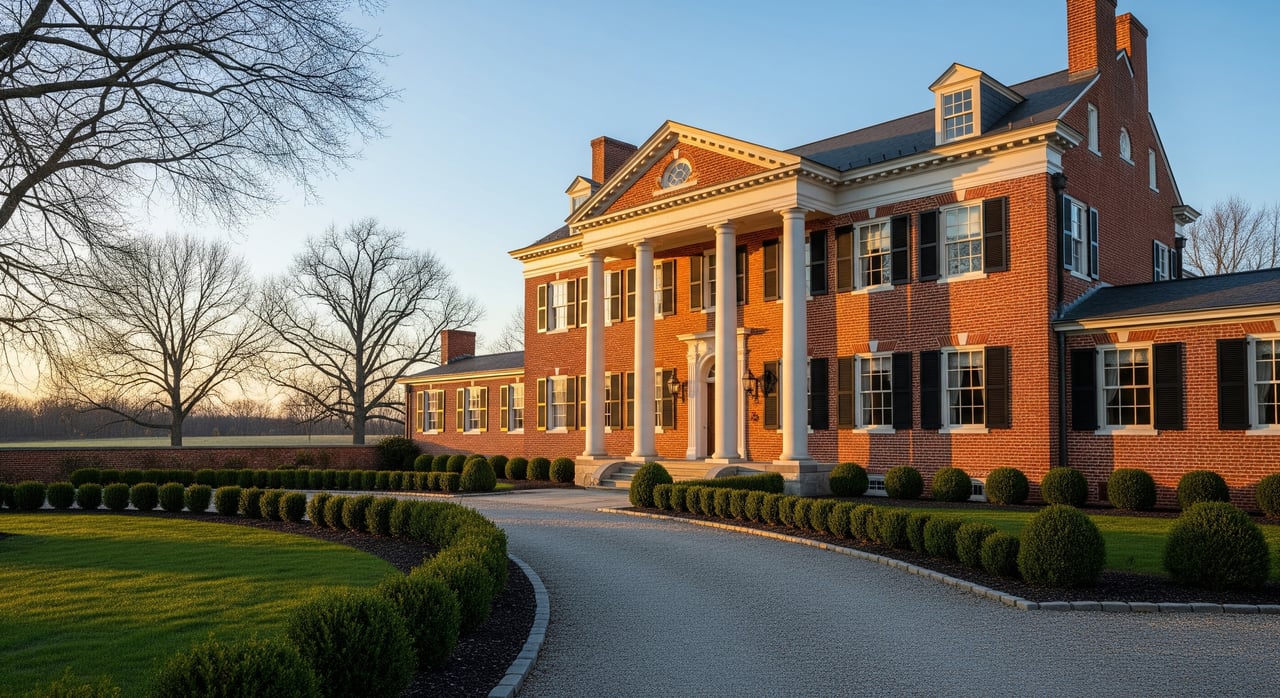
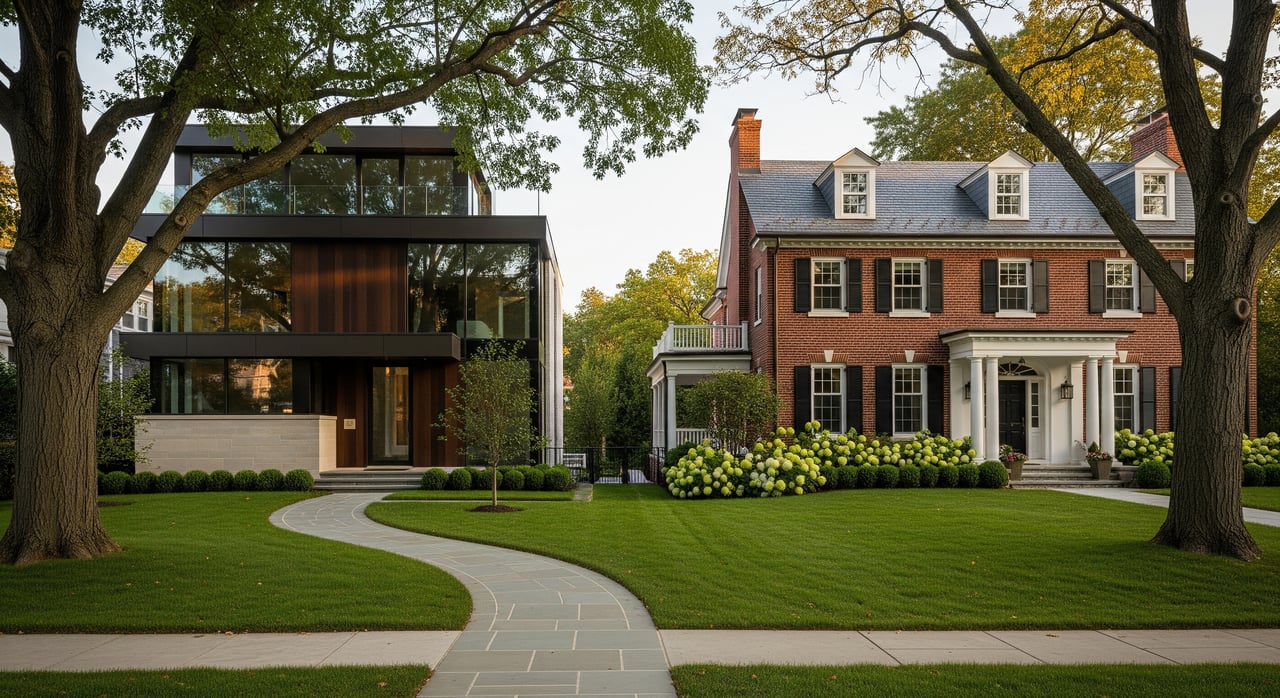
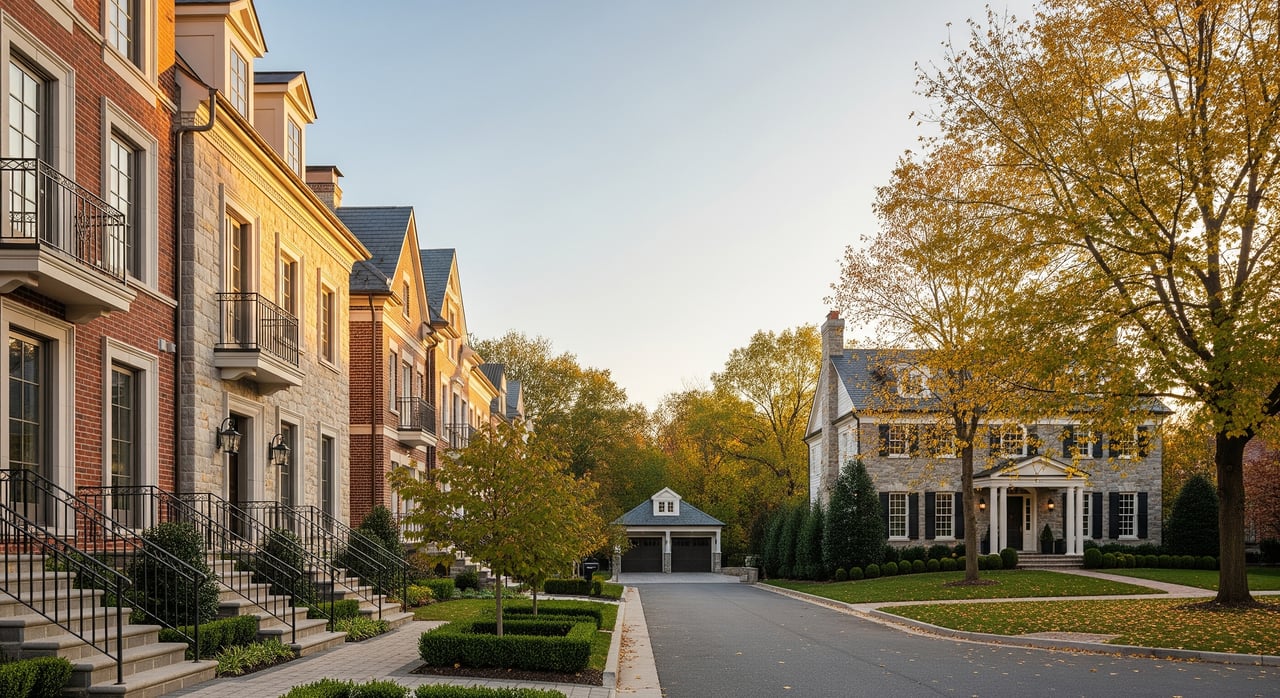
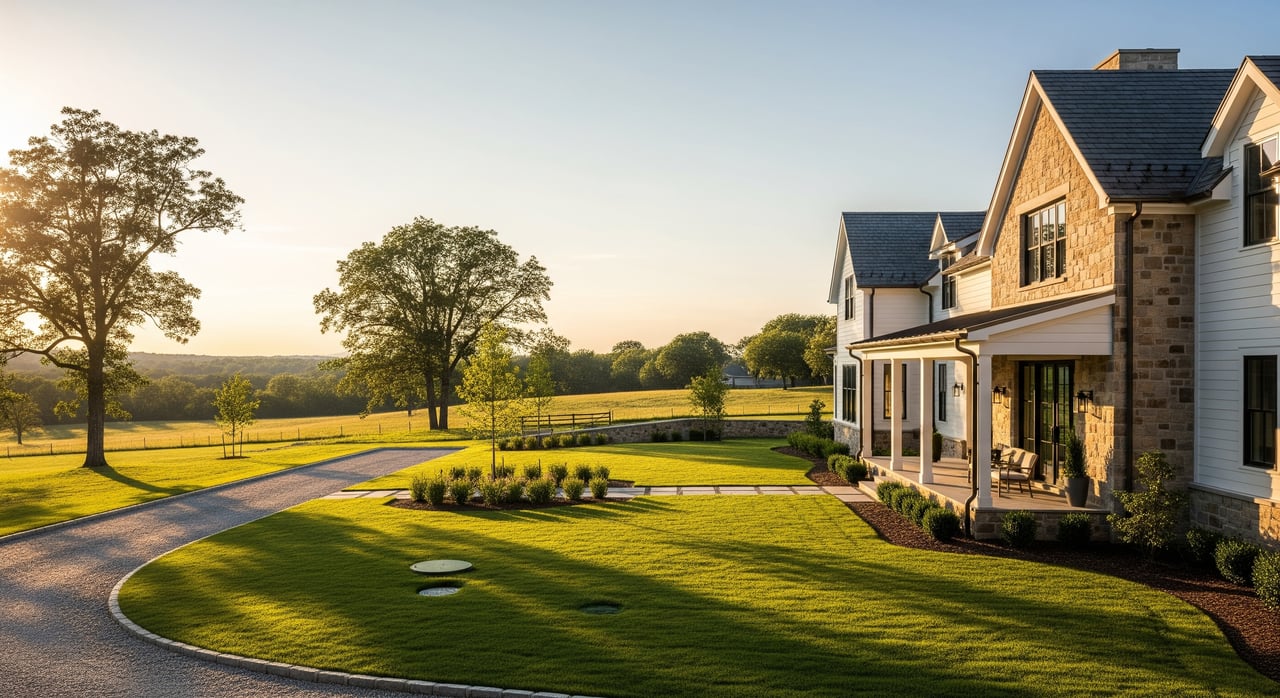
Drive west on Travilah Road past Turkey Foot Road and the houses do not change much. Brick colonials on quarter- and half-acre lots, cul-de-sacs, mature oaks, two-car garages set back from the curb. What changes, a few miles further along the same road, is the price. A colonial that closes for the mid-$800,000s on one stretch can sit under a different community name a couple of miles west and close well north of $1.2 million. Same road, same public school system, same commute into the I-270 corridor. Different number on the settlement sheet.
Buyers cross-shopping "North Potomac" against "Potomac" or "Travilah" run into this gap almost immediately, and the easy explanation is that North Potomac is simply the less prestigious name, a suburb that got stuck with the leftover branding once the good addresses were spoken for. That explanation is wrong, and it is worth taking apart because the real mechanism tells you something more useful than any median price ever could.
A Name Invented by a Vote, Not a Developer
Before 1989, the U.S. Postal Service defaulted every address in the 20878 ZIP code to Gaithersburg, whether or not the home was anywhere near the city. Homeowners in the fast-growing subdivisions west of Rockville found themselves with four or five different address conventions on the same street, and nobody outside the immediate area had heard of the place they lived. A community association formed in 1987 to do something about it, and the following year its members voted 200 to 4 to petition for a new postal designation. One member put the logic plainly: they were north of Potomac, so that was the name. The Postal Service approved it in late 1989. The ZIP code itself never changed. It is still 20878, shared with parts of Gaithersburg and Darnestown to this day.
That history matters because a persistent myth treats "North Potomac" as a realtor invention, a marketing gloss slapped on an otherwise ordinary patch of Gaithersburg to make it sound closer to money. It is the opposite. The name came from a homeowner petition trying to solve a mail-sorting problem, not from anyone trying to inflate value. Whatever price difference exists between North Potomac and its neighbors was not manufactured by that vote.
What Actually Drew the Line
None of this is fenced or surveyed. North Potomac, like Potomac and Travilah, is a census-designated place, an unincorporated area the Census Bureau tracks for statistical purposes but that has no city government, no mayor, and no official boundary map. The rough edges run along roads rather than property lines: Darnestown Road to the north, Rockville and Glen Road to the east, Travilah Road to the south, Jones Lane to the west. Potomac sits southeast of that line, with Travilah wedged between the two. To complicate things further, a chunk of North Potomac's own territory was carved off between the 1990 and 2000 census counts to help form the newer Travilah CDP. The lines move. The names on the mailbox do not always match the names the county planning maps use.
If you are comparing listings by neighborhood label alone, you are comparing something that has shifted at least once in the last three decades and was never legally fixed to begin with.
The Zoning Trade That Actually Set the Price
Here is the mechanism that does explain the gap. In 1982, the area that became North Potomac was folded into Montgomery County's Transferable Development Rights program. Under that program, developers agreed to leave certain farmland in the upper part of the county untouched in exchange for the right to build at higher density in communities like this one. The association's own leadership described the tradeoff without much romance: the TDR designation made the area denser, and instead of two houses per acre, developers got three. About 80 percent of North Potomac's subdivisions went up after 1983, in that single decade-long building push, largely as tract-style colonials sized for that higher density.
Potomac and Travilah did not go through the same wave of compressed, TDR-driven construction. Many of their subdivisions date to the 1960s through the 1990s on noticeably larger footprints, custom colonials and contemporaries on lots that run a half acre to two acres or more, some with no homeowners association at all governing lot use. North Potomac's stock, by contrast, tends to be more uniform in age and lot size because so much of it was built in the same regulatory window, under the same density bargain.
That is the actual driver of the price gap. Not the postal name. The construction era and the lot size that a 1982 zoning agreement locked in.
The Same Trade, One More Time
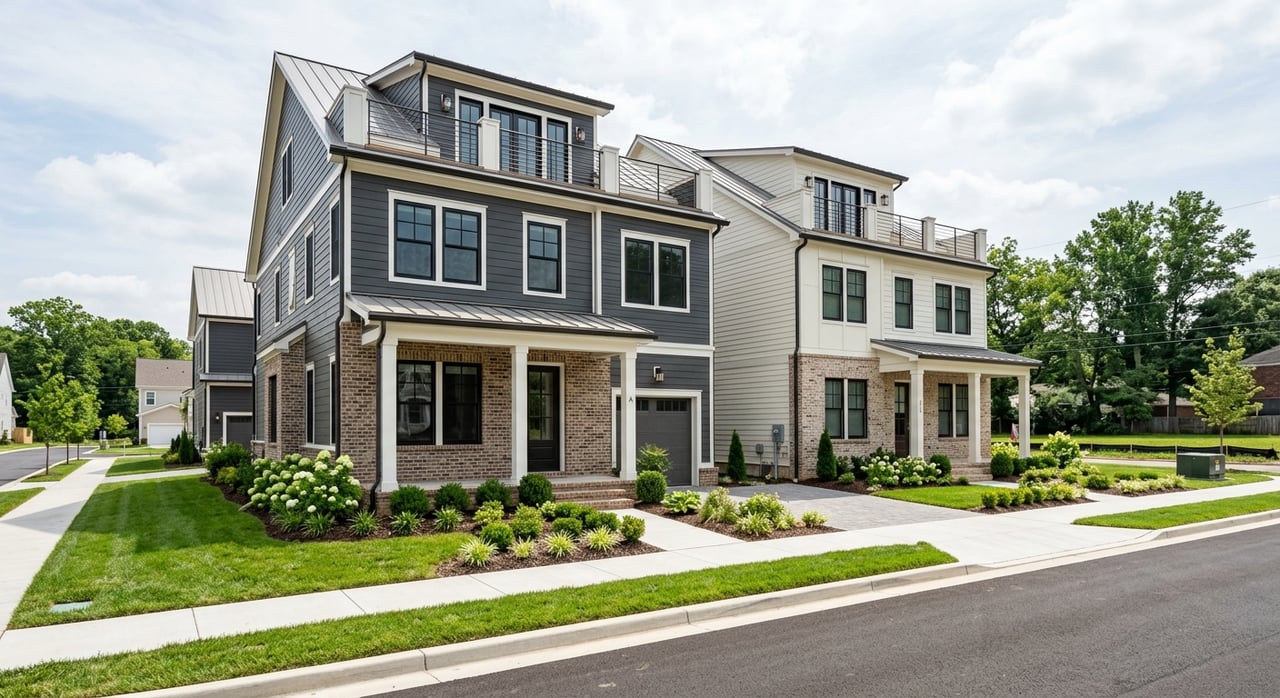
The density bargain that shaped North Potomac's original build-out was not a one-time event. The Hanson family farmed 410 acres near Travilah and Quince Orchard Roads from 1941 onward, and the county eventually approved a rezoning that cleared the way for roughly 187 houses and townhomes across 170 of those acres. Toll Brothers was selected to develop the land, and the plan the family shared with neighbors called for part of the townhome portion to be built in clusters of three units designed to read as single-family homes from the street, with end units and a middle unit each given their own entrance so the row does not look like a row. It is a smaller, later rerun of the same trade that produced North Potomac's original housing stock: farmland released into the market at a density the older subdivisions next door were never built to.
Buyers watching this corridor for newer construction should read site plans carefully. Density built to look like something it is not has already shown up once in this market, and it is worth checking whether an attached home is being marketed as more detached than its lot lines actually allow.
What the Numbers Look Like Right Now
Over the three months ending in May 2026, the two markets diverged in a way that lines up with everything above:
| North Potomac | Potomac | |
|---|---|---|
| Median sale price | $823,000 | $1,300,000 |
| Change vs. same period last year | down 8.4% | down 5.0% |
| Average days on market | 27 days (up from 20) | 22 days (up from 10) |
Both markets are cooling and both are taking longer to sell than they did a year earlier. But the gap at the median, close to $480,000, has not closed. It tracks almost exactly what you would expect from two markets built in different construction eras at different densities, not from a naming quirk that resolved itself thirty-five years ago.
What to Check Instead of the Neighborhood Name
Because the boundary between these places is administrative rather than physical, the label on a listing tells you less than the details underneath it. Before comparing two homes across that line, check:
- The subdivision name and year built, not just the CDP. A 1997 colonial in a denser 1980s-era subdivision is a different product than a custom build from the 1970s on an oversized lot, even a few hundred yards away.
- The actual lot size in square feet, since density from the TDR era can put North Potomac lots at a fraction of what you would find in an older Potomac subdivision.
- Your school assignment by exact address. Montgomery County Public Schools' boundaries do not track the informal North Potomac or Travilah lines, and two homes on the same road can feed into different elementary schools or different high school clusters.
- Whether the listing's neighborhood label matches the county's own planning maps. A property marketed as one community can sit inside the boundary of another once you check the parcel against the Maryland-National Capital Park and Planning Commission's records.
A Few Questions Buyers Ask Once They See the Gap
Is North Potomac actually part of Gaithersburg? No. It has never been annexed into the city. It is unincorporated territory governed directly by Montgomery County, and residents do not pay Gaithersburg city taxes or vote in city elections, even when their mail carries a Gaithersburg ZIP.
Why do some North Potomac addresses say Rockville instead of Gaithersburg? Part of the area falls into the 20850 ZIP code as well as 20878, so depending on exactly where a home sits, the postal designation on the envelope can read Rockville rather than Gaithersburg, even though the home is in the same community.
Does buying in Travilah instead of North Potomac change my school cluster? It can. Travilah addresses split across the Churchill, Wootton, and Northwest high school clusters depending on the exact street, which is one more reason to confirm assignment address by address rather than assuming a shared community name means a shared school feed.
None of this is a reason to avoid either market. It is a reason to shop by the specifics of the parcel rather than the name on the listing sheet. If you are weighing a move between North Potomac, Potomac, and Travilah and want a read on what a specific subdivision or street actually gets you, Gerly Oden can walk through the comparison with you, lot by lot and cluster by cluster, and help you figure out which side of an unofficial line makes sense for your budget and your timeline.