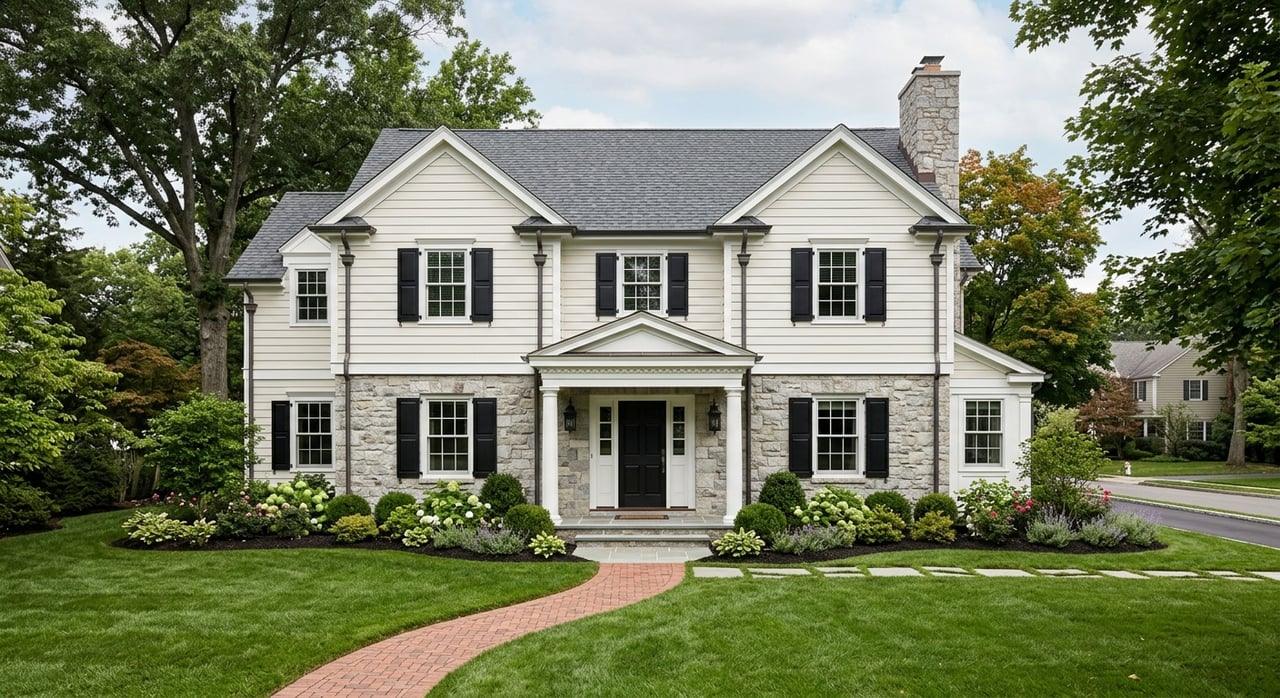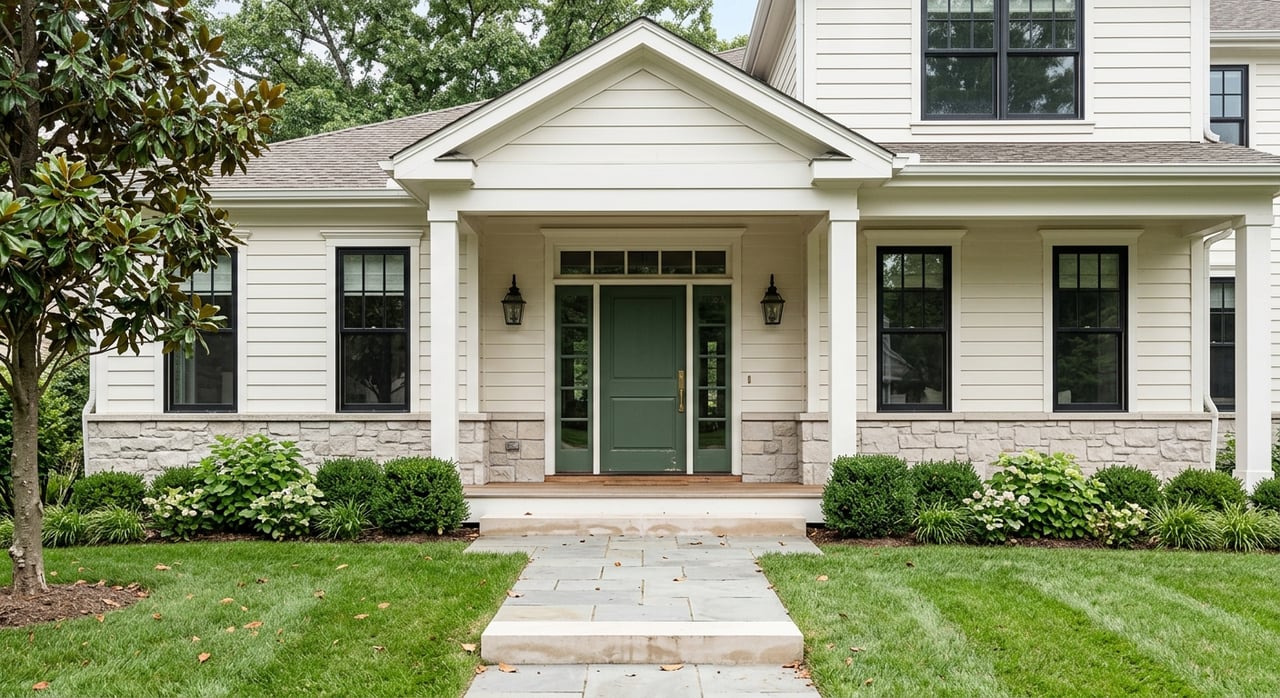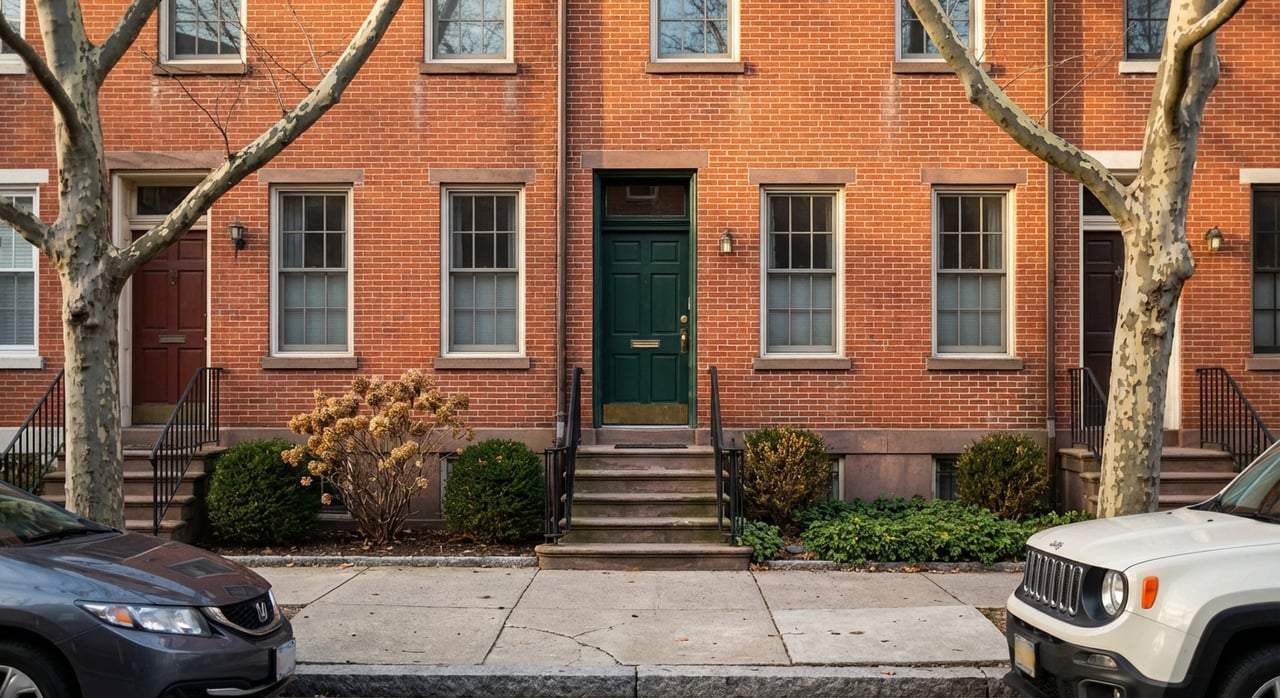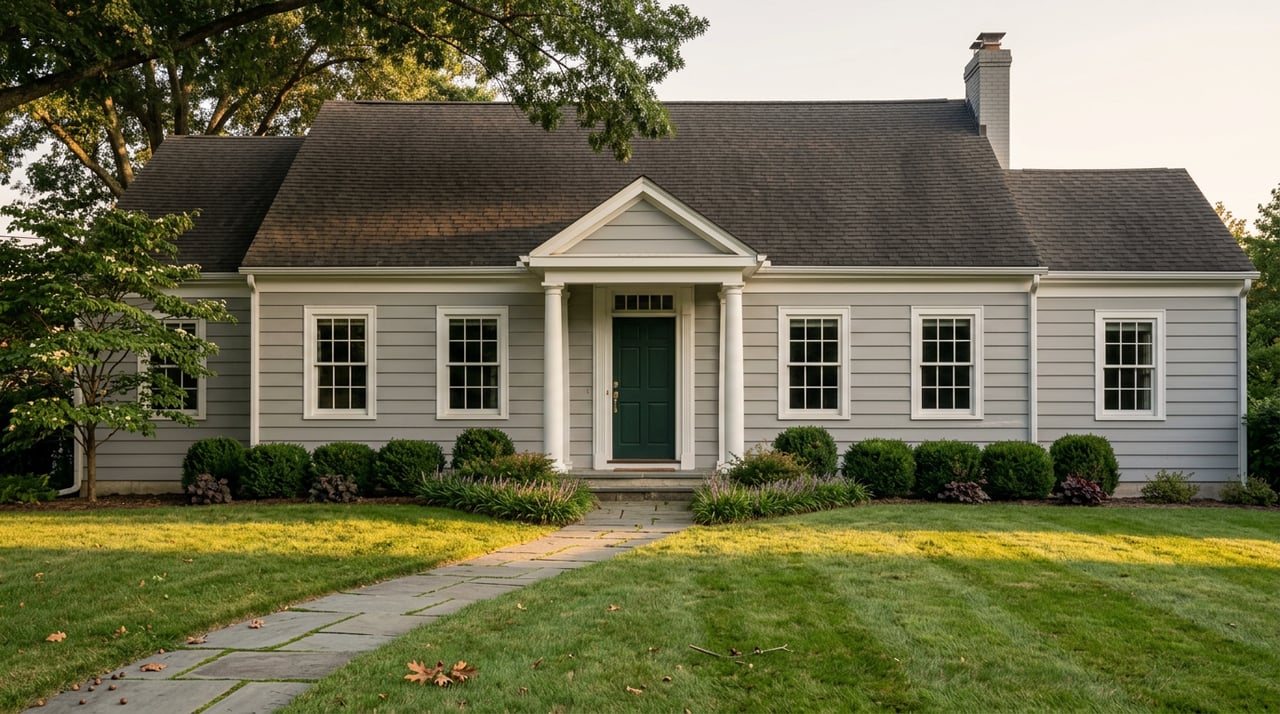
You are three days from settlement on an established street in Bethesda. The inspection is done, the appraisal came in fine, and the only thing left is the stack of paper at the title company. Then you notice a line on the property tax printout that nobody walked you through: Front Foot Benefit Charge.
Nobody did anything wrong. That is the part worth sitting with. In Maryland, this charge can legally ride along on a sale without a single conversation about it, because, as Shulman Rogers explains, the very thing that makes it official is also what exempts it from a disclosure requirement built to protect you from exactly this kind of surprise.
What the Charge Is Actually Paying For
A Front Foot Benefit Charge, or FFBC, exists because someone had to pay to run water and sewer lines to a neighborhood, and that cost got financed rather than paid up front. WSSC Water, the utility that serves Montgomery County, assesses the charge by multiplying a property's front footage by a per-foot rate, then bills it annually for a set term, currently 30 years, until the original construction debt is retired. It is written into Maryland's Public Utilities Article, so it is not a fee WSSC invented on its own. It is a repayment mechanism the state built into how water and sewer infrastructure gets funded in the suburbs.
The rate itself changed recently. WSSC held a public hearing on the proposed Front Foot Benefit rates on November 20, 2025, and the new rates took effect January 1, 2026: $4 per foot per year for water and $6 per foot per year for sewer, a combined $10 per foot annually. That is the number on bills going out this year across Montgomery County, including the older, established streets in and around Bethesda where mains were extended well after a neighborhood's original construction.
The Loophole Hiding in Plain Sight
Here is the part that surprises people who assume "on the books" means "someone has to tell me." Maryland tightened its disclosure rules for these charges, but the law draws a line between two versions of the same fee, and the line runs backward from what most buyers expect.
If the charge is a private one, set up by a developer or builder rather than a public utility, Maryland law requires the seller and the original builder to disclose it in detail, as FindLaw explains. If the charge is a public one administered by WSSC and printed as a line item on the county tax bill, it falls under the exception described above. The reasoning is that it is already sitting in a public record you could theoretically go find. In practice, a tax bill printout is not something most buyers read line by line before closing, and a charge that is legally public can end up functionally invisible in the transaction.
Put another way: the more official the charge, the less anyone is obligated to walk you through it.
| Public FFBC (WSSC) | Private FFBC | |
|---|---|---|
| Who administers it | WSSC Water | A developer-formed collection entity |
| Where it appears | Line item on the Montgomery County property tax bill | Recorded declaration or covenant in county land records, not on the tax bill |
| Separate seller disclosure required | Not required, as described above | Required, as explained above |
| How to confirm it exists | WSSC's online lookup by address, or the tax bill itself | Title search of county land records for a declaration of charges |
| Typical term | Currently 30 years from the levy year | Set by the original developer agreement |
What $10 a Foot Actually Adds Up To
The per-foot rate sounds small until you run it against an actual lot. A typical residential lot with 65 front feet, at the current combined $10-per-foot rate, works out to $650 a year. That is not the number that should give a buyer pause. The number that should is what happens when you multiply that by the years left on the term.
Say a property's 30-year FFBC term began 10 years ago. You are not inheriting a fresh 30-year clock. You are inheriting 20 years of remaining payments, or $13,000 in total obligation on a $650-a-year charge, before the charge disappears from the tax bill entirely. On a home priced well into seven figures, which describes a meaningful share of Bethesda inventory, that is not a number that changes whether the deal makes sense. It is a number that changes what you should be asking before you write the offer, not after you have already moved in.
WSSC says a public FFBC can be paid off in full at any time, and buyers can negotiate for the seller to retire it at closing. Neither of those options helps if nobody raised the question until the tax bill arrived.
Why This Shows Up More on Older Bethesda Streets
New construction rarely carries this surprise, because current practice has developers install water and sewer infrastructure themselves before the first sale, and Maryland's disclosure requirement for that scenario is comparatively strict. The charge shows up more often on the older, established streets that make up a large share of Bethesda's housing stock, where mains were extended by the utility itself, years or decades after a block was first built out. WSSC's own language on this is direct: in the year following completion of water and sewer main construction, connecting properties are assessed a Front Foot Benefit Charge that runs with the assessment period, presently 30 years, and can be paid off at any time but otherwise rides with the property.
That is precisely the housing stock a lot of Bethesda buyers are drawn to. Established lots, mature trees, a neighborhood that was built out well before anyone was marketing a subdivision. The charge is not a defect in that kind of home. It is a cost of how the infrastructure underneath it was financed, and it is worth knowing before it is your name on the bill.
Before You Write the Offer
- Look up the specific address through WSSC's own front foot benefit charge lookup rather than relying on the listing sheet.
- Ask your title company directly whether the charge is public or private, since the disclosure rules differ, as described above.
- If a search turns up a private FFBC, request the recorded declaration from county land records so you know the exact remaining term and rate, not just an estimate.
- Ask whether the seller is willing to retire the remaining balance at closing, and put that agreement in writing in the contract rather than assuming it is implied.
- If the charge is public and already reflected on the tax bill, use that number to do the math on remaining years yourself, since the bill shows the current annual amount but not always how many years are left on the clock.
A Few Questions Buyers Ask Once They Know to Look
Does the charge transfer to me automatically when I buy the home? Yes. A Front Foot Benefit Charge runs with the land, not with the person who originally benefited from the construction, as U.S. Utility explains. Whoever owns the property when the bill comes due is responsible for it, regardless of how long they have owned it.
Can I just pay it off instead of carrying it for years? For a public FFBC, see the payoff option described above. For a private FFBC, ask whether payoff is available. Any payoff can be negotiated as part of the purchase agreement rather than something you handle separately after closing.
Is the $10-per-foot rate the same everywhere in the county? The current combined rate of $4 for water and $6 for sewer per front foot per year applies broadly to properties levied under the 2026 rate schedule, but the specific footage, term length, and whether a given property is even subject to a public or private charge varies by street and by when that section of main was built. That is exactly why checking the specific address matters more than assuming a countywide average applies to your case.
Bethesda's older streets carry a lot of what makes them desirable: mature landscaping, established schools nearby, the kind of settled character that new construction can't replicate. A Front Foot Benefit Charge is part of what it took to build that infrastructure in the first place. It is not a reason to walk away from a home. It is a reason to ask the question before the offer, not after the first tax bill.
If you are weighing a purchase in Bethesda, Chevy Chase, or anywhere else across Montgomery County where this charge shows up, pulling the FFBC history on a specific address is a five-minute check that belongs in your due diligence, not an afterthought. Gerly Oden can run that check as part of evaluating any property you are considering. Let's connect and schedule your complimentary home valuation before you write the offer, not after you're already unpacking boxes.
This article is general information, not legal, tax or financial advice. Consult a qualified professional about your situation.