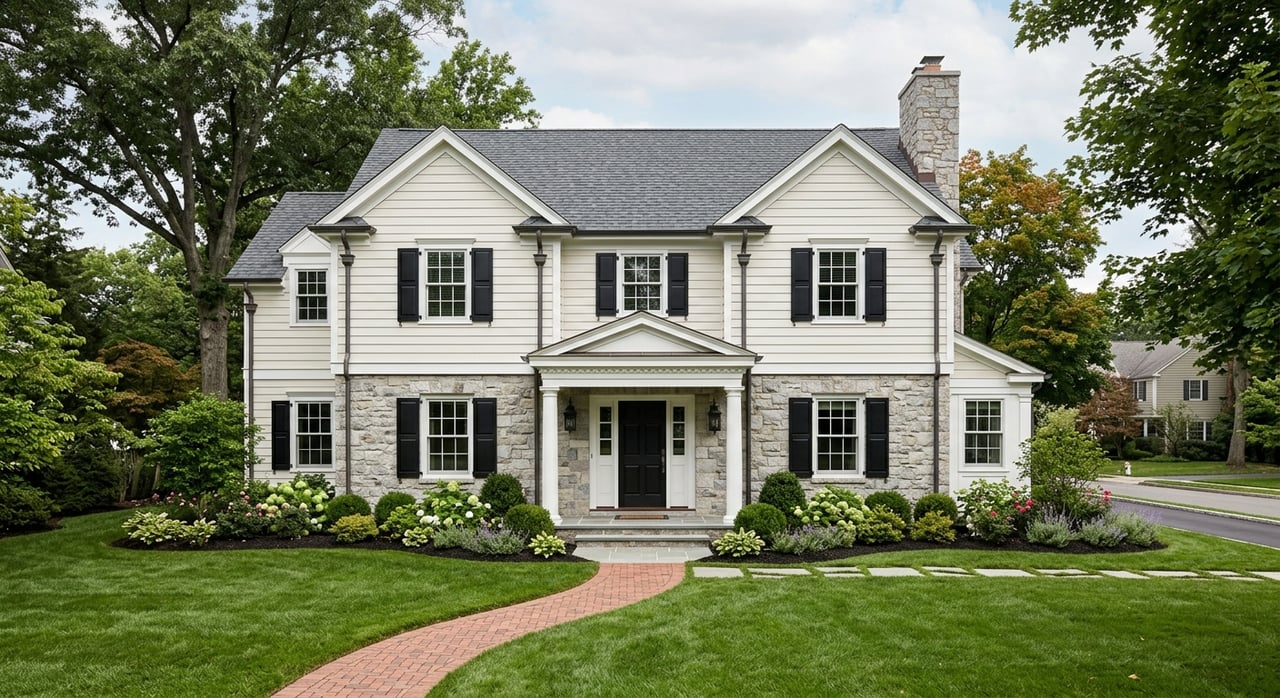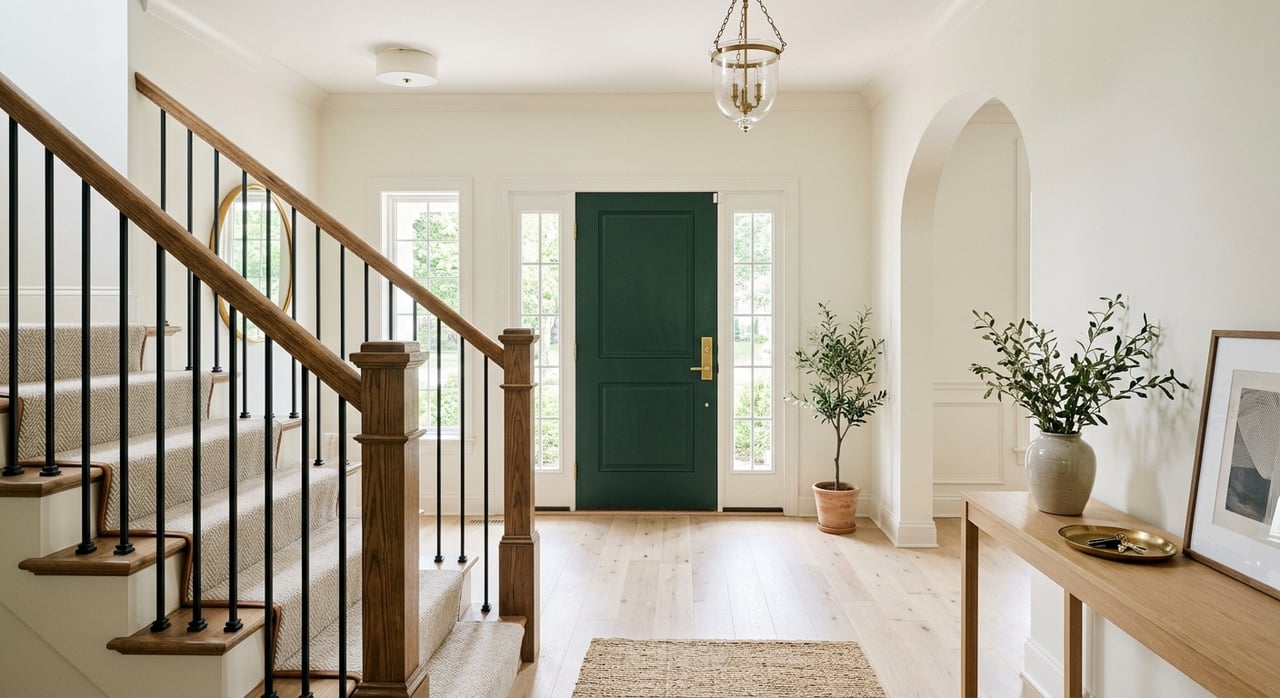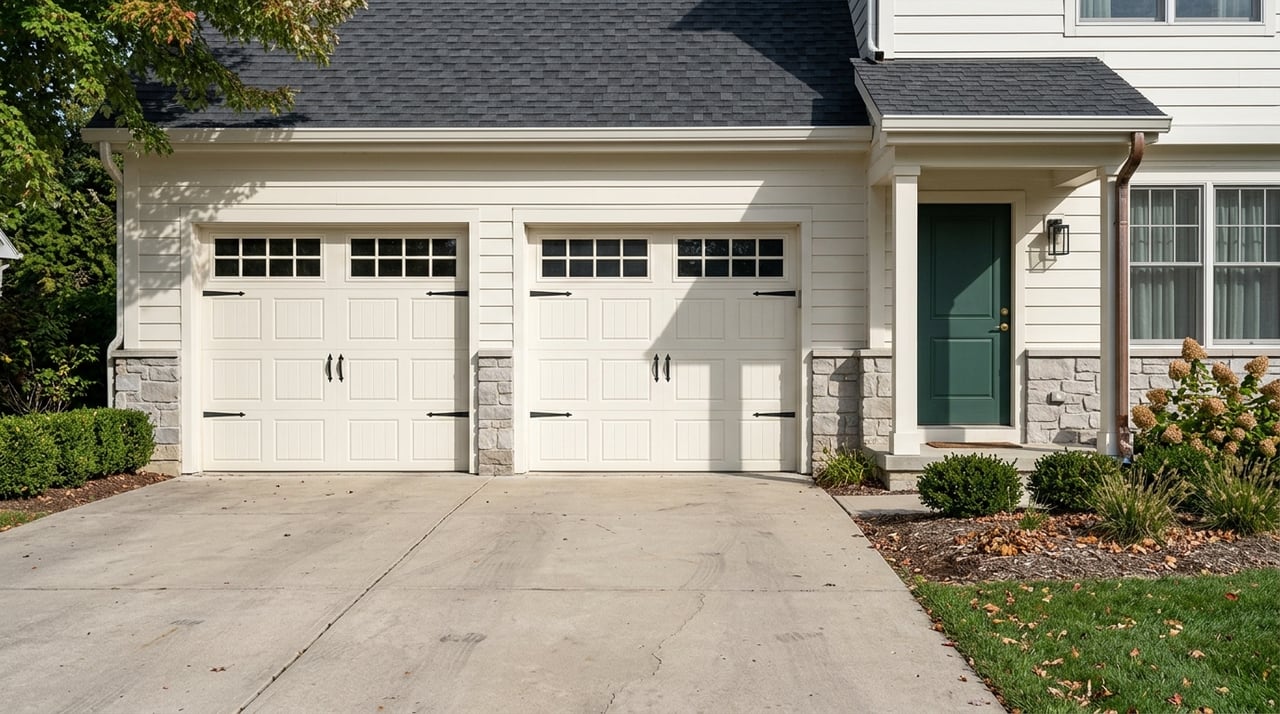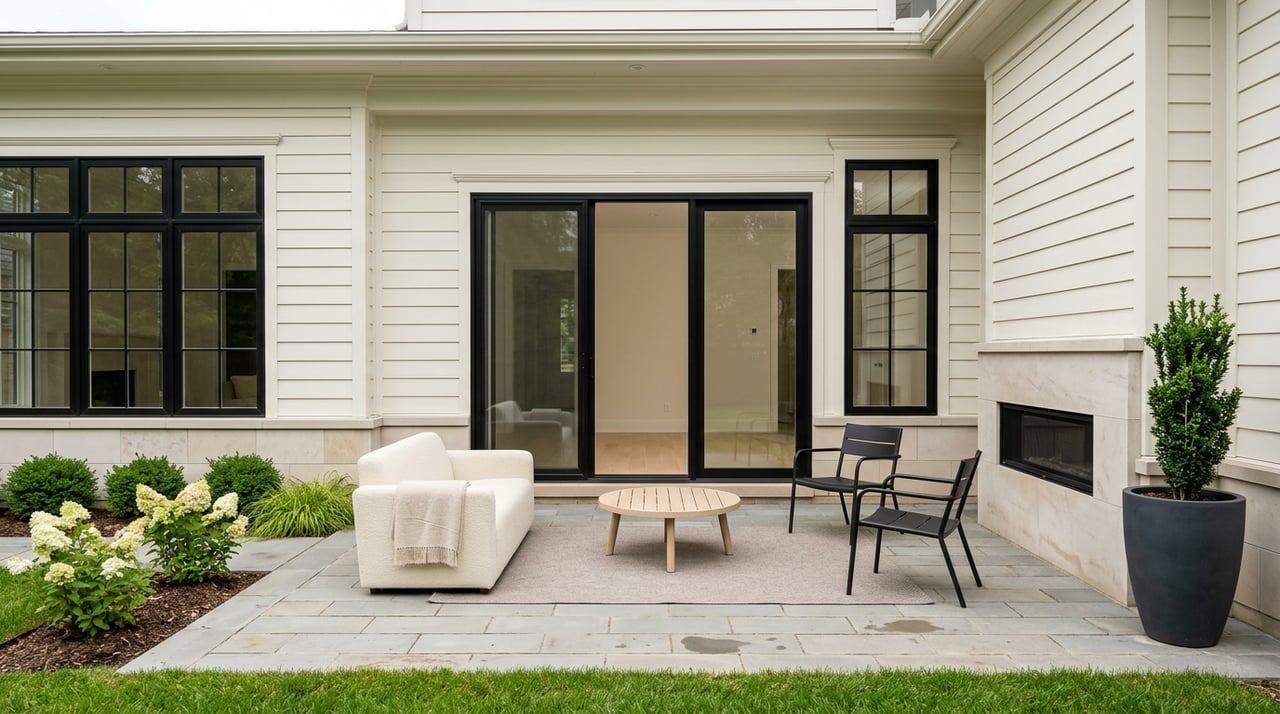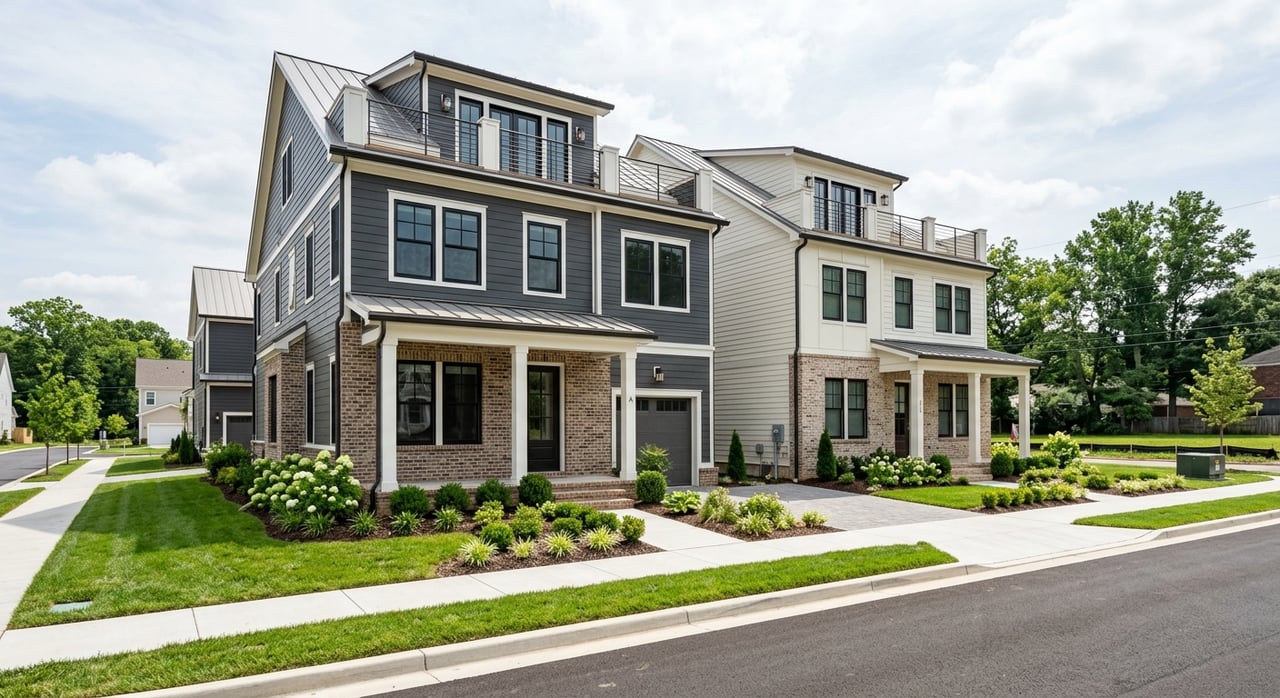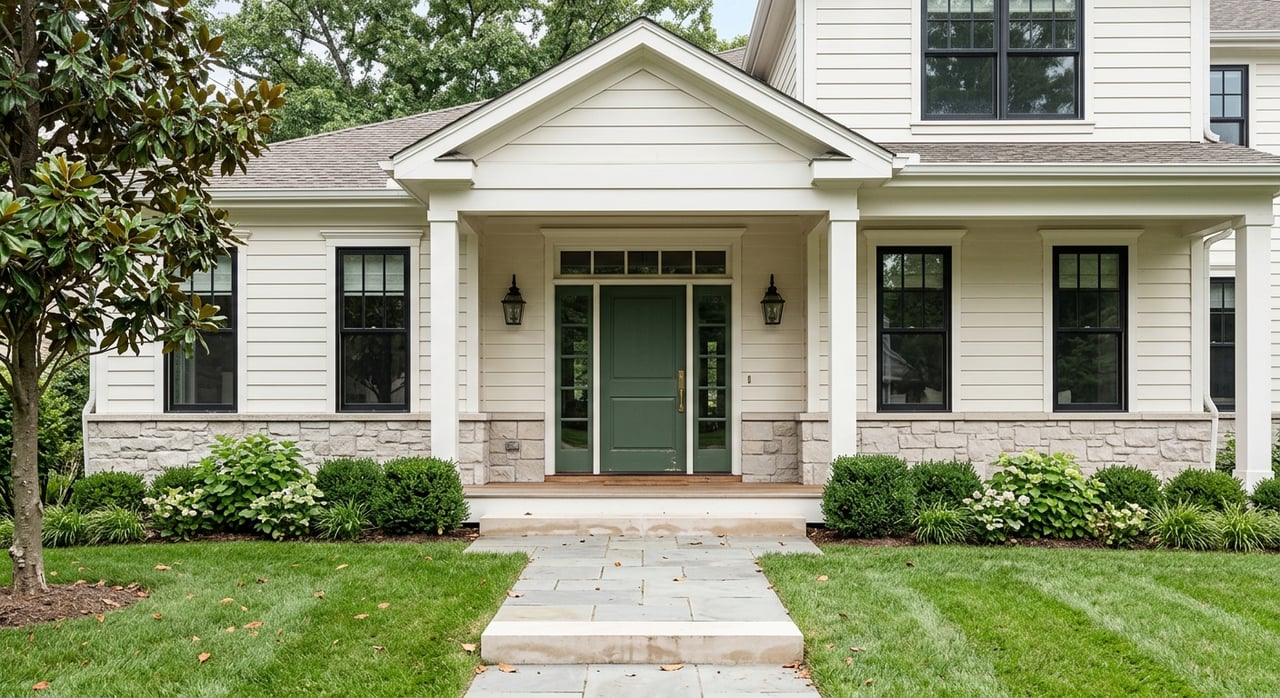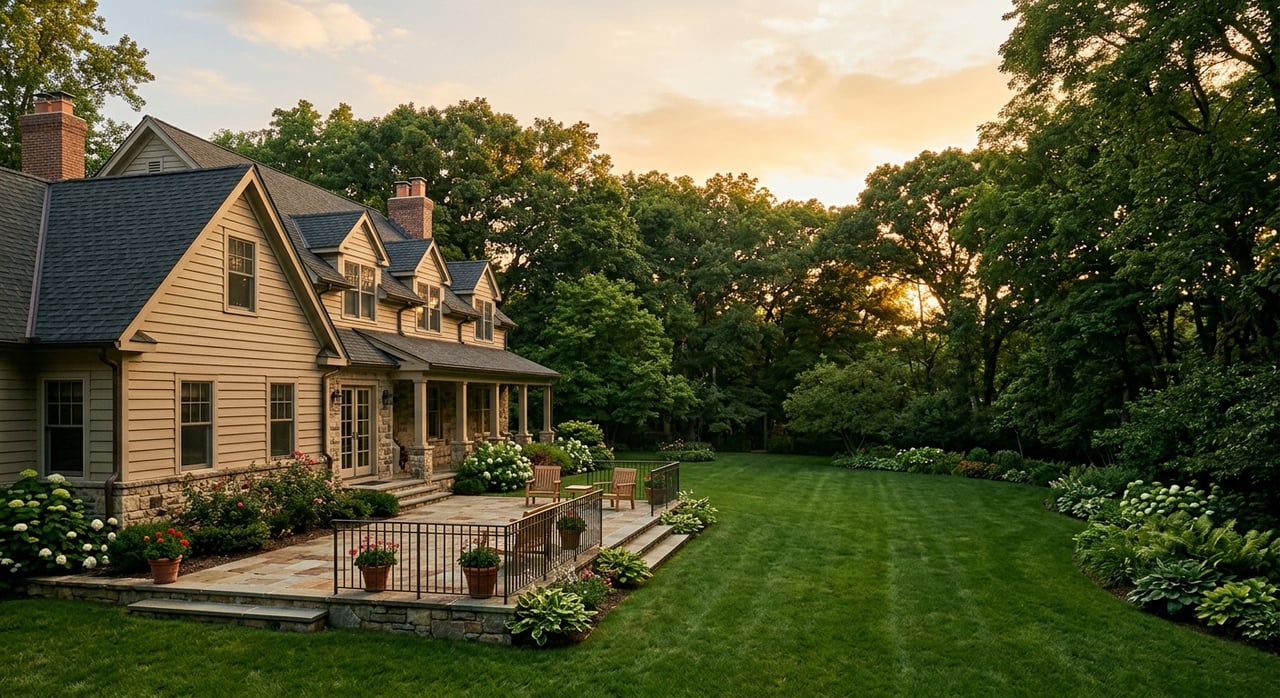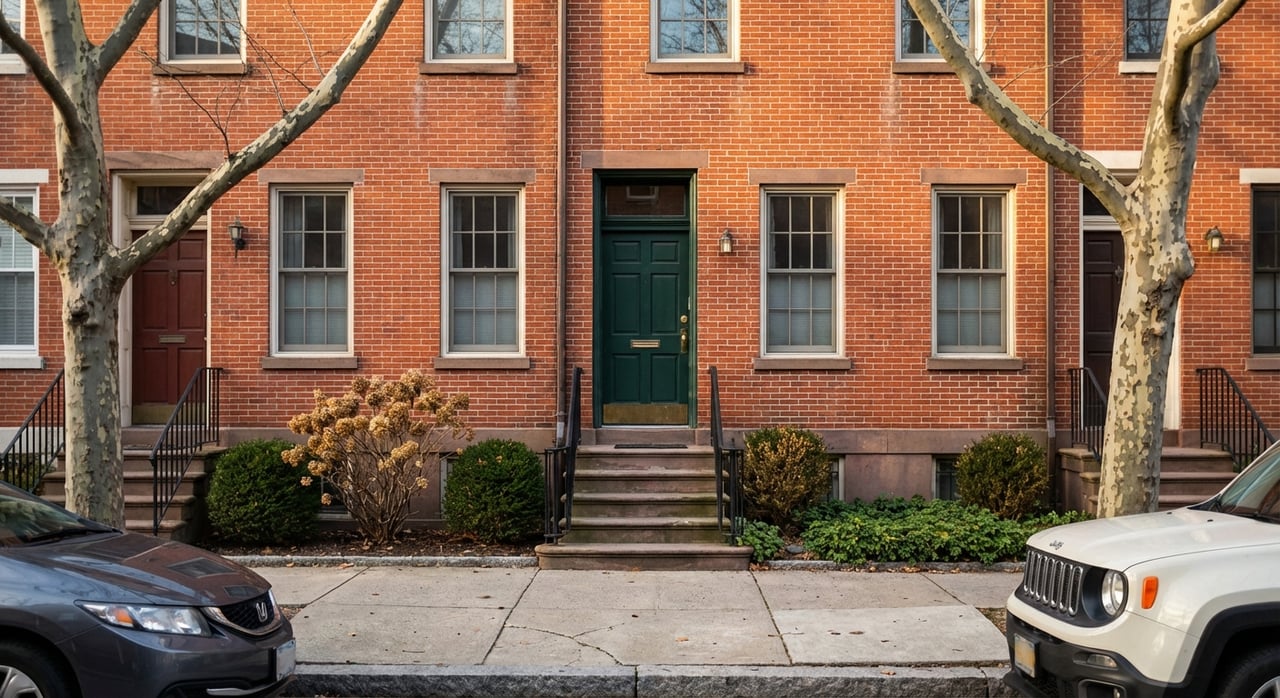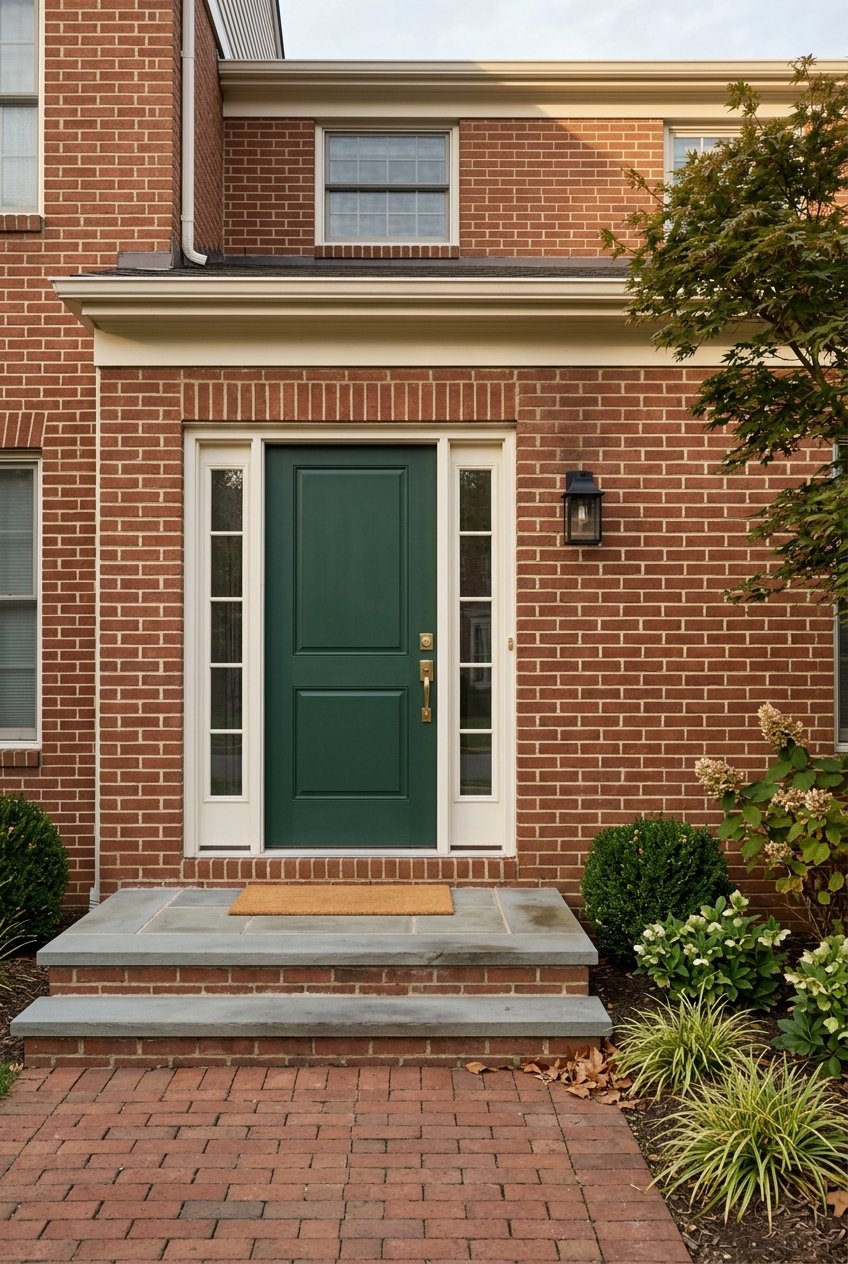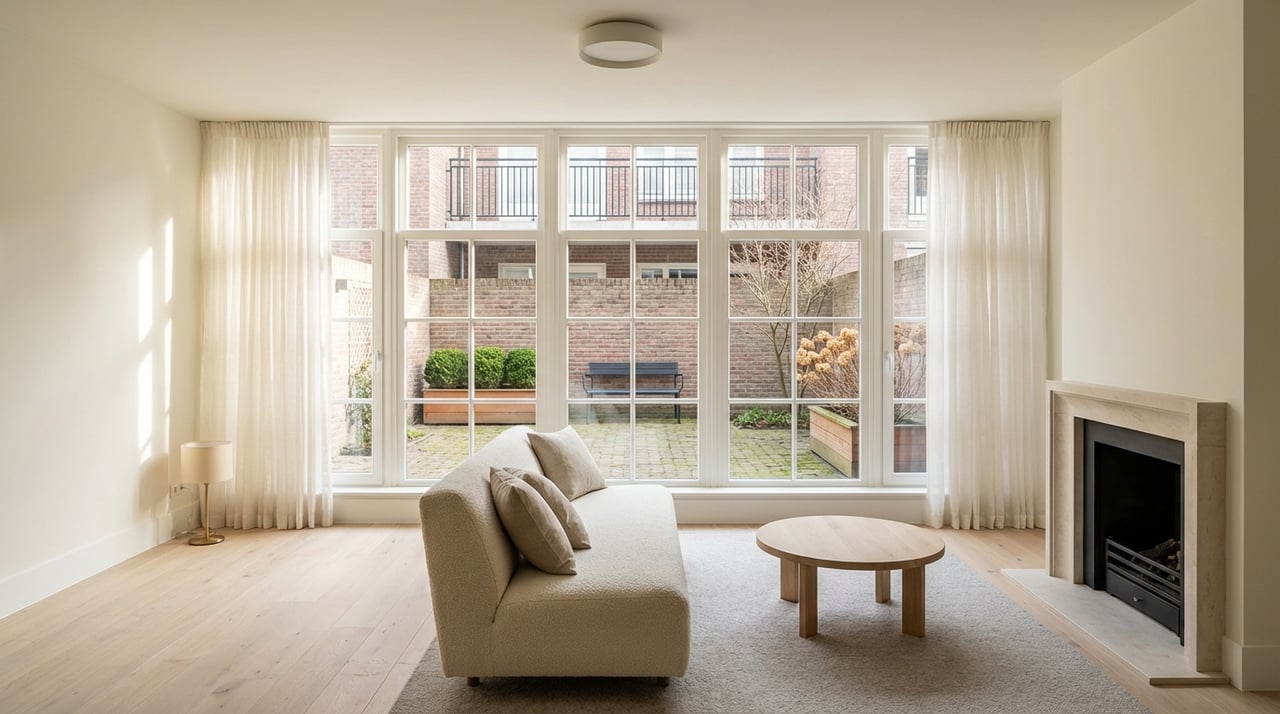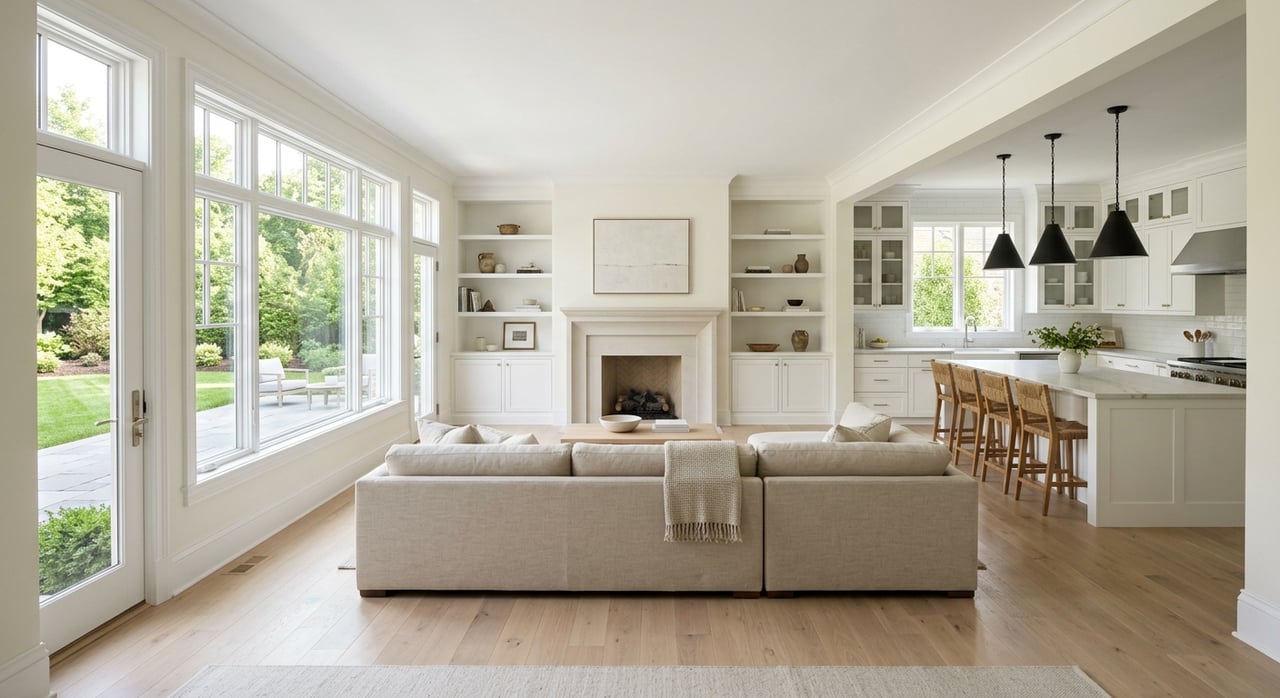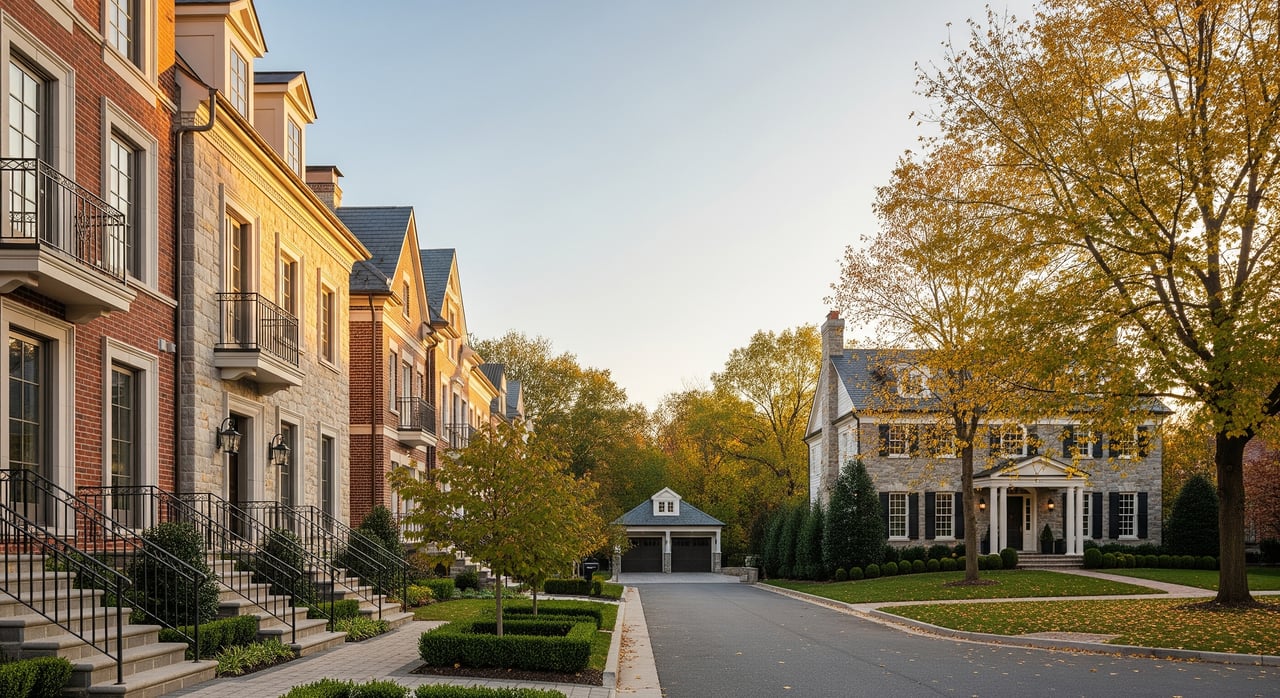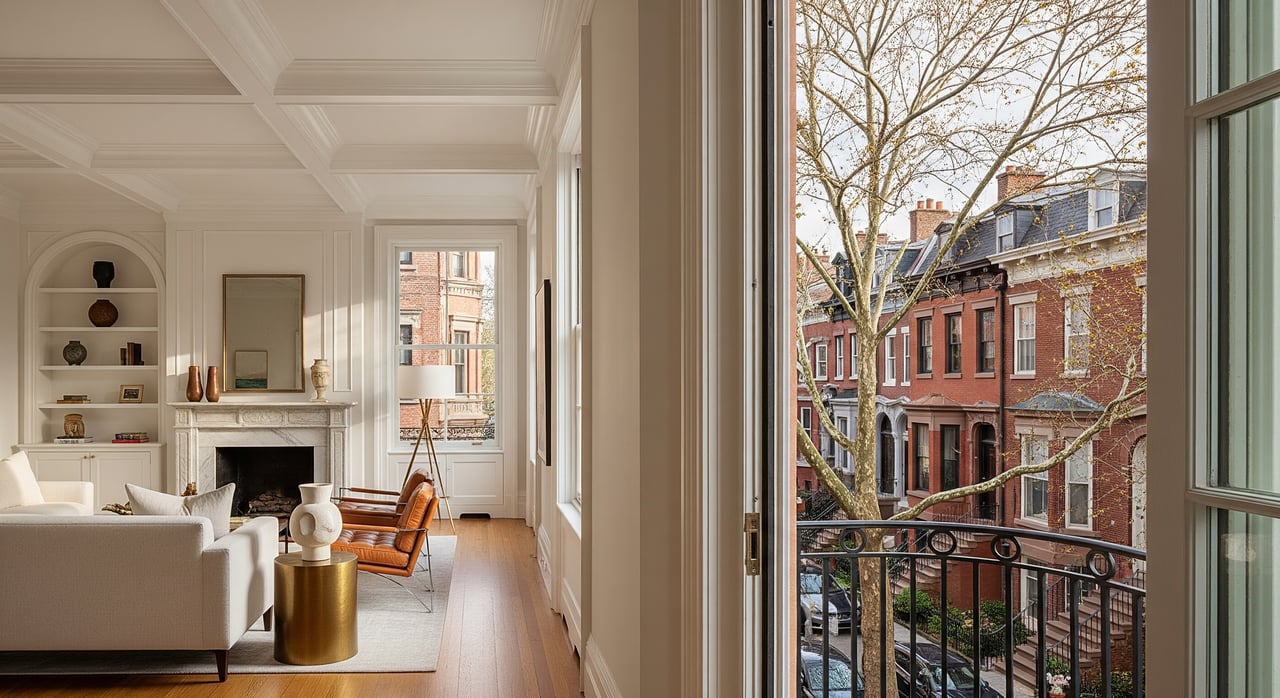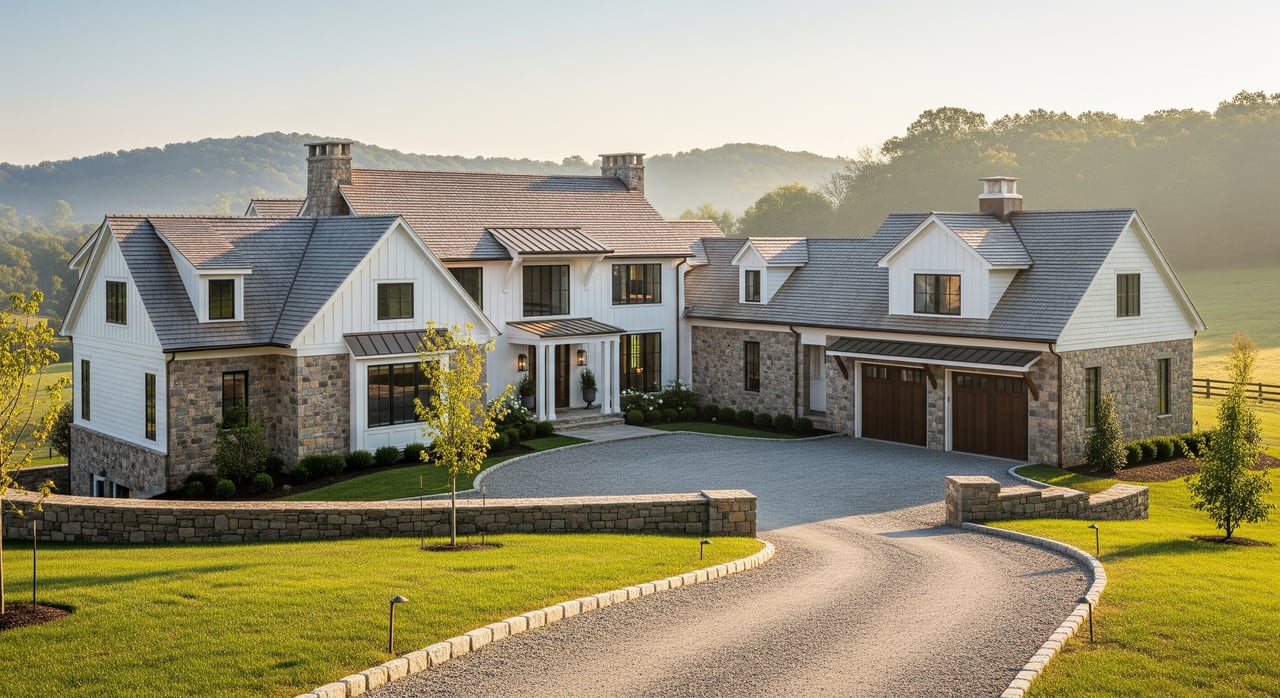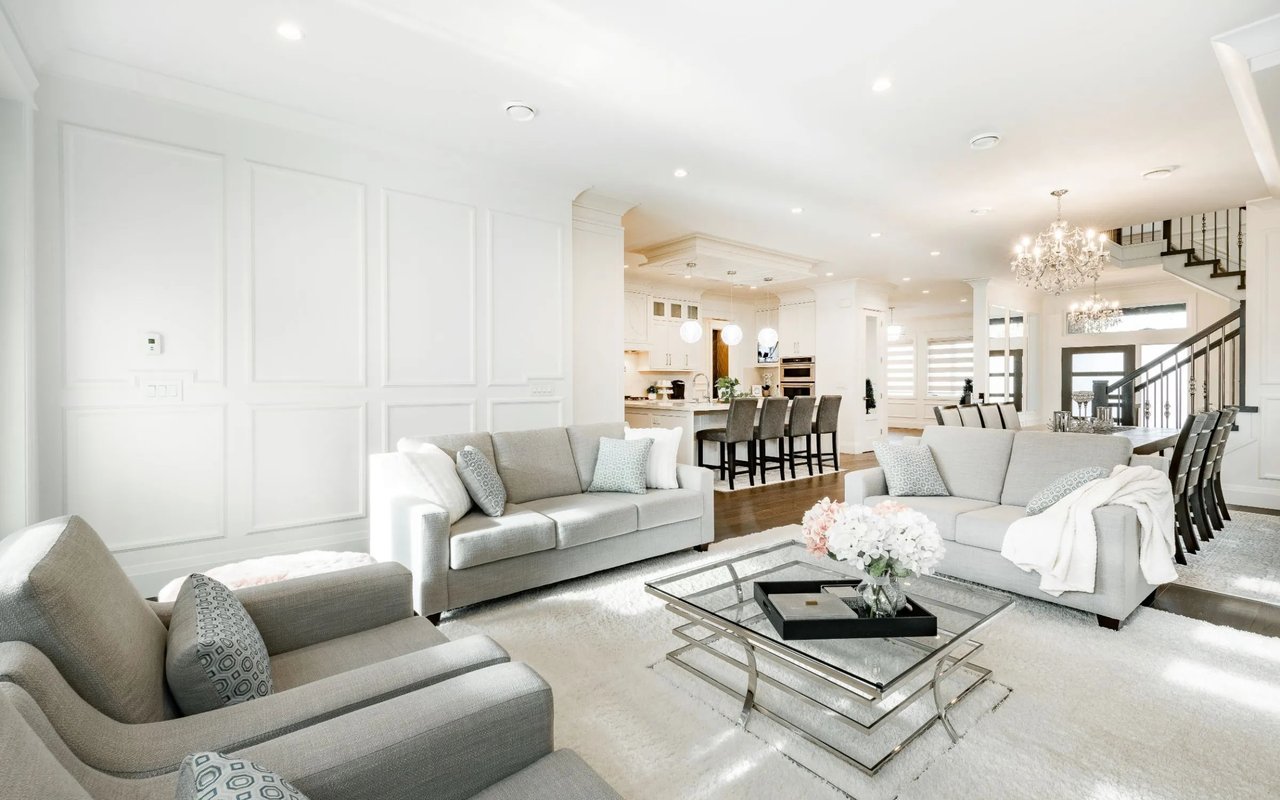
Trying to choose between downtown Bethesda and one of its quieter residential pockets? You are not alone, and the decision is about more than just price. Your day-to-day lifestyle, commute, home type, and comfort with activity levels all play a big role. If you are weighing walkability against privacy, this guide will help you compare the trade-offs and narrow in on the right fit. Let’s dive in.
Bethesda Is Not One Market
One of the biggest mistakes buyers make is treating Bethesda like a single housing market. In reality, the numbers show very different micro-markets depending on where you look.
In the downtown proxy of 20814, the median sale price is $776,500. In more residential Bethesda ZIP codes, prices are notably higher, with 20816 at $1.375 million and 20817 at $1.35 million. Somerset stands out even more, with a reported median sale price of $3.6 million, though that figure comes from only a few sales and can move quickly. According to Redfin market data for Bethesda-area ZIP codes, the real choice is often between an urban-feeling core and a more private residential setting.
Downtown Bethesda Lifestyle
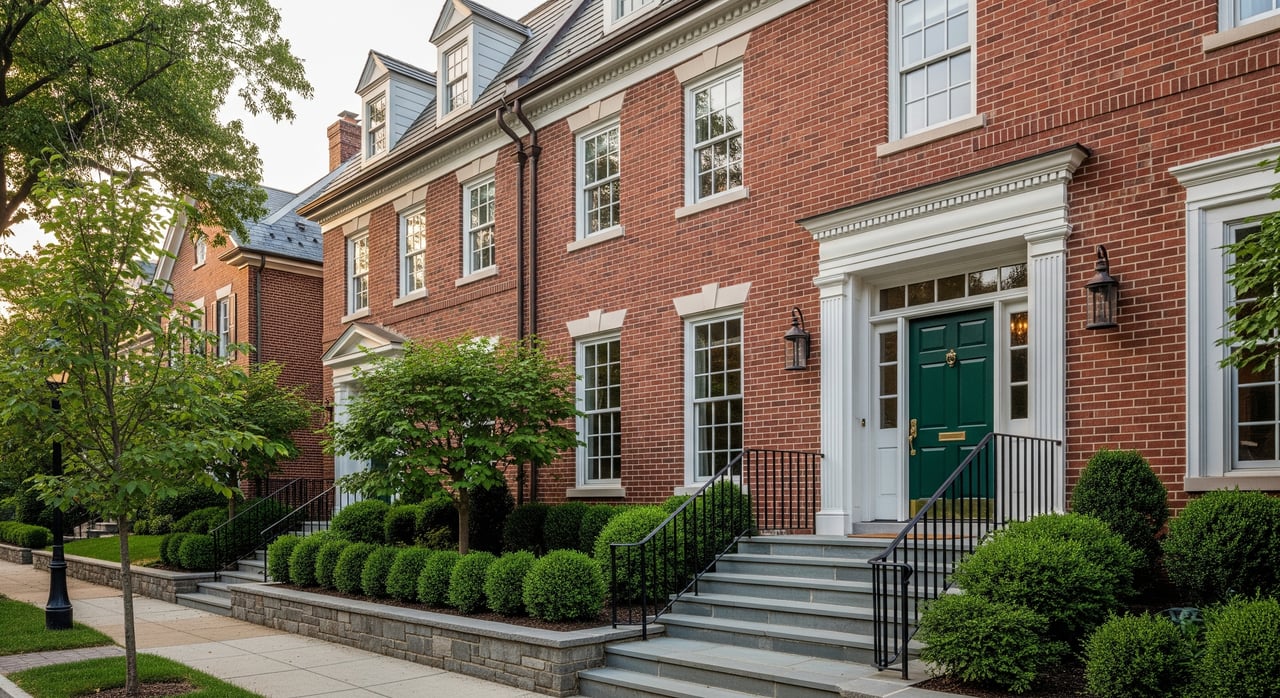
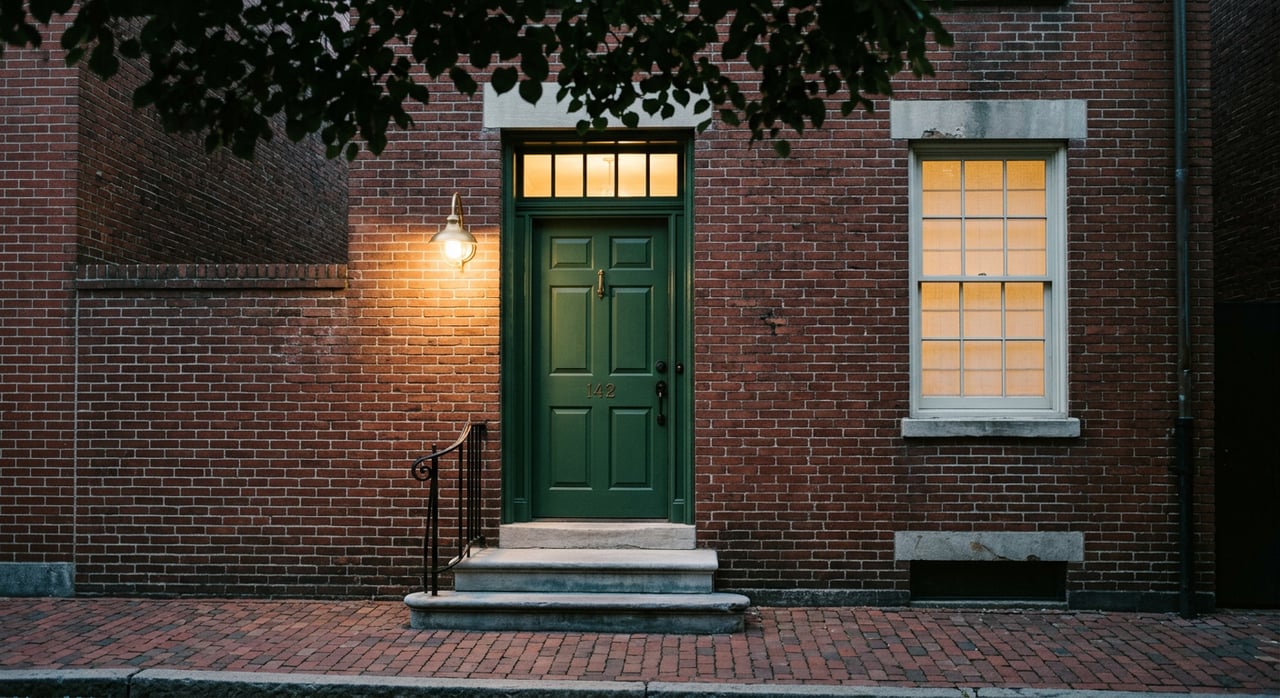
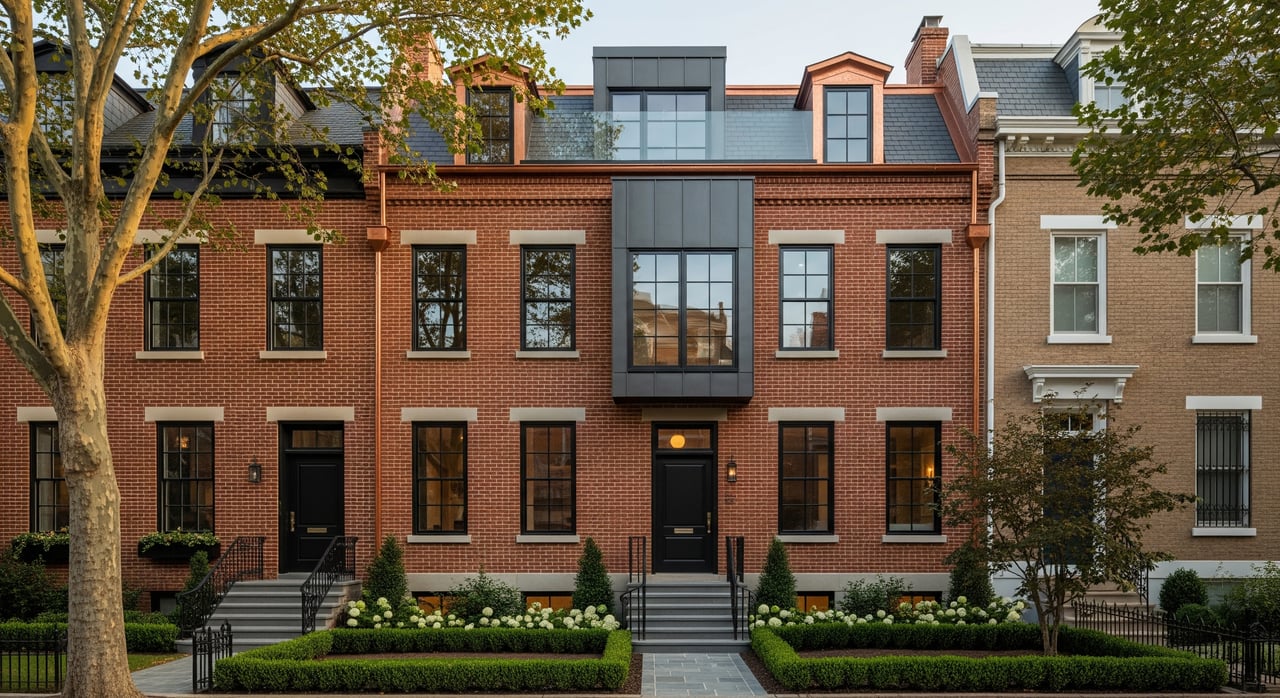
Downtown Bethesda is centered around the Bethesda Row and Woodmont Triangle area near the Bethesda Metro station. Montgomery Planning describes this core as mixed-use and pedestrian-oriented, with a much higher walkability profile than the broader Bethesda area.
In fact, the Bethesda Downtown planning appendix rates the core at 95 out of 100 for walkability, compared with 47 out of 100 for the broader Bethesda/Chevy Chase policy area. The same planning materials, along with the EPA’s Bethesda Row case study, paint a clear picture of a place where you can park once, then walk between restaurants, shops, residences, and everyday errands.
What daily life feels like downtown
If you live downtown, convenience is often the biggest draw. You may be able to walk to Metro, dining, retail, and trails instead of planning every trip around a car.
That same convenience also means more activity. With restaurants, shared parking, rail access, and a dense street grid, downtown will usually feel busier than nearby residential pockets. If you enjoy energy and movement around you, that can be a plus. If you prefer a quieter setting, it may feel like a compromise.
Transit and mobility advantages
For many buyers, transit access is the reason downtown rises to the top of the list. WMATA’s Bethesda station page confirms that Bethesda station is on the Red Line and is within walking distance of Bethesda Row and the Bethesda Trolley Trail.
WMATA also notes that a new mezzanine is being built to connect Metro with the future Purple Line Bethesda station, and an April 2026 notice says the Purple Line is scheduled to open in late 2027. That future connection could make downtown even more appealing for buyers who value car-light living and regional access.
Residential Enclaves Offer A Different Rhythm
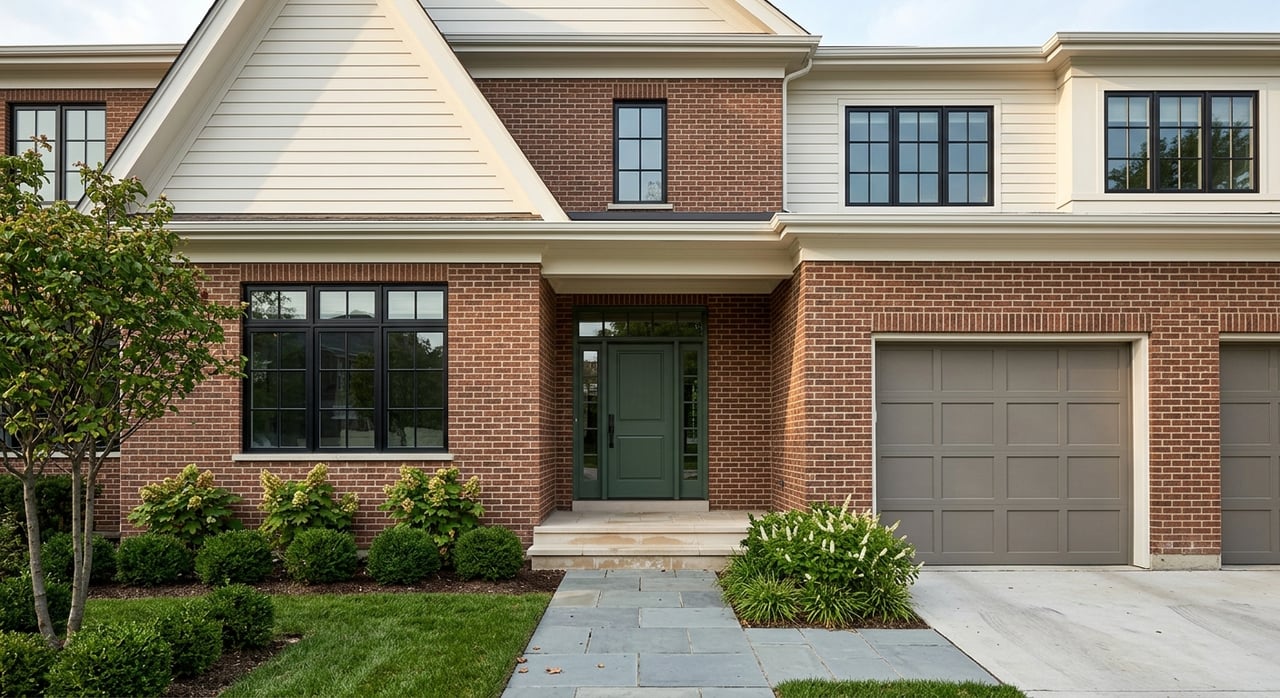
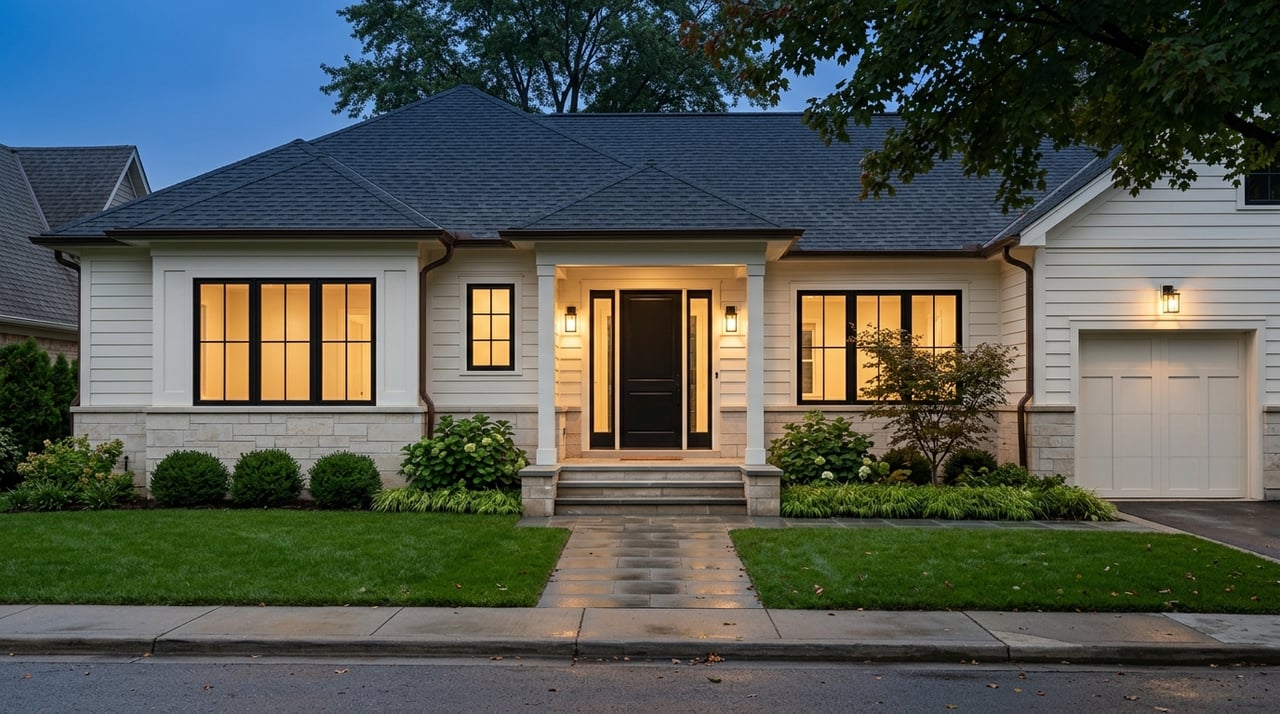
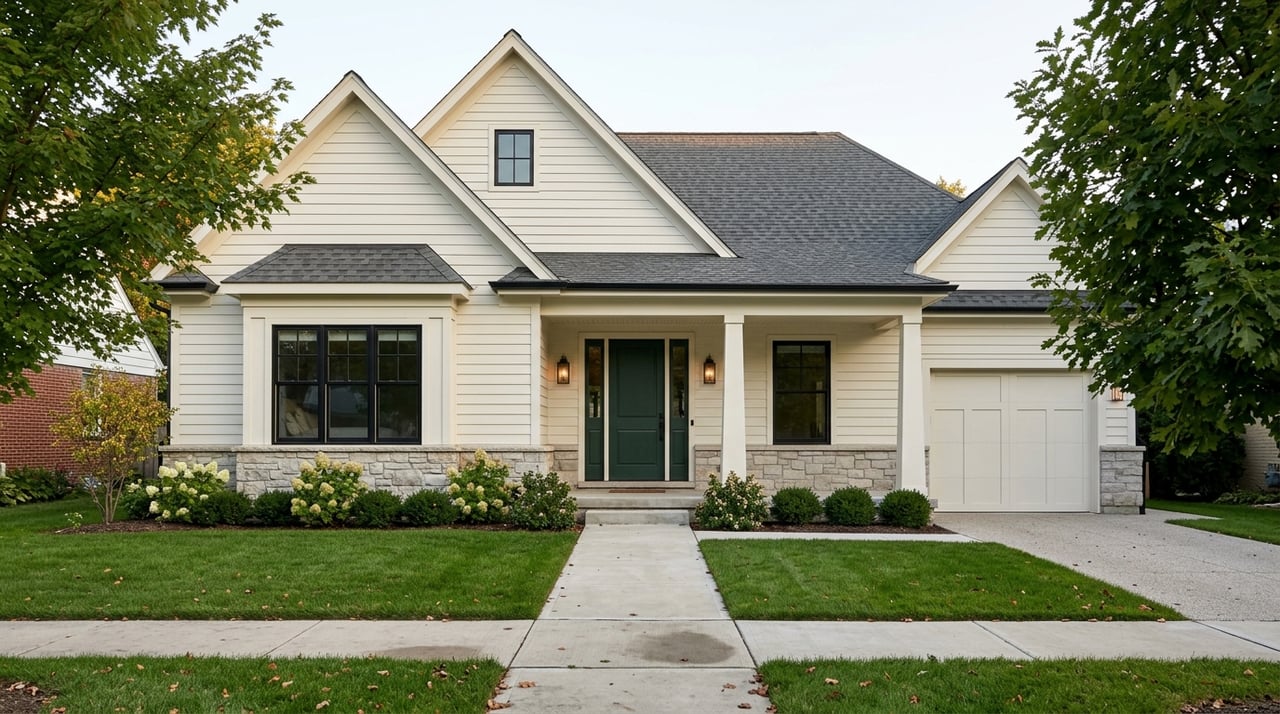
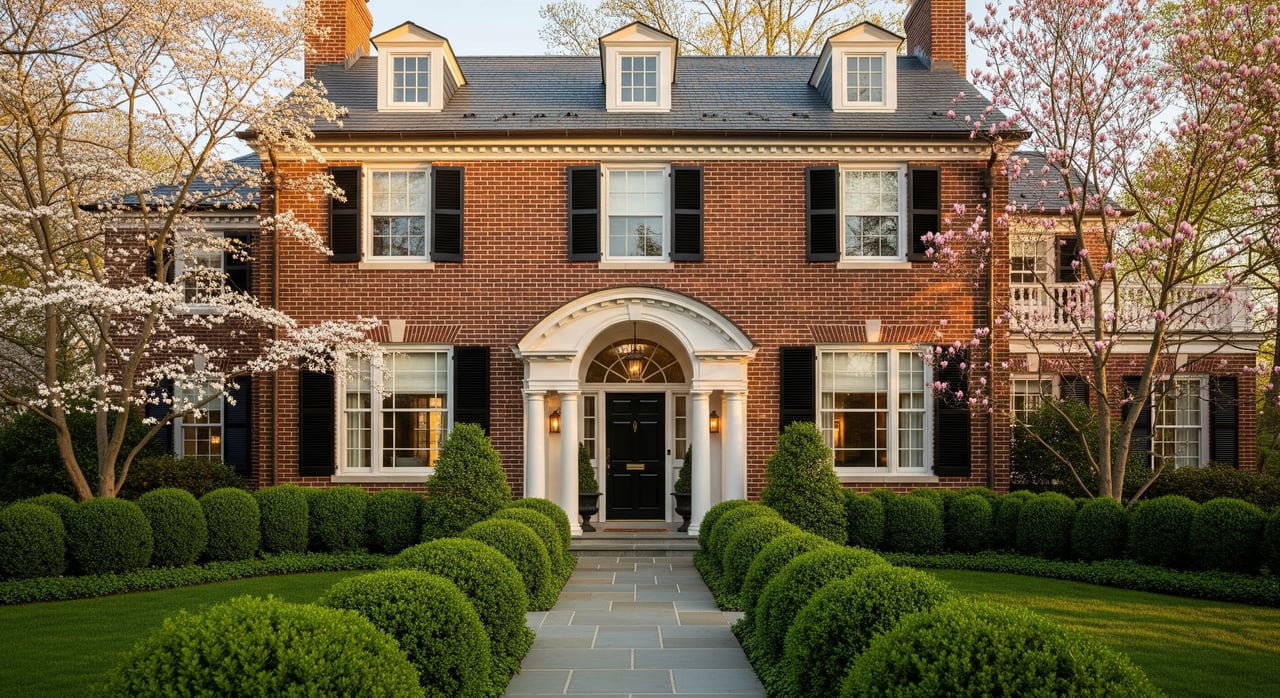
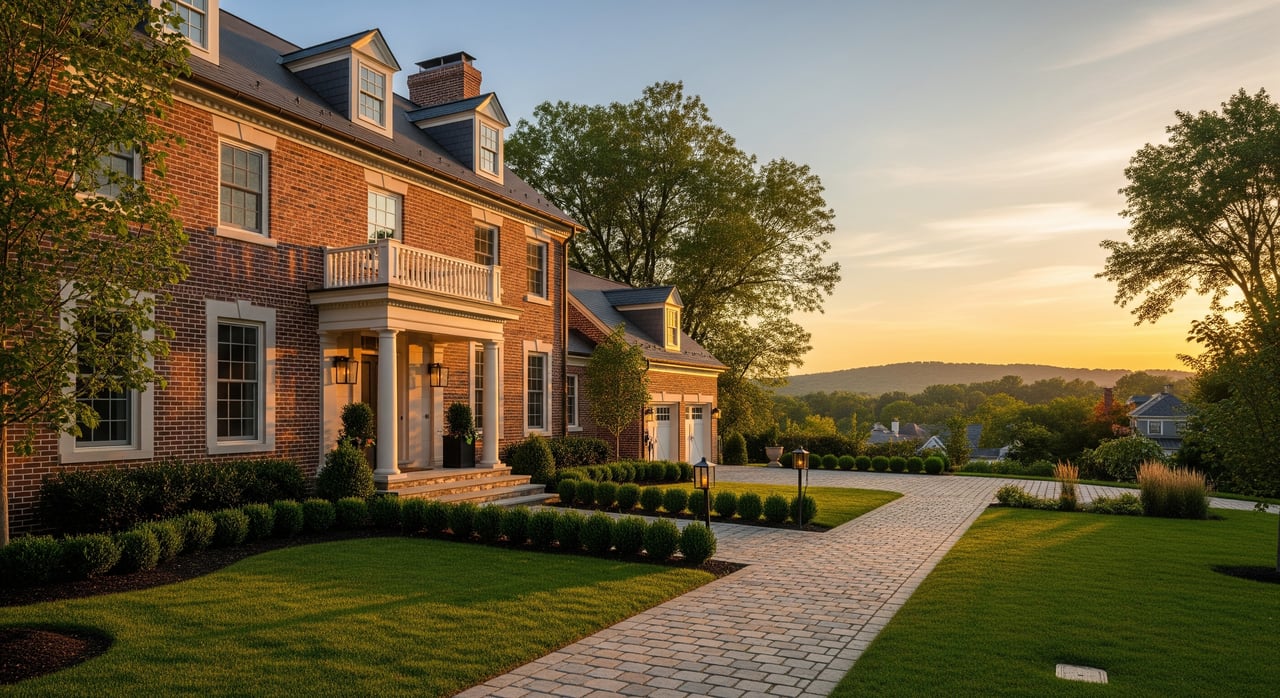
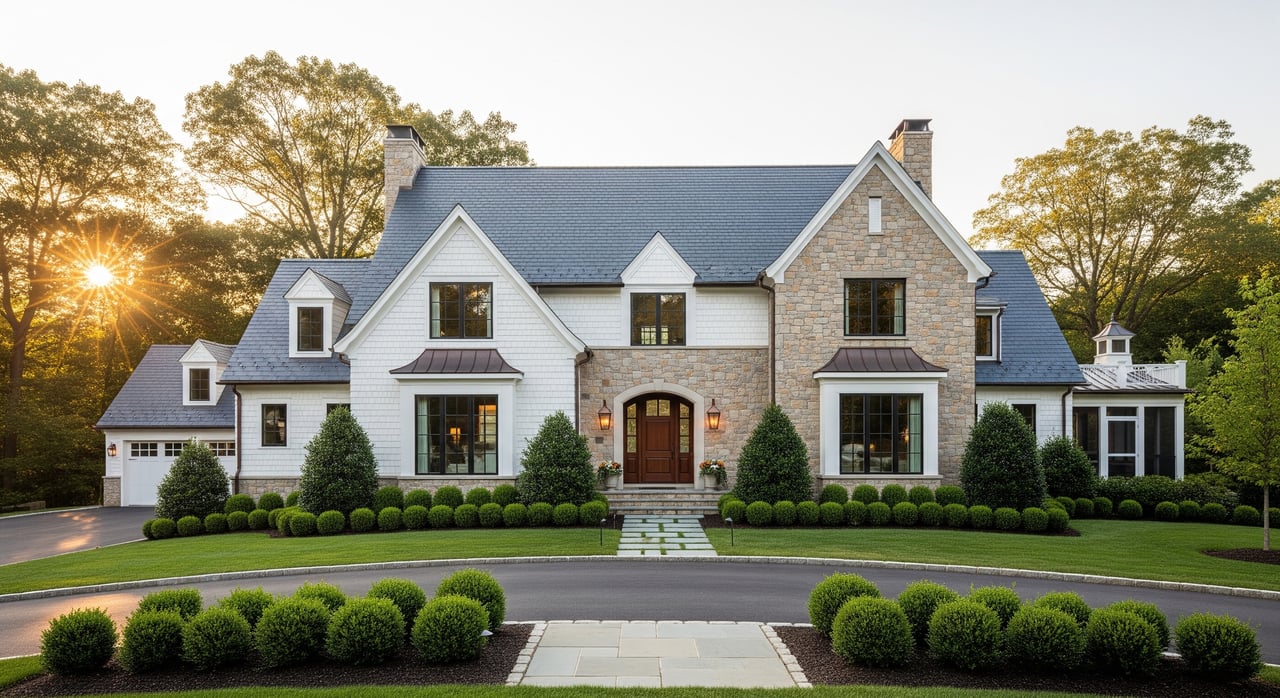
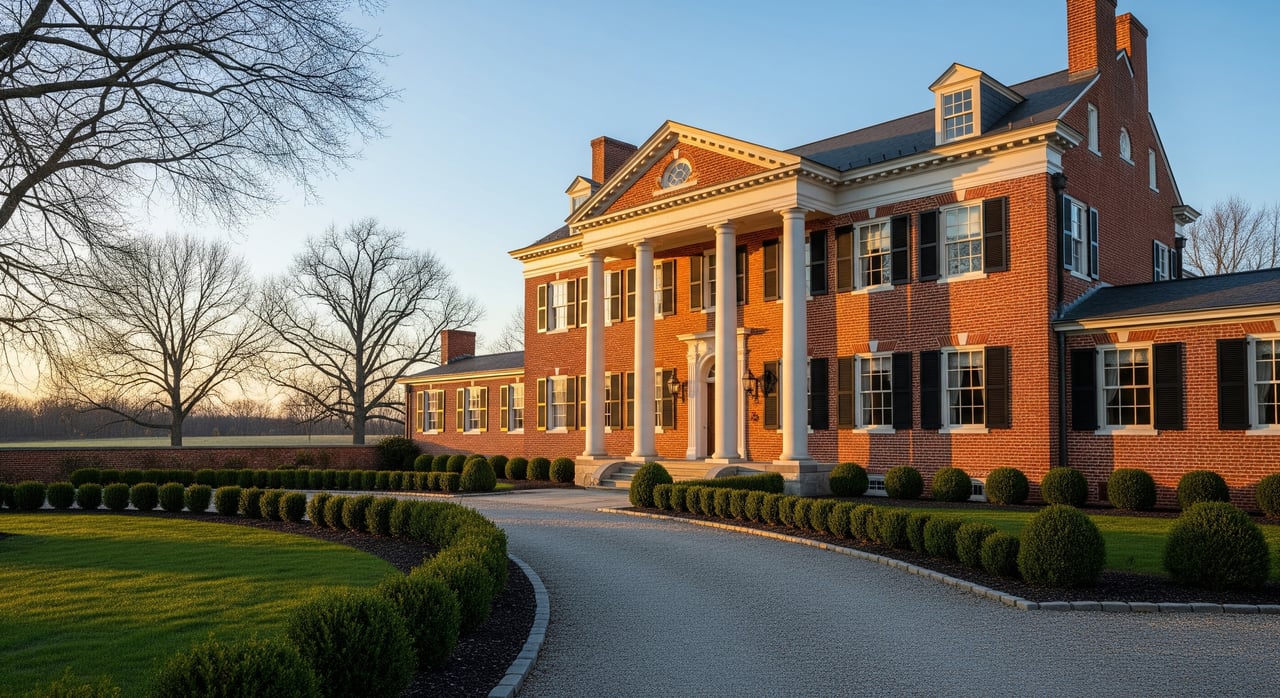
If downtown Bethesda feels too active, the nearby enclaves may be a better match. Areas like Edgemoor, Somerset, and more residential parts of 20816 and 20817 tend to offer a more traditional suburban Bethesda experience.
These areas are generally associated with more detached homes, larger lots, and less commercial frontage. Edgemoor market data and local planning context support that contrast. Somerset, in particular, is an incorporated town in Montgomery County, which helps explain why it often feels distinct from the downtown core.
What you may gain in a quieter pocket
A quieter enclave often gives you more privacy and more separation from busy commercial activity. You may also find more private outdoor space and a home layout that fits buyers looking for detached housing rather than condo living.
That does not automatically mean a lower price. In Bethesda, quieter and more residential can actually mean paying more, especially when detached homes and scarce inventory are part of the equation.
Price Often Follows Home Type
If you are comparing downtown to a suburban enclave, it helps to look beyond the neighborhood name and focus on the kind of property you want. In Bethesda, price is tied to home type almost as much as geography.
The downtown 20814 market is the clearest condo and co-op market in this comparison. Recent 20814 data shows a median sale price of $776,500 and $394 per square foot, with recent sales ranging from condos around $490,000 and $555,000 to a Woodmont Avenue penthouse that sold for $2.65 million.
By contrast, 20816 market data shows a median sale price of $1.375 million, while 20817 sits at $1.35 million. Recent sales in these areas include many detached homes at significantly higher price points. In Edgemoor, recent detached-home sales ranged from about $930,000 to $1.92 million, while Somerset’s pricing underscores its scarcity and premium positioning.
A simple way to frame the trade-off
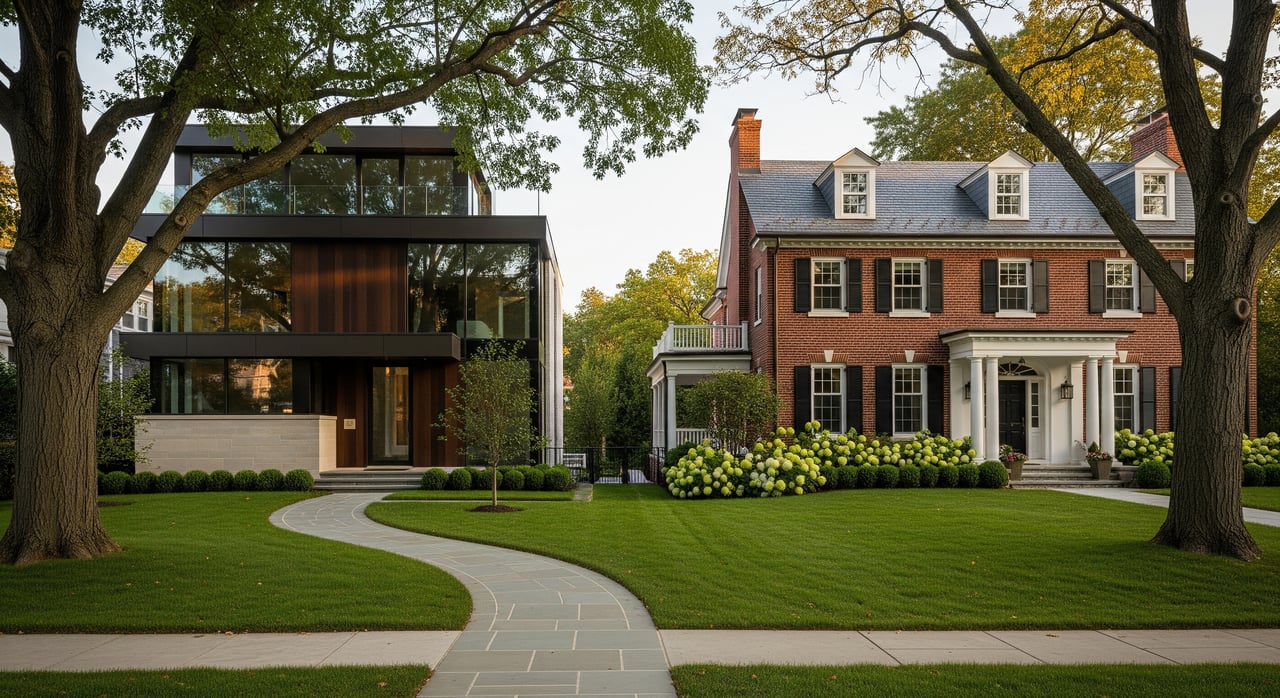
If you want a condo or co-op with strong walkability, downtown Bethesda may offer the lower sticker price. If you want a detached home, larger lot, and more privacy, the residential enclaves may be a better fit, but often at a higher price point.
That is why this decision is rarely just about budget. It is really about matching your budget to your lifestyle priorities and preferred home type.
Commute Can Shift The Answer
Sometimes the best area is the one that makes your weekly routine easier. For buyers tied to a regular commute, especially to major employers, location within Bethesda matters.
For example, WMATA’s Medical Center station page shows direct service to NIH and Walter Reed National Military Medical Center. That makes west Bethesda especially relevant if you want access to those employers without living in the downtown core.
Think beyond drive time
When you compare areas, it helps to think about your full routine. Ask yourself how often you want to walk to errands, whether you expect to use Metro regularly, and how much value you place on quick access to major destinations.
A shorter drive is not always the same as a smoother day. In some cases, living near transit or closer to your most frequent destinations can outweigh the appeal of a larger home.
School Boundaries Are Address-Specific
If school assignment is part of your search, this is one area where broad assumptions can cause problems. Bethesda is not one school zone, and assignment can vary by block.
Montgomery County Public Schools provides service-area maps and an address-based School Assignment Tool because boundaries can change and should be verified by exact address. That is the safest and most accurate way to confirm school pathways during your home search.
Why verification matters
Current market summaries show how much variation exists. In 20814, elementary options shown include Bethesda ES, Bradley Hills ES, Wyngate ES, Ashburton ES, and Kensington Parkwood ES. In 20816, listings may point to Westbrook ES, Wood Acres ES, and Somerset ES. In 20817, options shown include Seven Locks ES, Bradley Hills ES, Carderock Springs ES, Wyngate ES, and Bells Mill ES.
The takeaway is simple: do not rely on a ZIP code or neighborhood name alone. If school assignment matters to your move, verify the exact address early in the process.
Which Bethesda Fit Is Right For You?
There is no one-size-fits-all answer here. The best choice depends on how you want your home to support your daily life.
Downtown Bethesda may be the better fit if you want:
- Walkability to restaurants, shopping, and errands
- Easy Red Line access
- Lower-maintenance ownership, such as a condo or co-op
- A more urban, active environment
- Potentially lower entry pricing than detached-home enclaves
A quieter residential enclave may be the better fit if you want:
- A detached home or more private setting
- More yard space or outdoor room
- Less day-to-day street activity
- A suburban feel while staying near Bethesda amenities
- Better alignment with a west Bethesda commute, depending on your workplace
Final Thoughts On Choosing Between The Two
The most important thing to remember is that Bethesda is not a binary choice. It is a collection of micro-markets, each with its own mix of walkability, home types, pricing, and daily rhythm.
If you are deciding between downtown Bethesda and a suburban enclave, the right answer usually comes down to your priorities now, not just what sounds good in theory. When you line up your budget, home type, commute, and lifestyle preferences, the better fit often becomes much clearer.
If you want help comparing Bethesda options with a local, high-touch strategy, Gerly Oden can help you narrow the search, verify the details that matter, and move forward with confidence.
FAQs
How is downtown Bethesda different from residential Bethesda?
- Downtown Bethesda is more walkable and transit-oriented, while residential areas like parts of 20816, 20817, Edgemoor, and Somerset generally offer more detached homes, privacy, and a quieter setting.
Is downtown Bethesda usually less expensive than suburban enclaves?
- In current market data, downtown Bethesda’s 20814 median sale price is lower than 20816 and 20817, but that often reflects a higher share of condos and co-ops rather than detached homes.
How can you verify school assignments in Bethesda?
- The most reliable way is to use the Montgomery County Public Schools School Assignment Tool and confirm the exact address, because boundaries can vary by block and may change over time.
Is Bethesda a good option if you commute by Metro?
- Yes, especially if you value Red Line access through Bethesda station, and future connectivity may improve further with the planned Purple Line connection.
Which Bethesda area may work better for NIH or Walter Reed commuters?
- West Bethesda can be especially relevant because Medical Center station directly serves NIH and Walter Reed National Military Medical Center.