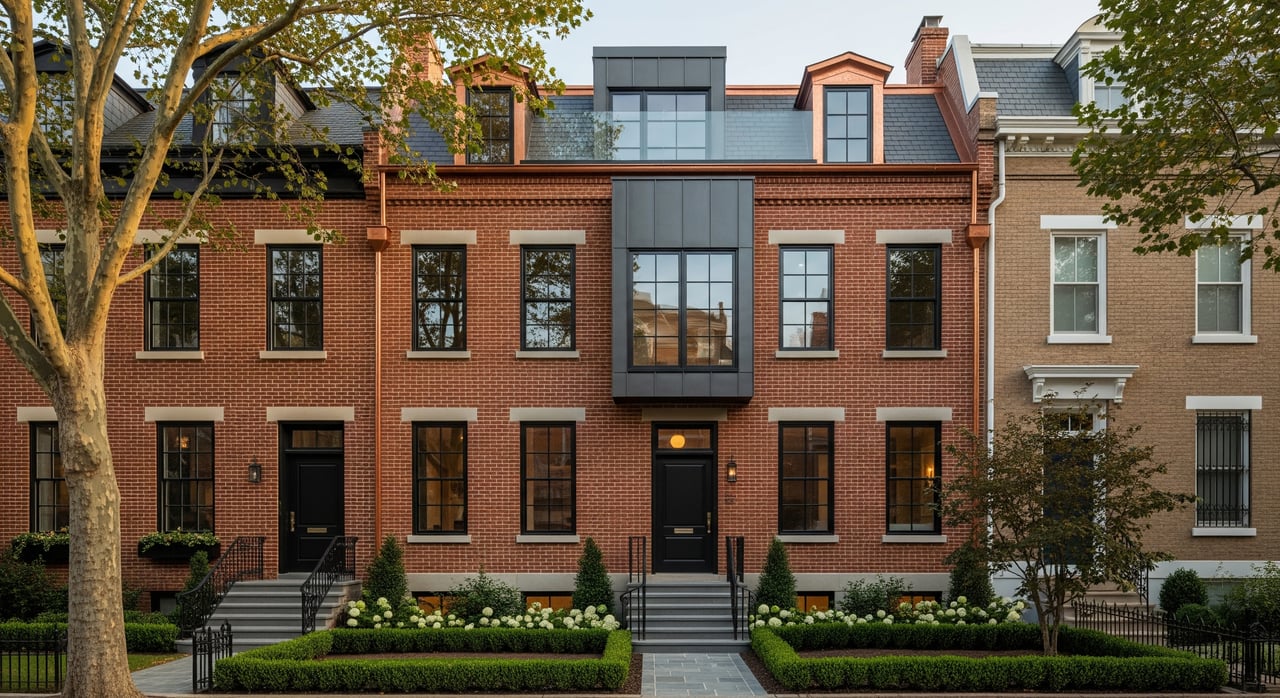
Trying to choose between a townhome and a single-family home in Damascus? The monthly mortgage is only part of the story. HOA fees, taxes, insurance, utilities, and long-term repairs can turn two similar listings into very different budgets. You want a clear, local-first answer that helps you plan with confidence. In this guide, you will learn how to compare the true cost to own in Damascus across monthly, 5-year, and 10-year horizons, plus what local factors like well and septic can mean for your wallet. Let’s dive in.
What “true cost to own” really includes
The true cost to own goes beyond principal and interest. Your comparison should include:
- Up-front and closing costs
- Mortgage principal and interest
- Property taxes and homeowner insurance
- HOA dues for townhomes
- Utilities, trash, and any septic or well service
- Routine maintenance and small repairs
- Major replacements over time, like roofs and HVAC
- Potential special assessments for HOAs
- Selling costs and net equity when you move
Building your model this way helps you avoid surprises and see how costs shift over time.
Townhome vs single-family: cost drivers in Damascus
Purchase and closing costs
- Townhomes often have lower purchase prices than similar-sized single-family homes. That can lower your down payment and mortgage costs.
- Both property types have closing costs, such as lender fees, title and recording fees, and Maryland and Montgomery County transfer and recordation taxes. Your lender and title company can estimate these before you write an offer.
- Plan for inspections. For homes on well and septic, include those inspections and potential repair reserves in your budget.
Monthly ownership costs
- Mortgage payment. Principal and interest based on loan amount, rate, and term.
- Property taxes. These are set by the county based on assessed value and tax class. Review the current assessment and any credits you may qualify for.
- Insurance. Single-family policies typically cost more than policies for townhome interiors if the HOA master policy covers the exterior. Always confirm coverage.
- HOA fees. Common for townhomes. Dues may cover exterior maintenance, snow and lawn for common areas, and amenities. Ask for the budget, reserve study, and recent meeting minutes.
- Utilities. Single-family homes usually have higher heating, cooling, and outdoor water use. Some Damascus properties are on well and septic, which changes your monthly mix.
- Maintenance. Budget for routine care and small fixes.
Maintenance and capital replacements
- A helpful rule of thumb is 1 to 3 percent of the purchase price per year for maintenance and repairs. Older homes and larger lots trend higher.
- Major systems have lifespans. Roofs often last 20 to 30 years, HVAC 15 to 25 years, water heaters 8 to 15 years, and septic systems 20 to 40 years depending on site conditions.
- Townhomes may shift part of these costs to the HOA. Single-family owners pay directly, so plan reserves accordingly.
Insurance and risk
- Townhome owners should confirm whether the HOA master policy is “bare walls” or more comprehensive. Your personal policy will fill the gaps.
- Check flood zone status before you buy. Flood insurance may be required in certain zones and will add to your annual costs.
Damascus factors that change the math
Public utilities vs well and septic
- Many Damascus homes have public water and sewer, but some are on private well and septic. This matters for inspections, routine service, and long-term replacement risk.
- If a property is on septic, budget for routine pumping and possible repairs. If it is on well, plan for pump or pressure tank replacement in long horizons.
Lot size, exterior care, and snow
- Single-family homes in Damascus often have larger yards. Expect higher costs for mowing, leaf cleanup, mulching, and snow removal if you do not DIY. Townhome HOAs may include snow and landscaping for common areas and sometimes for front yards.
Commute patterns and price stability
- Access to major commuter routes can influence demand and resale timing. In many markets, single-family homes with more land hold value well over long horizons, while townhomes capture strong entry-level demand. Your resale outlook will depend on property condition and neighborhood demand.
School assignment and demand
- School zones can influence buyer interest and marketability. Review Montgomery County Public Schools boundary information for context, and evaluate any specific preferences with your agent.
Build your monthly comparison in 10 minutes
Use this monthly structure for each property you are comparing:
- Mortgage principal and interest
- Mortgage insurance if your down payment is under 20 percent
- Property taxes divided by 12
- Homeowner insurance divided by 12
- HOA dues for townhomes
- Utilities estimate
- Maintenance reserve: annual maintenance budget divided by 12
- Replacement reserve: set aside for big-ticket items
- Other items such as lawn care, snow removal, or septic pumping
Add these lines to find your net monthly cost for each property. This is your apples-to-apples snapshot.
Project 5-year and 10-year totals
Extend your monthly view into a time horizon to see the bigger picture.
- Start with your yearly totals for each category.
- Add one-time replacements in the years you expect them.
- Track cumulative mortgage interest and principal paid to see equity build-up.
- Include an estimated sale price at year 5 or 10 and selling costs. Subtract your remaining loan balance to estimate net proceeds.
- Your net cost equals total outflows minus net equity at sale.
Transparent formulas you can use
- Monthly mortgage payment: standard amortization based on loan amount, interest rate, and term. Your lender can provide the exact figure.
- Annual maintenance budget = purchase price × maintenance percentage. For example, $500,000 × 1.5 percent = $7,500 per year.
- Replacement reserve monthly = estimated replacement cost ÷ years to replacement ÷ 12.
- Net cost over N years = sum of all annual outflows (mortgage interest + property taxes + insurance + HOA + maintenance + utilities + major replacements + selling costs) − net equity (sale proceeds − remaining mortgage balance).
Quick side-by-side cost differences
Use this table as a starting point. Always verify the HOA’s exact coverage and the home’s actual condition.
| Cost category | Townhome | Single-family |
|---|---|---|
| HOA dues | Yes, monthly or quarterly. May include exterior coverage, landscaping for common areas, snow, and amenities. | Rare, unless in a planned community with limited services. |
| Exterior maintenance | Often shared or covered in part by HOA. Confirm roof and siding coverage. | Owner responsibility for roof, siding, gutters, driveway, and exterior paint. |
| Insurance | Often a smaller interior policy if the master policy covers the structure. | Full dwelling coverage, typically higher annual premium. |
| Yard care and snow | Often reduced or included for common areas. | Owner pays or DIY. Larger lots increase cost. |
| Special assessments | Possible if reserves are low or major projects arise. | Not applicable, but large repairs are direct owner costs. |
| Utilities | Often slightly lower due to shared walls and smaller yard watering. | Often higher for heating, cooling, and outdoor water use. |
| Flexibility | HOA rules may limit rentals and exterior changes. | More freedom for rentals and renovations, subject to county rules. |
When each option can be the better fit
A townhome can be smart if
- You value a lower up-front price and smaller monthly costs.
- You prefer having some exterior items handled through the HOA.
- You want a simpler maintenance profile and are comfortable with HOA rules.
A single-family can be smart if
- You want more land, privacy, and flexibility for projects or additions.
- You plan to hold longer and want exposure to land value over time.
- You are comfortable managing yard work and bigger system replacements.
What to collect before you decide
Gather this information for each property to build a precise, local model:
- Recent sales and the listing price for context
- Parcel records and the most recent property tax bill
- HOA packet for townhomes: bylaws, budget, reserve study, insurance certificates, meeting minutes, and rental rules
- Twelve months of utility bills if available
- Seller disclosures and inspection reports, plus septic and well inspections where applicable
- Flood zone status for the parcel
- Permit history and list of recent improvements
- Your projected closing costs and your exit plan timeline
Ready for a clear, local comparison?
If you want a Damascus-specific model for two active listings, I will help you pull HOA documents, recent tax bills, and utility estimates, then build a side-by-side monthly, 5-year, and 10-year view. You will see exactly how HOA coverage, well or septic, and likely replacements affect your budget. Reach out to Gerly Oden for a focused consult and a clear next step.
FAQs
What costs make townhomes different from single-family homes in Damascus?
- Townhomes add HOA dues and potential special assessments, while single-family homes shift more exterior and yard costs directly to you.
How much should I budget for home maintenance each year in Damascus?
- A common starting point is 1 to 3 percent of the purchase price per year, with older or larger-lot homes trending higher.
What do townhome HOA fees often cover?
- Many HOAs fund exterior work, common area landscaping, snow removal, and amenities, but coverage varies, so review the budget and reserve study.
How do insurance needs differ between townhomes and single-family homes?
- Townhome owners often carry interior policies that complement the HOA’s master policy, while single-family owners insure the full structure.
What are the risks of special HOA assessments in Damascus?
- If reserves are low or major projects arise, HOAs can levy special assessments. Review the reserve study, recent minutes, and project history.
How do I compare two specific listings accurately?
- Collect HOA documents, recent tax bills, 12 months of utilities, inspection reports, flood status, and permit history, then run monthly and 5 to 10-year models.