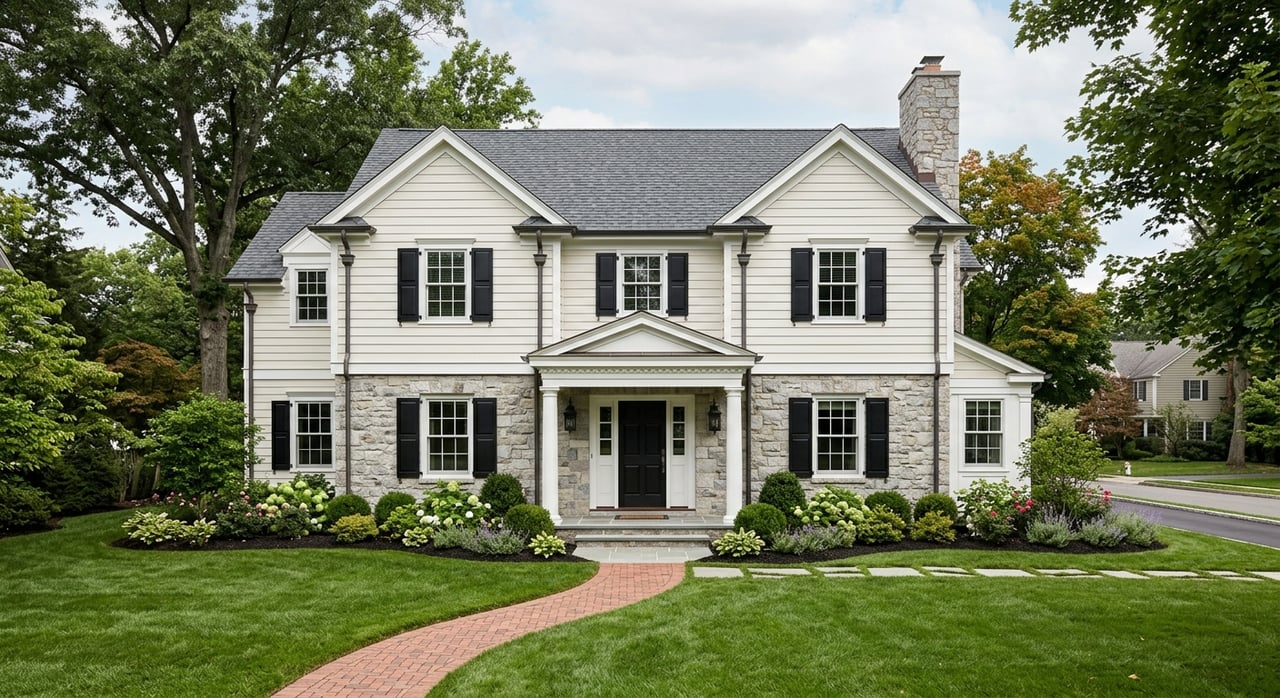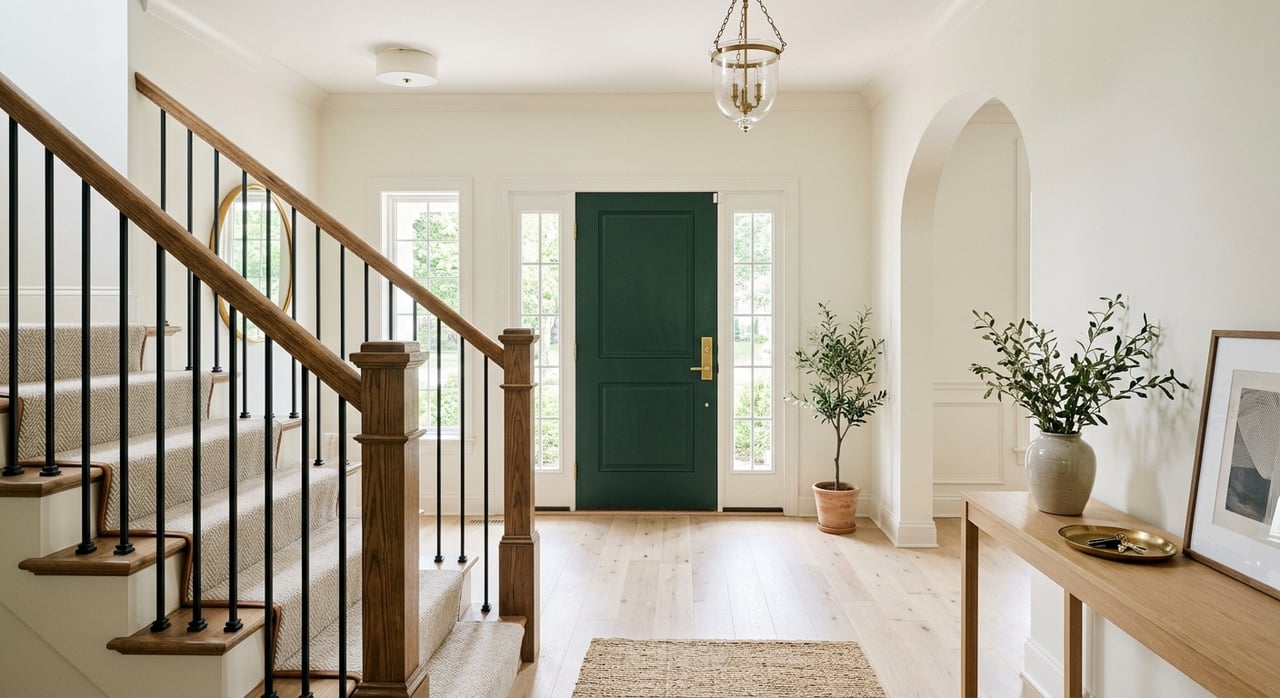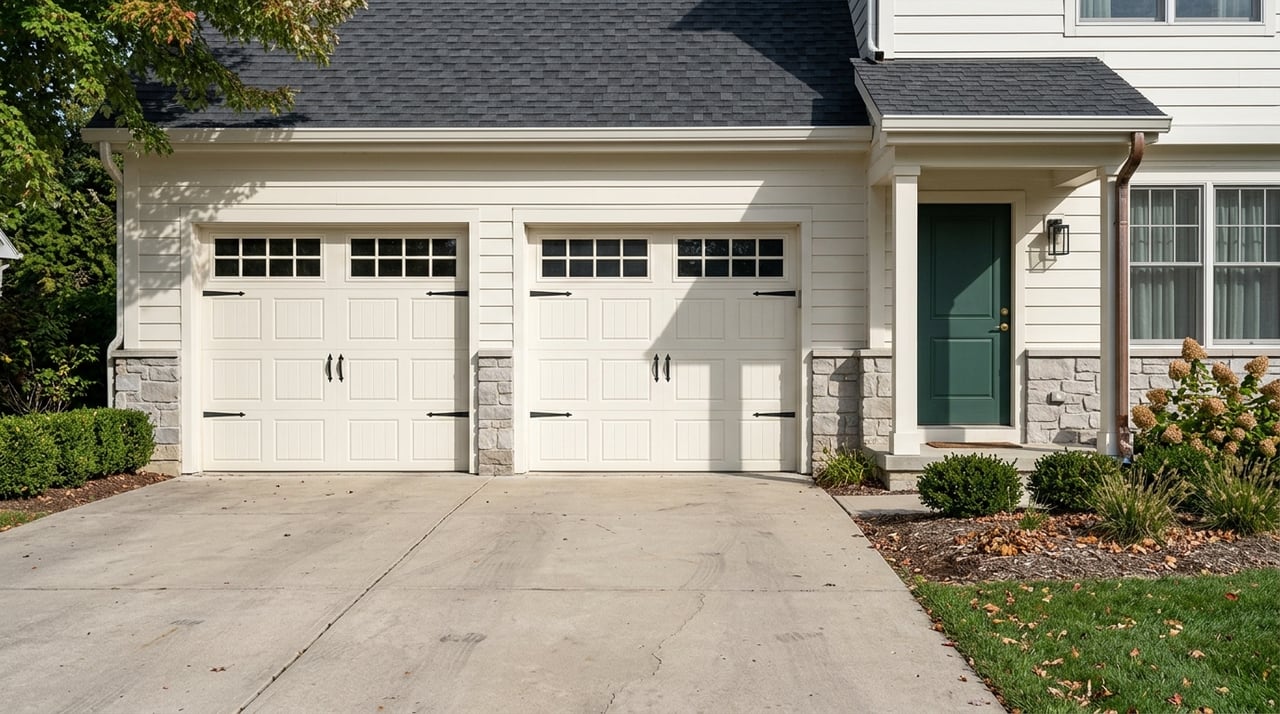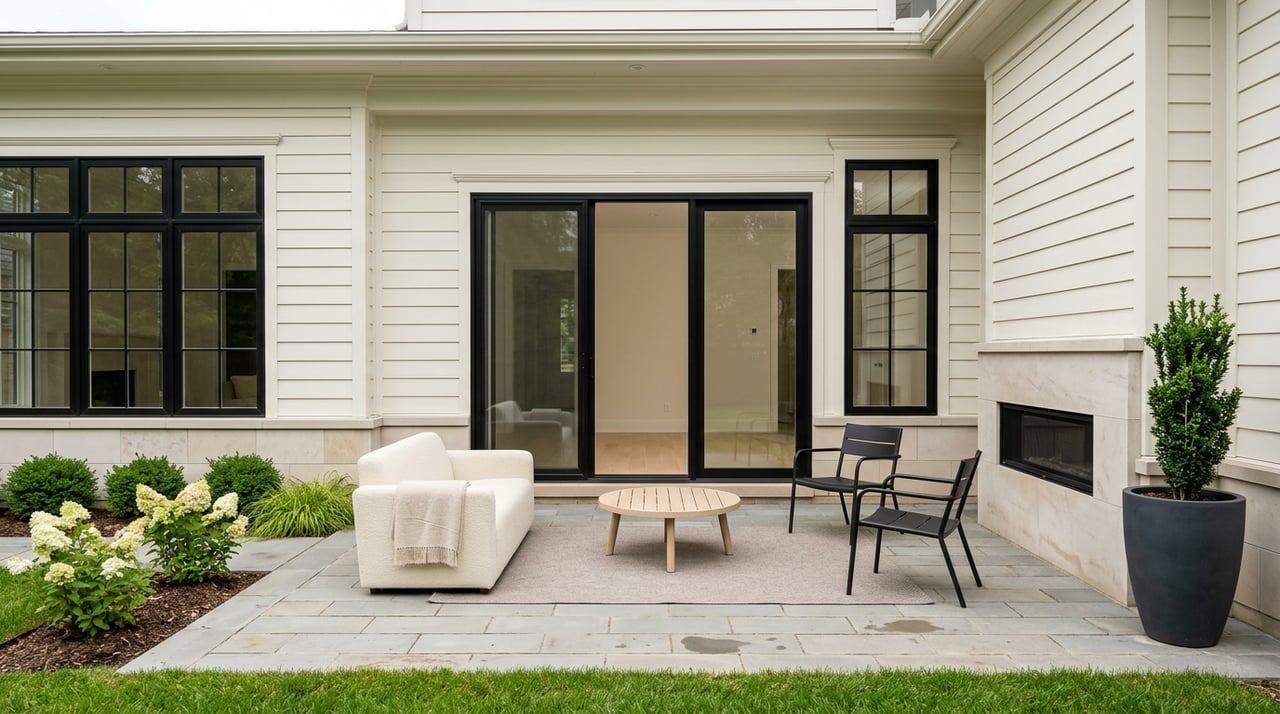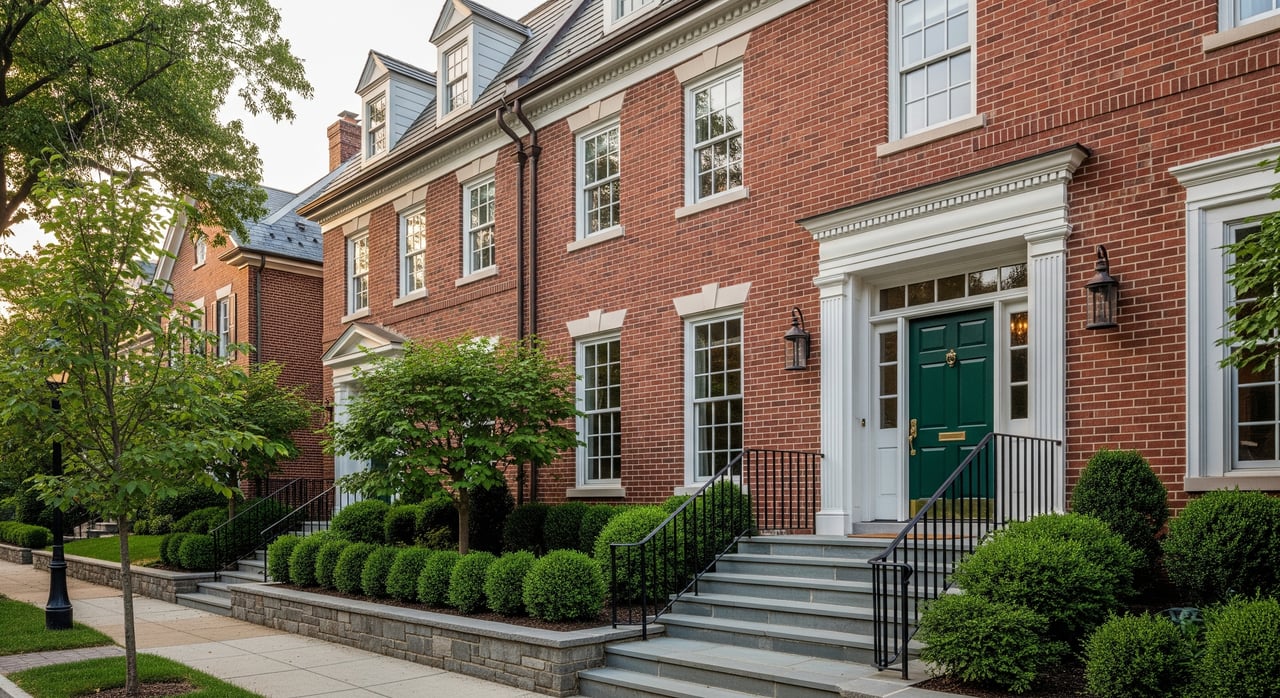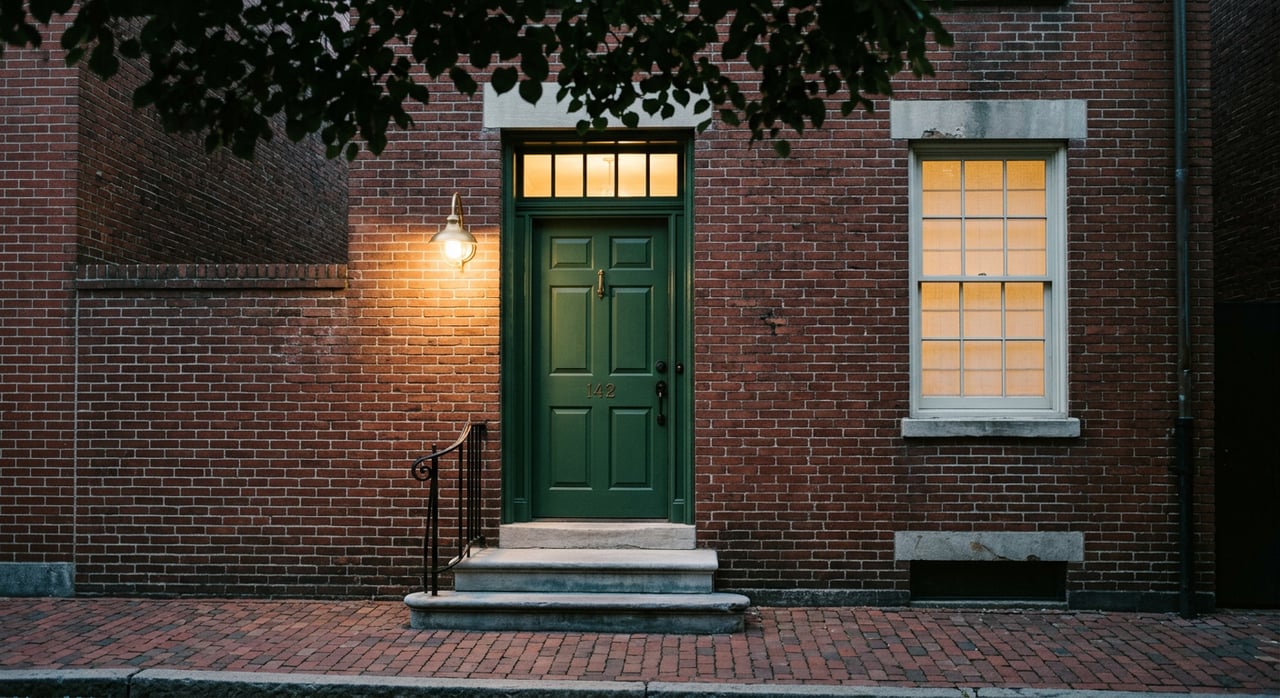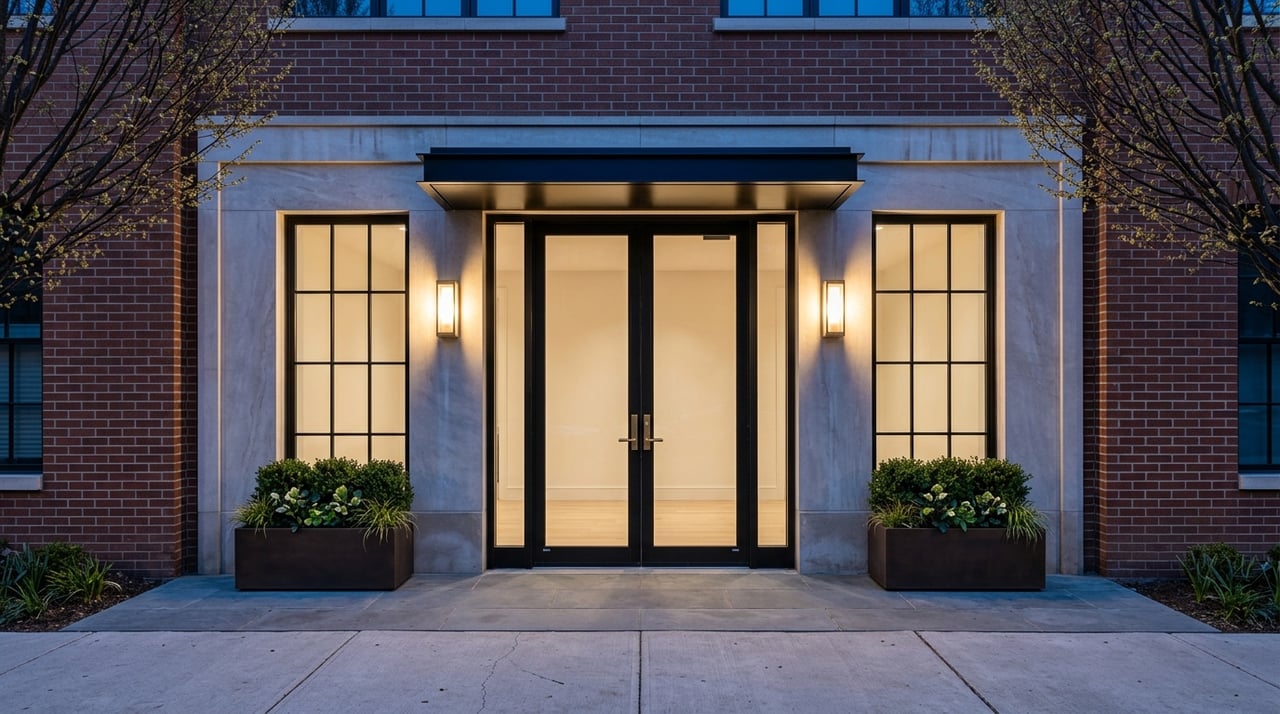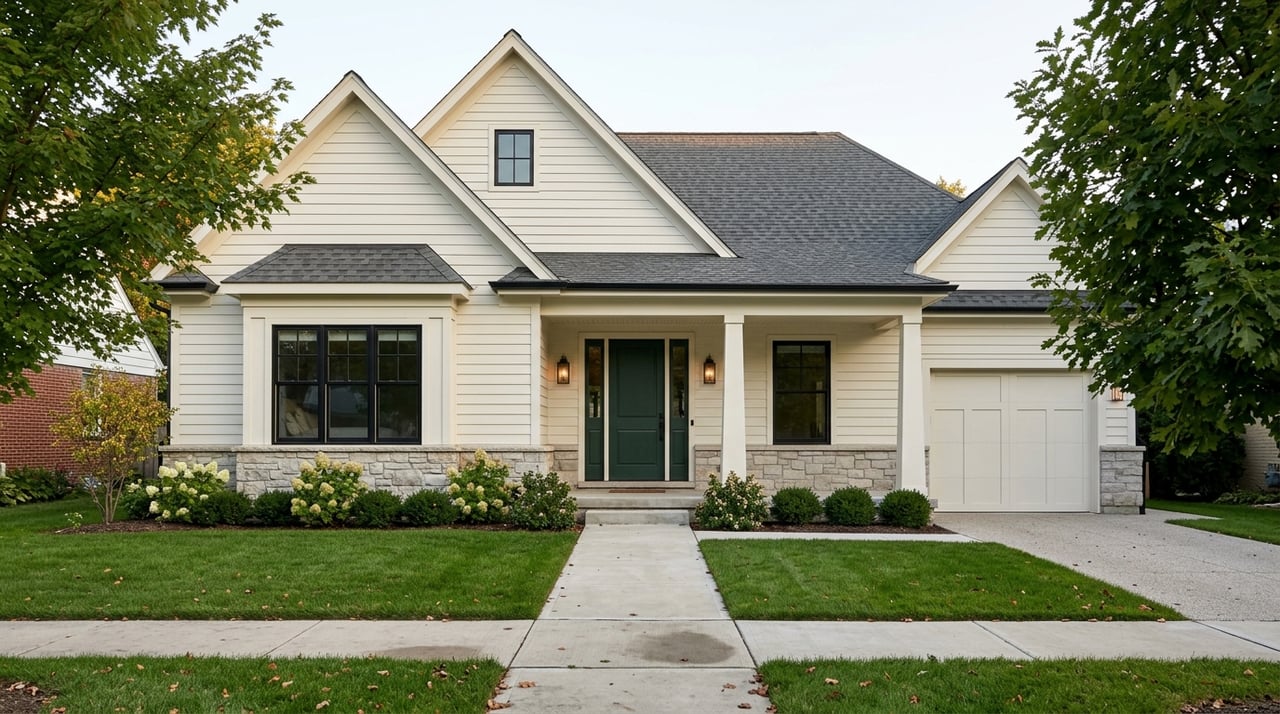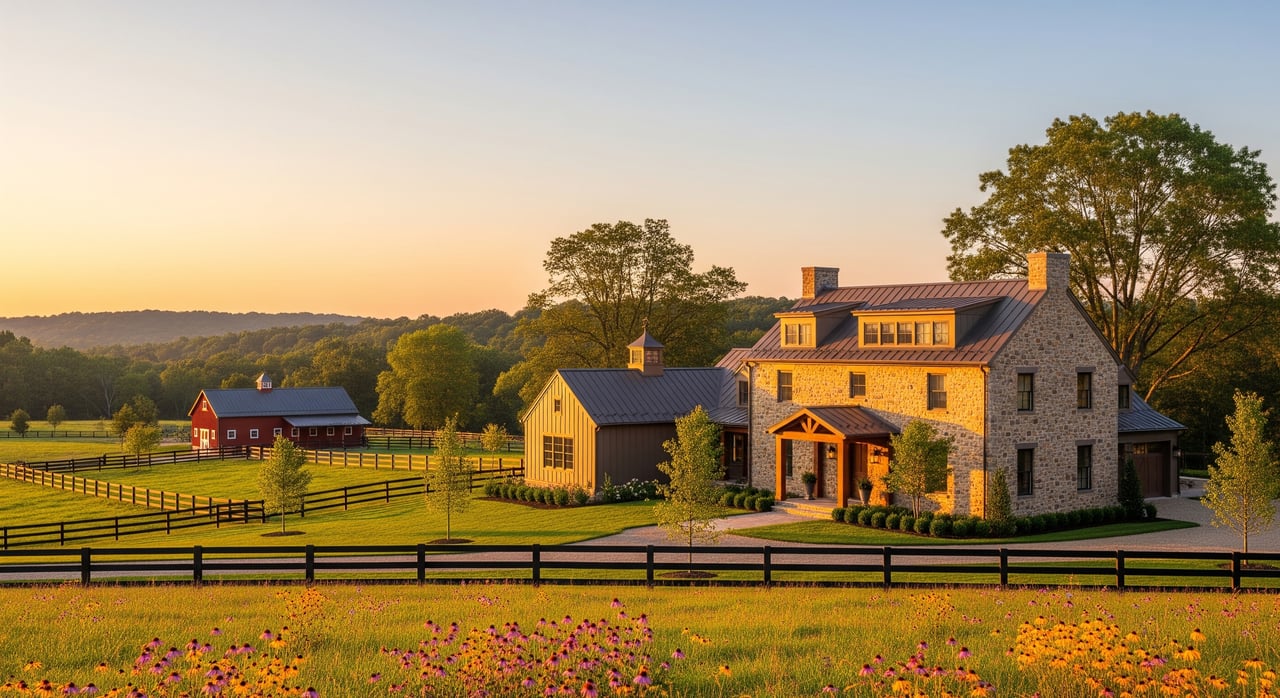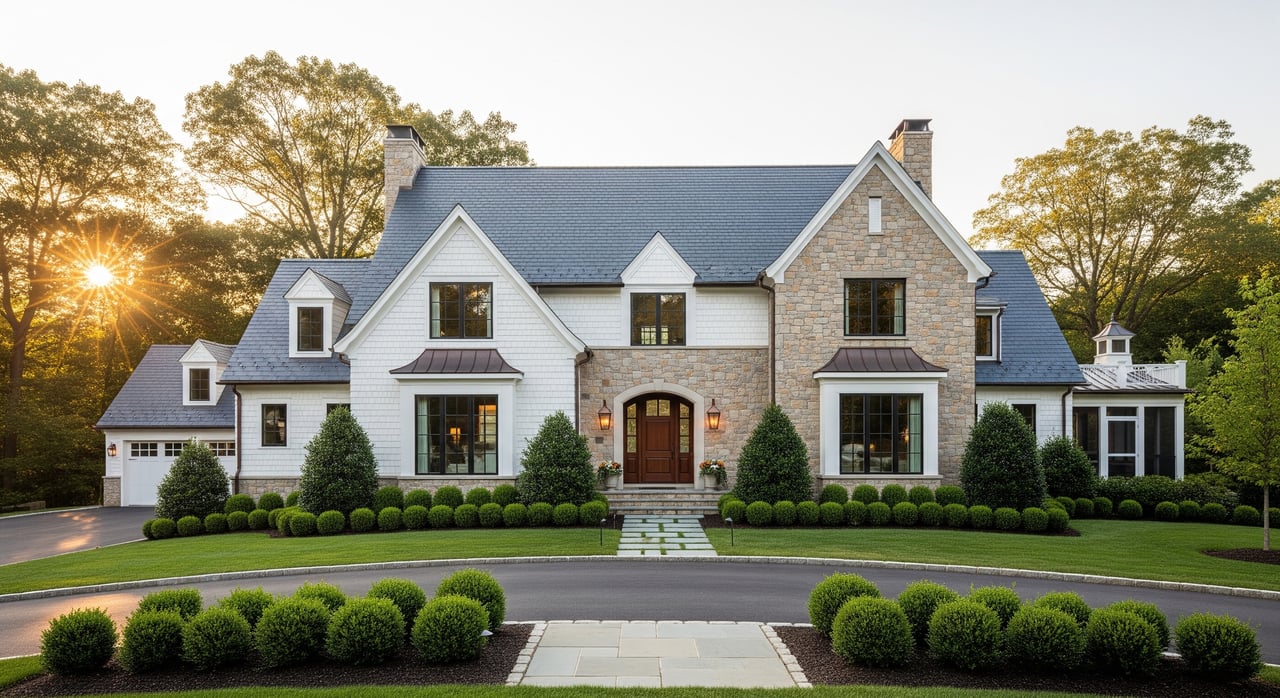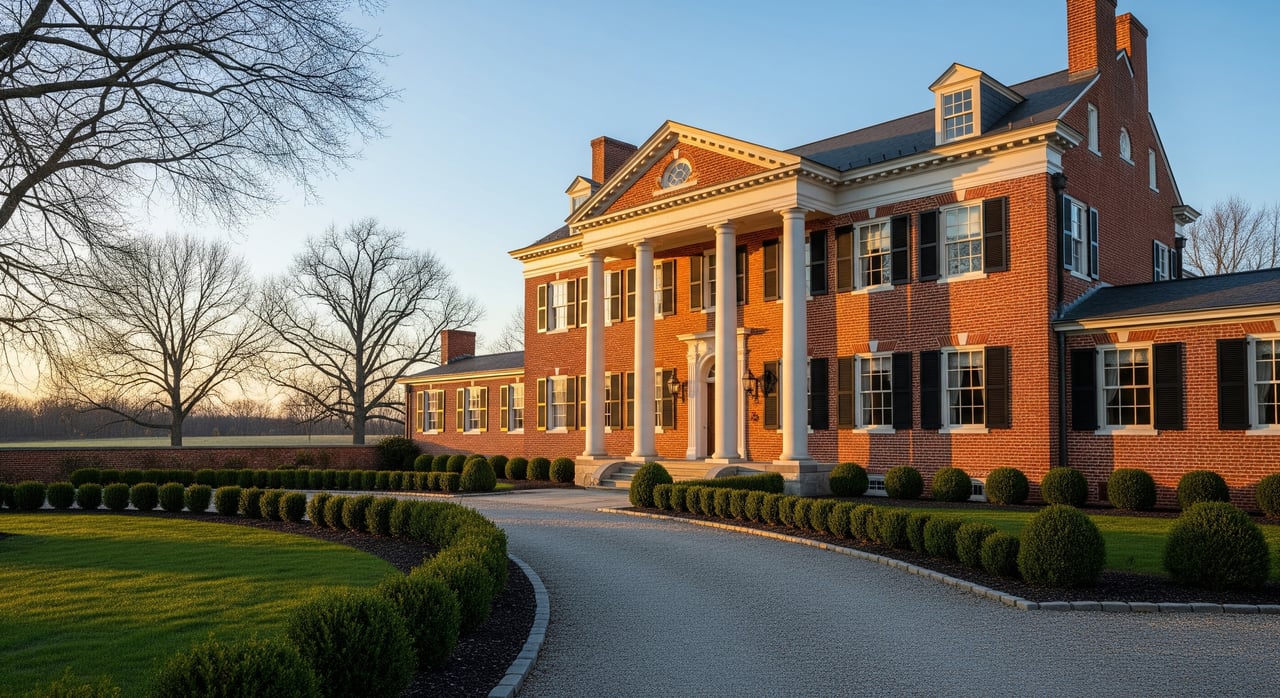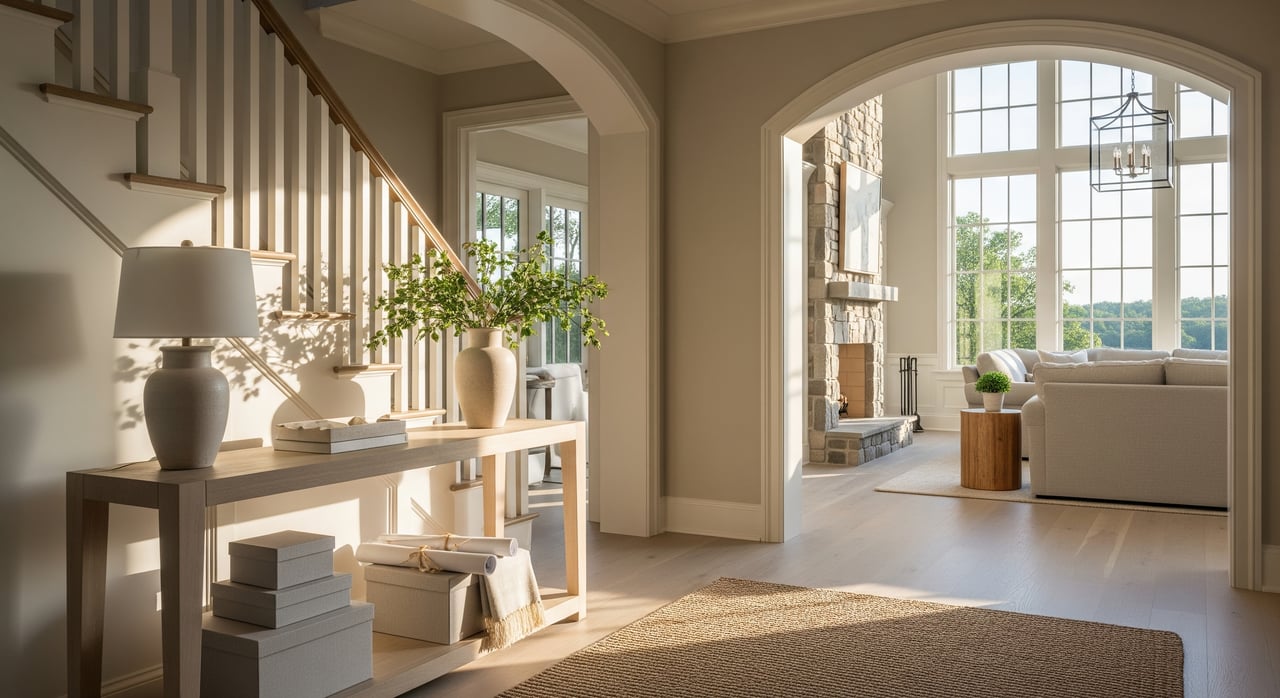
Thinking about buying a brand-new home in Frederick? You are not alone. New construction communities in Frederick continue to draw buyers who want modern layouts, updated finishes, and neighborhood amenities, but the process can feel very different from buying a resale home. In this guide, you will learn what kinds of new construction communities you are likely to find in Frederick, what costs and approvals can affect your purchase, and which questions can help you move forward with confidence. Let’s dive in.
Why Frederick draws new construction buyers
Frederick County continues to add housing near existing infrastructure, employment centers, and transit corridors. That matters if you want a home that connects well to everyday life, whether you are thinking about commuting, errands, or access to services.
The county’s 2026 Housing Needs Assessment says Frederick County will need 31,853 new housing units by 2035. The county’s housing pipeline snapshot showed 14,078 units as of June 30, 2025, with 52% in the City of Frederick, 32% in unincorporated Frederick County, and 16% in other municipalities. For you as a buyer, that often means city projects may lean more toward infill and multifamily development, while county locations may offer more detached homes and attached-home options.
Types of new construction communities in Frederick
Frederick-area new construction is not one-size-fits-all. You will see several community styles, each with a different feel, home type mix, and maintenance level.
Master-planned communities
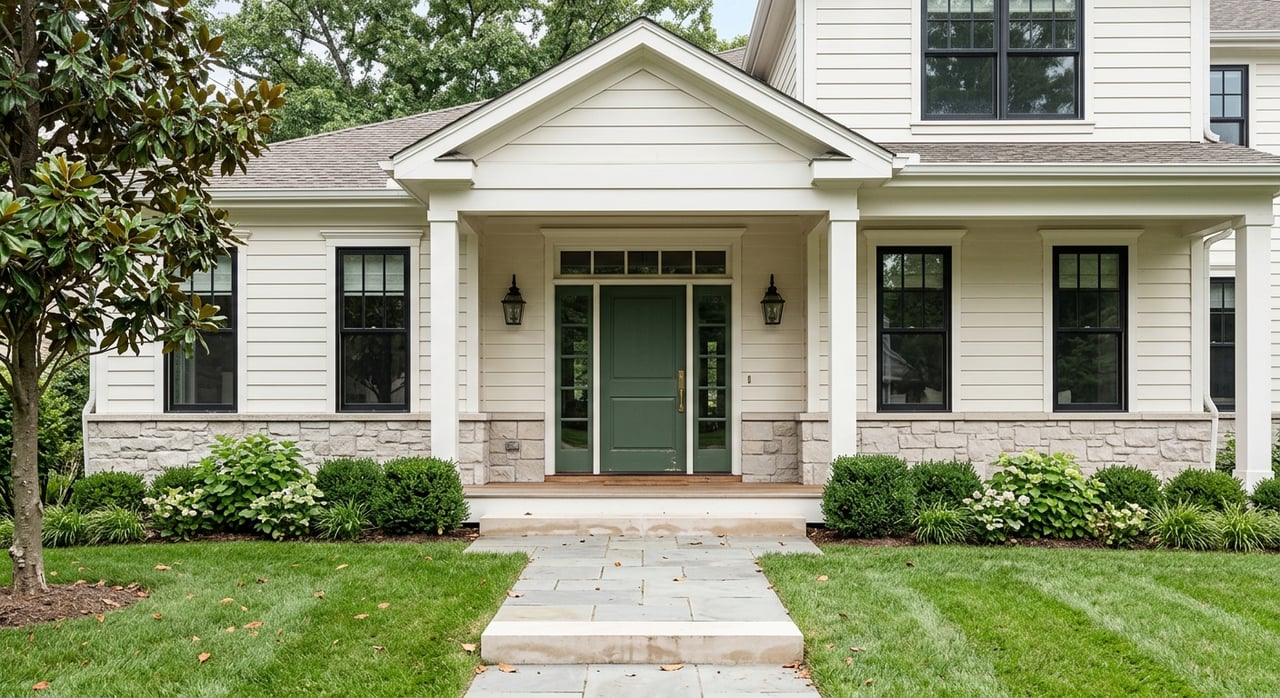
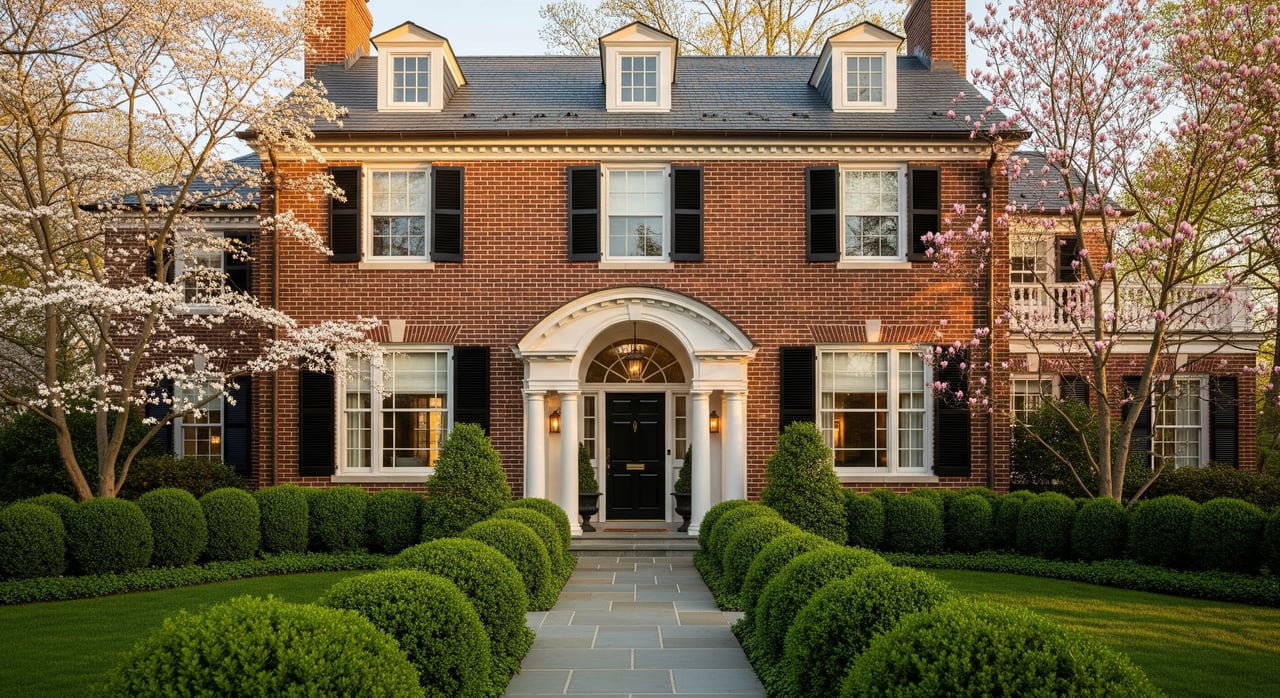
Large master-planned communities are some of the most visible new construction options in the Frederick area. These neighborhoods often include a mix of home types plus shared amenities, trails, open space, and design standards that shape the overall look of the community.
Villages of Urbana is one example, with more than 4,100 homes, parks and open space, clubhouses with pools and tennis courts, trails, new schools, and a market district. Its final village includes townhomes, showing how these larger communities can offer options for different stages of life and household needs.
Single-family, townhome, and villa options
If you want more variety in floor plans, Frederick’s new construction market offers that too. Brunswick Crossing includes new single-family homes, villas, and main-level living options, with villas marketed as two-level homes of about 2,000 to 3,500 square feet and up to five bedrooms.
This kind of range can be helpful if you are comparing how much space you need now versus later. In many planned communities, you may find attached and detached homes side by side, with amenities like pools, fitness facilities, dog parks, community gardens, and trail systems included through the neighborhood setup.
Active adult and low-maintenance communities
Some buyers want less upkeep and easier daily living. Frederick also has communities designed around main-level living and lower-maintenance ownership.
Woodlands of Urbana is a 55+ community focused on main-level living and amenities. Bloomfields 55+ also emphasizes low-maintenance living, with lawn and snow care included. If you want a more simplified routine, these features can be just as important as square footage.
What home features are common in Frederick new builds
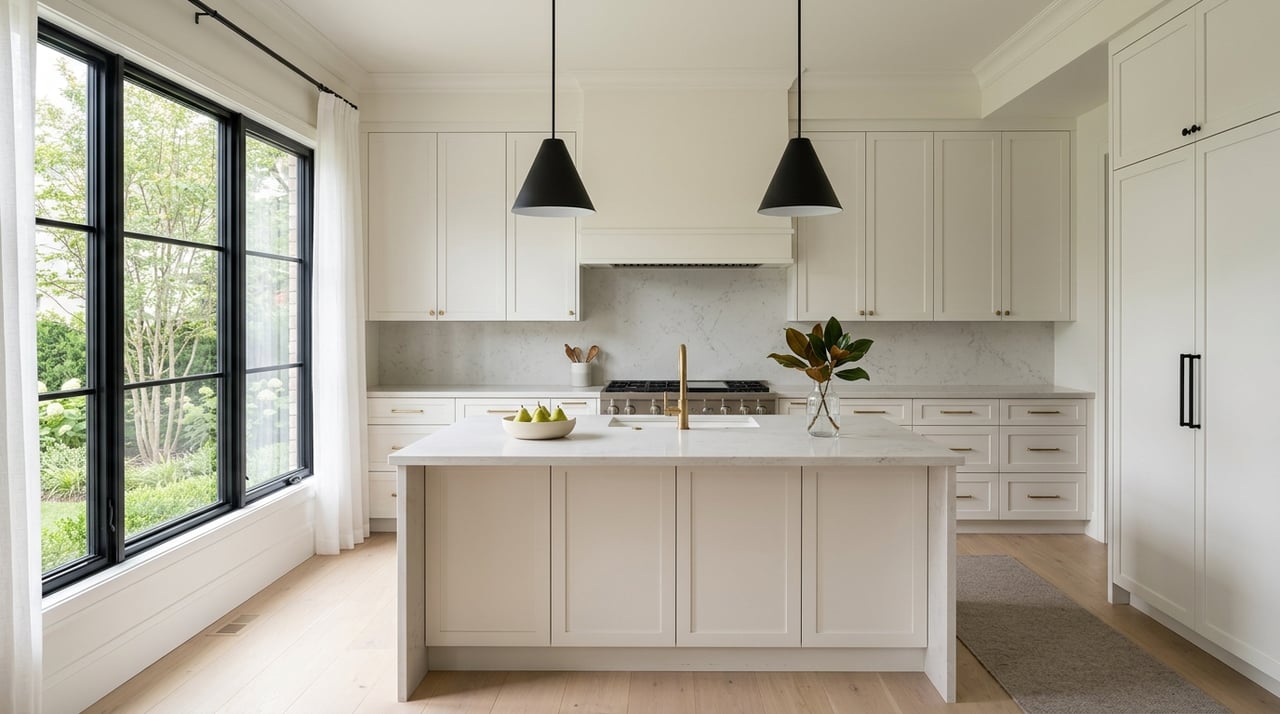
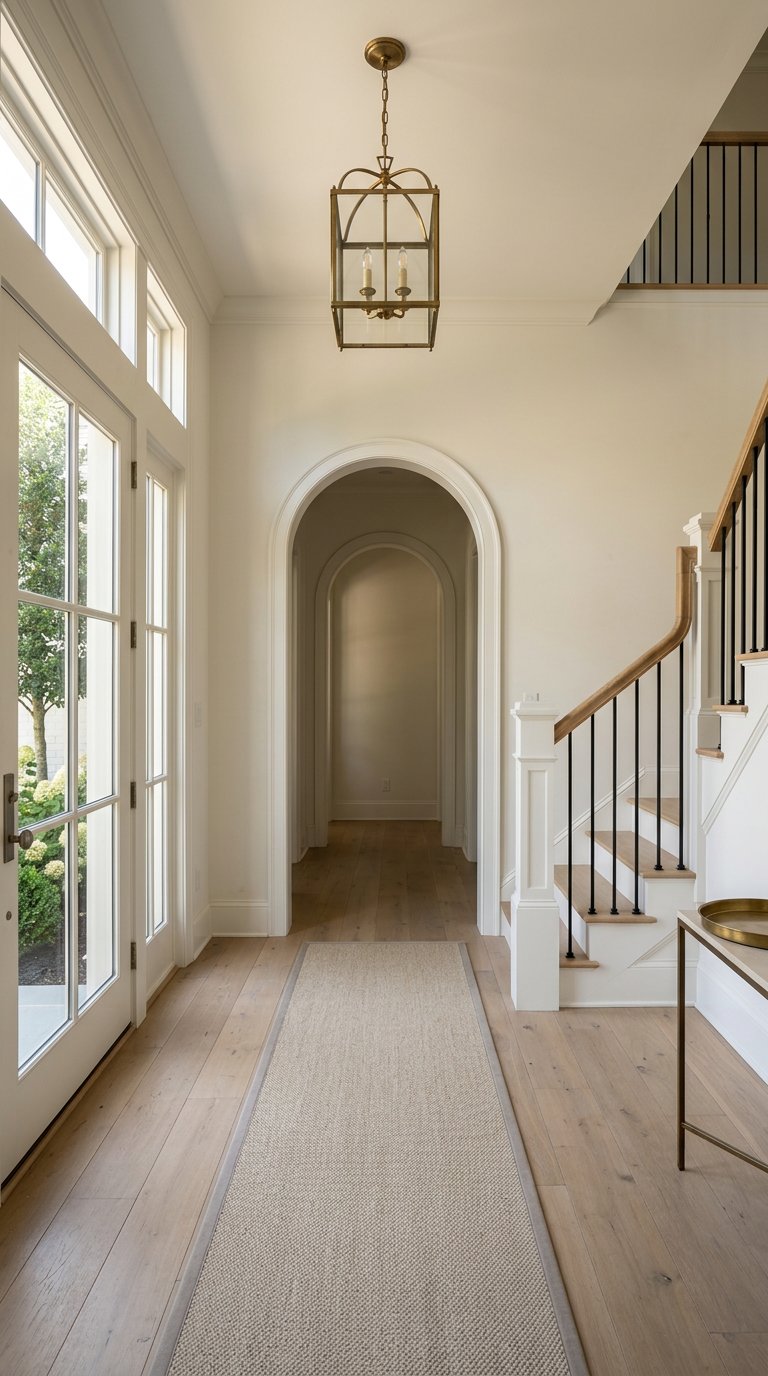
Many new homes in Frederick reflect how buyers live today. Common features include open-concept layouts, main-level living, first-floor primary suites, loft spaces, attached villas, and low-maintenance packages.
In larger planned neighborhoods, those floor plans are often paired with HOA-managed amenities such as pools, trails, fitness spaces, and community gathering areas. You may also see architectural guidelines that create a more consistent streetscape throughout the neighborhood.
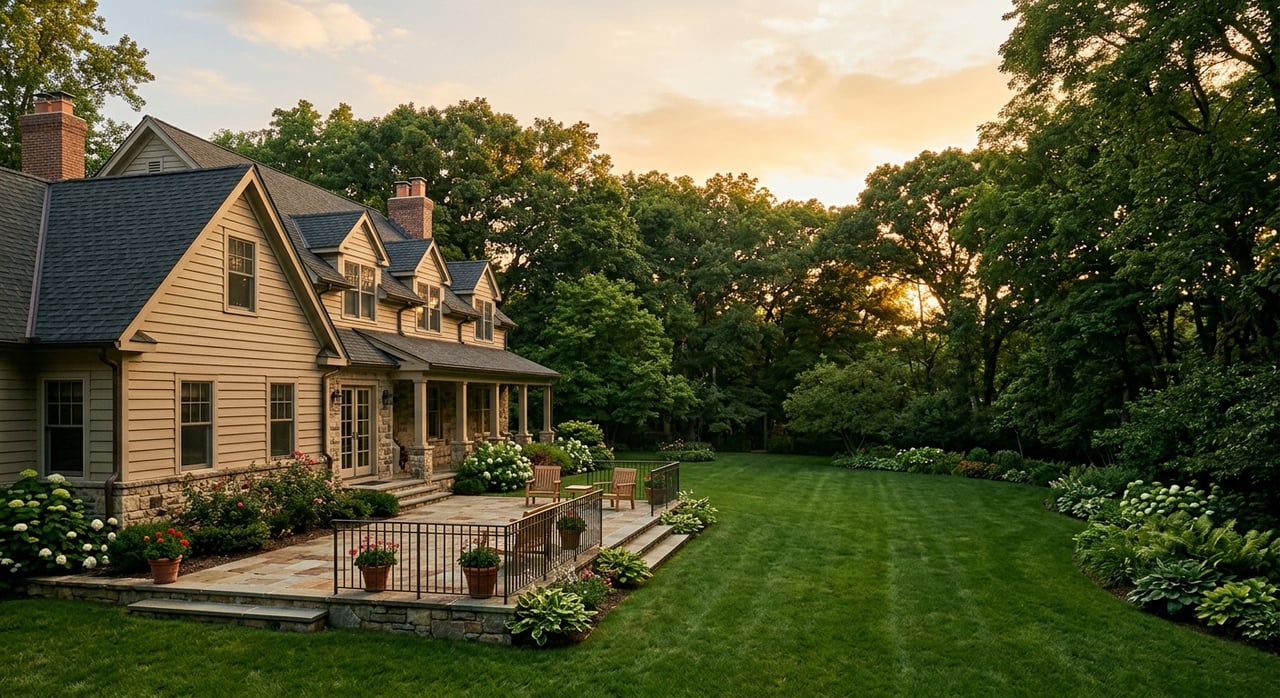
Lot size can vary depending on where you buy. Based on the county pipeline and current community examples, master-planned areas may trend toward smaller, more efficient lots, while more peripheral county parcels may still support larger detached homes.
City versus county locations
Location affects more than your commute. In Frederick, it can also shape the type of development, utility setup, and approval process tied to the home you buy.
Homes in the City of Frederick
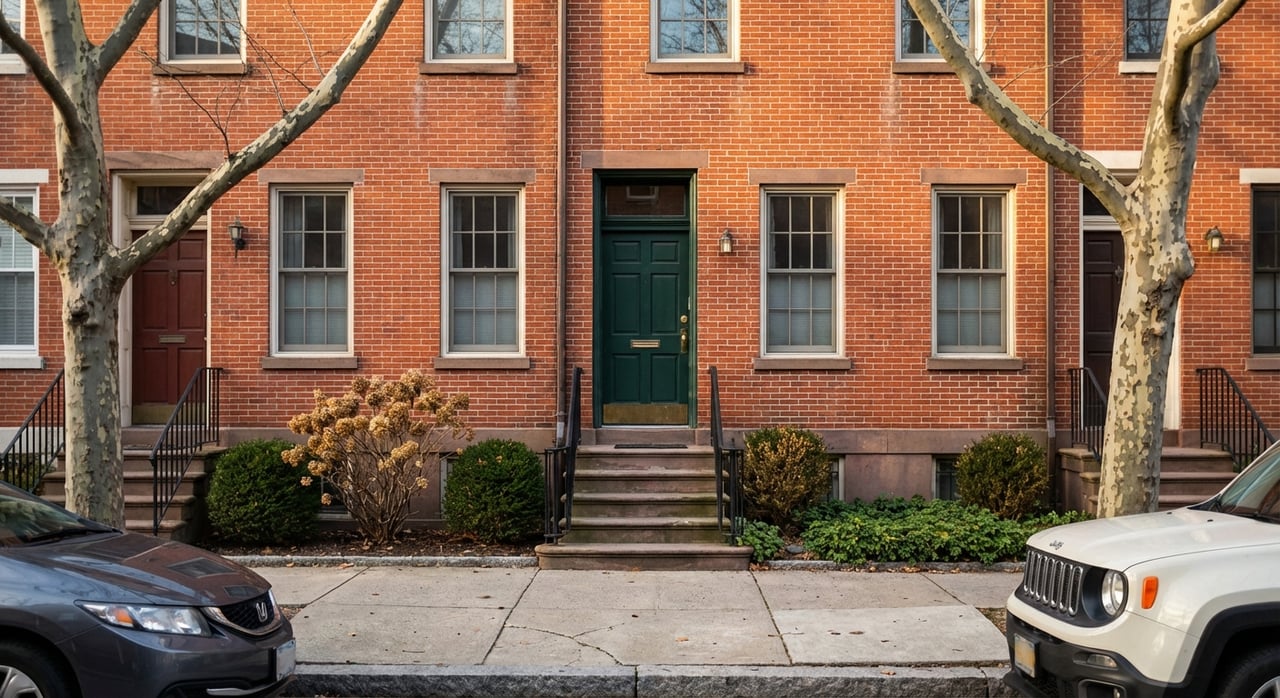
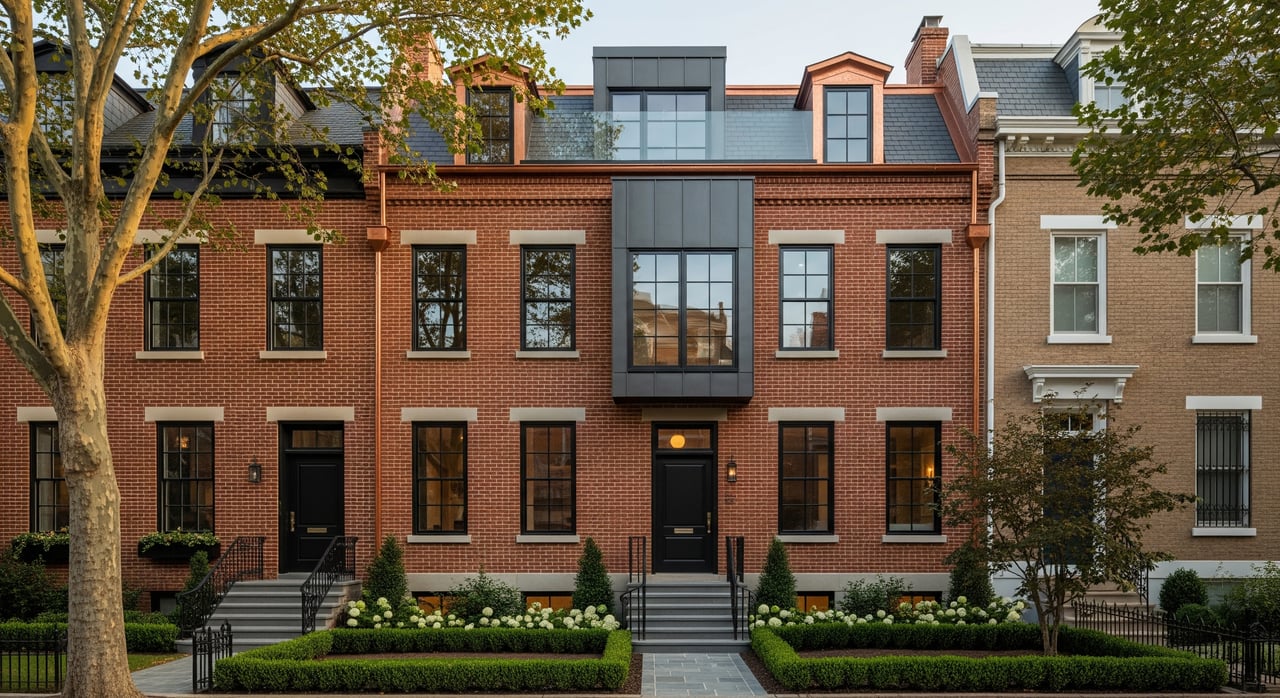
Because a large share of the county pipeline sits in the City of Frederick, city buyers may see more infill-style or multifamily-oriented development. City permitting is handled online, and the City of Frederick says permits are typically issued within five business days after reviews are complete and fees are paid. The city also offers same-day one-stop permitting on Tuesdays.
For some buyers, a city location may mean public utility connections and a more centralized setting. It can also mean separate city-related charges for items like water, sewer, and parks on certain project types, in addition to county fees.
Homes in unincorporated or edge-of-county areas
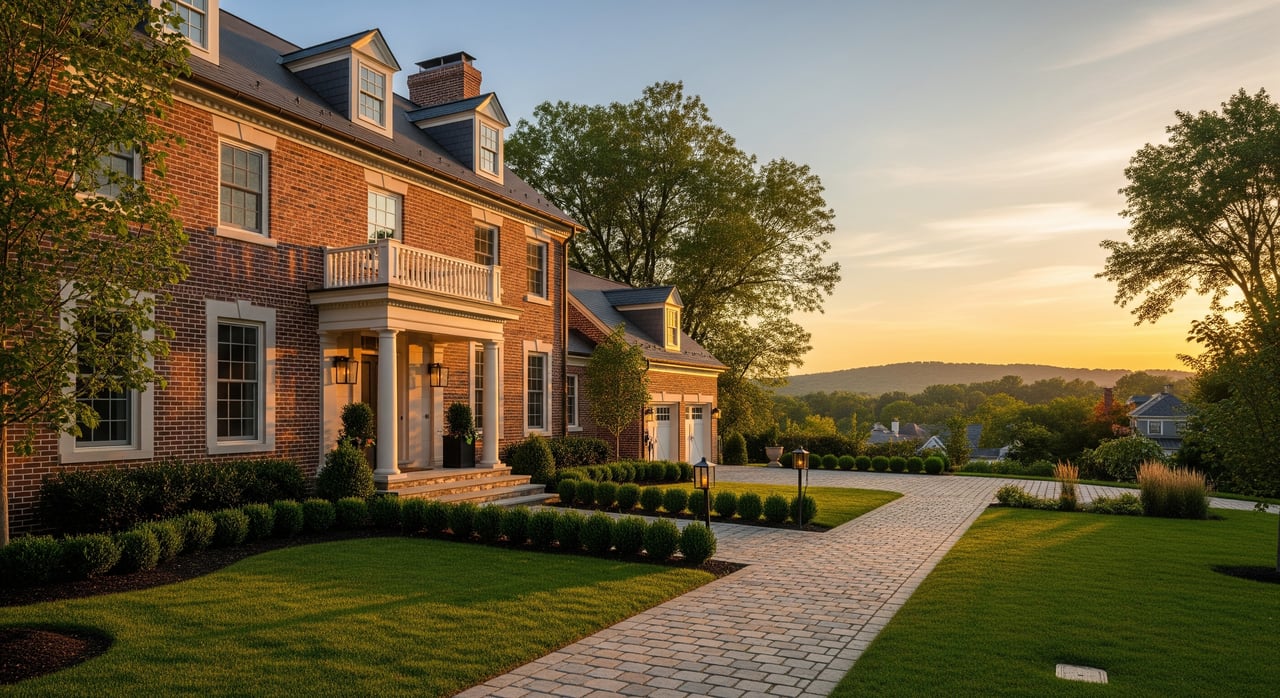
County and edge locations can bring a different set of considerations. These areas may offer more detached-home and attached-home opportunities, but some lots may involve well and septic instead of public utilities.
If you are looking at a more rural or edge-of-county property, utility questions become especially important. The Frederick County Health Department says every new home permit gets a site visit, septic properties need a licensed septic installer named at application, wells must be drilled and approved before permit approval, and foundations must stay at least 30 feet from a well.
What local rules can affect your purchase
Behind every new construction community is a local approval process. Frederick County identifies zoning, subdivision, APFO, forest resource, and MPDU ordinances as core rules that govern planning and new development.
County development review handles site plans, subdivision plans, forest conservation plans, and APFO applications. These steps happen before a buyer gets involved at the contract stage, but they still matter because they influence timing, layout, infrastructure, and what gets built where.
It is also worth knowing that Frederick County’s MPDU page currently says it is not accepting applications because no MPDU units are being developed right now. If affordability programs are part of your search, that is an important detail to verify early.
Costs buyers should ask about upfront
The base price is only part of the picture with new construction. You will want a clear breakdown of builder pricing, upgrades, lot premiums, and any local fees that may affect your total cost.
Frederick County impact fees must be paid before a building permit or zoning certificate is issued. For FY26, county school impact fees are $18,463 for a single-family detached home and $21,227 for a townhouse or duplex, plus $945 and $860 respectively for library impact fees.
Those are significant numbers, and buyers should not assume who is paying them. The City of Frederick’s townhouse permit information also shows separate water, sewer, and park charges on top of county impact fees, so it is smart to confirm which jurisdiction applies and whether the home will connect to public utilities or rely on well and septic.
What to know before signing a builder contract
A new construction contract is not the same as a resale contract. In Maryland, builders must register before entering into contracts for new homes, and the state consumer pamphlet must be provided before you sign.
The Maryland Attorney General’s consumer guide says the contract should clearly spell out:
- plans and specifications
- purchase price
- completion date
- default provisions
- notice procedures
- dispute-resolution terms
- warranties
- when substitutions in materials may happen
If anything changes, written changes should be signed by both parties. That helps protect you from confusion later, especially around finishes, floor plans, or timing.
Deposits and financing terms
Deposits deserve careful attention. The Maryland consumer guide warns that many default clauses allow the builder to keep the deposit if the buyer fails to settle.
The same guide also says new-home contracts are generally financing contingent unless the contract says otherwise. That is a key reason to read the financing language closely and ask questions before you commit.
Builder deposits in Maryland are protected by escrow, or by a surety bond or irrevocable letter of credit. Even with those protections, you should still understand exactly when your deposit is at risk and what events trigger default.
Warranty coverage and final walkthrough
Warranty terms matter because a brand-new home can still have items that need attention after construction wraps up. If a third-party warranty plan is used, Maryland requires at least 1 year for materials and workmanship, 2 years for systems, and 5 years for load-bearing structural elements.
You should also receive the warranty details, terms, and conditions at the time of purchase or signing. Before settlement, complete a final walkthrough and create a punch list so unfinished or corrective items are documented.
Smart questions to ask a builder in Frederick
When you tour new construction communities in Frederick, bring a short list of practical questions. The answers can help you compare communities more clearly and avoid surprises later.
Ask questions like these:
- What features are standard, and what counts as an upgrade?
- Is the lot premium fixed?
- Who pays the impact fees?
- Is the home on public water and sewer, or well and septic?
- What does the completion-date delay language say?
- What warranty coverage is included?
- How will the final walkthrough and punch list be handled?
These are not small details. They can affect your timeline, your budget, and how satisfied you feel after closing.
How to choose the right Frederick community
The best new construction community for you depends on your priorities. Some buyers want amenities and a neighborhood feel. Others care more about lot size, home layout, or lower-maintenance living.
As you compare options, focus on the factors that shape your day-to-day experience:
- home type and floor plan
- maintenance level
- amenity package
- utility setup
- lot size
- timing for delivery
- total cost beyond base price
- city versus county location
If you are relocating, upsizing, or trying to balance budget with long-term comfort, a side-by-side comparison can make the decision much easier. This is where having local guidance can save time and help you ask the right questions before you get too far down the road.
Buying new construction in Frederick can be exciting, but it also comes with more moving parts than many buyers expect. From community type and lot setup to fees, contract terms, and local approvals, the details matter. If you want a clear, concierge-style approach as you compare Frederick new construction communities, Gerly Oden can help you navigate the options and move forward with confidence.
FAQs
What types of new construction communities are available in Frederick?
- Frederick offers master-planned communities, single-family home neighborhoods, townhome communities, villa options, and 55+ low-maintenance communities.
What should buyers know about Frederick new construction fees?
- In addition to the home price, you may need to ask about county impact fees, possible city water, sewer, and park charges, lot premiums, and upgrade costs.
What should buyers ask about utilities in Frederick new builds?
- You should confirm whether the home uses public water and sewer or a well and septic system, especially for rural or edge-of-county locations.
What does a Maryland new construction contract usually include?
- A Maryland new-home contract should spell out plans and specifications, price, completion date, default terms, notice procedures, dispute-resolution terms, warranties, and any rules for material substitutions.
What warranty protection comes with a new construction home in Maryland?
- If a third-party warranty plan is used, Maryland requires at least 1 year for materials and workmanship, 2 years for systems, and 5 years for load-bearing structural elements.
What makes Frederick attractive for new construction buyers?
- Frederick continues to add housing near infrastructure, employment centers, and transit corridors, and buyers can find a wide mix of community types and home styles across the area.