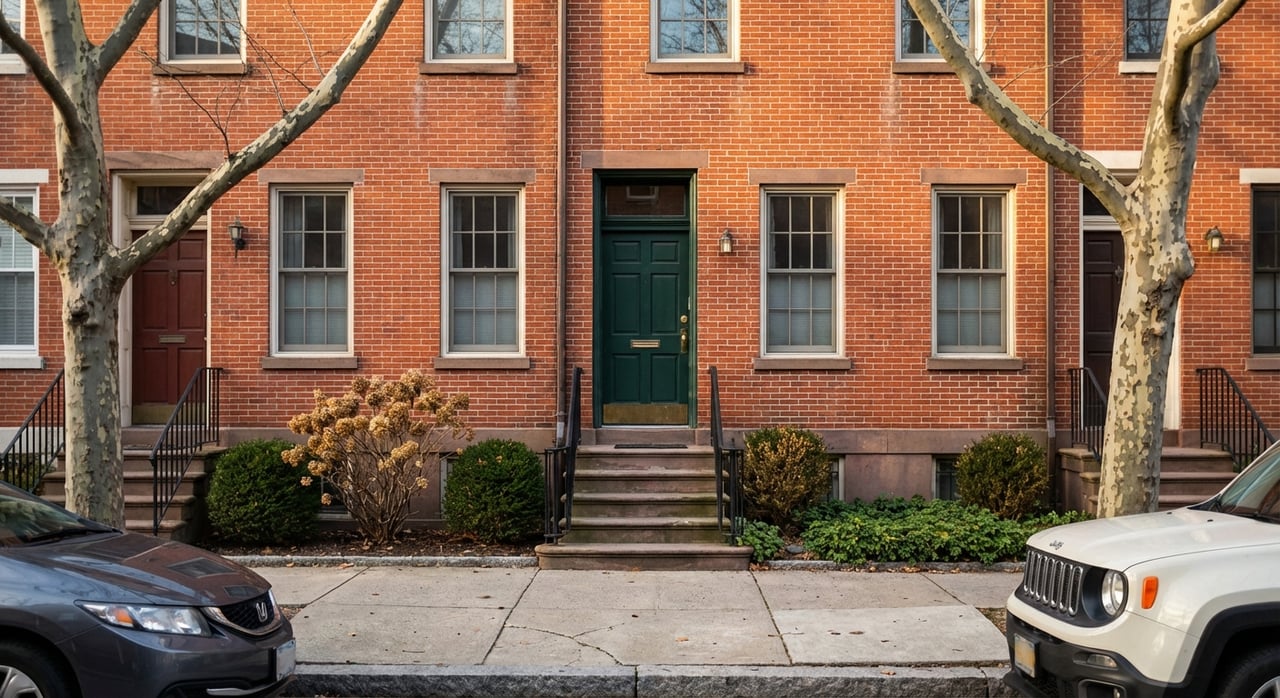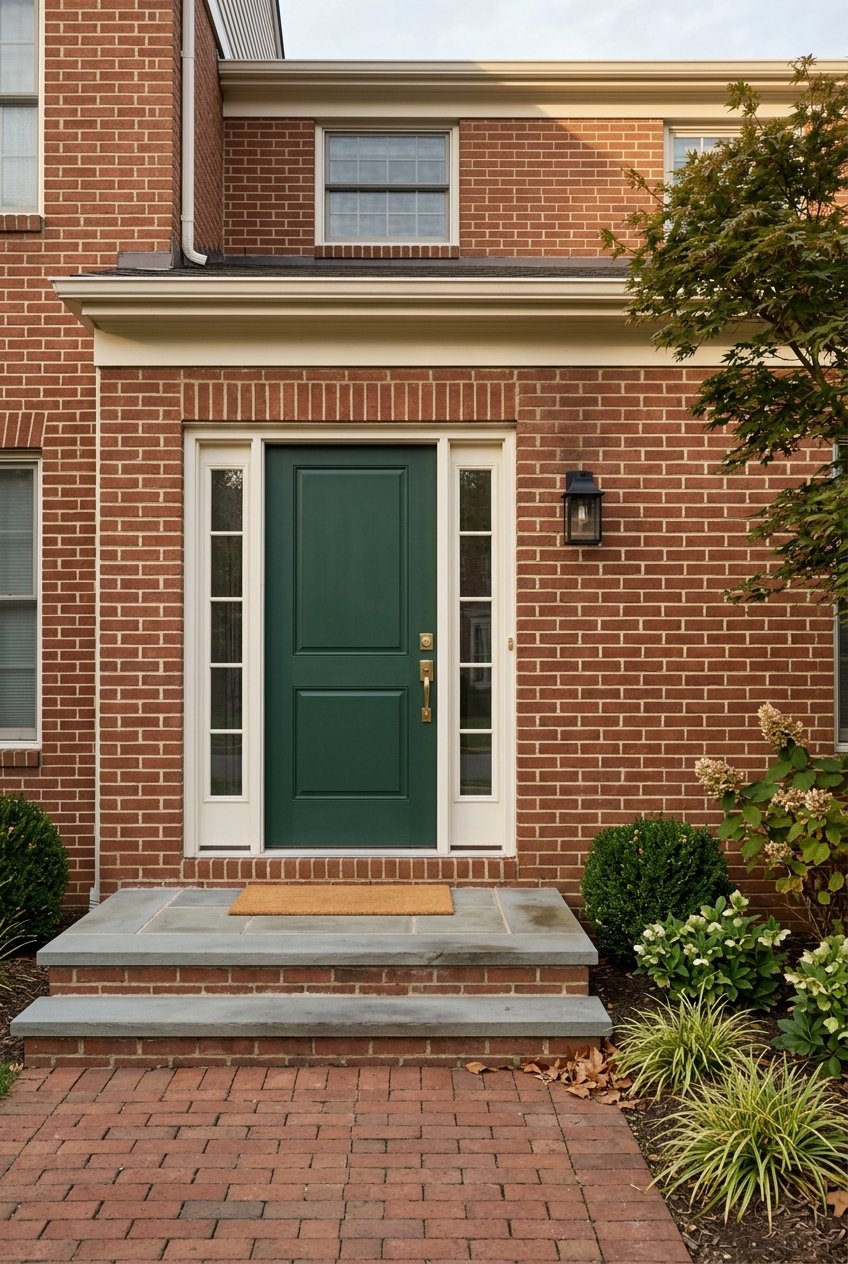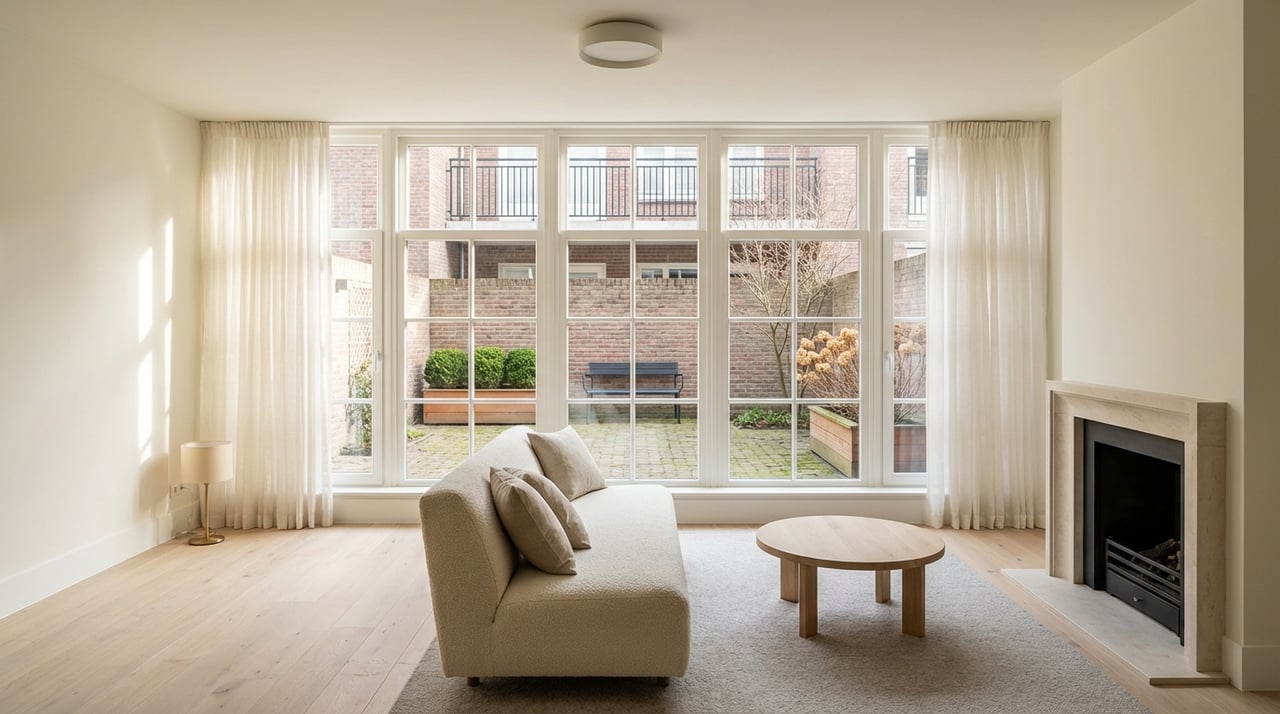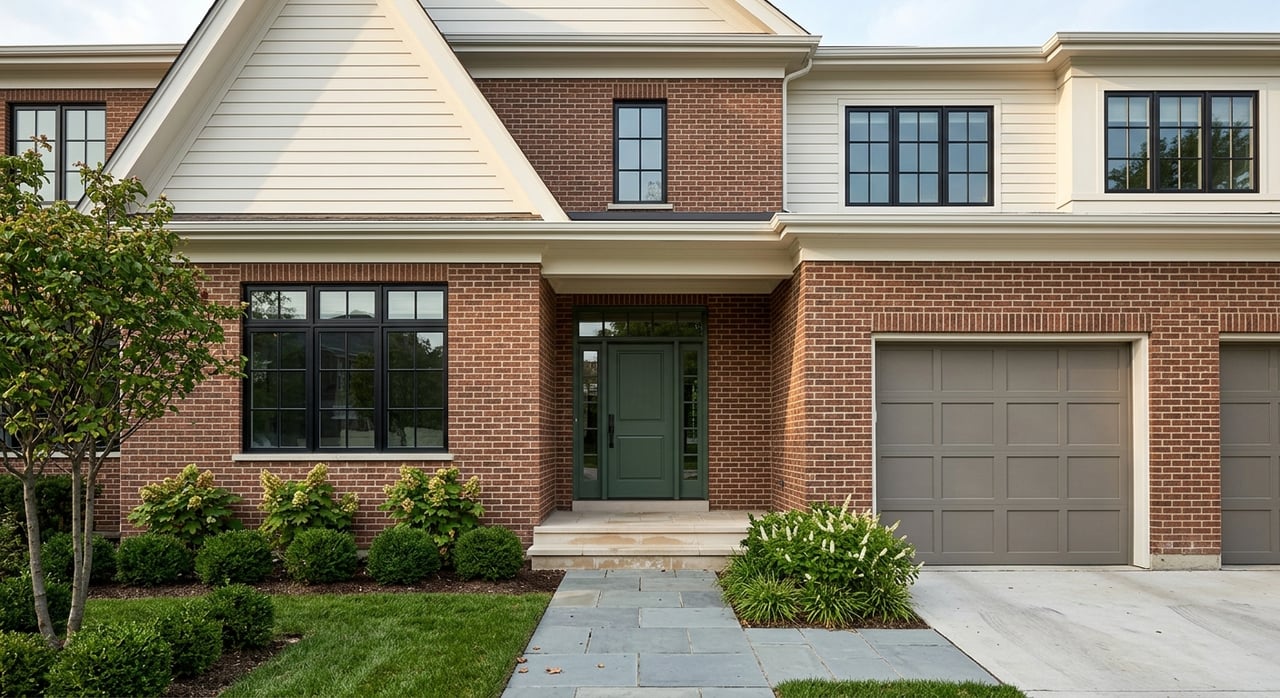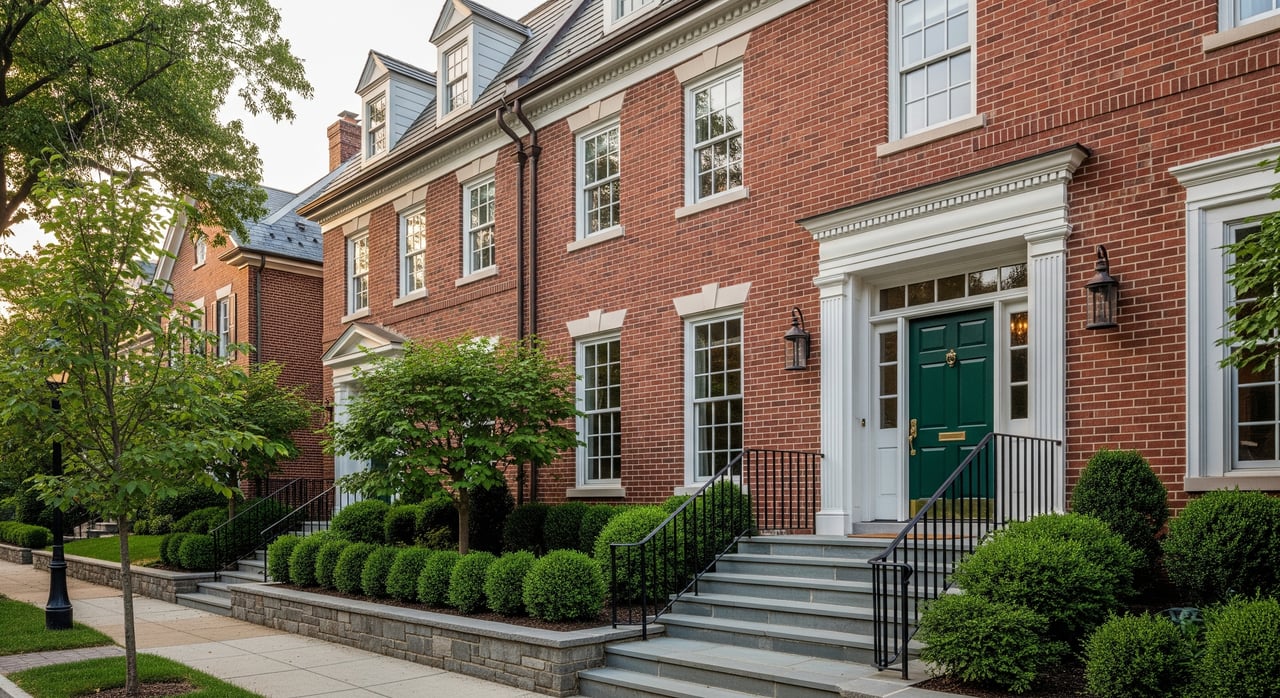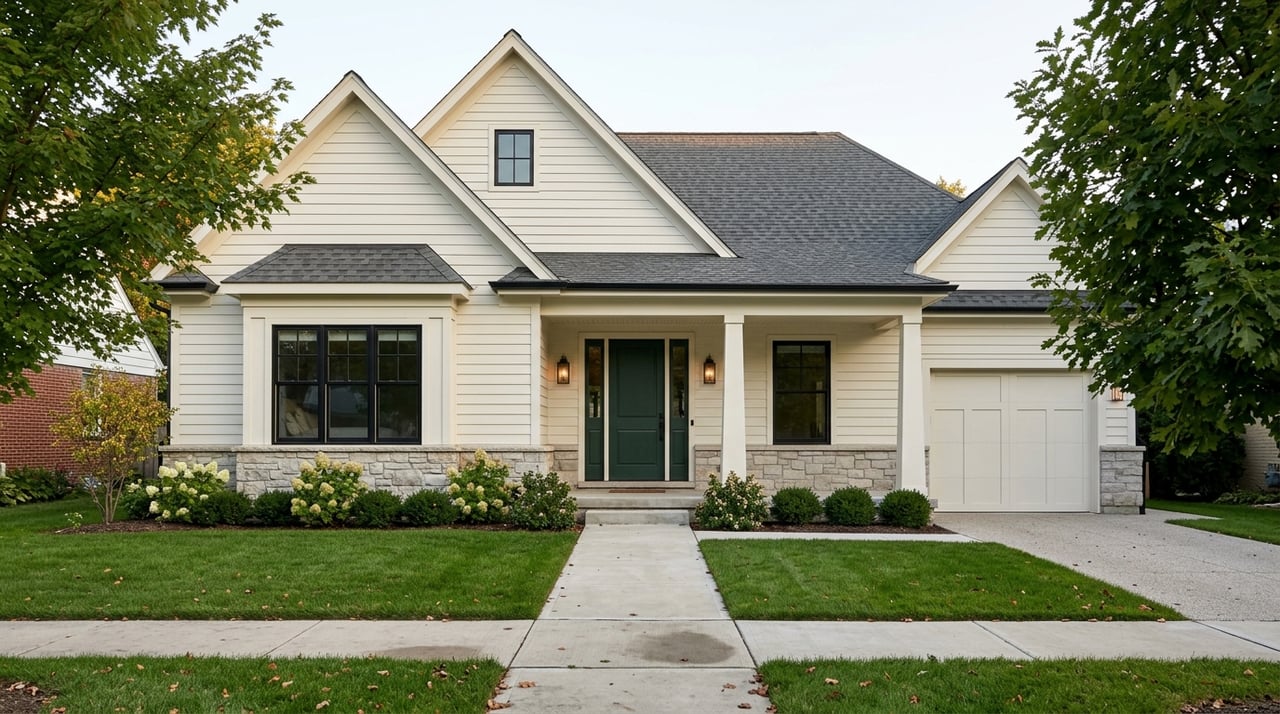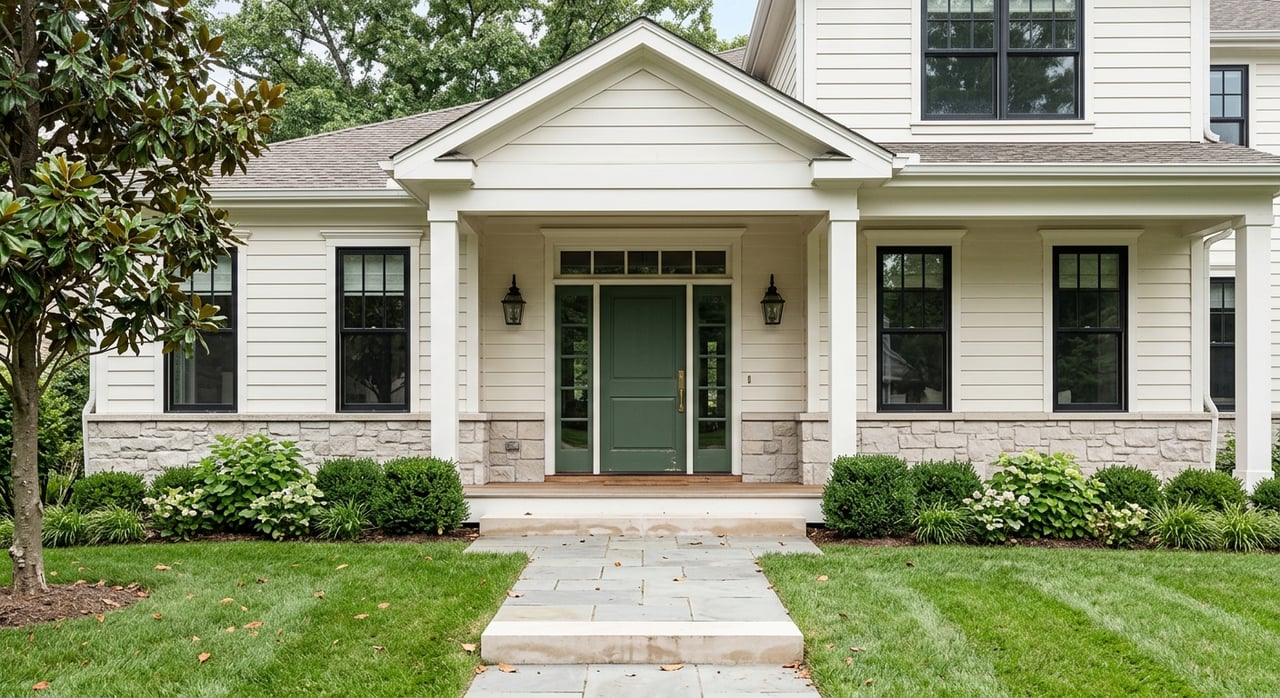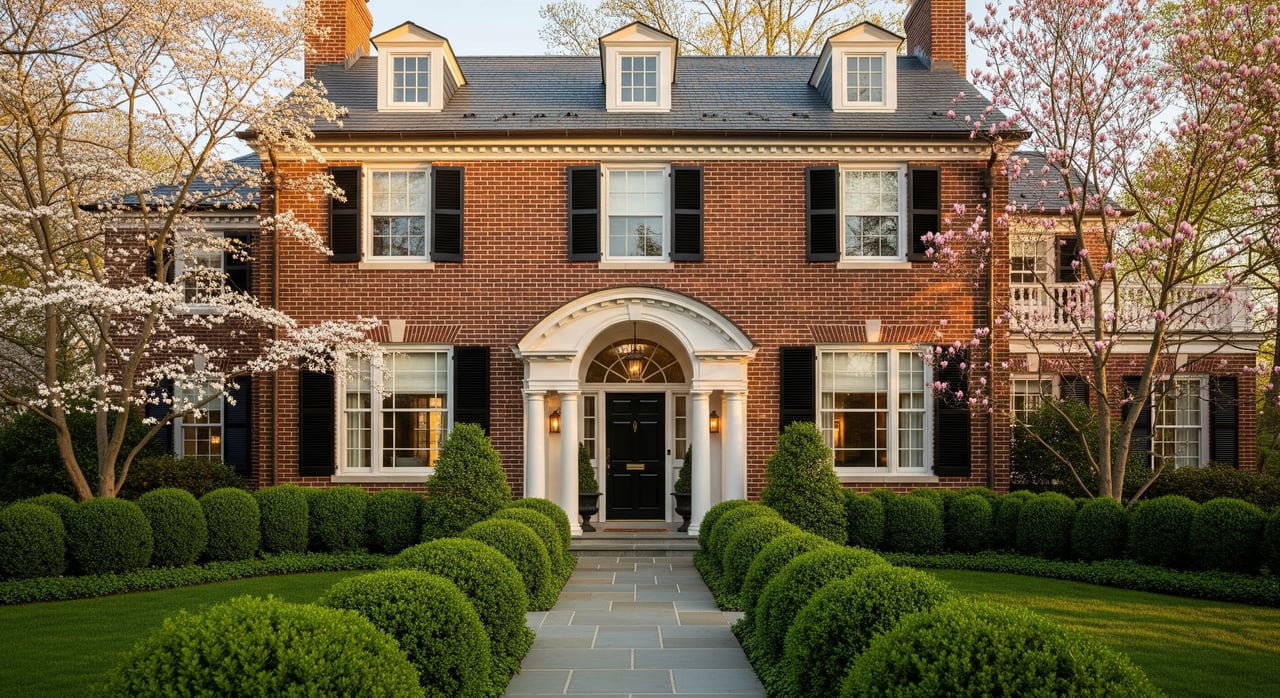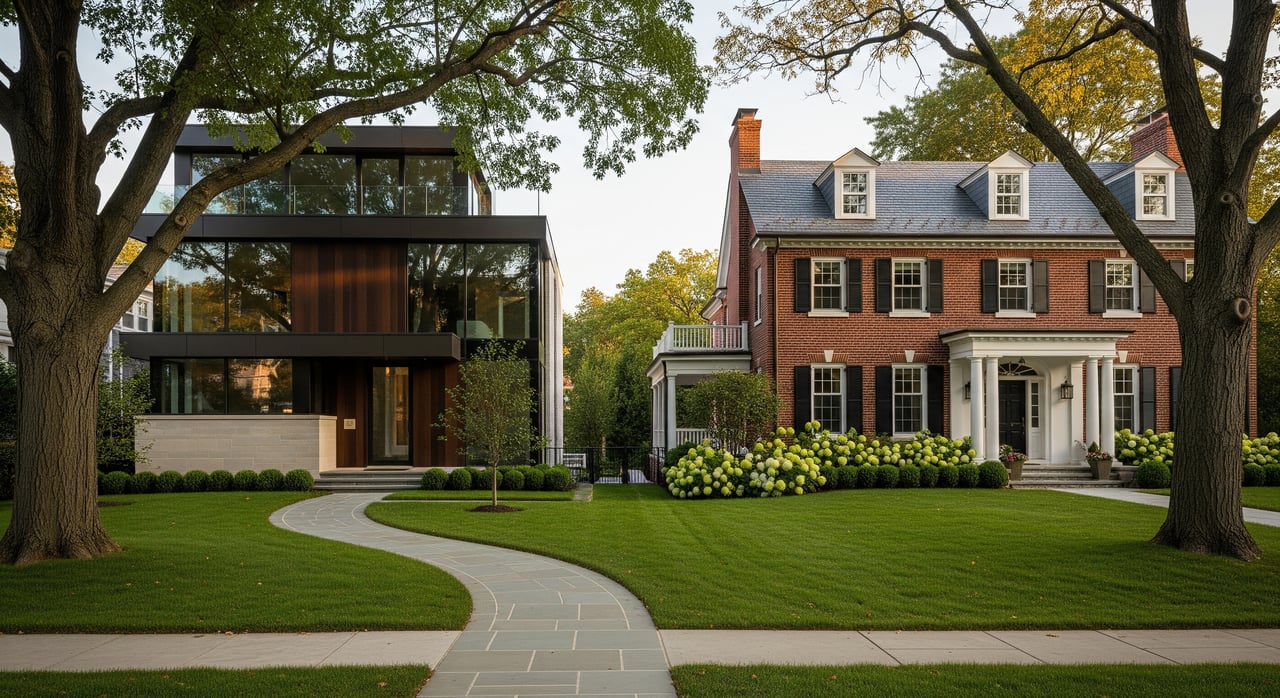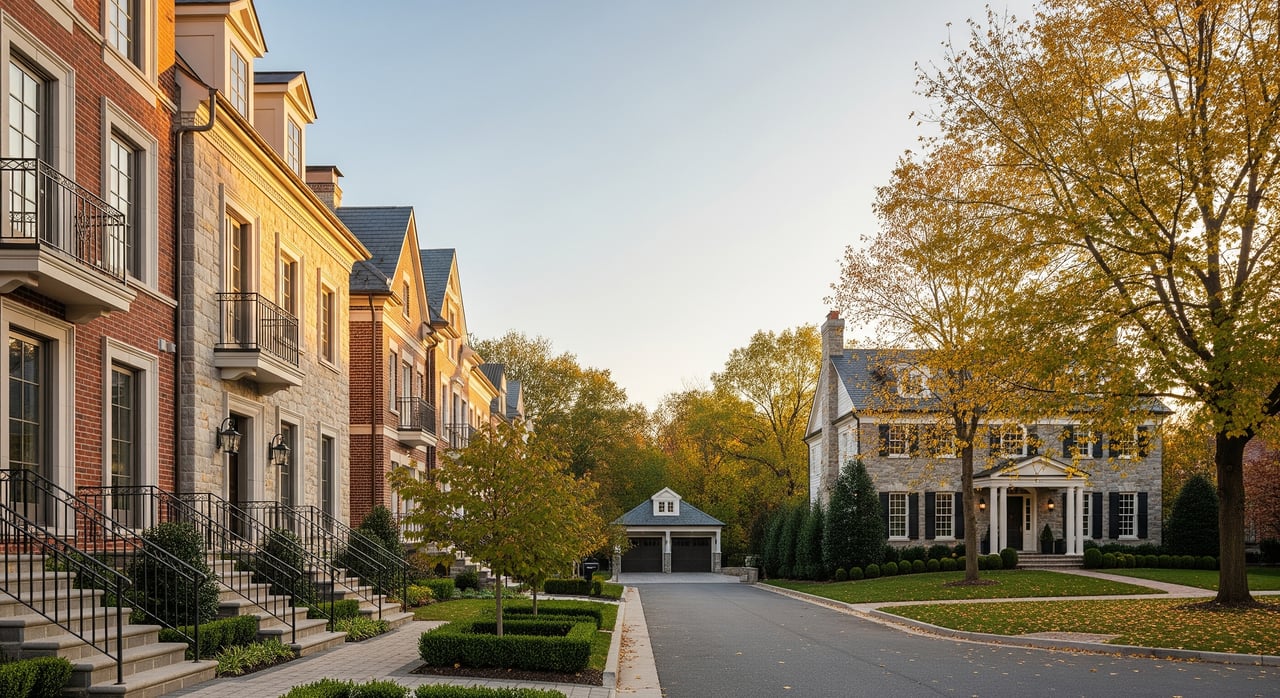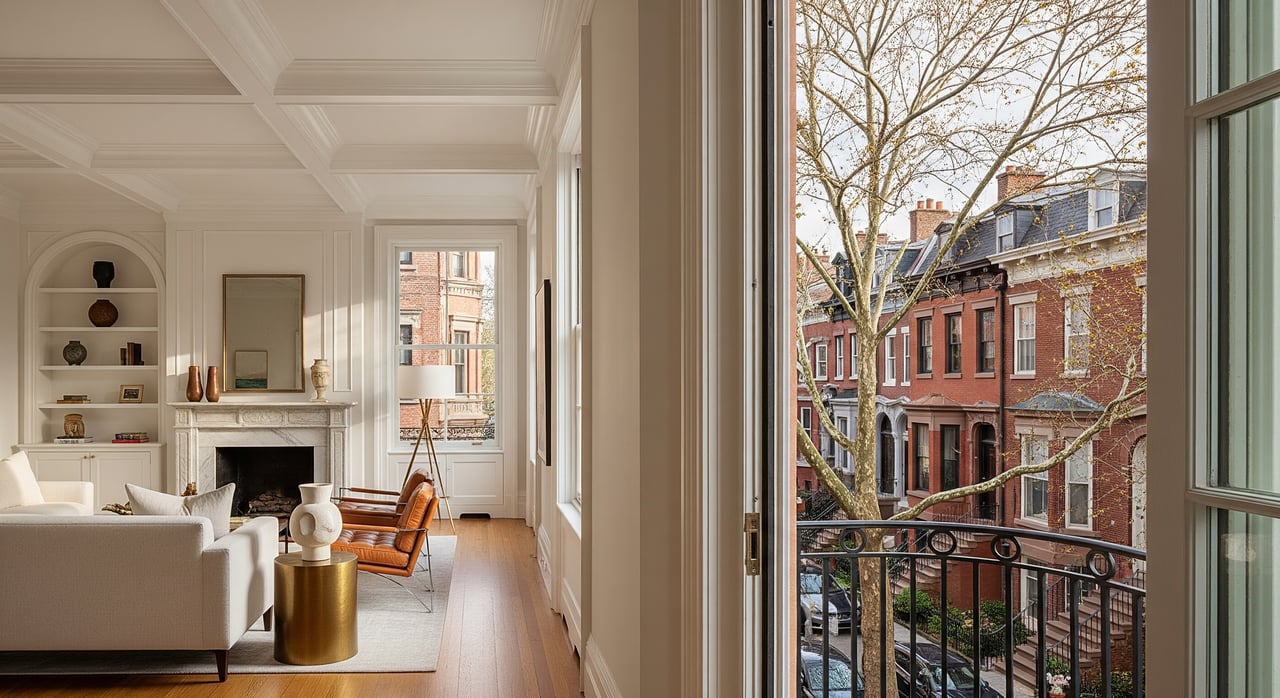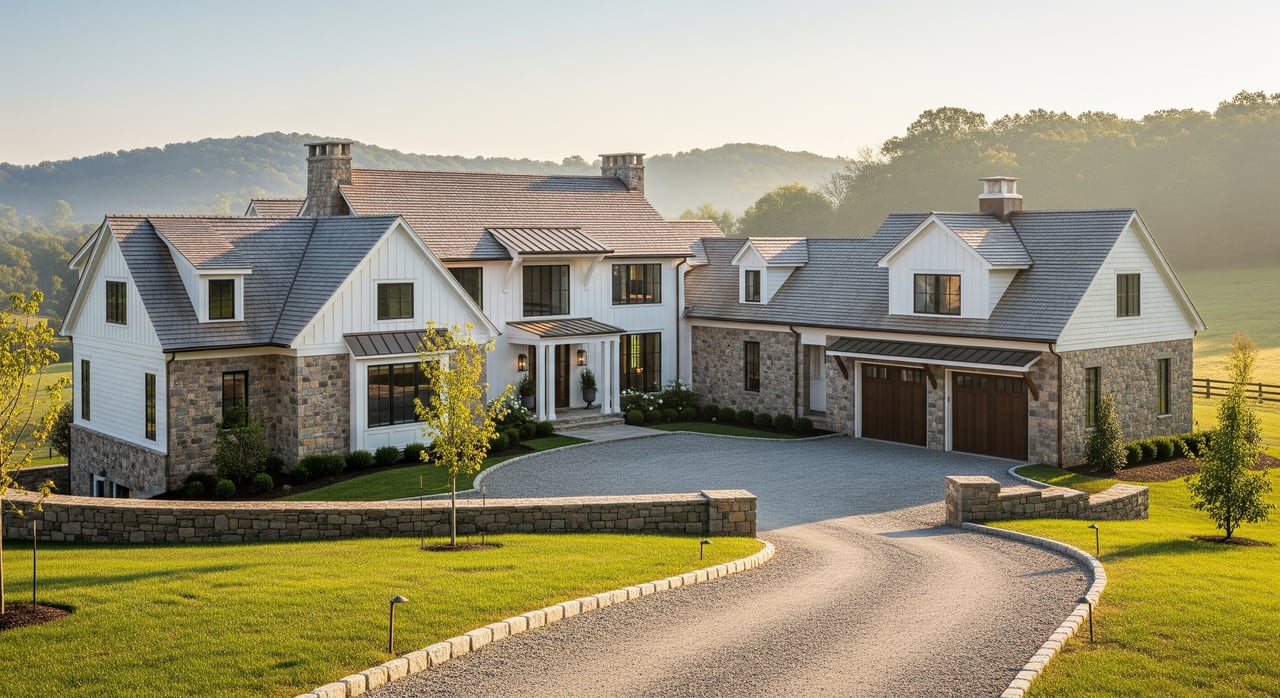
Choosing between a single-family home and a condo in Bethesda can feel harder than it looks. You may love the idea of more space and privacy, but also want an easier day-to-day lifestyle with less upkeep. The good news is that this decision becomes much clearer when you compare ownership style, monthly costs, parking, and how you want to live in Bethesda. Let’s dive in.
Start With the Core Tradeoff
At the heart of this decision is a simple question: do you want more control or more convenience? In most cases, a single-family home gives you more independence, while a condo gives you more shared management and less exterior responsibility.
With a single-family home, you own the house and take on the maintenance that comes with it. That includes routine repairs, seasonal upkeep, and larger items that may come up over time, like roof work or other major repairs. If you go this route, your budget should include room for both planned maintenance and unexpected issues.
With a condo, you own your individual unit, but the exterior and common areas are shared with other owners. The condo association typically handles maintenance and management for those shared spaces, and the HOA board sets rules and standards for the community. That setup can be appealing if you want a more streamlined ownership experience.
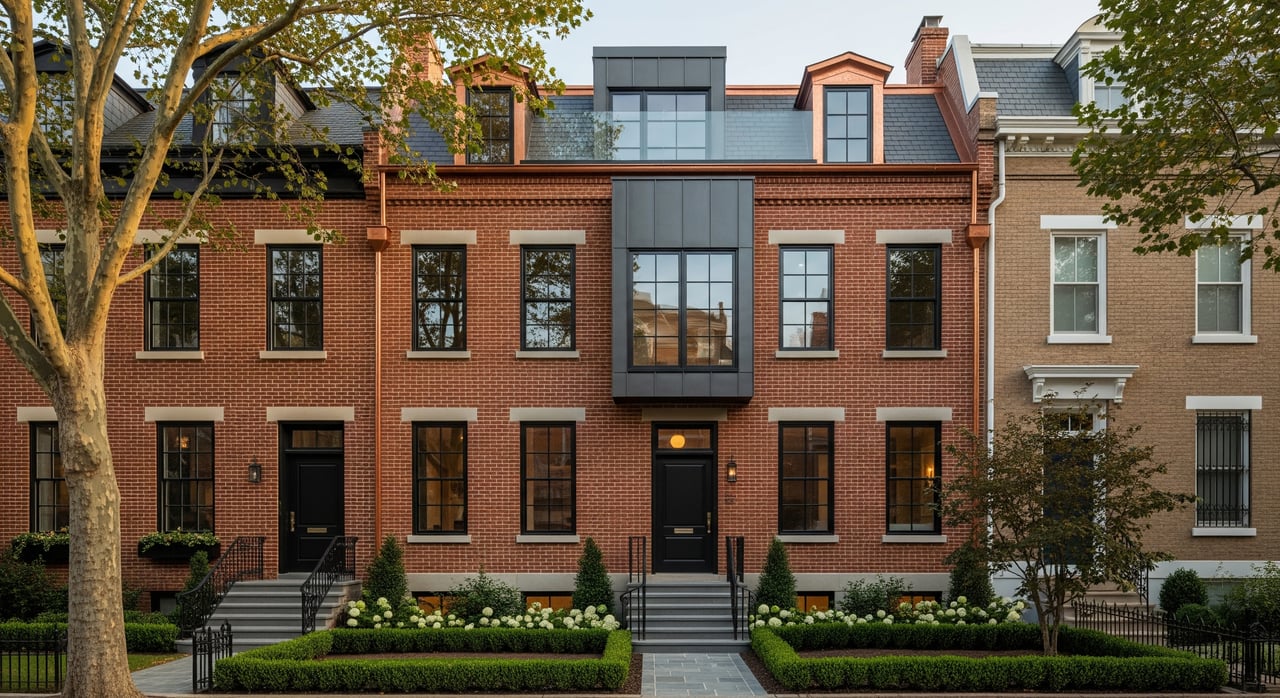
It also helps to remember that condos in Bethesda are not all high-rise units. Condo options can include mid-rise buildings, garden-style communities, and townhome-style units. That means you may be able to find a condo lifestyle that feels more spacious or private than you expected.
Compare Monthly Costs the Right Way
Many buyers start with the list price, but the better comparison is the full monthly cost. A lower-priced condo can still carry substantial monthly dues, while a single-family home may have fewer fixed fees but more ongoing maintenance responsibility.
For condos, HOA or condo dues are usually paid directly to the association and are not usually included in the mortgage payment. Those dues can range from a few hundred dollars a month to more than one thousand dollars a month, so it is important to factor them into affordability from the beginning.
What matters most is what the fee covers. Depending on the community, condo dues may include exterior maintenance, common-area upkeep, water, sewer, trash, amenities, insurance, and reserve funding. A fee may seem high at first glance, but it can make more sense when it is supporting building services and healthy reserves.
In Maryland, reserve planning is especially important for condo buyers. State law requires residential condo reserve studies, with updated studies at least every five years, and those studies must be available for inspection and summarized with the annual budget. Montgomery County also notes that annual assessments fund operating costs and reserves, while special assessments are one-time charges for larger needs.
That is why a lower fee is not always the better deal. If an association is underfunded, owners may face special assessments later. When you compare Bethesda condos, look beyond the number and ask whether the budget appears to support maintenance and reserves in a responsible way.
For a single-family home, the monthly picture is different. You may not have condo dues, but you are taking on more direct responsibility for repairs, replacements, and seasonal work. In practical terms, that means building your own reserve into the budget for upkeep over time.
Understand Condo Insurance in Maryland
Insurance works differently for condos than it does for single-family homes, and this often surprises buyers. In Maryland, the condo association carries a master policy for the building and common areas.
As the unit owner, you would typically need your own policy for contents, personal belongings, additions, alterations, liability, and additional living expenses after a covered loss. The Maryland Insurance Administration also notes that the cost and deductible for the master policy are association common expenses.
This is one more reason to review condo documents carefully before you buy. You want to understand what the association covers and what you would need to insure yourself. That helps you compare a condo and a single-family home on a more accurate financial basis.
Why Bethesda Location Changes the Choice
Bethesda is one of those markets where location can shift the condo-versus-single-family decision in a big way. If your daily routine depends on transit, walkability, or being close to dining and errands, a condo may feel especially practical.
Bethesda station is on WMATA’s Red Line and is within walking distance of Bethesda Row shopping and the Bethesda Trolley Trail. WMATA also says a new mezzanine is being built to connect Metro to the future Purple Line Bethesda Station, although that connection will not be available until the Purple Line opens in 2027. WMATA also notes that construction impacts around Bethesda station are still ongoing.
Medical Center station is also on the Red Line and provides direct access to the National Institutes of Health and Walter Reed National Military Medical Center. For many buyers, that kind of rail access can make condo living in Bethesda especially attractive.
At the same time, parking deserves close attention. WMATA lists no daily, metered, or reserved parking at Bethesda station or Medical Center station. If parking matters to your routine, you should treat it as a property-specific question rather than assuming nearby Metro will solve it.
Montgomery County operates several Bethesda parking garages and lots, with hourly rates around $1.50 to $2.00 at multiple locations, including Woodmont Corner, Capital Crescent, Woodmont-Rugby, Cordell-St. Elmo, Waverly, Metropolitan, and Bethesda-Elm garages. That can be useful, but it is not the same as having a deeded or assigned parking space where you live.
If you are comparing Bethesda condos, ask whether parking is included, assigned, or off-site. Also ask about visitor parking and how practical nearby county parking would be for your actual day-to-day needs. These details can make a big difference in how convenient a home feels after closing.
When a Condo May Be the Better Fit
A condo may be the better choice if you want a more lock-and-leave lifestyle. If you prefer less exterior upkeep and like the idea of association-managed maintenance, condo ownership can offer a simpler day-to-day experience.
It can also be a strong fit if you want to be close to Bethesda’s transit, restaurants, and daily conveniences. Buyers who value walkability and easier access to Metro often find that condo living aligns well with how they want to spend their time.
You may also prefer a condo if you like the idea of more predictable shared services. While condo fees need close review, they can cover several expenses that would otherwise be handled separately. The key is making sure the community is financially well managed.
When a Single-Family Home May Be Better
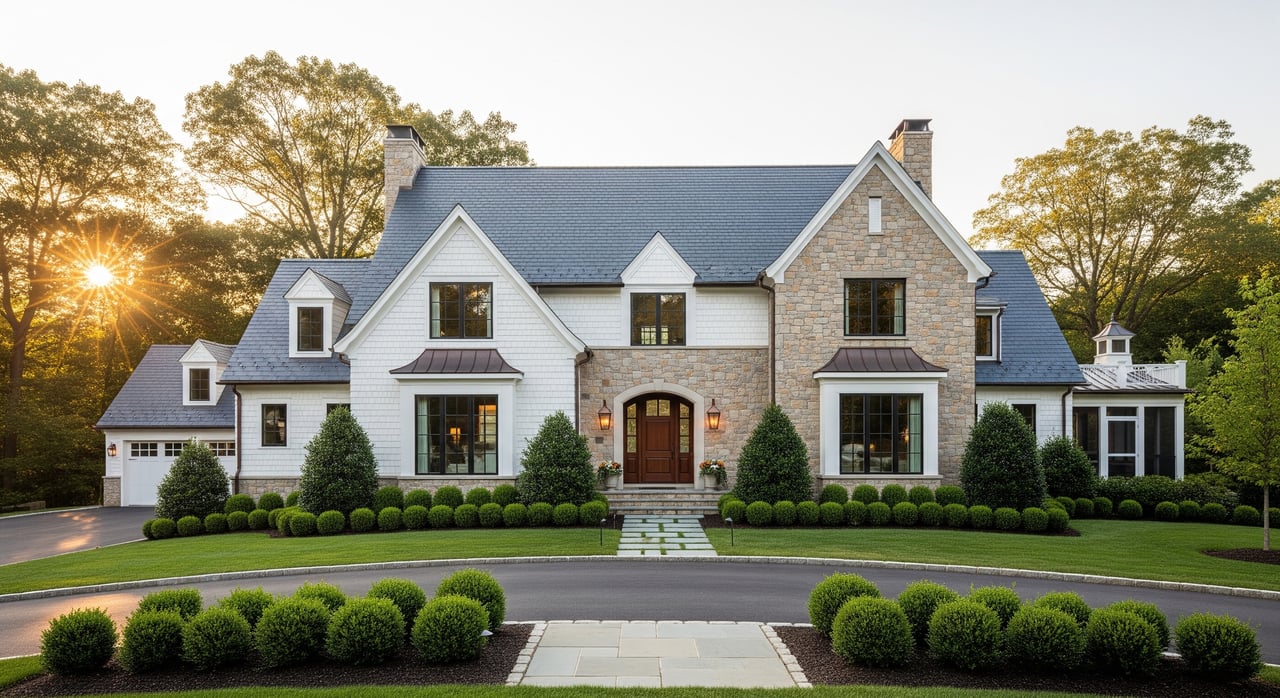
A single-family home may be the better fit if you want more privacy, more separation from neighbors, and more direct control over the property. For many buyers, that freedom is the biggest advantage.
This option also tends to work well if you are comfortable managing upkeep and budgeting for repairs over time. You are not relying on an association to make decisions about exterior maintenance, reserves, or building rules. That can be appealing if you want more say in how your property is maintained and used.
In Bethesda, a single-family home may also make more sense if parking, outdoor space, or a greater sense of separation is high on your priority list. The tradeoff is that you are taking on more responsibility along with that added control.
Questions to Ask Before You Decide
If you are comparing a condo and a single-family listing in Bethesda, these are some of the most useful questions to ask:
- What does the condo or HOA fee actually cover?
- Is parking included, assigned, deeded, or off-site?
- Are there any recent or pending special assessments?
- Is the reserve study current, and does the budget appear to support reserves?
- What does the condo master insurance policy cover?
- What would your own insurance policy need to cover?
- Are there any major structural, financial, or legal issues that could affect future costs or financing?
These questions can quickly move you from guessing to making a clear, informed comparison. In many cases, the right choice is less about property type alone and more about which ownership model fits your budget, schedule, and lifestyle.
A Simple Bethesda Decision Framework
If you want location convenience, less exterior work, and a more managed ownership experience, a condo may be the better fit. If you want more space, more privacy, and more direct control over the property, a single-family home may be the stronger option.
Neither choice is automatically better. The right answer depends on how you want to live in Bethesda, how you want to budget each month, and how much responsibility you want to take on yourself.
That is where having a local, strategic guide matters. When you look beyond the list price and ask the right questions about fees, reserves, insurance, transit, and parking, the decision usually becomes much easier.
If you are weighing a condo against a single-family home in Bethesda, Gerly Oden can help you compare the real costs, lifestyle tradeoffs, and listing details so you can move forward with clarity and confidence.
FAQs
What is the main difference between a Bethesda condo and a single-family home?
- A single-family home usually gives you more control, privacy, and direct responsibility for maintenance, while a condo usually gives you less exterior upkeep and more association-managed services.
What should Bethesda condo buyers know about monthly condo fees?
- Condo fees are usually paid separately from the mortgage and may cover maintenance, utilities, amenities, insurance, and reserves, so you should review both the amount and what the fee includes.
How do special assessments affect condo buyers in Maryland?
- Special assessments are one-time charges for larger expenses, so Bethesda condo buyers should review the association budget, reserve study, and any recent or pending assessments before buying.
What should Bethesda buyers ask about condo parking?
- You should ask whether the unit includes a deeded or assigned parking space, whether visitor parking is available, and whether nearby county parking would realistically work for your routine.
Is Bethesda Metro access a reason to choose a condo?
- It can be, especially if you want a walkable, rail-oriented lifestyle near the Red Line and future Purple Line connection, but you should still verify parking and construction-related impacts for the specific area.
How is condo insurance different from single-family home insurance in Maryland?
- In Maryland, the condo association carries a master policy for the building and common areas, while the unit owner typically needs separate coverage for belongings, interior additions, liability, and related expenses.