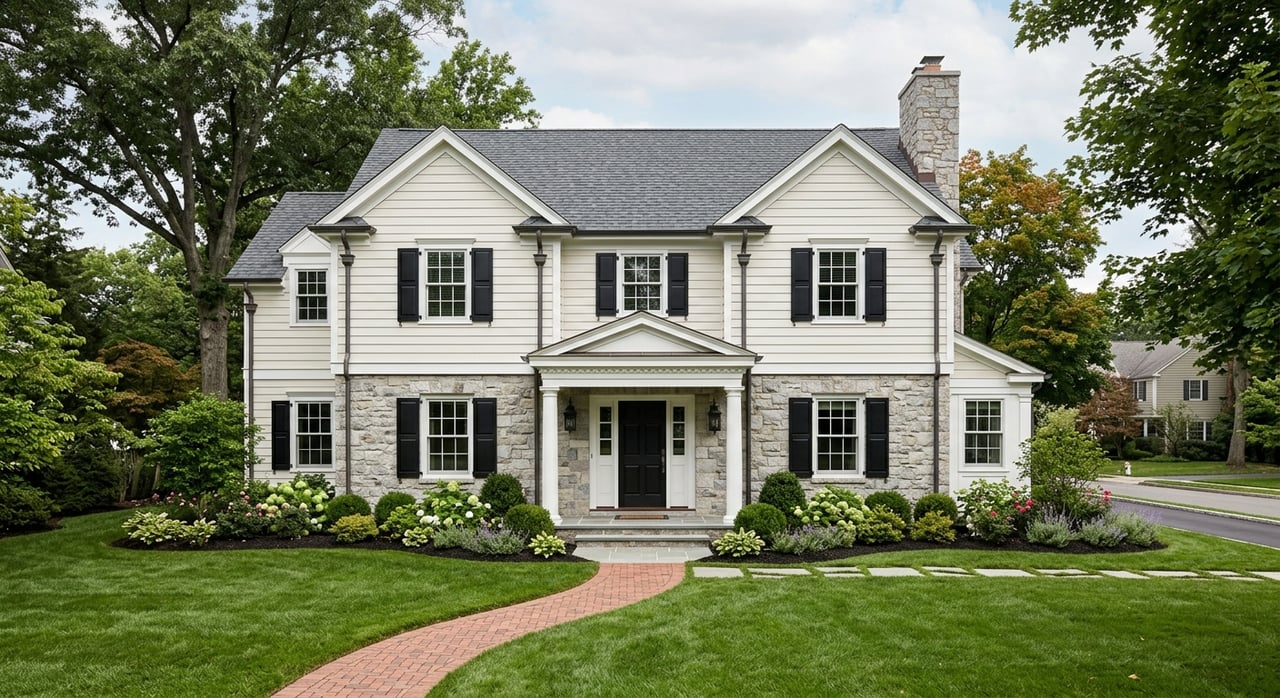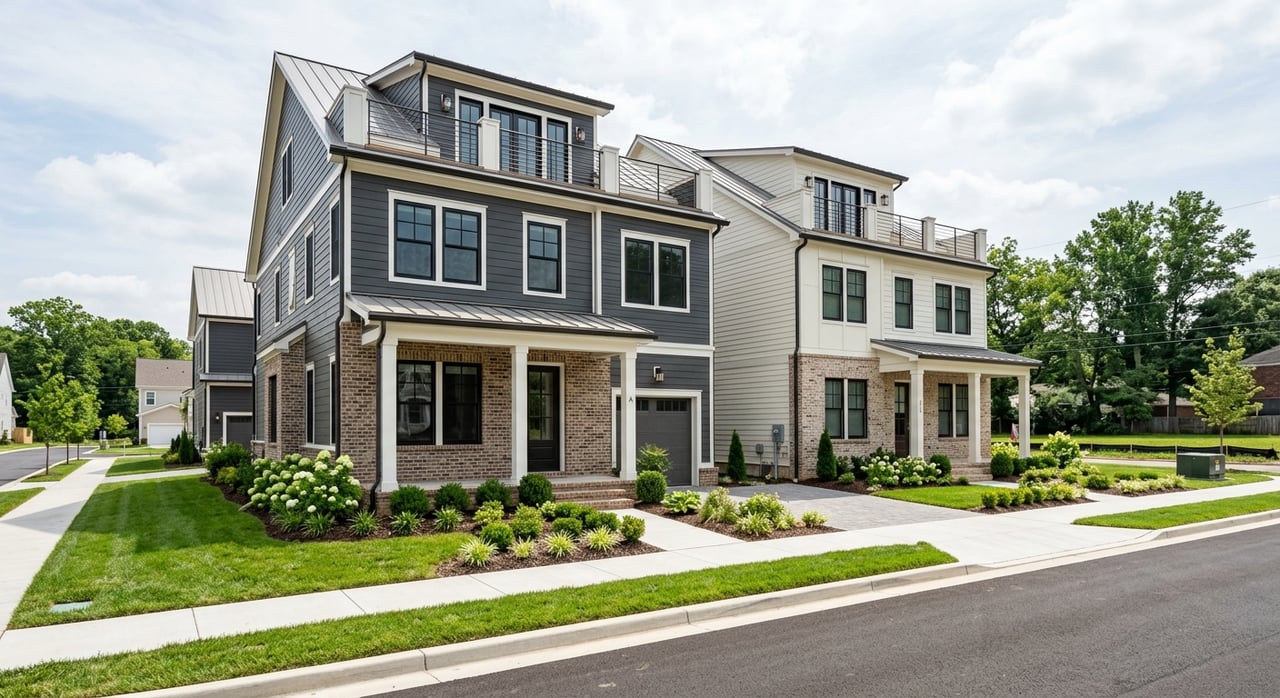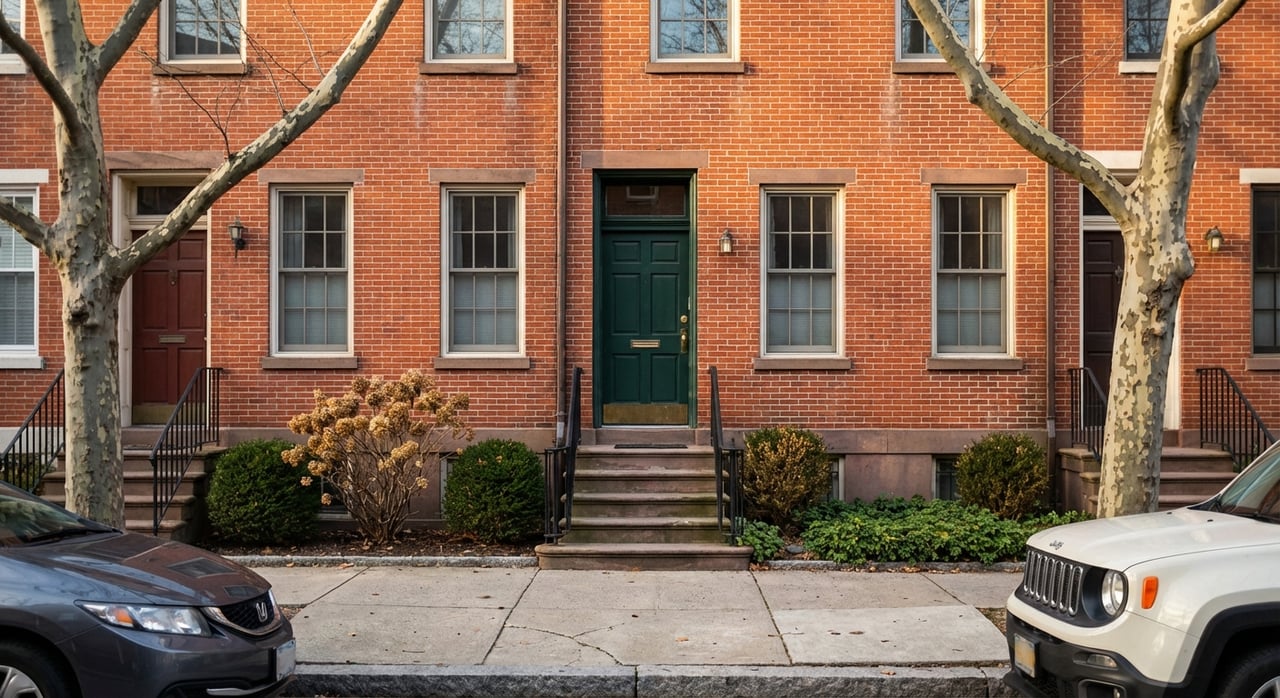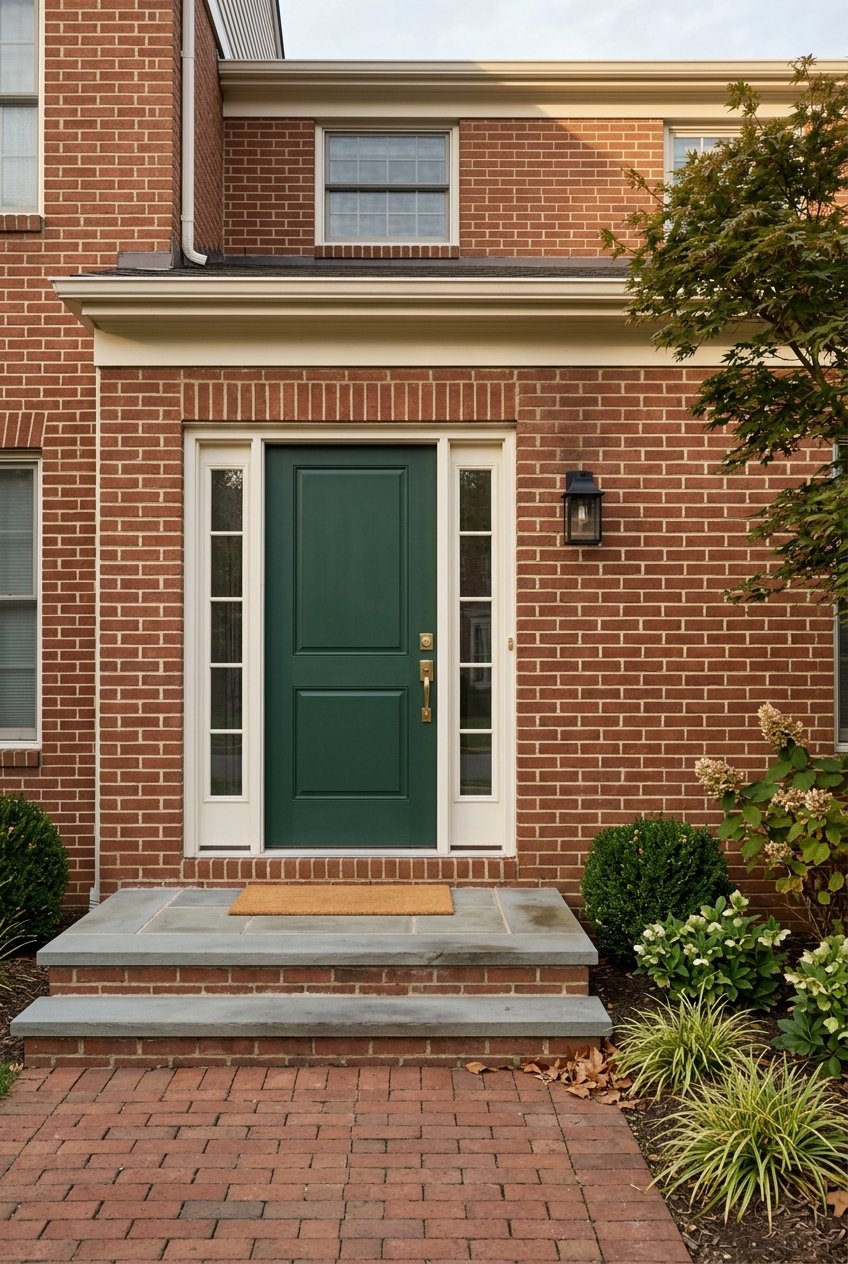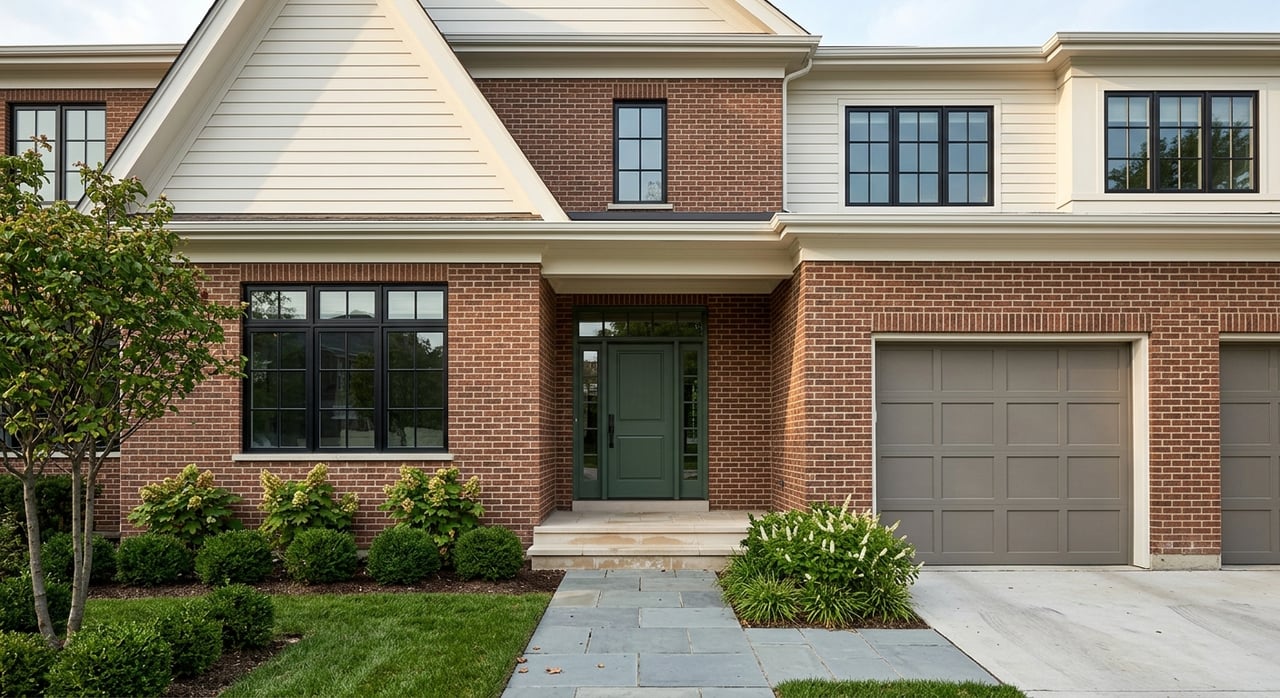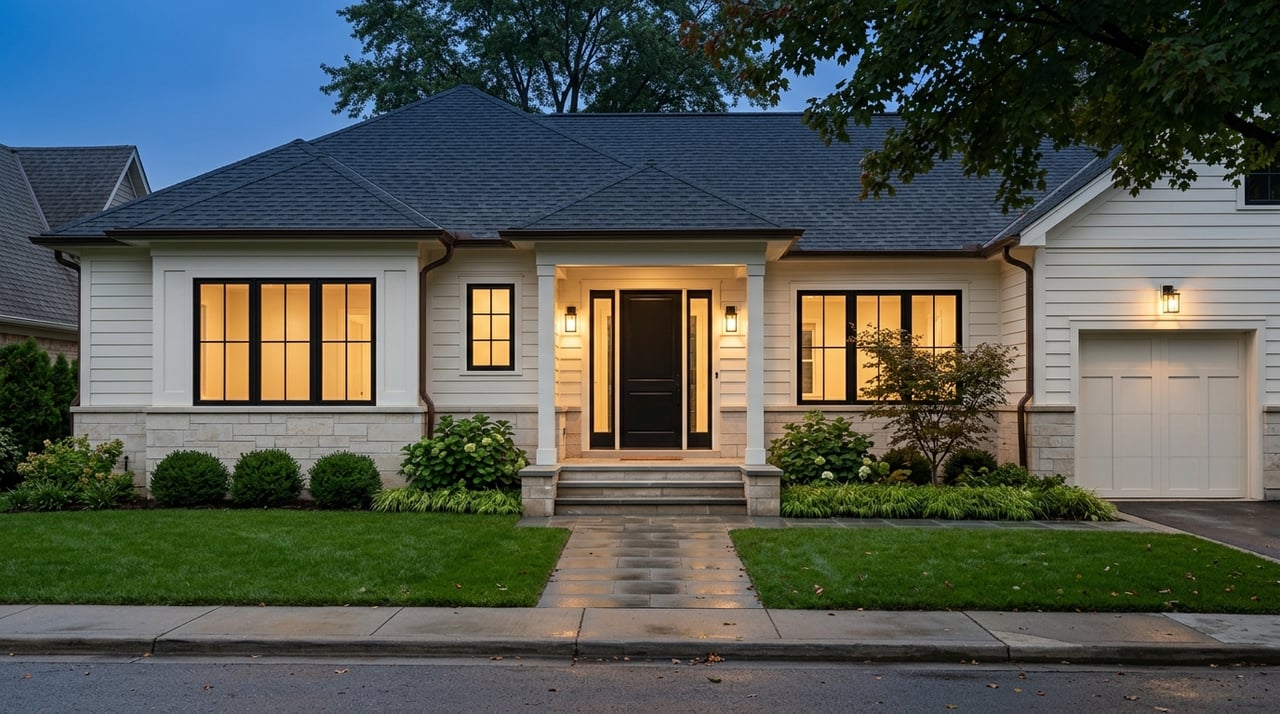
Trying to choose between a condo and a townhome in Northwest DC can feel like splitting hairs. Both offer great neighborhoods, strong demand, and easy access to work and play. The real question is which one fits your day‑to‑day life, budget, and long‑term plans. In this guide, you will learn the key differences that actually affect your monthly costs, maintenance, commute, financing, and resale in NW DC, plus a simple checklist to make a confident choice. Let’s dive in.
Northwest DC market at a glance
Northwest DC is diverse, and prices reflect that block‑by‑block reality. Recent snapshots put the NW median home price around $699,250 as of October 2025. Citywide, a mid‑2025 analysis showed typical medians near $700,000 overall, with condos and co‑ops around $500,000 and rowhouse or townhouse options around $700,000. This gap helps explain why many buyers start their search with condos for affordability and look to townhomes for space and land.
Demand varies by micro‑neighborhood. Some NW zip codes saw some of the largest one‑year price jumps in 2024, a sign of resilient demand across pockets like 20012, 20015, 20008, and 20007. You should expect premiums in high‑demand areas and more approachable pricing in entry‑level corridors. For accuracy, always confirm current comps before you write an offer. You can scan recent zip‑level changes summarized by Bright MLS data in this Axios report on DC price increases.
Typical starting points you will see in NW DC:
- Condos: roughly the mid 400s to 600s for many buildings, with outliers higher for luxury or prime locations.
- Townhomes and rowhouses: often mid 600s to 1.2M and above depending on size, parking, and neighborhood.
What changes with ownership type
Legal form matters more than the label
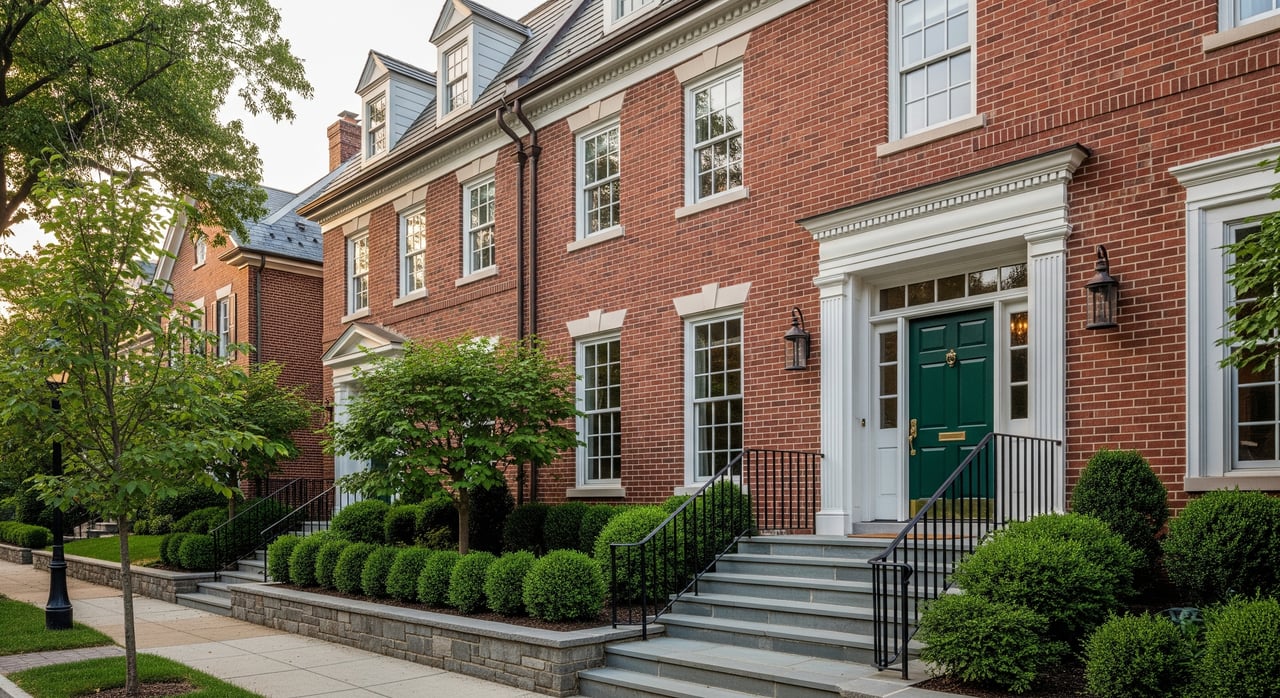
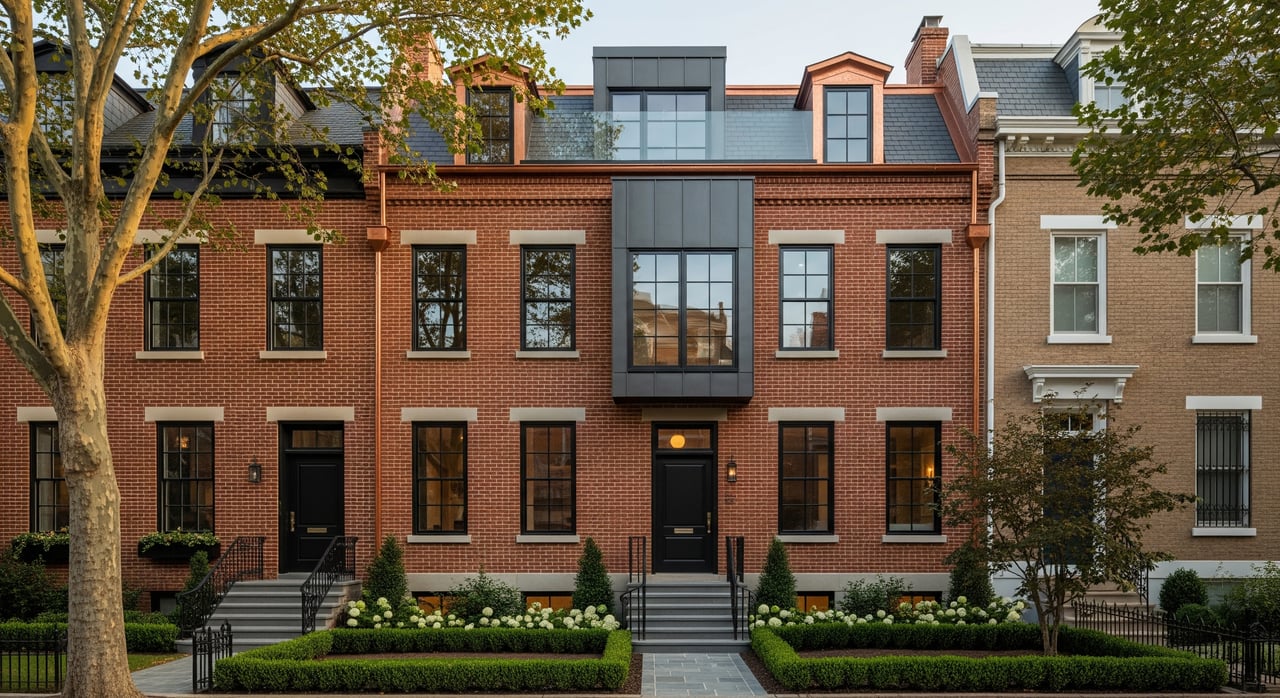
“Townhouse” describes how the building looks, not always how it is owned. In DC, a townhouse can be fee simple, which means you own the land and structure, or it can be part of a condominium, which shifts some exterior responsibilities to the association. Do not rely only on listing language. Confirm the recorded deed, plat, and governing documents so you know exactly what you will own and maintain. Learn why legal form drives responsibilities in this brief explainer on townhome ownership structures.
How condo disclosures protect you
If you buy a DC condo, the seller must give you a resale certificate package that includes the governing documents, current budget, financials or reserves, insurance details, pending assessments, and any litigation. You also receive a short cancellation window after receiving the package. This packet is one of your most important tools for judging the building’s health and future costs. Read the requirements in the District’s Condominium Act § 42‑1904.11.
Insurance differences that hit your budget
Condominiums usually carry a master policy for the building. You will still buy an HO‑6 policy for interior finishes, contents, liability, and loss‑assessment coverage. Master policies vary, and the deductible and coverage type affect your risk. Get familiar with HO‑6 basics and master policy types using this condo insurance overview.
Fee simple townhomes typically require an HO‑3 or HO‑5 homeowners policy because you are responsible for the roof, exterior, and land unless a homeowners association says otherwise. See how responsibilities shift in the townhome structure guide.
Lifestyle tradeoffs you will feel daily
Maintenance and monthly costs
Condos typically have higher monthly HOA dues, which cover exterior maintenance, building systems, snow removal, and shared amenities. In the District, median HOA or condo fees have been reported near the $500 per month mark, so treat dues as a key line item in your affordability model. Review fees and any history of special assessments in the resale package. See why dues matter in this national HOA fee analysis.
Townhomes may have lower or no HOA dues depending on the community, but you carry the cost of exterior capital projects like roof, masonry, and gutters. In NW DC, many rowhouses are older, so set aside reserves for periodic larger repairs.
Space, privacy, outdoor area, and parking
If private outdoor space, a separate entrance, and garage or off‑street parking are high on your list, townhomes often deliver. Condos commonly trade private space for shared amenities like a gym or rooftop. Parking varies widely across NW. Confirm whether parking is deeded, assigned, or street only. Many blocks fall under Residential Permit Parking, which affects how you and your guests park.
Transit and walkability
Proximity to Metro is a deciding factor for many NW buyers. Condos clustered in places like Dupont Circle, Foggy Bottom, and Friendship Heights often offer excellent walkability and easy access to the Red or Blue and Orange lines. For example, Dupont Circle shows a very high Walk Score and strong transit access. Explore the area’s scores on the Dupont Circle Walk Score page.
Financing and resale factors to weigh
Lender project approvals can shape your buyer pool
Many lenders require a condo project review. Fannie Mae, Freddie Mac, and FHA guidelines look at reserves, owner‑occupancy, delinquency, and litigation. If a building does not meet these standards, it may be ineligible for some loan types, which can reduce the number of qualified buyers and impact resale liquidity and pricing. Review the basics in Fannie Mae’s condo project requirements.
HOA health, reserves, and special assessments
A well‑funded reserve lowers the risk of large special assessments and supports smoother underwriting. Use the condo resale certificate to verify the reserve balance, any recent reserve study, and board minutes that mention upcoming capital projects. If you are considering a townhome in a managed community, ask for any HOA documents and budgets as well.
DC taxes and closing costs you should model
DC property tax for Class 1 residential is $0.85 per $100 of assessed value. At closing, most buyers encounter both recordation and transfer taxes. The rate is 1.1 percent for residential transfers under $400,000 and 1.45 percent for $400,000 and above. Buyers and sellers often negotiate how to share these costs. See current rates on the DC Office of the Chief Financial Officer page.
If you are a first‑time DC homebuyer, you may qualify for a reduced recordation tax rate. Ask your lender and title company early so you can plan your cash to close.
Condo vs townhome: which fits you
Choose a condo if you want:
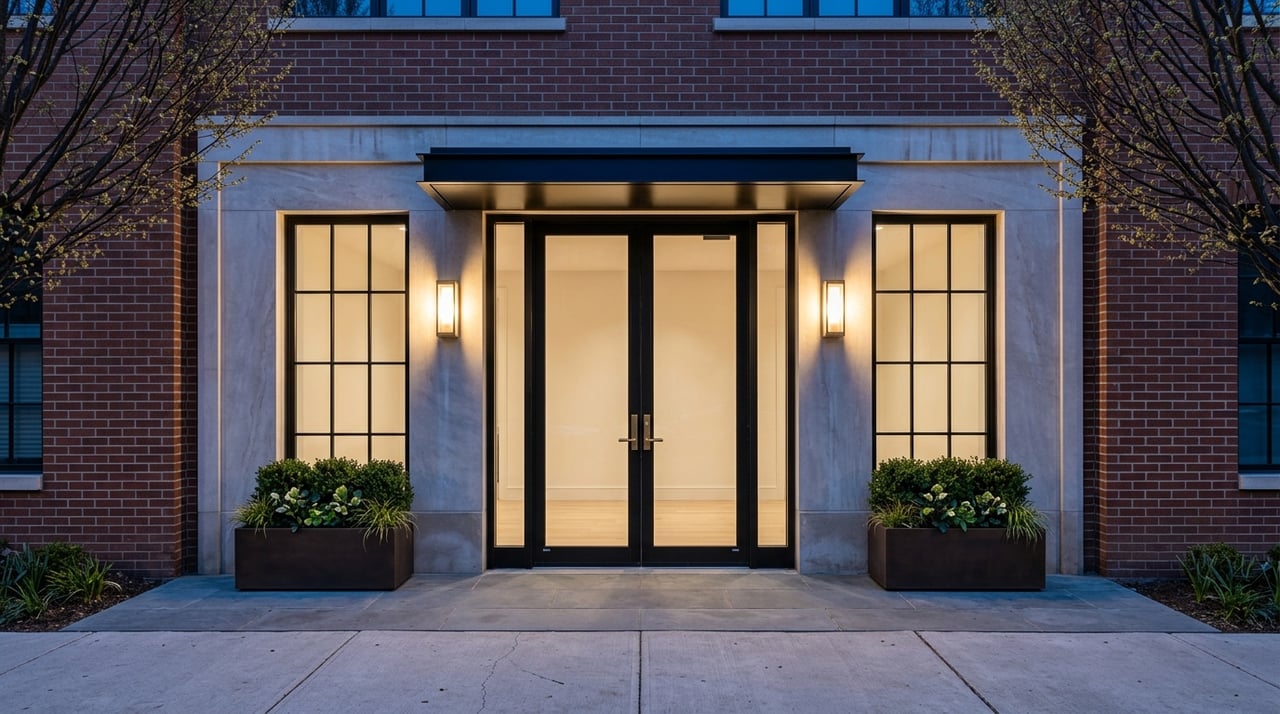
- Lower day‑to‑day maintenance and on‑site amenities like a gym or rooftop.
- A lower entry price compared to many townhomes in the same area.
- Strong walkability and transit, especially near Red Line hubs.
- Predictable maintenance funded through dues, paired with careful review of reserves and assessments.
Choose a townhome if you want:
- Private outdoor space, a separate front door, and more privacy.
- Ownership of land and roof, plus control over finishes and systems.
- Garage or off‑street parking, often worth a premium in tight curb markets.
- Fewer building‑level restrictions on things like flooring or pets, subject to any HOA rules.
Tip: In historic areas like Georgetown, exterior changes may require extra approvals and timeline planning. Read the Old Georgetown Board’s exterior work FAQs if you are considering a project home.
A practical 7‑step checklist
- Confirm the legal form
- Verify whether the property is fee simple or condominium by reviewing the deed, plat, and governing documents. Responsibilities and insurance change with the legal form. Brush up with this townhome ownership explainer.
- For condos, request and review the resale package early
- Read the declaration, bylaws, budget, financial statements, reserve study or reserve balance, insurance summary, pending assessments, and litigation statement. DC law requires this and gives you a review window. See the statute for details: D.C. Code § 42‑1904.11.
- Check financing fit upfront
- If you need FHA, VA, or a lower down payment conventional loan, confirm the building’s eligibility and reserve funding early. See what lenders review in Fannie Mae’s condo project guidelines.
- Right‑size your insurance
- For condos, get the master policy summary and deductible, then set HO‑6 limits and loss‑assessment coverage to match. For townhomes, price an HO‑3 or HO‑5 and consider a roof or exterior inspection. Start with this condo insurance guide.
- Model your true monthly cost
- Add mortgage, property tax, HOA dues, insurance, utilities, transit or parking, and a maintenance reserve. In DC, HOA or condo fees near $500 per month can meaningfully change your buying power. See context in this national HOA fee review.
- Test the location in real life
- Visit during commute hours, weekends, and evenings. Count minutes to Metro. If relying on street parking, review local Residential Permit Parking rules for your block or consider a home with deeded parking.
- If you plan exterior work, build in time
- Historic review and permitting can add months. If you are eyeing Georgetown or similar areas, read the Old Georgetown Board FAQs and plan accordingly.
Next steps
Your best choice comes from matching what you value most with the facts on the ground. If you want low upkeep and top‑tier walkability, a condo near Metro may be perfect. If you want more control, outdoor space, and parking, a townhome can be worth the higher entry price and maintenance planning. Either way, review the condo or HOA documents closely, verify financing fit early, and model your true monthly cost before you write an offer.
If you are weighing options in Northwest DC, you do not have to decide alone. Connect with Gerly Oden for a focused buyer consult. You will get neighborhood‑specific comps, an upfront financing and HOA review, and a showing plan that helps you compare options side by side.
FAQs
What is the typical price gap between NW DC condos and townhomes?
- Citywide context in mid‑2025 showed condos around $500,000 and rowhouse or townhouse options around $700,000, while NW pockets often run higher; verify current comps before you offer.
What should I review in a DC condo resale package?
- Look for the declaration, bylaws, budget, financials, reserves or reserve study, insurance summary, pending assessments, and any litigation; DC law details this and gives you a review window under D.C. Code § 42‑1904.11.
How do HOA dues affect affordability in DC?
- Dues near the $500 per month range are common in the District, and they materially change buying power, so include them plus a buffer for potential special assessments; see context in this national HOA fee report.
Can a DC condo restrict rentals and why does it matter?
- Many associations can set leasing rules in their bylaws, which can influence lending and the future buyer pool; always read association rules and ask your lender how they affect loan eligibility.
What insurance do I need for a condo vs a townhome?
- Condos use an HO‑6 plus the building’s master policy, while fee simple townhomes often use an HO‑3 or HO‑5; confirm coverage needs with the master policy details, then right‑size your deductible and loss‑assessment coverage using this condo insurance guide.
What closing taxes should I expect when buying in DC?
- Property tax is $0.85 per $100 of assessed value, and most buyers pay both recordation and transfer taxes, typically 1.1 percent under $400,000 and 1.45 percent at $400,000 and above; see the DC tax rate page.