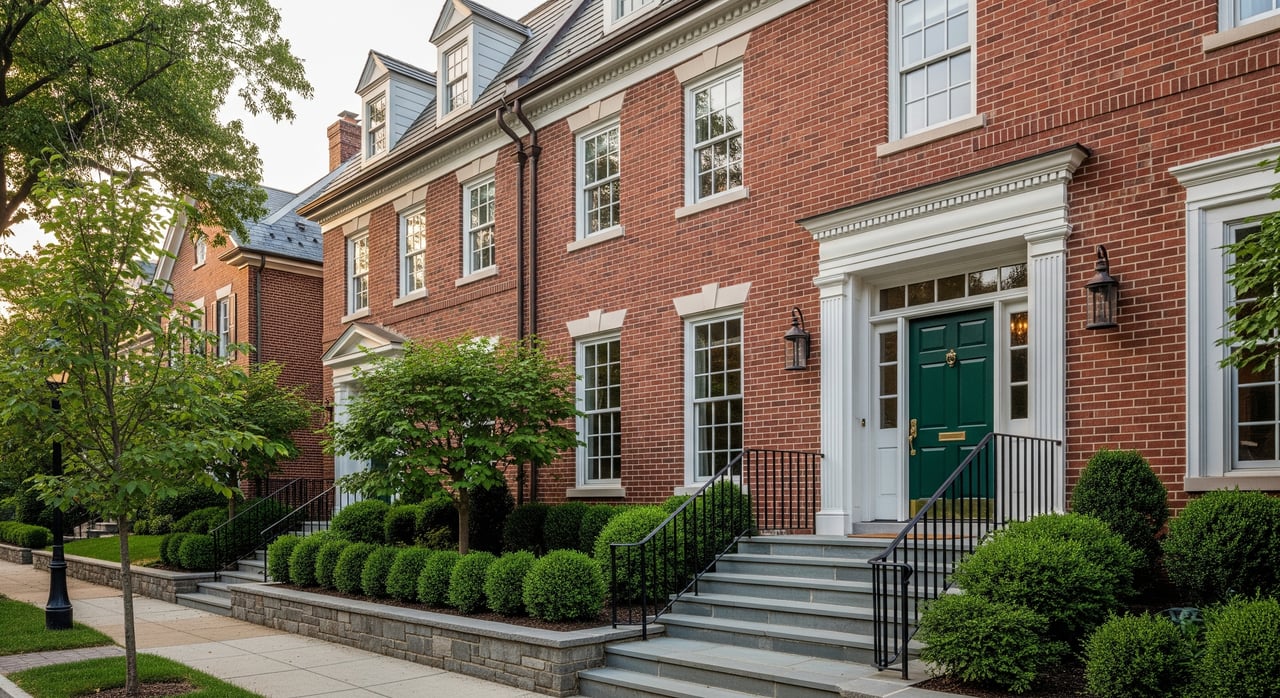
If you are thinking about selling your townhome in North Potomac, you are probably asking the same question most sellers do: how do you protect your price and avoid delays? In a market where buyers still pay close to asking on well-prepared homes, the details matter. The good news is that a clear plan can help you move from pre-listing prep to closing with more confidence and less stress. Let’s dive in.
Understand the North Potomac townhome market
North Potomac remains a high-price market, but that does not mean every townhome will sell the same way. Recent market trackers point to home values around the low $900,000s for the broader area, while townhomes listed for sale have shown a median listing price around $702,000 and roughly 36 days on market.
That local picture matters because pricing a townhome is not the same as pricing a detached home. Montgomery County data for March 2026 showed a median sold price of $650,000 county-wide, 1,470 active listings, and a 99.4% average sold-to-original-list-price ratio. In other words, buyers are still active, but price and presentation can shape your final result.
Townhome size also makes a difference. Montgomery County data from late 2024 showed that average sold prices for attached homes varied significantly between 3-bedroom homes and larger 4-bedroom-or-more homes. That is why your pricing strategy should reflect recent comparable sales, your home’s condition, layout, and any HOA or condo factors, rather than relying only on low inventory.
Start with a pricing strategy
Your first step is building a realistic list price based on recent comparable sales. For a North Potomac townhome, that usually means looking closely at similar attached homes with a comparable bedroom count, condition level, updates, and community structure.
A strong price can create early interest and help you avoid sitting on the market longer than necessary. Even in a market where many homes sell near their original asking price, buyers still compare value carefully. If your home feels overpriced for its condition or HOA profile, that can slow momentum.
This is where a step-by-step review helps. You want to account for:
- Recent comparable attached-home sales
- Bedroom count and overall layout
- Condition and visible updates
- HOA or condominium status
- Monthly dues and community rules
- Days on market for similar listings
Focus on pre-listing improvements
Before you list, concentrate on updates that buyers notice right away. National remodeling and staging research from 2025 found that agents most often recommend painting before listing, and it also showed strong buyer demand for kitchen upgrades, bathroom renovations, and roofing.
That does not mean you need a major renovation. For many North Potomac townhome sellers, the most practical pre-listing plan is lower-disruption work that improves appearance, photos, and first impressions.
Good examples include:
- Fresh interior paint
- Deep cleaning
- Decluttering and simplifying rooms
- Flooring touch-ups
- Lighting fixes
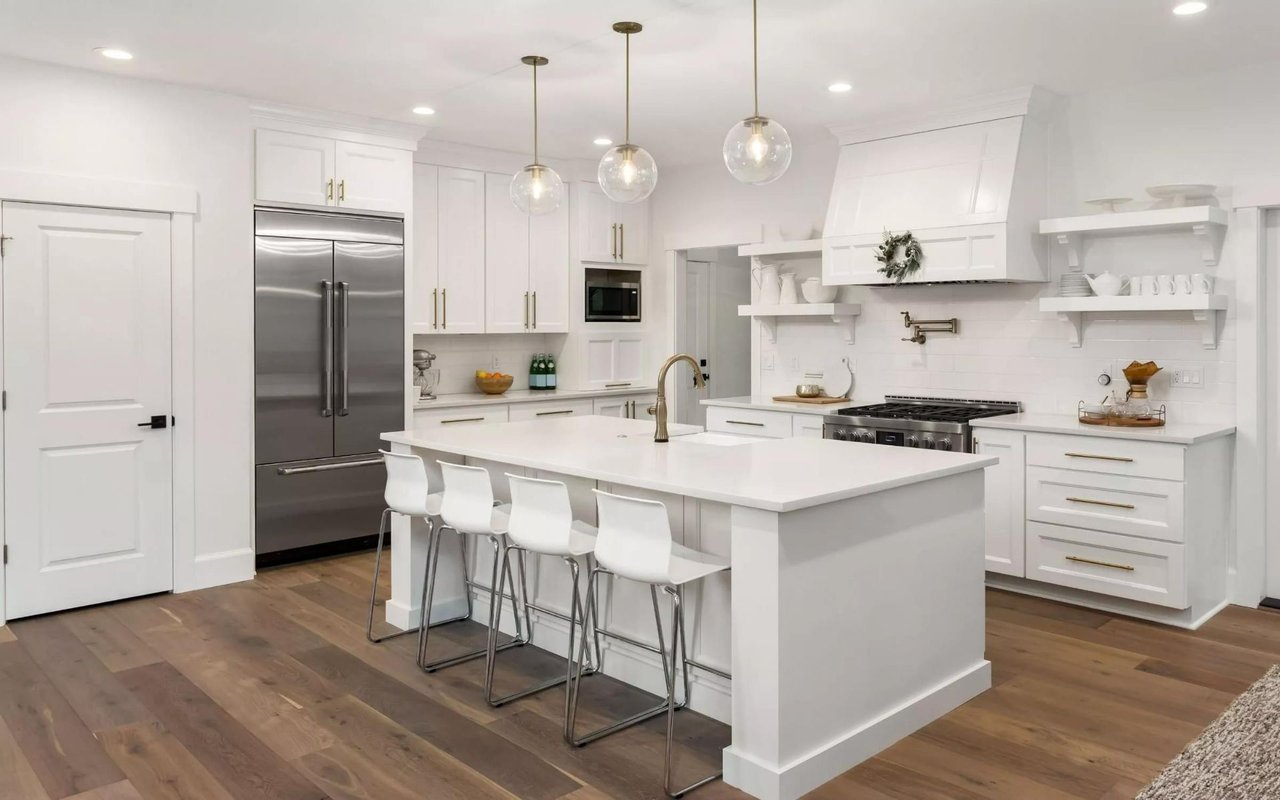
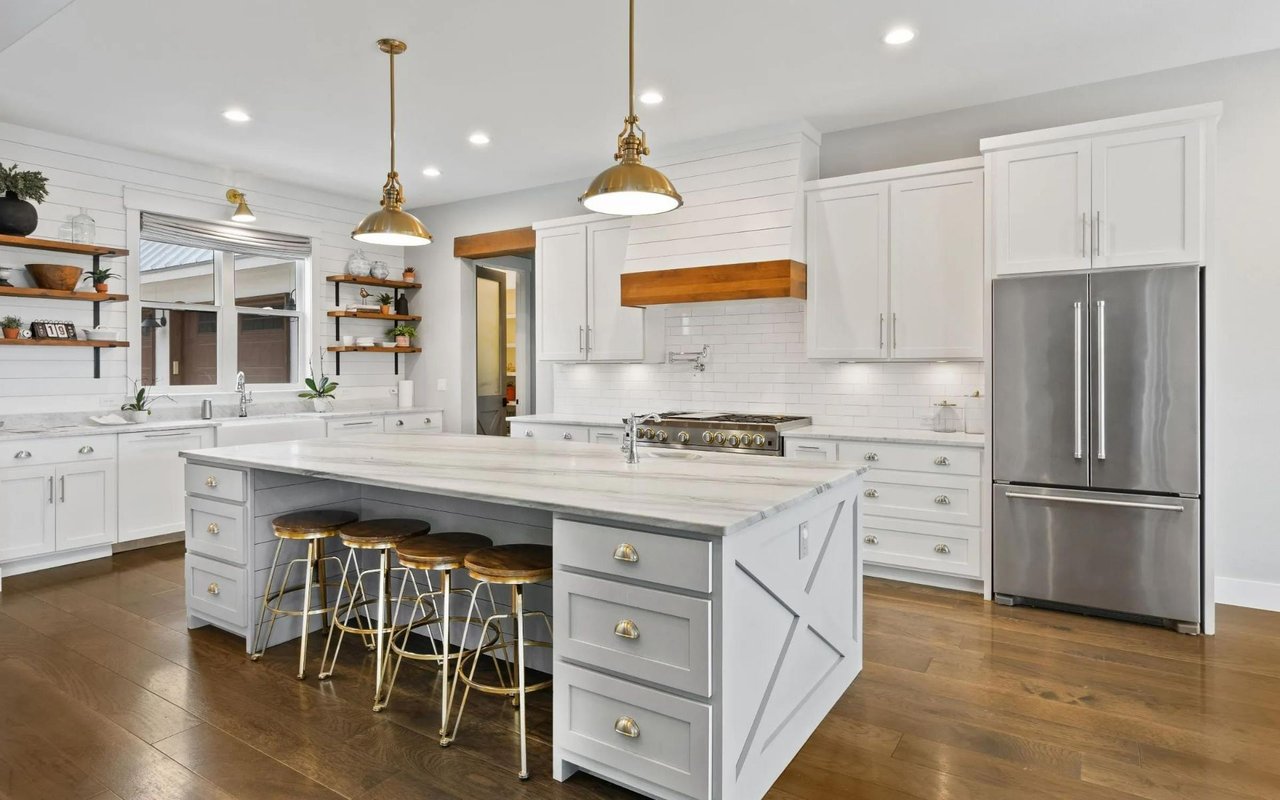
- Minor kitchen refreshes
- Minor bathroom refreshes
- Front door or garage door touch-ups
If your budget is limited, start where buyers focus most. Staging research found that the living room, primary bedroom, and kitchen are among the top rooms buyers' agents prioritize. That makes those spaces the smartest places to spend time and money first.
Use staging and media to boost appeal
Presentation is not just about making your home look nice. It can influence both buyer response and timing. In the 2025 staging research, 29% of agents said staging increased the dollar value offered by 1% to 10%, and 49% said staging reduced time on market.
Just as important, 83% of buyers' agents said staging made it easier for buyers to picture the property as their future home. That matters for townhomes, where buyers often compare several homes with similar square footage and floor plans.
Professional listing media also plays a major role. Buyers' agents rated photos, traditional staging, videos, and virtual tours as highly important. If you want your listing to stand out in North Potomac, polished visuals can help highlight light, layout, storage, and updated finishes.
Confirm whether your townhome is HOA or condo
This step is easy to overlook, but it affects your timeline. In Montgomery County, townhomes may fall under a homeowners association or a condominium structure, and the resale requirements are not the same.
The governing documents also matter for pre-listing repairs. County guidance notes that, in many townhome communities, the documents determine whether you or the association handles exterior maintenance and lot responsibility. Before you spend money on exterior work, confirm who is responsible.
This early check can help you avoid two common problems:
- Paying for work the association may handle
- Missing resale package deadlines later in the process
Gather your disclosure documents early
Maryland’s residential disclosure and disclaimer form asks sellers about a wide range of property issues. These include foundation concerns, basement moisture, roof leaks, structural problems, wood-destroying insects, hazardous materials, carbon monoxide alarms, zoning or setback violations, permits for improvements, flood-zone or historic-district status, and HOA restrictions.
The form is based on your personal knowledge, and it does not replace a buyer’s inspection. It also makes clear that sellers must disclose latent defects they actually know about, even if they choose the disclaimer route.
That is why it helps to gather your paperwork before your home goes live. Useful documents often include:
- Permit records for past improvements
- Repair receipts
- Warranty information
- Notes about past leaks or moisture issues
- Records of any prior HOA violation notices
Getting organized early can make disclosures smoother and reduce last-minute scrambling once you receive an offer.
Order the resale package as soon as possible
For many North Potomac townhome sellers, this is one of the most important timing steps. Montgomery County notes that common ownership communities must register annually, and resale packages often include a long list of documents such as covenants, bylaws, rules, assessments, budgets, reserve information, insurance summaries, and known claims or violation notices.
For HOA townhomes, Maryland law says the resale contract is not enforceable unless the buyer receives the required disclosures on or before contract or within 20 days after entering the contract. The HOA must provide the information within 20 days after a written request and reasonable fee, and the county notes the package may cost $150 or more.
For condominium townhomes, Maryland law requires the seller to furnish the resale package no later than 15 days before closing. The buyer then has a 7-day cancellation period after receiving the full package.
The takeaway is simple: order these documents early. Waiting too long can slow your contract timeline or create avoidable stress during escrow.
Prepare for showings and inspections
Once your home is active, your goal is to keep it easy to tour and easy to evaluate. A clean, uncluttered townhome with strong photos and a clear showing plan gives buyers a better experience from the start.
Even if your disclosures are complete, buyers may still negotiate after inspections. Maryland’s disclosure language clearly states that seller disclosures are not a substitute for an independent home inspection. That means you should expect buyers to review the property closely and possibly ask for repairs, credits, or price adjustments.
You can reduce surprises by addressing visible maintenance issues before listing. A few small fixes up front may help the home show better and may also lower the chances of avoidable inspection concerns.
Know the main closing costs and tax items
Before you accept an offer, it helps to understand the costs that may affect your net proceeds. In Maryland, sellers should plan for a state transfer tax of 0.5% of the consideration.
Montgomery County also charges recordation tax. The county’s current structure includes a base rate of $2.08 per $500 plus a school increment of $2.37 per $500, along with additional tiered premiums above $500,000.
The county also states that real estate taxes must be current before the deed can transfer. Reviewing these items early can make your closing estimate more accurate and help you avoid surprises near settlement.
Follow a simple selling timeline
If you want the process to feel manageable, break it into stages. A townhome sale in North Potomac often runs more smoothly when you tackle each piece in order.
Step 1: Review value and timing
- Compare recent townhome sales
- Evaluate your condition and updates
- Set a pricing strategy based on comps and market pace
Step 2: Prep the home
- Paint, clean, declutter, and repair small issues
- Focus staging on the living room, primary bedroom, and kitchen
- Confirm any exterior maintenance responsibilities
Step 3: Build the document file
- Gather permits, receipts, warranties, and repair notes
- Complete disclosure forms carefully
- Identify HOA or condo requirements
Step 4: Order community documents
- Request the HOA or condo resale package early
- Review assessments, rules, and any notices
- Plan for package fees and timing
Step 5: Launch marketing and showings
- Use strong photos, video, and virtual tour materials
- Keep the home show-ready
- Track interest and feedback
Step 6: Negotiate and close
- Review offers with net proceeds in mind
- Prepare for inspection discussions
- Confirm taxes, transfer costs, and settlement details
Why concierge support matters
Selling a townhome is not only about putting a sign in the yard. It is a document-heavy, deadline-sensitive process that includes pricing, preparation, disclosures, community paperwork, marketing, showings, inspections, and settlement coordination.
That is where a concierge-style approach can make a real difference. Hands-on support can help you line up repairs, manage staging guidance, coordinate photos and video, track disclosures, and stay ahead of HOA or condo package timing.
For move-up sellers especially, fewer delays can make the next move easier. Missing paperwork, permit questions, or late repair discoveries can all slow a listing or complicate negotiations. A clear process helps you stay in control.
If you are preparing to sell your townhome in North Potomac and want a smoother, more strategic plan from pricing through closing, Gerly Oden can help you navigate each step with boutique service, polished marketing, and hands-on support.
FAQs
What is the first step in selling a townhome in North Potomac?
- The first step is usually creating a pricing strategy based on recent comparable townhome sales, your home’s condition, bedroom count, and whether the property is part of an HOA or condominium.
What repairs matter most before listing a North Potomac townhome?
- The most practical pre-listing work often includes fresh paint, deep cleaning, decluttering, flooring touch-ups, lighting fixes, and minor kitchen or bathroom refreshes that improve showings and listing photos.
What disclosures do Maryland townhome sellers need to prepare?
- Maryland sellers should be ready to disclose known issues involving items such as moisture, roof leaks, structural concerns, permits, zoning or setback violations, HOA restrictions, and other matters covered on the state disclosure or disclaimer form.
What is the difference between an HOA townhome and a condo townhome in Maryland?
- The resale document requirements and timing differ, so it is important to confirm the property type early because HOA townhomes and condominium townhomes follow different Maryland resale package rules.
When should you order the resale package for a North Potomac townhome?
- You should order the HOA or condo resale package as early as possible because the package can be lengthy, may involve a fee, and late delivery can delay or complicate the contract process.
What closing costs should sellers expect in Montgomery County, Maryland?
- Sellers should plan for Maryland state transfer tax, Montgomery County recordation tax, and the need to keep real estate taxes current before the deed can transfer.