Are you thinking about buying a single-family rental in Frederick because the area seems to have all the right ingredients: population growth, commuter access, and homes that appeal to households who want more space? That instinct makes sense, but this is not a market where a quick rent-versus-mortgage glance tells the whole story. If you want to know whether a Frederick single-family rental fits your goals, this guide will help you weigh demand, costs, and local rules with more confidence. Let’s dive in.
Frederick offers real demand
Frederick has several signs of steady housing demand. Frederick County’s population was estimated at 299,317 in 2024 and 302,883 in 2025, while the City of Frederick reached 89,537 in 2024. From 2020 to 2024, the county grew 10.2% and the city grew 14.6%, which points to an area that continues to attract residents.
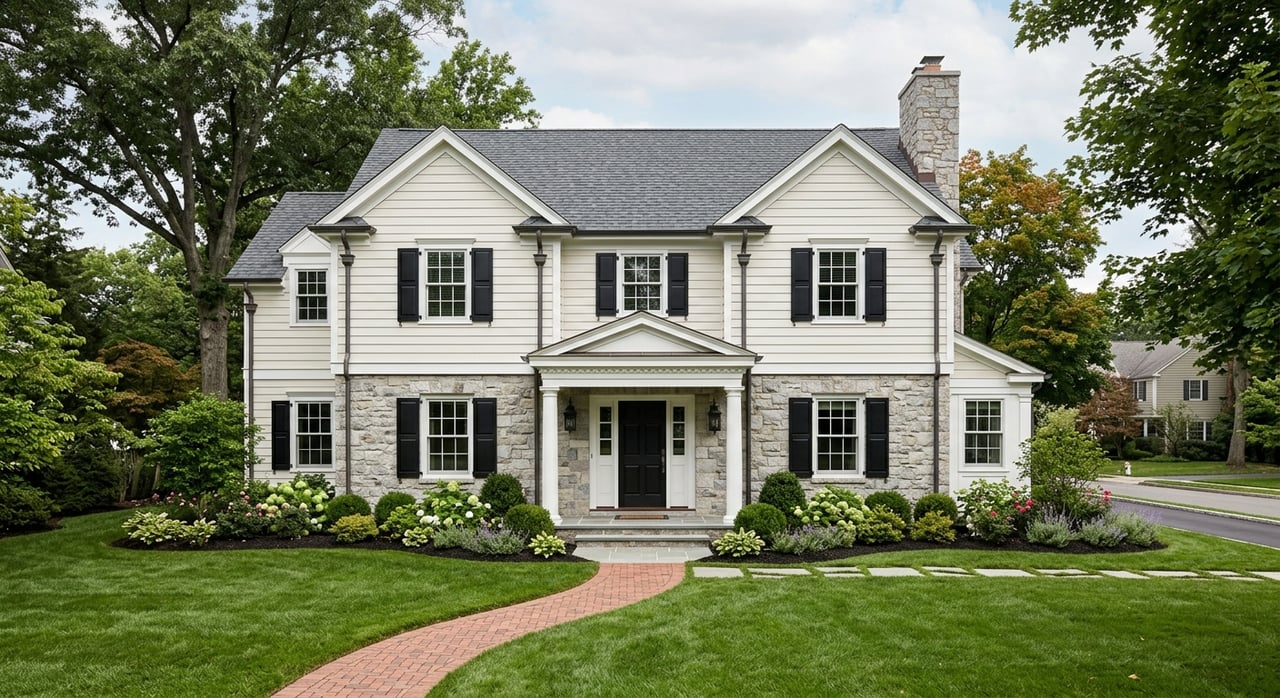
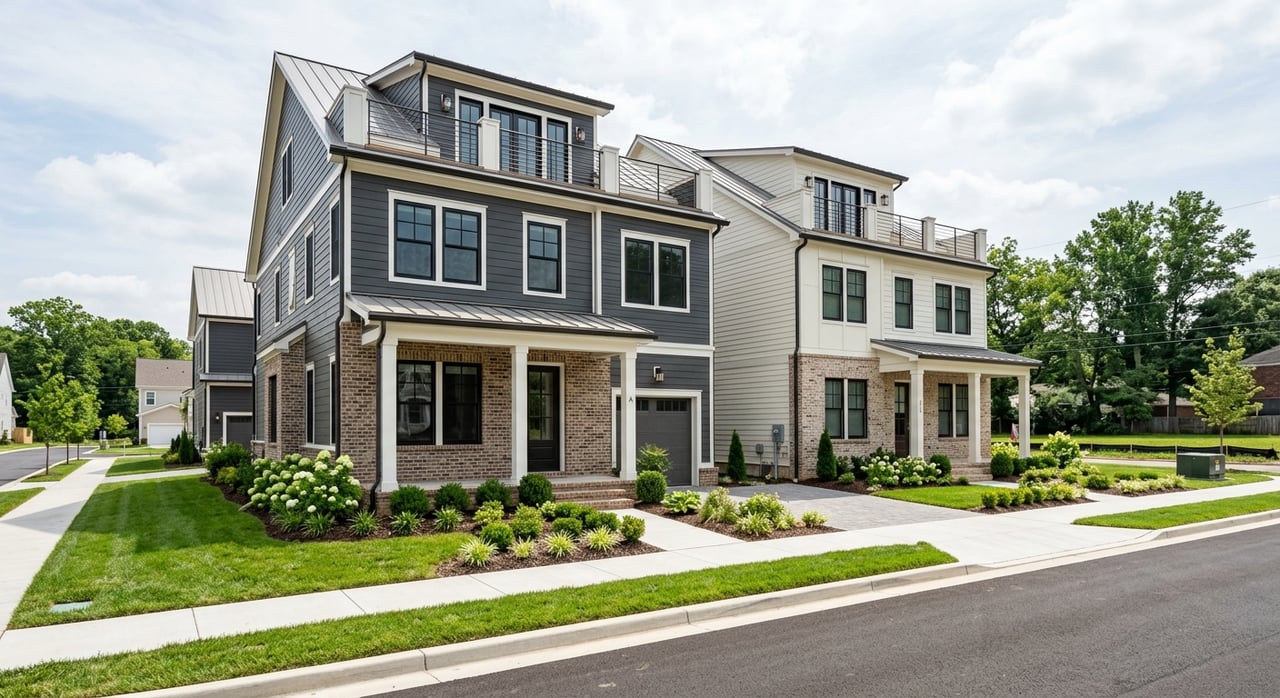
The local housing mix also matters. Frederick County remains heavily single-family, with 81.9% of housing in single-family homes overall, including 60.2% detached and 21.7% attached. That can support demand from renters who want more room than an apartment may offer.
Inside the City of Frederick, the renter share is more pronounced. The owner-occupied rate is 58.8% in the city versus 77.0% in the county, which suggests the city has a more renter-heavy profile. If you are targeting a rental property, that difference is worth paying attention to.
Why renters choose Frederick
A rental works best when the location gives people practical reasons to stay. In Frederick, those reasons often include commuting options, access to amenities, and a housing style that suits larger households. This is one reason the market often appeals to renters looking for suburban space with regional connectivity.
Frederick County’s mean travel time to work is 33.4 minutes, so commuting remains part of the local housing story. The area is also served by the MARC rail network through Frederick and by MTA commuter bus Route 515, which connects Frederick to Shady Grove and Rock Spring. Frederick County also lists MARC, Route 515, Route 505, Route 204, and Meet-the-MARC shuttles as regional transportation options.
Lifestyle also plays a role in rental demand. Downtown Frederick offers restaurants, craft beverage makers, specialty shops, and Carroll Creek Linear Park within walking distance. Across the county, outdoor access includes the C&O Canal National Historical Park and many paved and unpaved trails maintained by county parks.
For many renters, that combination matters. A home near downtown, a park-and-ride, transit access, or outdoor amenities may be easier to market to commuters and households that value space and convenience. That does not guarantee performance, but it can strengthen the property’s appeal.
Single-family rentals fit some goals better than others
A Frederick single-family rental may be a good fit if you want a property in a growing area with commuter appeal and a housing stock that leans suburban. It may also fit if you are comfortable taking a longer view and budgeting for maintenance, taxes, and local compliance.
It may be a less natural fit if your top priority is simple monthly cash flow from day one. Based on median ACS figures, county median gross rent is $1,774 while median owner cost with a mortgage is $2,449. In the city, median gross rent is $1,764 while median owner cost with a mortgage is $2,222.
Those figures do not represent any specific property, but they are useful as a quick screen. Using these medians, annual gross rent equals about 4.4% of county median home value and about 5.3% of city median home value. That suggests Frederick is better viewed as a market where demand and long-term positioning may matter more than easy cash flow.
The city-versus-county choice matters
One of the biggest mistakes you can make is treating Frederick as one uniform rental market. Your operating costs and compliance steps can change depending on whether the property is inside the City of Frederick or elsewhere in Frederick County. That distinction should be part of your buying decision before you make an offer.
For 2025-2026, Frederick County lists a real property tax rate of 1.110 per $100 of assessed value outside Frederick City. For properties in Frederick City, the county differential rate is 1.0079 per $100, and the City of Frederick municipal rate is 0.7055 per $100. The same county tax sheet states that the 5% assessment cap applies to primary residences only.
That means your tax modeling should be specific to the property’s location and use. A rental inside city limits does not carry the same operating picture as a rental outside the city. If you skip that detail, your numbers may look better on paper than they do in reality.
City rentals come with more formal requirements
If you buy inside the City of Frederick, licensing is part of the process. The city requires a residential rental license for single-family homes, townhomes, condos, duplexes, and apartment units. The fee is $240 per unit for a two-year license, and the city says properties may be selected at random for annual inspection.
That makes inspection readiness part of your underwriting, not just a task after closing. You will want to think about condition, repair needs, and how quickly you can address issues if they come up. This matters even more in older homes.
The City of Frederick says it has more than 10,500 rental dwellings and that many were built before 1980. Older housing can be attractive and well-located, but you should budget carefully for upkeep and repairs.
County rentals follow a different inspection path
Outside the city, the rules are different. Frederick County says it uses the 2024 IPMC for residential rental inspections, effective June 6, 2026, and that inspections are complaint-based. That is not the same as the city’s license-and-inspection framework.
For you, the takeaway is simple: county rentals may feel less formal on the front end, but condition still matters. A complaint-based system does not remove repair risk. It only changes how enforcement may show up.
Maintenance can shape your returns
A Frederick single-family rental can look appealing at first because single-family homes often attract renters who want more bedrooms, storage, yard space, or a more suburban layout. Still, larger homes and older homes can bring more maintenance responsibility. That is especially important if you are shopping in areas with aging housing stock.
Before you buy, think beyond the mortgage and expected rent. Ask what systems may need updates, what deferred maintenance you can already see, and how much reserve you want set aside after closing. A property that is easier to maintain may outperform a more charming home with constant repair needs.
This is where a local, detail-oriented approach can help. The right purchase is not just about finding a house that can rent. It is about finding one that can rent and operate with fewer surprises.
Questions to ask before you buy
If you are serious about investing in Frederick, it helps to pressure-test your decision with a few practical questions. These conversations can save you from buying a property that fits the area but not your actual goals.
Ask your property manager
- Can you handle City of Frederick rental registration, renewal, and inspection coordination?
- If the property is in the county, how do you handle complaint-based IPMC inspections and repairs?
- What reserve do you recommend for pre-1980 homes in Frederick?
- Which areas tend to lease faster for single-family rentals?
Ask your CPA
- What annual property tax should I model inside city limits versus outside them?
- Does the county’s 5% assessment cap apply to a rental property, or only to a primary residence?
- How should I budget for depreciation, repairs versus capital improvements, vacancy, and management fees when I review after-tax return?
So, is a Frederick single-family rental right for you?
It could be, especially if you want to invest in a growing area with commuter links, suburban housing stock, and amenities that support long-term renter appeal. Frederick can make sense for buyers who value space, location, and steady demand drivers more than quick, easy cash flow.
At the same time, this market asks you to be realistic. Taxes, maintenance, and rental compliance can change your numbers fast, especially if the property is inside the City of Frederick or is part of the older housing stock. The best investment choice is usually the one that fits both the market and your tolerance for hands-on ownership.
If you want help evaluating neighborhoods, comparing city versus county options, or narrowing down a property that fits your goals, Gerly Oden offers a concierge-style approach that helps you move forward with clarity.
FAQs
Is Frederick, MD a good place for a single-family rental?
- Frederick may appeal to rental buyers who want population growth, commuter access, and strong single-family housing inventory, but the market is not a simple low-friction cash-flow play.
Are rental rules different in Frederick City and Frederick County?
- Yes. The City of Frederick requires a residential rental license and may select properties for annual inspection, while Frederick County says residential rental inspections are complaint-based and use the 2024 IPMC effective June 6, 2026.
What are Frederick rental taxes like for investors?
- Tax treatment depends on location. For 2025-2026, Frederick County lists a rate of 1.110 per $100 outside Frederick City, while city properties have a county differential rate of 1.0079 per $100 plus a City of Frederick municipal rate of 0.7055 per $100.
Does the 5% Frederick County assessment cap apply to rental property?
- Frederick County’s 2025-2026 tax sheet says the 5% assessment cap is for primary residences only.
Is the City of Frederick more renter-heavy than the county?
- Yes. The city’s owner-occupied housing rate is 58.8%, compared with 77.0% in Frederick County, which suggests the city has a larger renter presence.
What should you watch for in older Frederick rental homes?
- The City of Frederick says many rental dwellings were built before 1980, so you should budget carefully for maintenance, repairs, and inspection readiness when evaluating older properties.