Ever looked at two North Potomac homes and wondered why the HOA fees are so different? You are not alone. Understanding what you pay for, how fees are set, and what to review before you buy or sell can save you stress and money. This guide explains how HOA and condo fees work in North Potomac and nearby Montgomery County communities so you can make a confident decision. Let’s dive in.
HOA basics in North Potomac
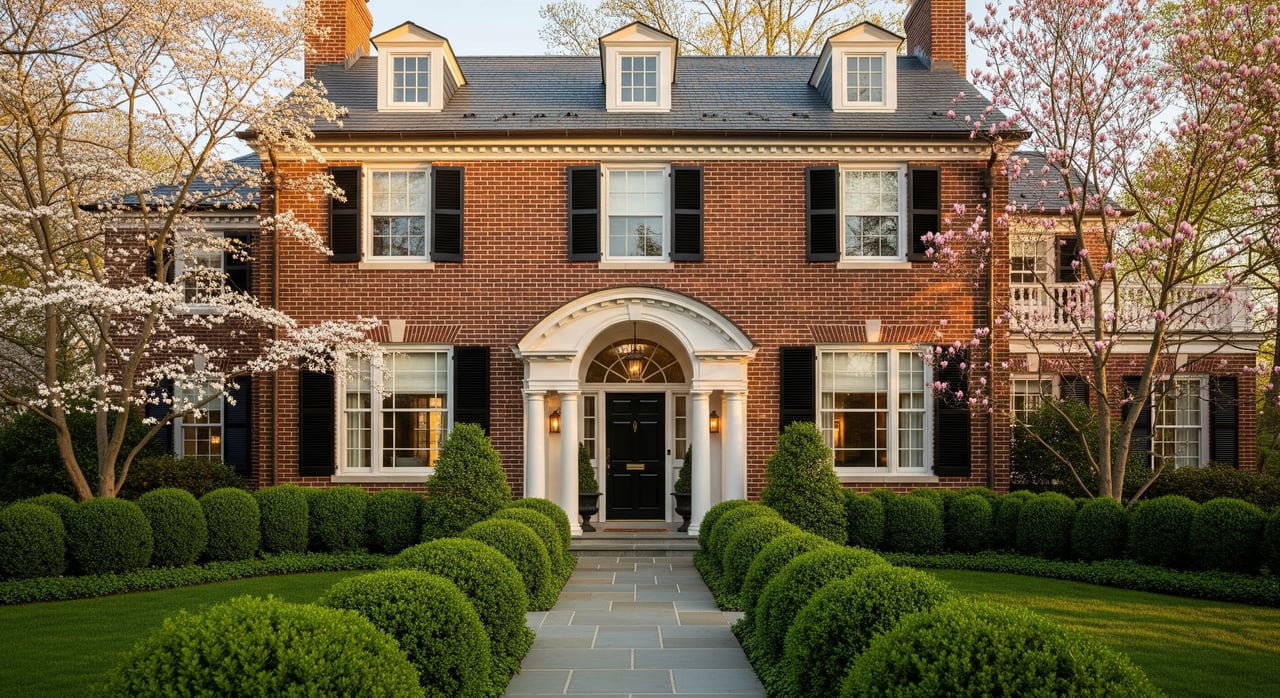
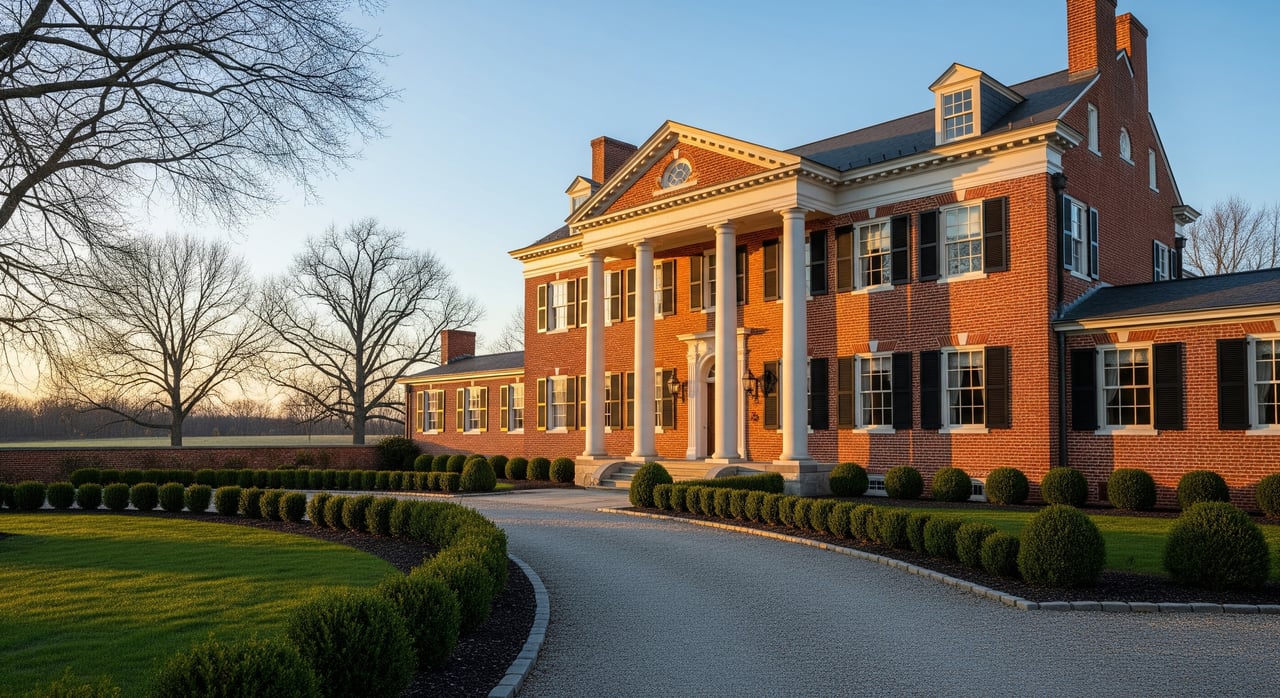
North Potomac has a mix of condominiums, townhome communities, and single-family neighborhoods. Some areas also use a master association layered over a smaller sub-association. In a condo, you typically own the interior of your unit, and the association manages building exteriors and shared elements. In an HOA for townhomes or single-family homes, responsibilities vary by community, from limited common-area care to full exterior maintenance.
Associations operate under recorded documents and Maryland law. A volunteer board oversees the budget and rules, and many communities hire a professional management company. The management model and scope of services affect how your fees are budgeted and administered.
What HOA fees cover
What your fee covers depends on your governing documents. These are the most common categories you will see in North Potomac and greater Montgomery County.
- Common area maintenance and grounds: Landscaping of shared spaces, tree care, mowing, mulching, irrigation, and care of private sidewalks and roads when the association is responsible.
- Building and exterior maintenance: In condos and some full-service HOAs, fees can cover roof and siding care, exterior painting, gutters, and structural repairs to exterior building systems.
- Utilities and service contracts: Power for exterior lighting and amenities, water for irrigation, and sometimes bulk cable or Internet. In some communities, water or sewer is billed through the association.
- Facilities and amenities: Pool, clubhouse, fitness room, playgrounds, trails, courts, and lakes, including staffing, cleaning, utilities, and insurance for those facilities.
- Management and administration: Professional management fees, bookkeeping, on-site staff payroll, meeting notices, legal and accounting support, software, and web hosting.
- Insurance: A master policy that covers common elements and often building exteriors in condos, plus general liability and directors and officers coverage.
- Reserve fund contributions: Savings for big-ticket replacements like roofs, paving, elevators, pool systems, and common HVAC, which help reduce surprise special assessments.
- Taxes, fees, and compliance: Property taxes on common property where applicable, permits, state filings, and required inspections or studies.
- Enforcement and legal costs: Legal support for covenant enforcement, collections for unpaid assessments, and any litigation.
- Miscellaneous services: Trash and recycling if contracted by the association, pest control for common areas, security systems, and community events.
Local services: who handles what
In Montgomery County, some services are public and others are private. This is why HOA coverage varies.
- Trash and recycling: Some neighborhoods rely on county pickup while others contract privately through the HOA. Confirm which applies to your address.
- Snow removal: County plows public roads. Many townhome and private road communities handle snow removal on private streets and shared parking through the HOA budget.
- Stormwater systems: Many communities are responsible for on-site stormwater ponds, easements, and inspections. Your fee may fund these maintenance requirements.
How fees are set and change
Your board develops an annual budget that projects operating costs and reserve contributions. The total budget is divided among owners according to the allocation method in your documents. This might be equal shares, a percentage interest, square footage, or unit type.
Reserve studies and savings
A reserve study estimates the useful life and replacement cost of major components and recommends funding. Some associations fully fund reserves, others contribute less and rely on special assessments when big projects arise. Healthy reserves reduce the chance of large one-time charges.
Special assessments and projects
If reserves are short or an unexpected repair hits, the board may levy a special assessment. Large capital projects sometimes require specific owner approvals based on your governing documents.
Fee increases and notices
Boards can usually adjust regular assessments by following procedures in the bylaws. Some documents require member notice or approval for certain increases. The exact steps and timelines vary by community and Maryland statute.
Unpaid dues and enforcement
If an owner does not pay assessments, most associations can add late fees and interest, record a lien, and pursue legal remedies. In Maryland, foreclosure on an association lien is possible, subject to state law and your documents.
What to check before you buy or sell
You can avoid surprises by requesting key documents early and asking targeted questions.
Essential documents
- Declaration or CC&Rs, Bylaws, Articles of Incorporation, and Rules and Regulations.
- Current budget, recent financial statements, and the latest reserve study or reserve summary if available.
- Recent meeting minutes, ideally the last 12 to 24 months, to spot planned projects or potential special assessments.
- Association master insurance certificate, including deductibles and coverage scope.
- Management contract if applicable and any recent board decisions that affect fees.
- Resale disclosure package or certificate that outlines assessments, rules, and pending special assessments.
- List of any pending litigation.
- Policies on rentals, pets, architectural review, and parking.
Smart questions to ask
- What exactly is included in the regular assessment for this property type?
- Have there been recent or planned special assessments, and why?
- How large is the reserve fund compared with the reserve study target?
- Any pending insurance claims or lawsuits?
- Who pays for which utilities, and who handles exterior components?
- How often have fees increased, and by how much?
Red flags to watch
- Low reserves compared with the age and condition of roofs, paving, or major systems.
- Repeated or escalating special assessments in recent years.
- Pending litigation or frequent legal disputes.
- High owner delinquency rates that may strain the budget.
- Vague documents about who insures or maintains specific components.
- Difficulty obtaining current financials or required disclosures.
Affordability and underwriting
Lenders count HOA or condo fees in your debt-to-income ratio. Higher fees can affect your mortgage approval or your price range. Some loan programs also require specific condo or HOA documentation.
Insurance decisions for owners
Condo owners should match their personal HO-6 coverage to the master policy to insure interiors, personal property, and loss assessments where appropriate. Townhome and single-family owners should confirm whether the HOA covers exterior elements. If not, your homeowner policy should address exterior risks.
Balance amenities and costs
A community with pools, clubhouses, and staffed facilities may fit your lifestyle and can justify higher fees. A lower-fee neighborhood may suit you if you prefer fewer amenities or self-managed services. The right fit comes from reviewing documents, comparing coverage, and aligning the fee with the value you receive.
Get local guidance you can trust
If you want help reviewing HOA documents or positioning your home for a smoother sale, you do not have to go it alone. With deep experience across Montgomery County communities, we can help you compare fee structures, spot red flags, and align costs with your goals. Let’s connect and map your next steps. Schedule your complimentary home valuation with Gerly Oden.
FAQs
What do HOA fees usually include in North Potomac?
- Fees typically cover grounds care, private road or sidewalk upkeep where applicable, amenities, management, insurance for common elements, reserves, and sometimes trash or bulk utilities.
How are condo fees allocated in Maryland communities?
- Allocation is determined by the governing documents and may be equal per unit, based on percentage interest, square footage, or unit type.
What is a reserve fund and why does it matter?
- A reserve fund saves for big replacements like roofs and paving, and healthy reserves reduce the chance of special assessments when large projects arise.
Who clears snow on private streets in North Potomac?
- County plows public roads, while many HOAs handle snow removal on private streets and shared parking areas as part of the association budget.
Can an HOA in Maryland foreclose for unpaid assessments?
- Associations can use late fees, interest, and liens, and in Maryland foreclosure on an assessment lien is possible based on state law and the association’s documents.
Are HOA dues tax-deductible for homeowners?
- Routine HOA dues for a personal residence are generally not tax-deductible, so speak with a tax professional about your specific situation.