Are you trying to time a move in Damascus but unsure if the market favors buyers or sellers right now? You are not alone. With most homes here being single-family on larger lots, the supply picture looks very different from nearby Germantown or Clarksburg, and that changes how you plan and negotiate. In this guide, you will learn how to read the key indicators that matter in Damascus, what Upcounty seasonality means for your timing, and how to adjust your strategy whether you are buying or selling. Let’s dive in.
Read the market in minutes
Before you set a price or write an offer, focus on a few metrics that reveal leverage and speed:
- Months of inventory (MOI). MOI is active listings divided by the average monthly sales. Fewer than 3 months usually signals a seller’s market. Three to 6 is more balanced. More than 6 typically favors buyers.
- Median days on market (DOM). Very low DOM, often under 10 to 14 days, points to fast-moving listings and more competition. Higher DOM, often above 45 to 60 days, suggests overpricing or condition issues and more room to negotiate.
- List-to-sale price ratio. Ratios over 100 percent indicate buyers are paying above list. Ratios under 98 percent hint at price pressure and potential concessions.
- Demand velocity. Pending and closed sales per month show how quickly homes are getting absorbed.
When MOI is low, DOM is short, and list-to-sale is over 100 percent, sellers usually have the edge. When MOI and DOM rise and sale-to-list dips below 98 percent, buyers gain negotiating power.
What makes Damascus different
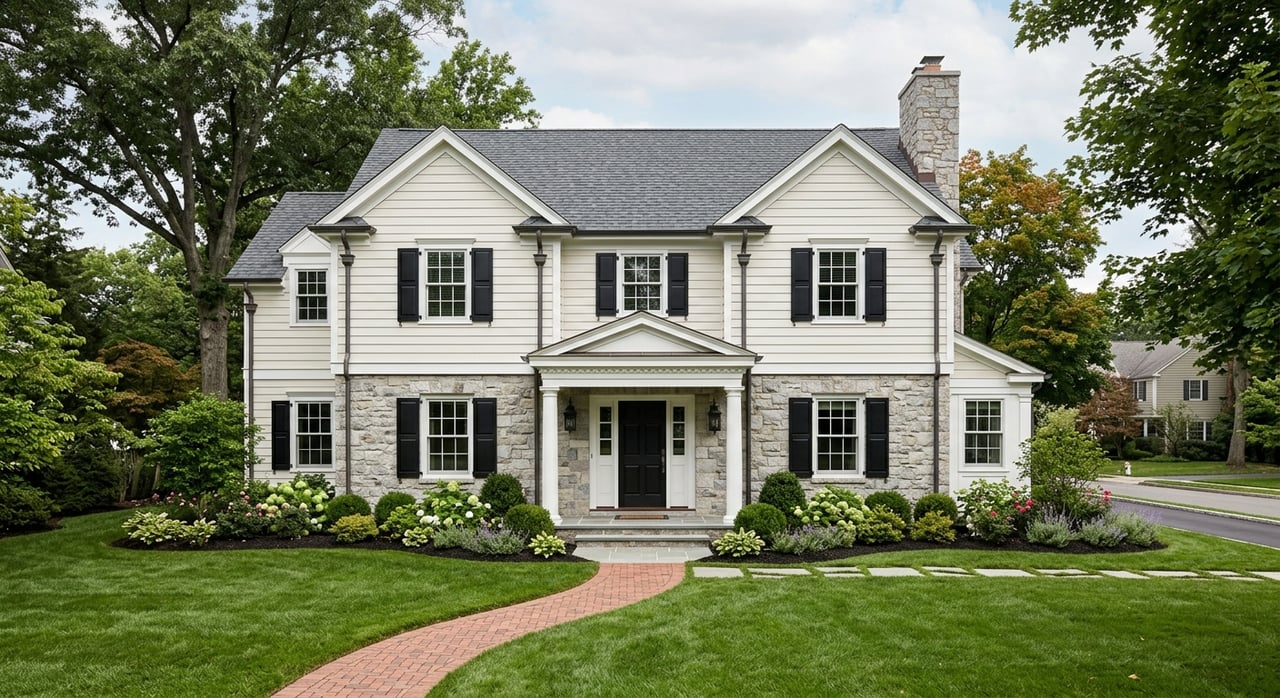
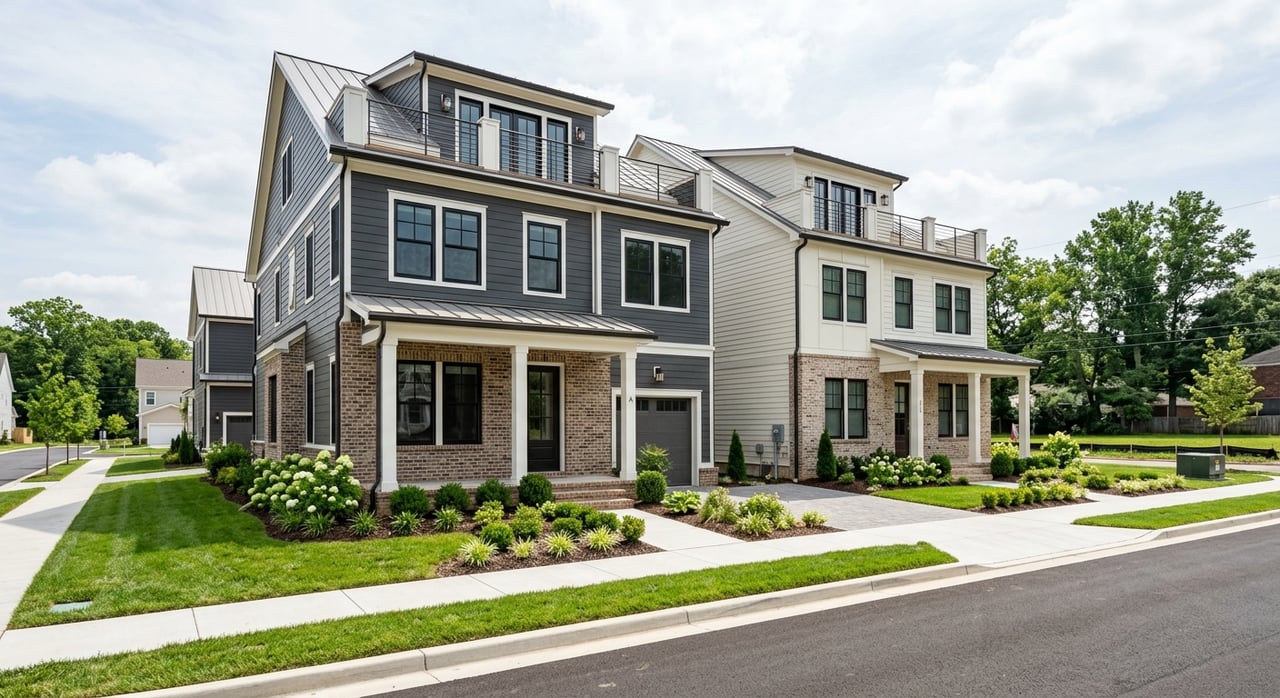
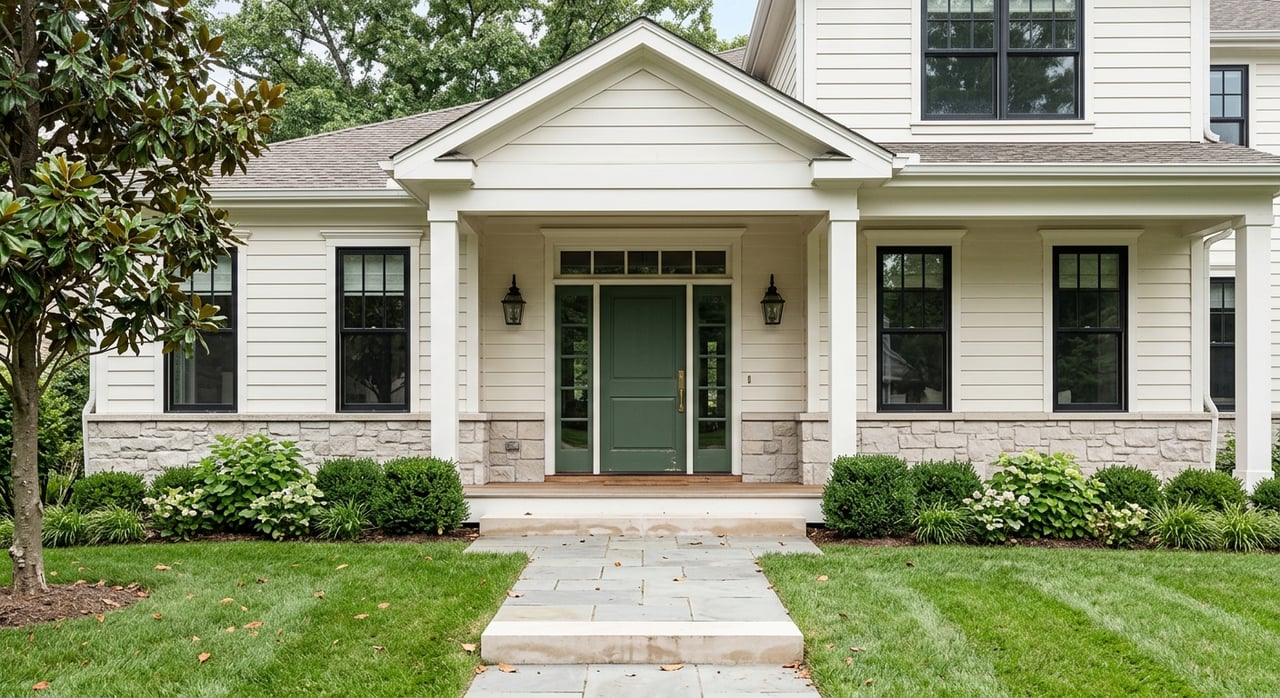
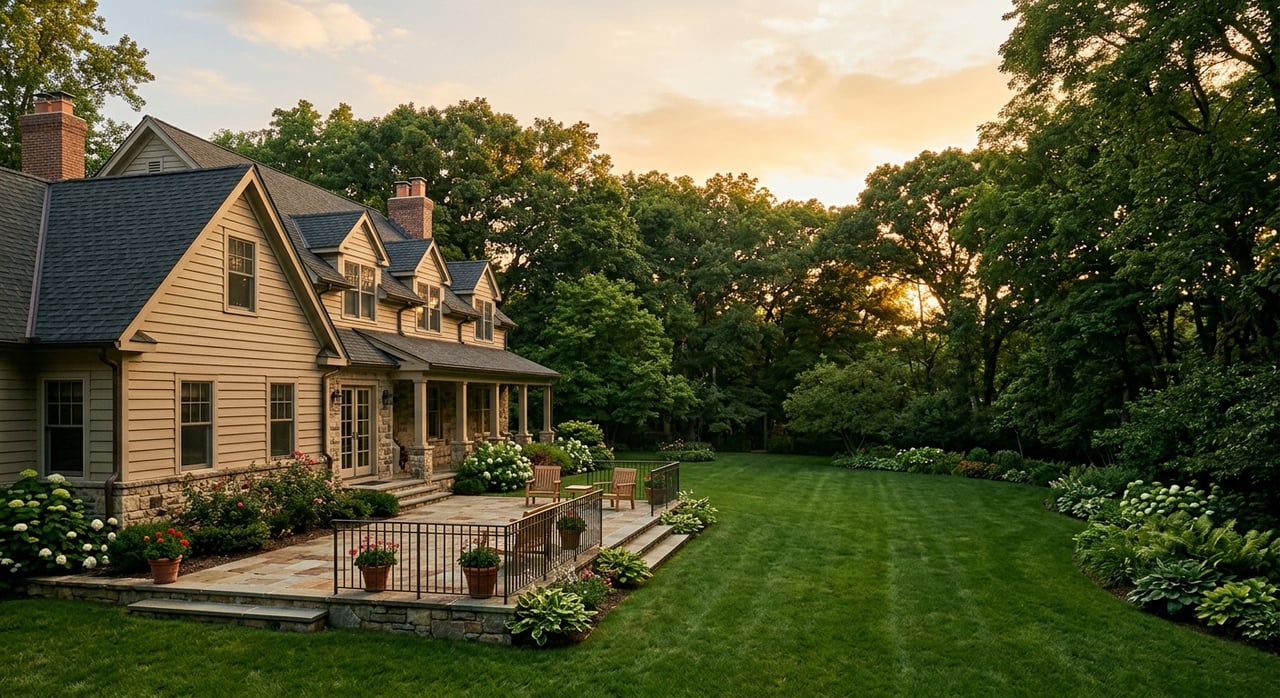
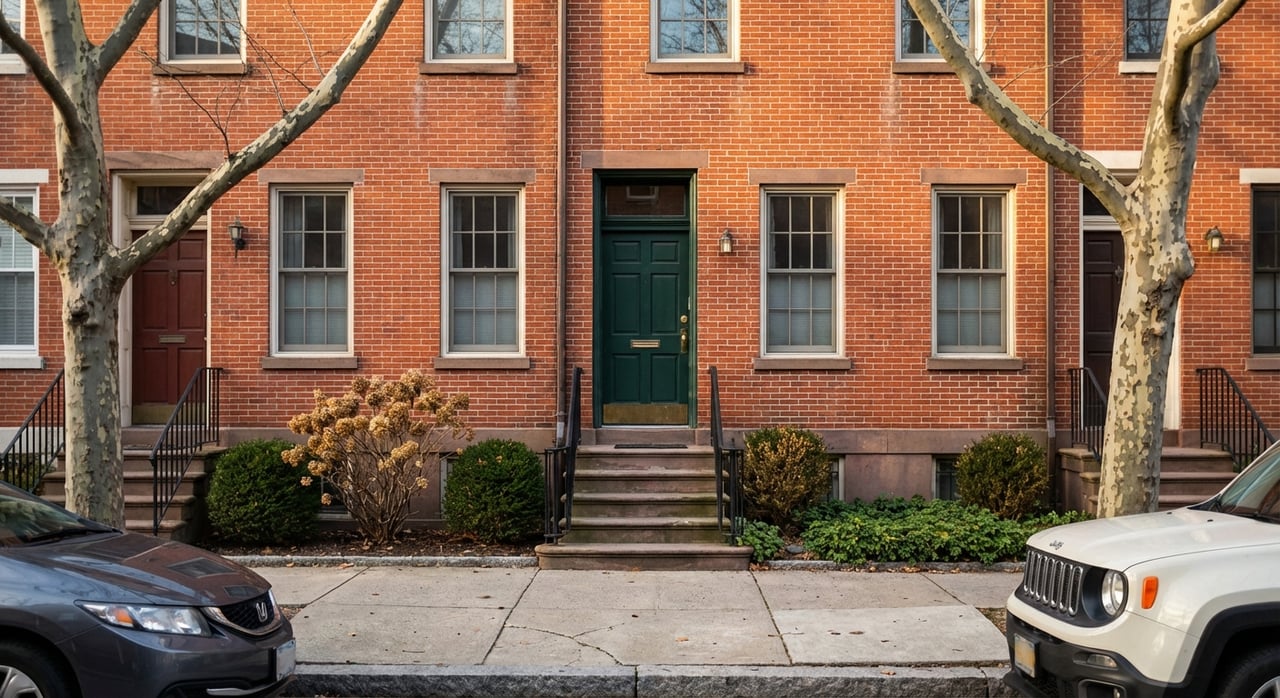
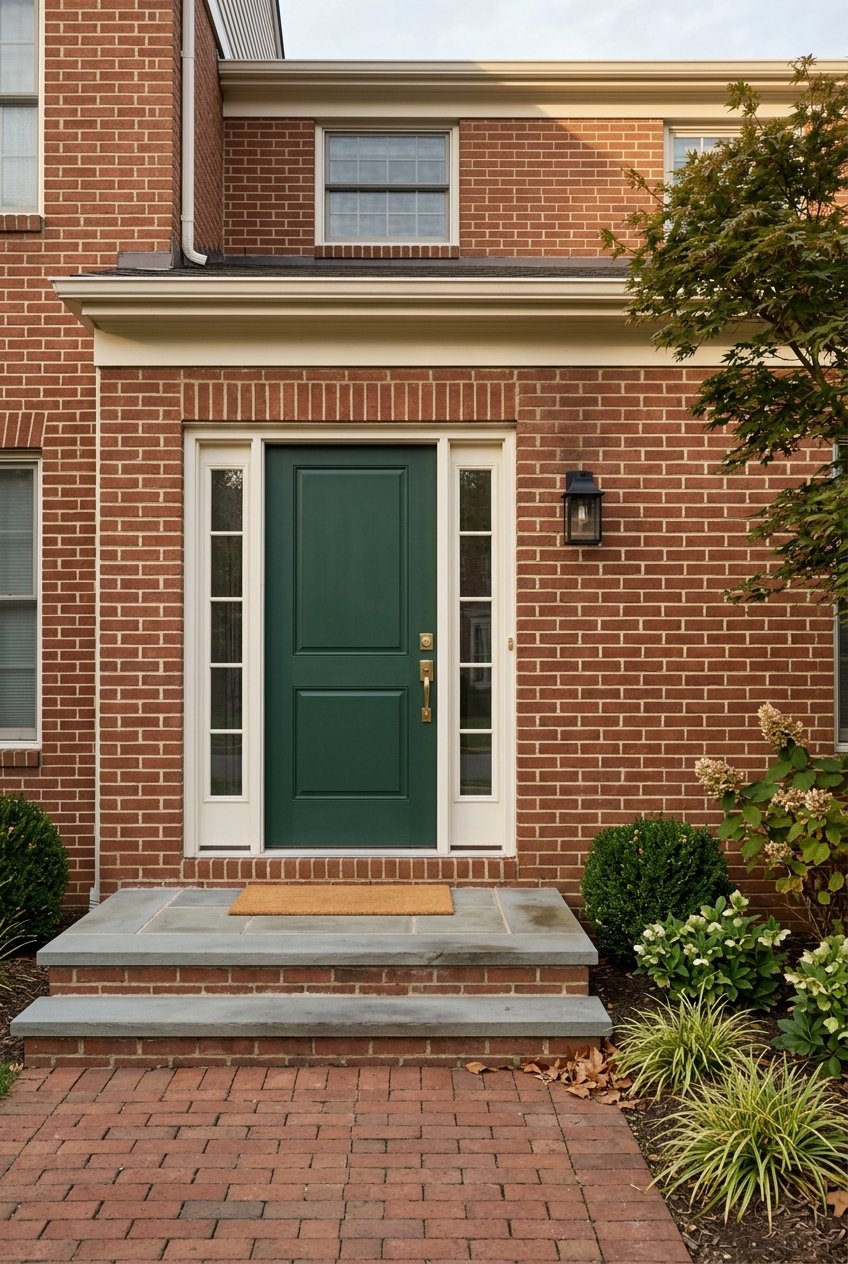
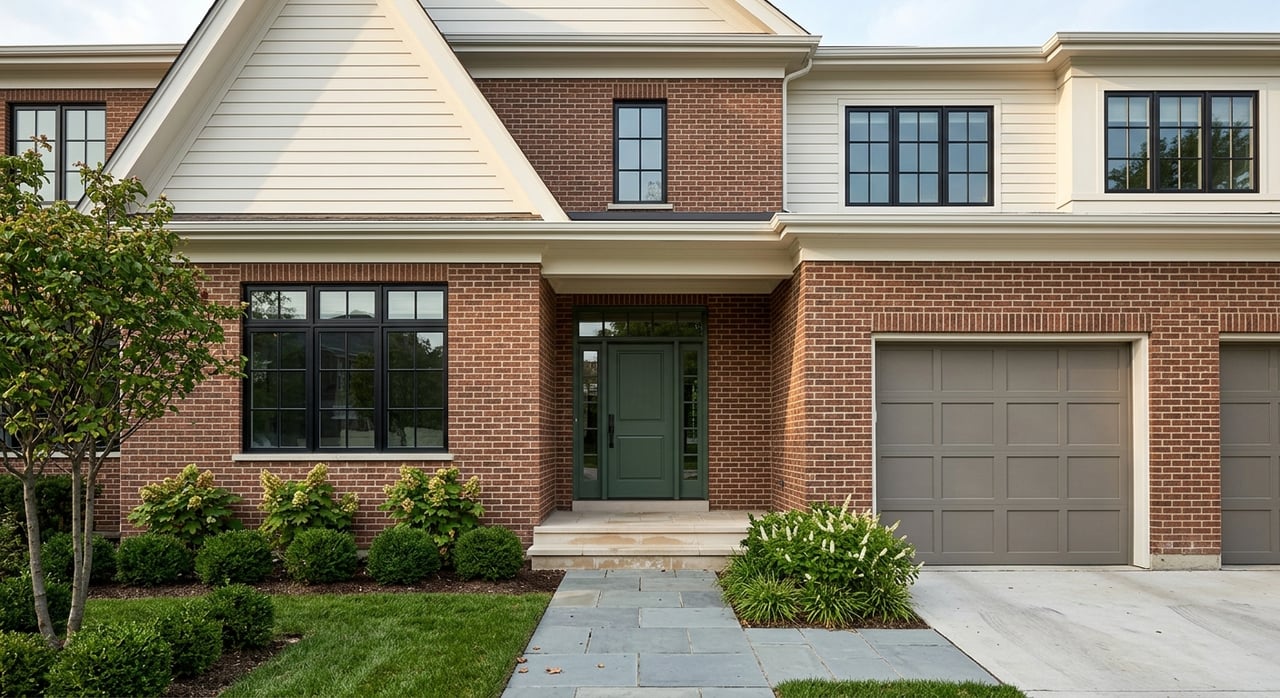
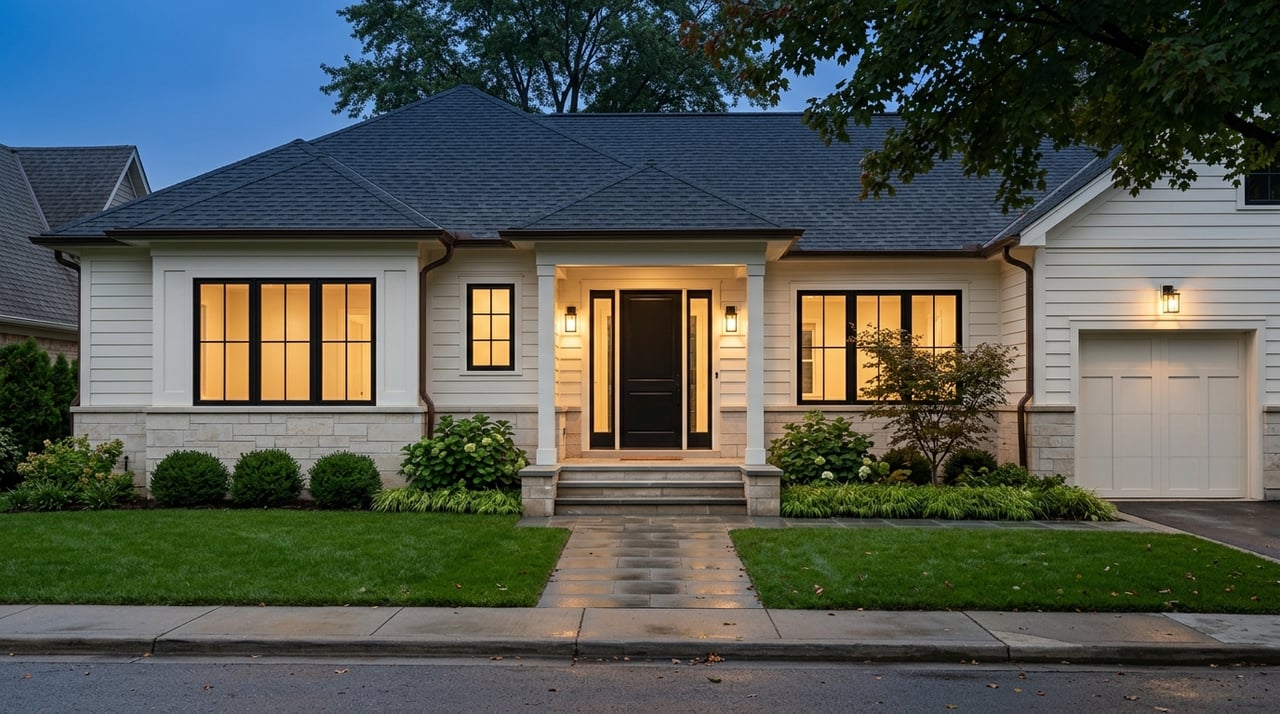
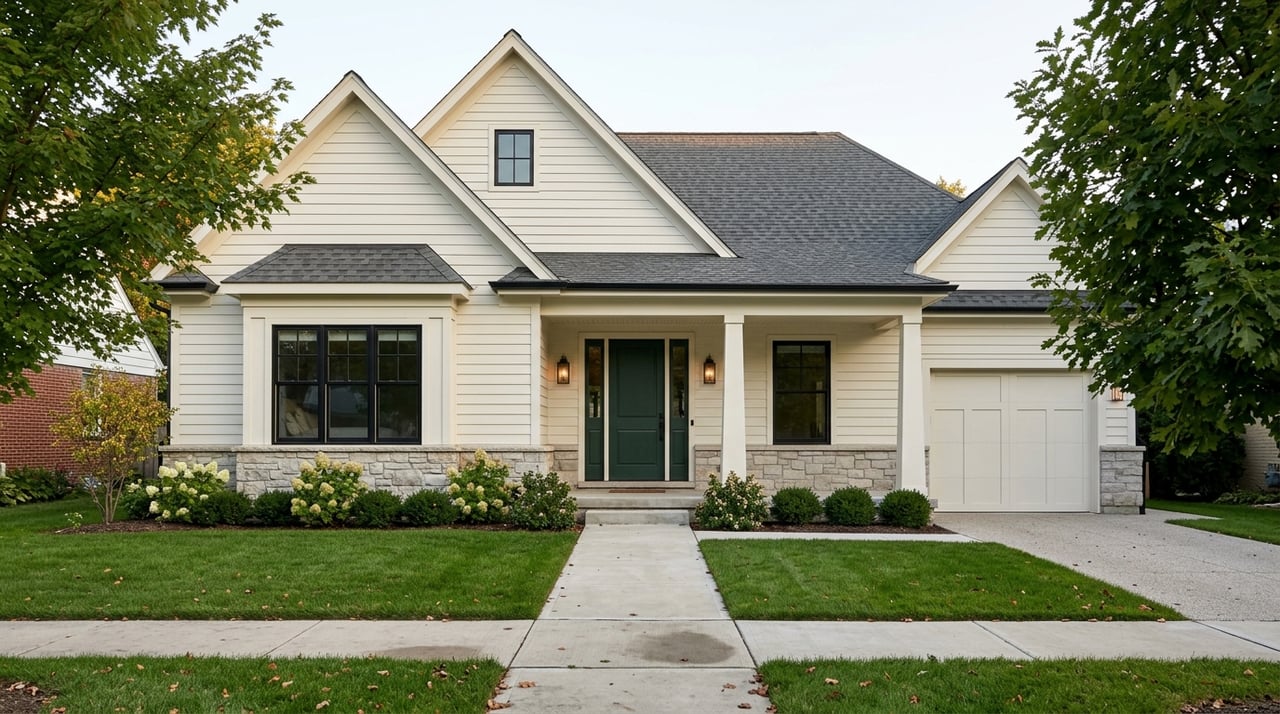
Damascus is mostly single-family detached homes on larger or semi-rural lots. You will find fewer townhomes and condos than in nearby submarkets. That mix often means lower turnover and smaller active-listing counts, especially at certain price points. The result can be tight supply in popular segments even when nearby areas feel balanced.
New construction is present but limited. Larger-scale new-build options are more common in Clarksburg and parts of Germantown. That matters because builders can offer incentives, and resale sellers in those areas often price to compete with included upgrades. In Damascus, where resale is the norm, pricing and preparation carry more weight.
Buyers here often prioritize lot size, yard space, and overall value for square footage. That can make condition and site details more important in negotiations than proximity to transit. If a home is dated or has deferred maintenance, days on market may stretch and price adjustments become more likely.
What to check before acting
- Housing type mix. Track new listings and sales of single-family versus townhome or condo to understand choice at your price tier.
- Lot size bands. Compare outcomes for homes under 0.25 acre, 0.25 to 1.0 acre, and over 1.0 acre. Pricing can vary sharply by lot size.
- Age and new-build share. Note the median age of sold homes and how many new construction closings appear in the data.
Damascus-specific due diligence
- Site systems. Some properties may have well and septic or site features such as stream buffers. Budget for site inspections in addition to a standard home inspection when relevant.
- Appraisal considerations. Unique, larger lots or homes with few close comparables can introduce appraisal risk. If you plan to cover potential gaps, define your maximums clearly.
- Road and easements. Verify private versus public road maintenance, permits for well and septic where applicable, and any agricultural or forestry easements that affect use.
Damascus vs Olney, Germantown, and Clarksburg
Damascus
- Product mix. Primarily single-family on larger lots with a more varied age profile.
- Supply dynamics. Lower turnover can create scarcity in specific segments. Well-priced, well-prepared homes can see strong activity. Dated homes may sit longer and require price or credit adjustments.
- Negotiation levers. In a hot week, set clear offer timelines and emphasize proof of funds and pre-approval. In a quieter week, consider seller credits or a home warranty to keep buyers engaged.
Olney
- Product mix. Established suburban neighborhoods with many single-family homes on modest-to-large lots.
- Demand drivers. Buyers focus on condition, neighborhood amenities, and commuting routes. School assignment areas can influence demand.
- Negotiation levers. Sellers in sought-after micro-markets may capture premiums if pricing is strategic. Buyers can still negotiate on homes with longer DOM or deferred maintenance.
Germantown
- Product mix. A broad range that includes townhomes, condos, and single-family homes. Listing volumes tend to be higher than in Damascus.
- Supply dynamics. More options in some price tiers can increase negotiating room. Entry-level homes may still be competitive.
- Negotiation levers. Buyers often compare across multiple neighborhoods. Sellers should differentiate on condition and pricing.
Clarksburg
- Product mix. Master-planned communities and a meaningful new construction presence.
- Supply dynamics. Builder inventory and incentives shape pricing. Resale sellers may need to price to compete with new-build upgrades and credits.
- Negotiation levers. Buyers should review builder incentives and delivery timelines. Resale listings shine when move-in ready and priced against local new-build options.
Seasonal timing in Upcounty
Every Upcounty market follows a seasonal rhythm, but Damascus’ lower turnover can make peaks feel smaller and micro-markets more volatile.
- Spring peak, March to June. The most new listings and sales. You will likely see more multiple-offer scenarios on well-prepared single-family homes. Buyers should have pre-approvals ready and move quickly, while keeping vital protections in place.
- Summer plateau, July to August. Activity continues, though often below spring. Families manage schedules around the school calendar. Well-priced homes still move, but some negotiation opens up.
- Fall slowdown, September to November. Listings dip and motivated sellers remain. Homes that linger from spring often reduce price or offer credits. Buyers can find opportunity if they are patient and precise.
- Winter lull, December to February. The fewest listings and sales. Serious buyers can secure favorable terms, especially on dated properties or homes with longer DOM.
Because Damascus has fewer listings overall, a single standout property can attract multiple offers even in a quiet month. That is why you should read the immediate 30 to 90 day data, not just the annual trend.
Seller strategy for Damascus
If the numbers point to a seller’s market in your segment, lean into momentum while staying realistic.
- Price to the market. Use recent, hyper-local comparables matched by lot size, square footage, and condition. Aim to attract multiple offers rather than chase the very top of the range.
- Prepare for speed. Pro photos, light staging, and a clear offer deadline can compress DOM and push your list-to-sale ratio toward the top of the range.
- Plan your terms. Request pre-approval letters and proof of funds. Consider an escalation deadline and instructions for appraisal gap language, if appropriate.
- If conditions are softer. Offer a home warranty, limited credits for cosmetic updates, or closing cost help to widen your buyer pool.
Buyer strategy for Damascus
If the data shows a tight market, sharpen your approach so you can compete without overreaching.
- Get fully underwritten. Strong pre-approval and a clear closing timeline improve your offer’s credibility.
- Be precise on comps. Focus on homes with similar lot size and condition. That helps you set an escalation ceiling you can live with.
- Protect your interests. You can shorten timelines and tighten contingencies, but understand inspection and appraisal risk before you waive anything.
- Consider new-build comparisons. In Clarksburg or parts of Germantown, builder incentives can change the math. Compare total out-of-pocket, upgrades, and HOA dues to an updated resale in Damascus.
If the market turns more balanced, look for listings with higher DOM, price reductions, or items flagged during inspection. These signals often lead to credits or repairs.
A quick way to read this month’s momentum
You can get a fast, practical read on Damascus by combining a few checks:
- MOI snapshot for zip 20872. Compare active listings to average monthly sales for the last 90 days and the last 12 months.
- Median DOM trend. Look at the last 30 days versus the prior quarter to see whether listings are speeding up or slowing down.
- List-to-sale ratios and share sold over list. If many closings are above ask, price discipline and speed matter more.
- Segment by price band and lot size. Conditions can be hot under one price threshold and very different just above it.
- Scan nearby comparables. Include Olney, Germantown, and Clarksburg to understand buyer alternatives and the impact of new construction.
If you do not have time to pull all that, ask your agent for a brief, chart-based update that covers MOI, DOM, and list-to-sale for your price tier and housing type. A 10-minute review can change how you price, prep, or write an offer.
How this shapes negotiation
Tie your decisions to what the metrics say:
- Seller’s market signals. Use offer deadlines, emphasize pre-approvals, and consider escalation clauses where appropriate. Small pre-list updates and sharp photography can make a bigger difference when buyers compete.
- Balanced conditions. Be flexible on closing dates and credits to keep deals moving. Pricing near the middle of the comparable range can shorten DOM and reduce the chance of multiple reductions.
- Buyer-favored signals. Expect requests for repair credits, longer inspection periods, or closing help. As a buyer, use those levers but stay focused on the most material items and appraised value.
Ready to move with clarity?
Whether you are upsizing, relocating, or weighing new-build versus resale, thoughtful use of MOI, DOM, and list-to-sale data will keep you grounded. Damascus’ single-family focus and lot-driven pricing make preparation, presentation, and precise comps essential. If you want a clear, concierge plan tailored to your timeline and budget, connect with Unknown Company to review your numbers and map the next steps.
FAQs
What is months of inventory and why it matters in Damascus?
- MOI estimates how long it would take to sell current listings at the recent sales pace. In Damascus, low MOI can appear in popular single-family segments, which often boosts seller leverage.
How do days on market affect offers in Upcounty areas?
- Very low DOM suggests fast competition and fewer concessions, while higher DOM usually means more room for credits, repairs, or price adjustments.
How should buyers compare Damascus to Clarksburg and Germantown?
- Weigh lot size and resale options in Damascus against new construction and potential builder incentives in Clarksburg or the wider variety of price points in Germantown.
When is the best season to list a single-family home in Damascus?
- Spring often delivers the most exposure and strongest list-to-sale outcomes for well-prepared homes, though success depends on pricing, condition, and micro-market demand.
What special inspections should Damascus buyers consider?
- In addition to a standard home inspection, plan for site-specific checks when applicable, such as well and septic evaluations or reviews of stream buffers and easements.