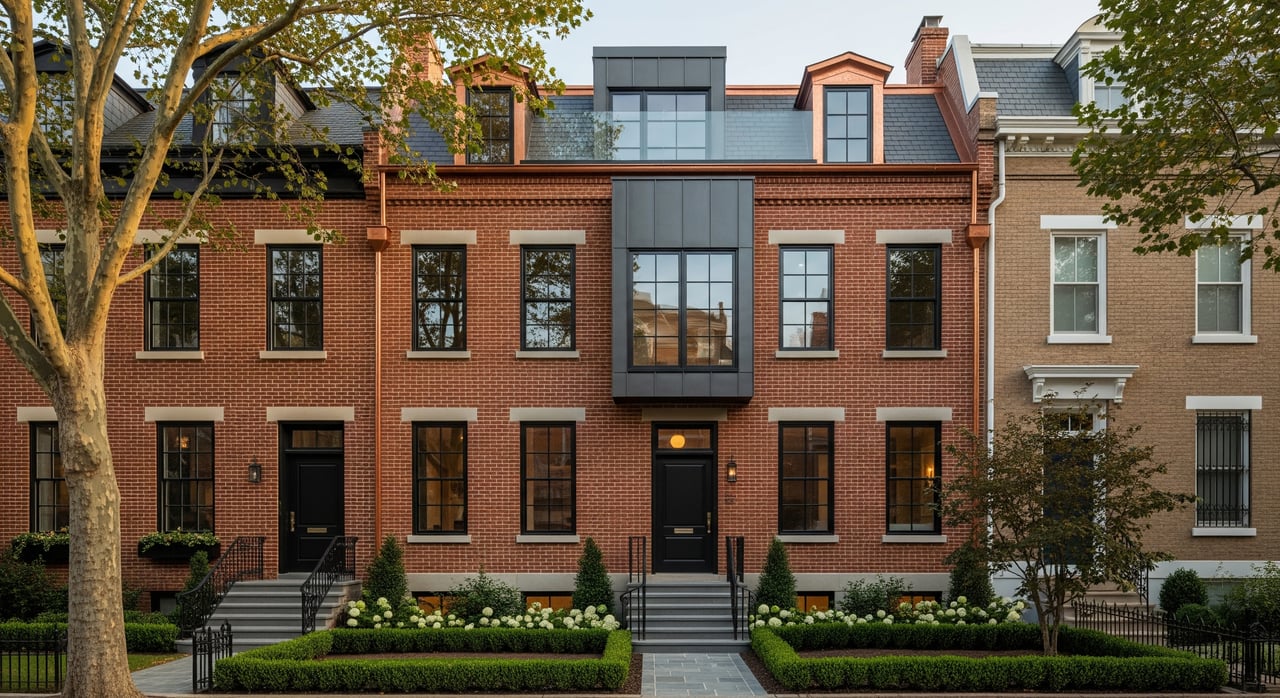
Thinking about renovating your Northwest DC rowhouse to boost resale value, but not sure where to start? You’re not alone. Many owners want to invest wisely, avoid surprises, and time the market. In this guide, you’ll learn which projects deliver the strongest returns in NW DC, how local rules affect cost and timelines, and a practical way to estimate your ROI before you swing a hammer. Let’s dive in.
What drives ROI in Northwest DC
Neighborhood and buyer expectations
Northwest DC is a collection of distinct neighborhoods, and buyer expectations can shift from one block to the next. Your ROI depends on how well your renovation matches local comps and what buyers expect at your price point. Proximity to Metro, parks, and respected schools often increases buyers’ willingness to pay for upgraded interiors and functional living space.
The key is alignment. A midrange, well-executed kitchen or bath in a high-demand corridor can perform better than a luxury overhaul on a quieter block. If you overshoot the neighborhood finish level, you risk leaving money on the table.
Market cycle and rates
Interest rates and overall demand also shape ROI. When rates rise or sales soften, buyers get more price-sensitive and renovation premiums shrink. In stronger seller markets, near-term ROI tends to improve. Build flexibility into your plan so you can pivot scope or timing if market conditions shift.
Projects that add value in rowhouses
Cosmetic refresh
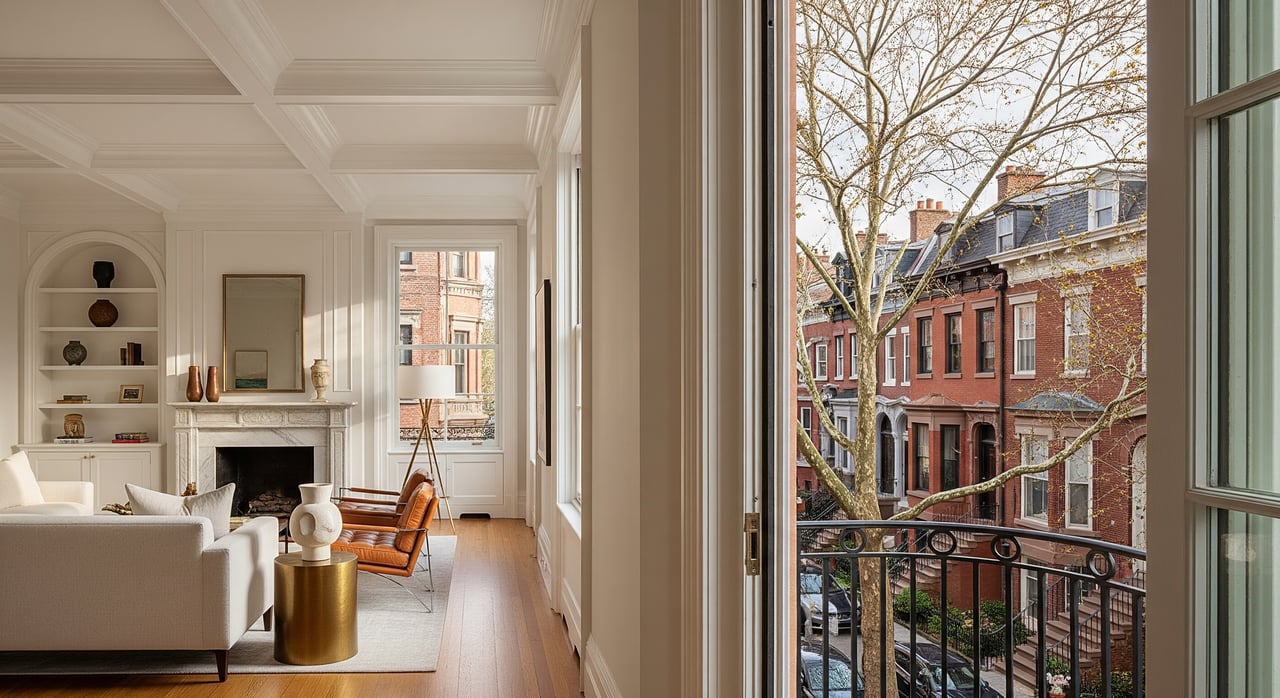
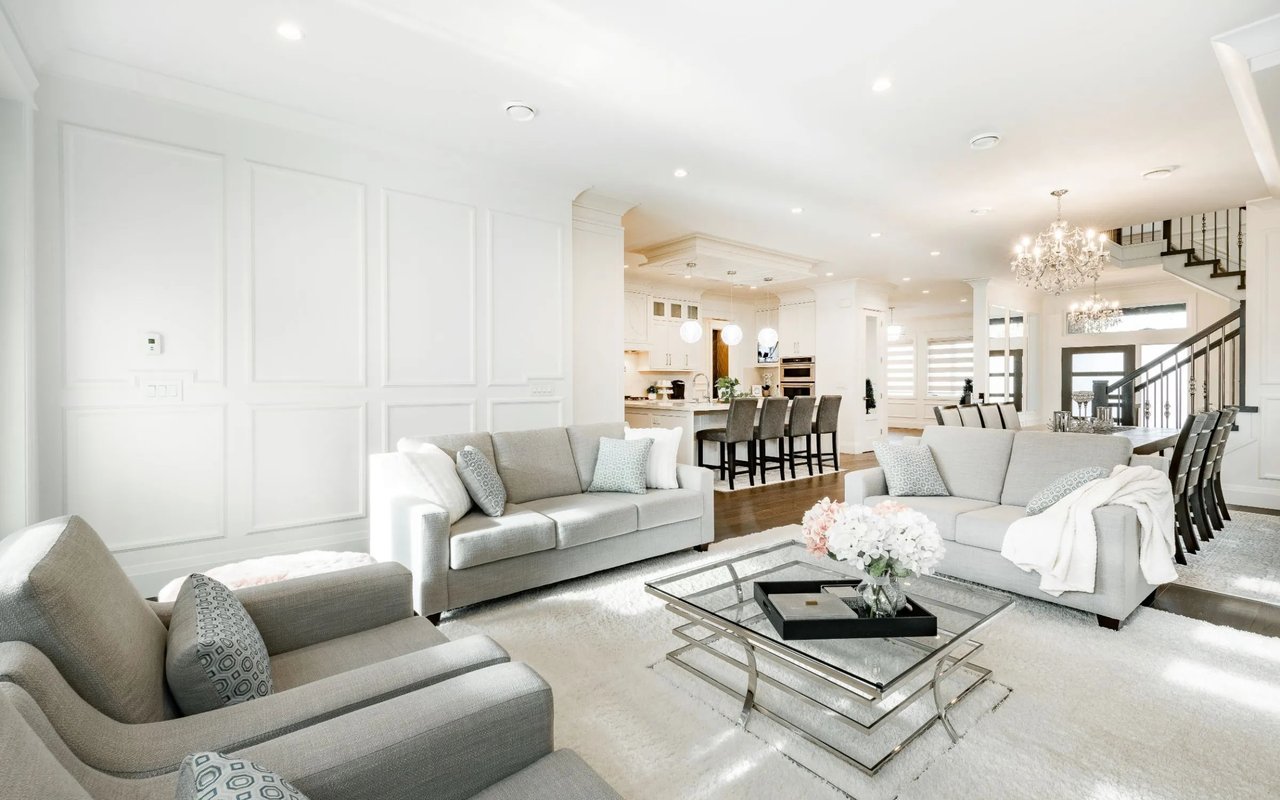
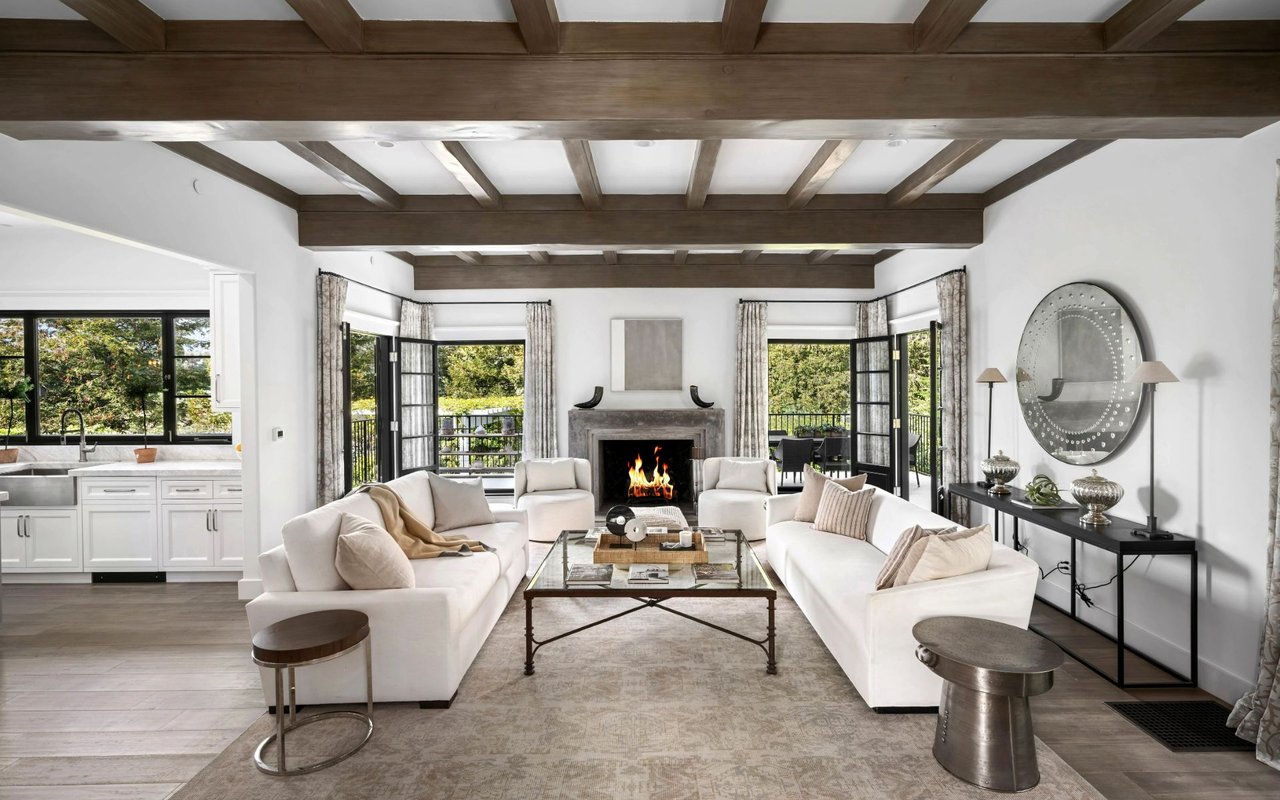
Fresh paint, updated lighting, new hardware, and refinished or new flooring deliver strong, risk-adjusted returns. These updates are relatively quick, typically low cost, and they show up in listing photos and buyer perception.
Kitchen updates
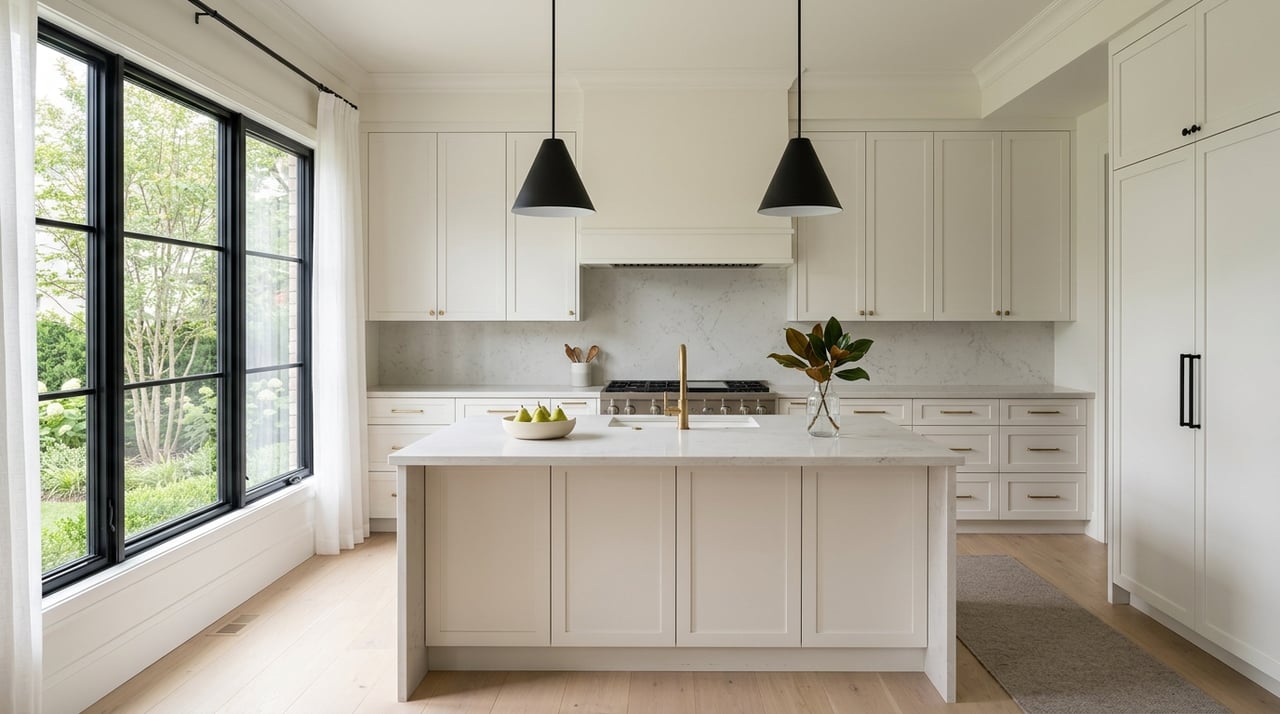
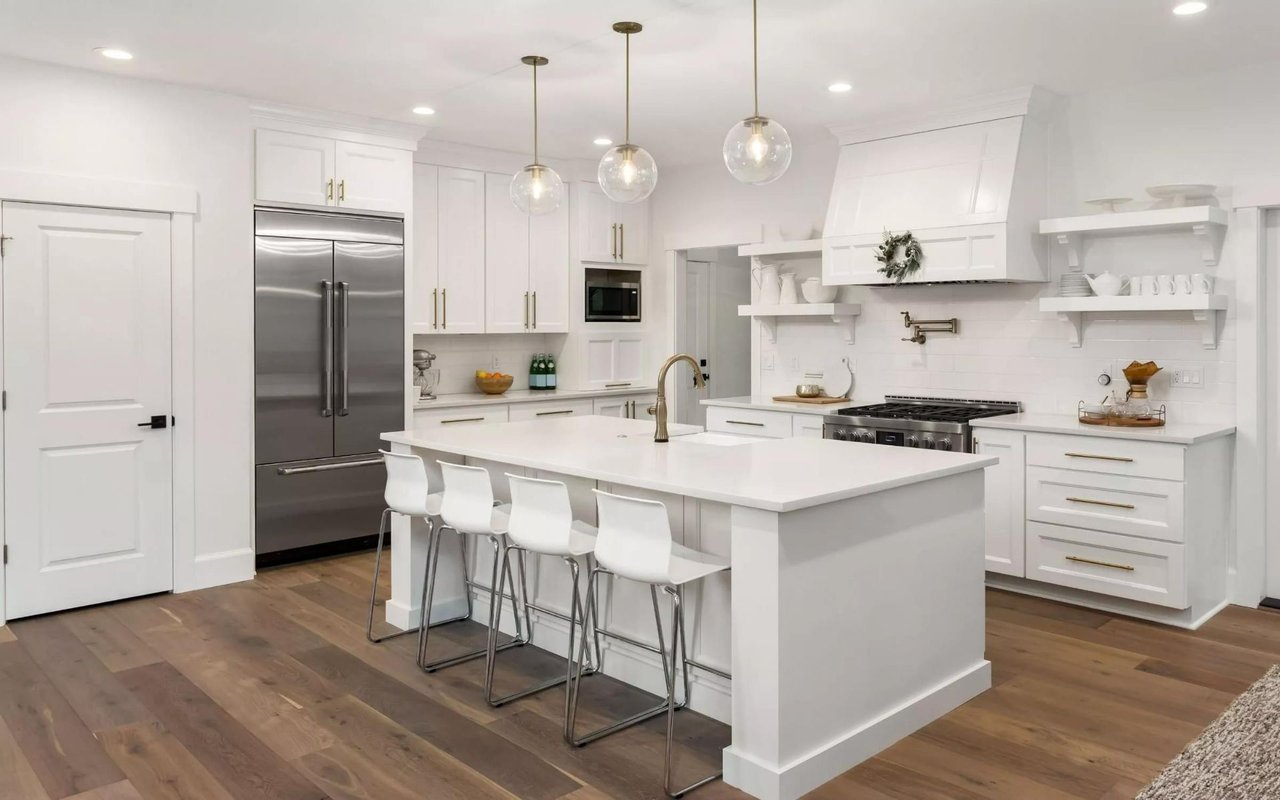
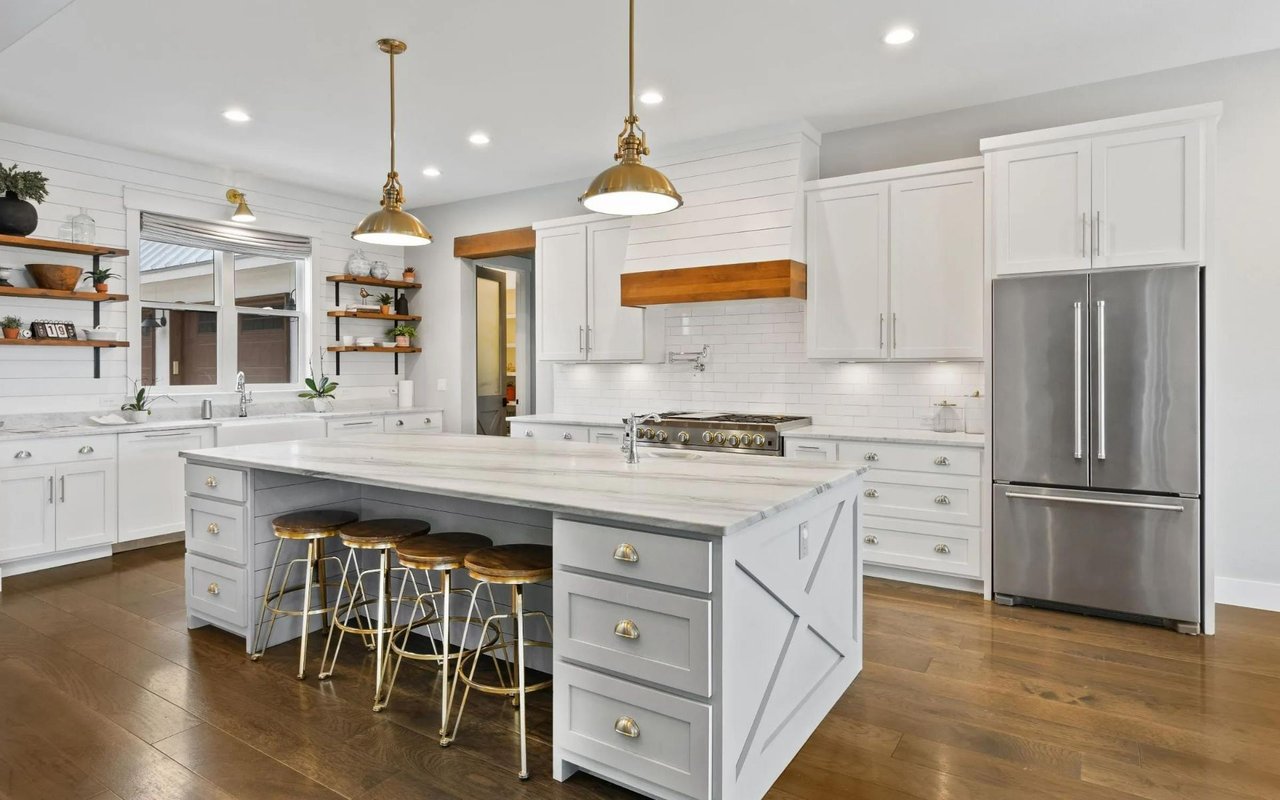
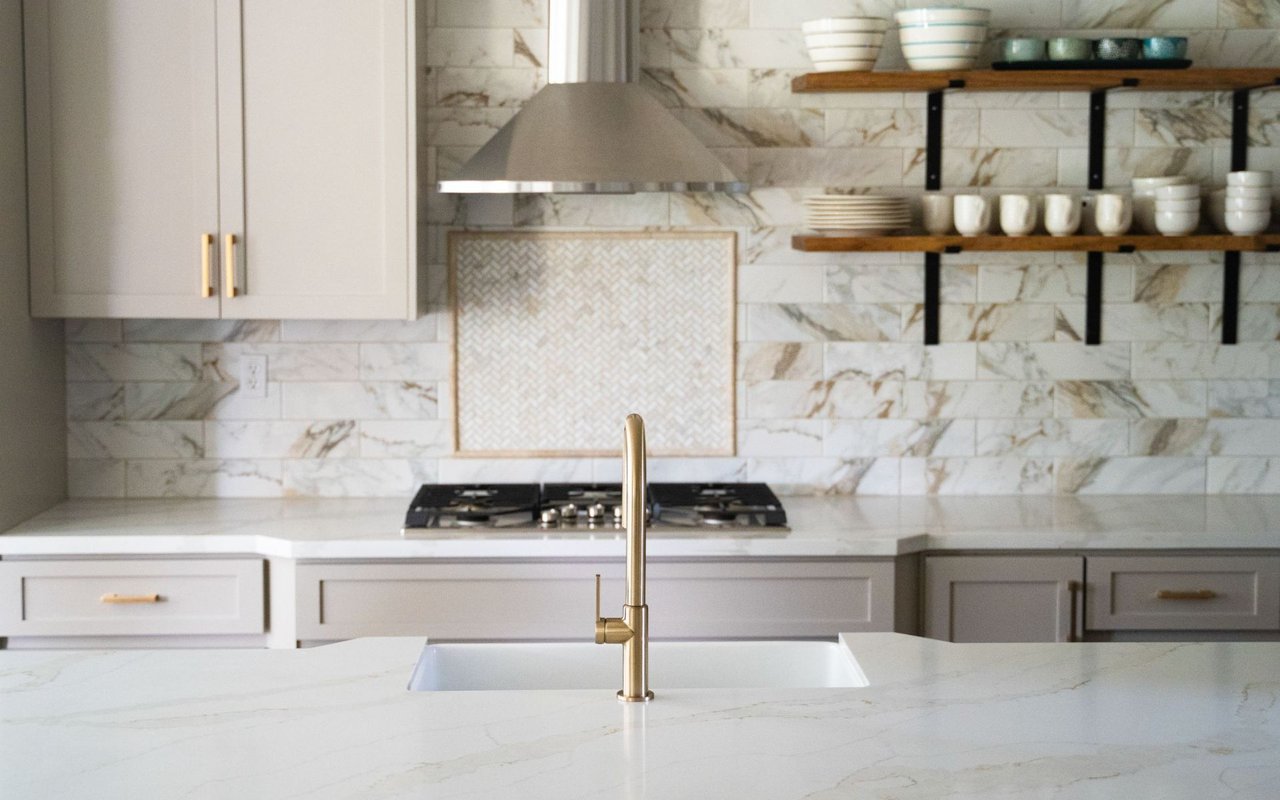
Kitchen improvements carry high impact. Targeted midrange upgrades such as new cabinet fronts, solid-surface counters, modern appliances, and improved lighting usually outperform a full luxury gut, especially on mid-tier blocks. Keep the finish level in line with nearby sales and confirm whether opening walls is feasible before you plan an open layout.
Bathroom updates or additions
Bathroom remodels can punch above their weight. Converting a half-bath to a full, or adding a well-planned guest bath, often improves marketability more than luxury tile alone. In rowhouses, plumbing runs and venting can be complex, so scope and cost control matter.
Add usable living space
Finishing a basement or attic, or creating a code-compliant accessory space, can unlock meaningful value per square foot. To make it marketable, plan for legal egress, adequate ceiling height, proper moisture mitigation, and building code compliance. Bedrooms without legal egress can hurt value and appraisals, so use caution.
Systems and safety upgrades
Electrical, HVAC, plumbing, roof, and structural work protect your value. Buyers discount homes with deferred maintenance, and inspectors flag issues that can derail a sale. These upgrades are essential for safety and saleability, even if they don’t generate a large premium by themselves.
Exterior and structural repairs
Masonry, party walls, cornices, roofs, and façades can be costly, especially in historic districts where materials and methods are regulated. If exterior elements are failing, you’ll likely need to address them to sell. Treat these as value protection, not premium drivers.
Additions and roof decks
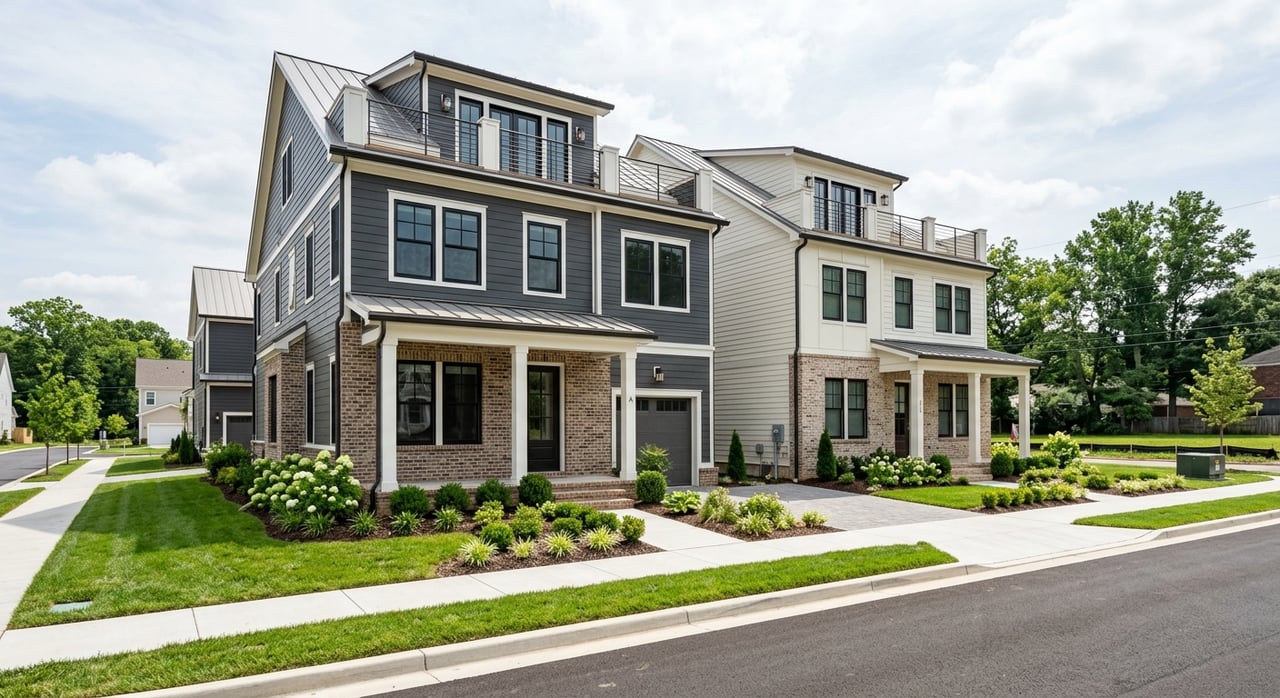
Bump-outs, rooftop additions, and roof decks can create major value if permitted and executed well. Expect higher scrutiny on design, neighbor privacy, and historic compatibility. These projects often carry longer timelines and greater risk of cost overruns, so the ROI case needs to be strong.
DC rules that affect cost and timeline
Permits
Most structural, electrical, plumbing, HVAC, and egress changes require permits from the DC Department of Buildings. Unpermitted work discovered before or during a sale can reduce value, slow closing, or require corrective work. Build permit fees and review time into your plan.
Historic districts and preservation
Many NW DC neighborhoods fall within local historic districts. Exterior changes, window replacements, rooftop alterations, and some additions usually require review and approval. Materials and appearance standards can increase cost and extend schedules. The extra steps are manageable, but they must be baked into your ROI assumptions.
Zoning, rooftop, and height rules
Zoning can affect expansion options, roof decks, and setbacks. Some projects require relief or neighbor input. Early checks help you avoid redesigns and delays that erode returns.
Lead and other hazards
Most DC rowhouses predate 1978, so lead-based paint is likely present. Lead-safe work practices and federal disclosure rules apply. Older homes may also contain asbestos or knob-and-tube wiring. Plan for testing and potential remediation when you build your budget and timeline.
Rowhouse constraints to plan for
Basements
Basements often have moisture, low ceilings, and limited egress. Finishing them usually requires waterproofing, proper drainage, and code-compliant egress. If ceiling height is tight, underpinning may be needed, which increases cost.
Party walls and narrow lots
Shared party walls and limited side yards restrict lateral expansion, which is why attic conversions and rooftop additions are common value plays. Work that touches party walls can require coordination with neighbors and additional legal or insurance steps.
Mechanical and electrical capacity
Older systems may not support modern loads. Full rewiring, panel upgrades, and new HVAC are common in comprehensive renovations. They protect value and reduce buyer objections.
Budget, financing, and carrying costs
Financing options
You can fund renovations through cash, a home equity line of credit, renovation mortgages such as Fannie Mae HomeStyle or FHA 203(k), construction loans, or personal loans. Each has specific eligibility and documentation requirements, and lender timelines vary. Choose the option that fits your timeline and exit plan.
Carrying costs
If you renovate before selling, you still pay mortgage interest, property tax, insurance, utilities, and possibly staging and storage. Longer timelines increase carrying costs and reduce net ROI. Build in a contingency for delays tied to design decisions, permits, or supply chain issues.
Taxes and basis
While remodeling costs are not typically deductible for the sale of a primary residence, many costs can be added to your cost basis to reduce potential taxable gain at sale. Rules can be nuanced, so consult a qualified tax professional for your situation.
Timing and inflation
Construction costs and labor availability have risen since 2020. Specialty trades and long-lead items like windows or appliances can extend schedules. When estimating ROI, include conservative allowances and a contingency, commonly 10 to 20 percent or more for complex projects.
A step-by-step ROI planning checklist
- Clarify your objective. Decide whether you want a faster sale at a higher price, a better living experience for several years, or income from a legal accessory space.
- Pull local comps. Look at recent solds within a tight radius for homes with similar finished square footage, number of baths, and condition. Pay close attention to whether basements and attics were finished legally.
- Define the scope. List work by category: cosmetic, kitchen, baths, systems, structural, exterior. Note where permits and historic review are needed.
- Get three bids. Ask for phased scopes: cosmetic only, midrange refresh, and full gut or expansion. Request itemized allowances and estimated timelines.
- Add soft costs. Include design and engineering, permit fees, historic review applications, staging, carrying costs, and a realistic contingency.
- Estimate your post-renovation price. Use comps that match your target finish level and amenities, then adjust for baths, square footage, and features like decks or parking.
- Run the numbers. Gross upside equals projected resale price minus your current as-is value. Net upside equals gross upside minus total project costs, carrying costs, and transaction costs.
- Pressure-test the plan. If margins look thin, scale back to high-impact, lower-cost updates. Consider sequencing work to meet your timeline.
- Plan the timeline. Build in time for design, permits, historic reviews, construction, punch list, and the ideal listing window.
Common pitfalls and how to avoid them
- Over-improving relative to comps. Set your finish level to the neighborhood, not your personal taste.
- Skipping permits or approvals. Unpermitted work can lower appraisals and scare off buyers.
- Underestimating basements and roof work. Egress, moisture, and structure can escalate costs quickly.
- Ignoring systems. Buyers discount aging electrical, HVAC, plumbing, or roofs even if the finishes look new.
- Forgetting soft costs and carrying time. Fees, staging, insurance, and time can erode returns.
When a full luxury gut makes sense
A full luxury renovation may be viable if you are in a top-tier block and local comps clearly support a premium finish level. Even then, keep a close eye on design decisions that inflate costs without boosting perceived value. Quality planning, value-engineering, and alignment with buyer expectations are essential.
Ready to talk strategy?
If you want a clear, data-backed plan for your rowhouse, we can help you compare scopes, review local comps, and map cost-versus-value in today’s market. With boutique, concierge-level support and polished listing marketing, you get a partner who keeps your goals front and center. Connect with Gerly Oden to schedule your complimentary home valuation and plan your next steps.
FAQs
What projects usually deliver the best ROI for Northwest DC rowhouses?
- Targeted cosmetic updates, midrange kitchen and bathroom refreshes, and adding functional living space or a bathroom typically lead the pack, with systems upgrades essential for saleability.
How do historic districts in NW DC affect renovation ROI?
- Exterior work often requires historic review, which can add cost and time; factor in materials standards and approvals when estimating ROI for façades, windows, and rooftop changes.
Are roof decks and rooftop additions worth it for DC rowhouses?
- They can add significant value if permitted and thoughtfully designed, but expect higher scrutiny, potential zoning hurdles, and longer timelines that you should include in your ROI math.
What should I know about finishing a basement in a DC rowhouse?
- Plan for waterproofing, legal egress, proper ceiling height, and mechanical layout; bedrooms without legal egress can reduce value and appraisal support.
How can I finance renovations if I plan to sell soon?
- Options include cash, HELOCs, renovation mortgages, or construction loans; match the product to your timeline, and remember that longer projects increase carrying costs.
Do I need permits for cosmetic updates in DC?
- While minor cosmetic work may not require permits, structural, electrical, plumbing, HVAC, and egress changes do; skipping required approvals can delay or reduce your sale price.