Are you torn between buying a condo or a co‑op in Northwest DC? You are not alone. The choice affects everything from how you finance your home to your monthly costs, renovation plans, and resale timeline. In this guide, you will learn the key differences, how each option plays out in NW DC neighborhoods, and what to check before you make an offer. Let’s dive in.
Condo vs co‑op basics
How ownership works
A condo gives you a deed to your unit and a share of the common areas. You own real property and are a member of the condo association that manages the building’s rules and budget.
A co‑op gives you shares in a corporation that owns the entire building. Your shares entitle you to a proprietary lease for a specific unit. You do not receive a unit deed. The co‑op board manages the building and policies.
What documents you will review
For a condo, you review the declaration, bylaws, CC&Rs, and a resale certificate that includes the budget and reserve details. For a co‑op, you review the proprietary lease, corporate bylaws, financial statements, house rules, and recent board minutes. In both cases, ask for 12 to 24 months of minutes, the latest reserve study, and any planned capital projects.
Financing and approval in NW DC
Mortgage options for condos
Condos typically qualify for a wide range of loans. Conventional mortgages are common. FHA and VA options can be available if the building meets agency eligibility rules. This wider access can expand the buyer pool and help with lower down payment programs when the project and borrower qualify.
Financing a co‑op purchase
Co‑ops are usually financed with a share loan secured by the stock certificate and proprietary lease. Many lenders offer co‑op loans, but options are narrower than condos. FHA and VA financing for co‑ops is uncommon. Co‑ops often require larger down payments, frequently 20 to 30 percent or more, and stricter borrower profiles. Boards may expect strong reserves after closing and a clean payment history.
Board approval vs no approval
Co‑op purchases almost always require board approval. The board can review your financials and application, and it may set rules for financing. Condo sales do not require board approval of buyers. Lenders still review the condo’s financial health and eligibility, but the transfer is a deeded real estate sale.
Monthly costs and taxes
What your fees cover
Condo owners pay a mortgage plus a monthly HOA fee. That fee usually covers common area maintenance, building insurance, management, and reserves. Some utilities may be included.
Co‑op shareholders pay a monthly maintenance fee. This often bundles building operating costs, property taxes for the entire building, insurance, staff, utilities, reserve contributions, and any underlying building mortgage. Co‑op maintenance can look higher on paper because it includes more items, but the total cost comparison depends on the specific building’s taxes, utilities, and debt.
Taxes and deductions
Condo owners typically deduct their own mortgage interest and property taxes, subject to federal rules. Co‑op shareholders may receive an allocation of the building’s real estate taxes and mortgage interest, which they might be able to deduct. Tax rules are nuanced. Ask the co‑op for its annual tax allocation statement and consult a tax professional.
Insurance needs
Condo owners should carry an HO‑6 policy for interior improvements, personal property, and liability. The condo association’s master policy covers the building structure and common areas. Co‑op shareholders should carry a policy for interior improvements, liability, and loss of use. The co‑op’s master policy covers the building.
Closing costs and transfer taxes
Both condos and co‑ops in DC involve recordation and transfer taxes and related fees. The amounts and who pays what can depend on the contract and local practices. The process for recording differs since condos transfer a deed and co‑ops transfer shares. Work with a title or closing professional familiar with DC transactions.
Rules, renovations, and rentals
Subletting and rental policies
Co‑ops often have stricter subletting rules. Some require owner occupancy for a period of time, limit the number of rentals, or set minimum lease terms. Condos tend to be more flexible for rentals, though many also have caps, minimum lease durations, or registration requirements. If you plan to rent in the future, verify the building’s exact policy before you offer.
Renovations and alterations
Co‑op boards can require approval for many interior changes and can be strict with structural or mechanical work. Condos also have architectural review, but the process may be more straightforward since you own the unit by deed. In historic districts, separate city reviews can apply to exterior changes regardless of condo or co‑op status.
Resale and liquidity
Condos generally have a larger buyer pool, including buyers using FHA or VA when the building is approved. That can improve liquidity and support pricing in broader market conditions. Co‑ops appeal to buyers who prefer the cooperative model. Board approvals and ownership rules can lengthen the sale timeline and narrow the buyer pool, which affects resale strategy.
Northwest DC neighborhood patterns
Where you see more co‑ops
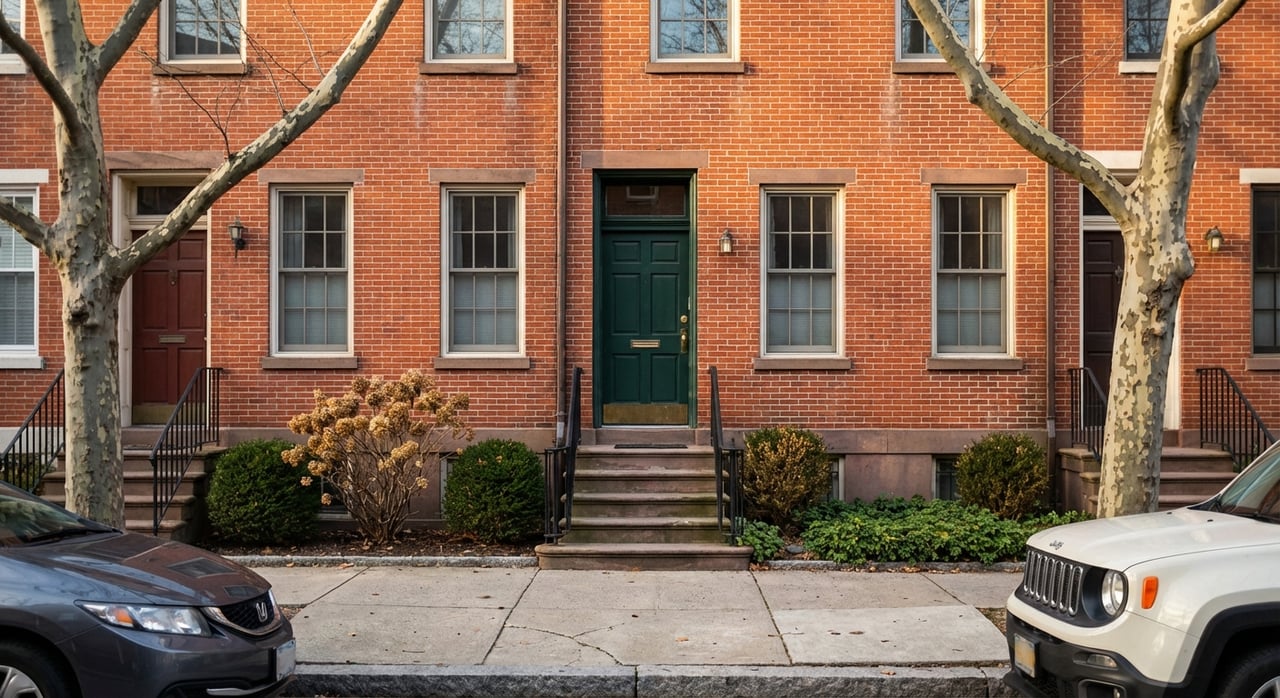
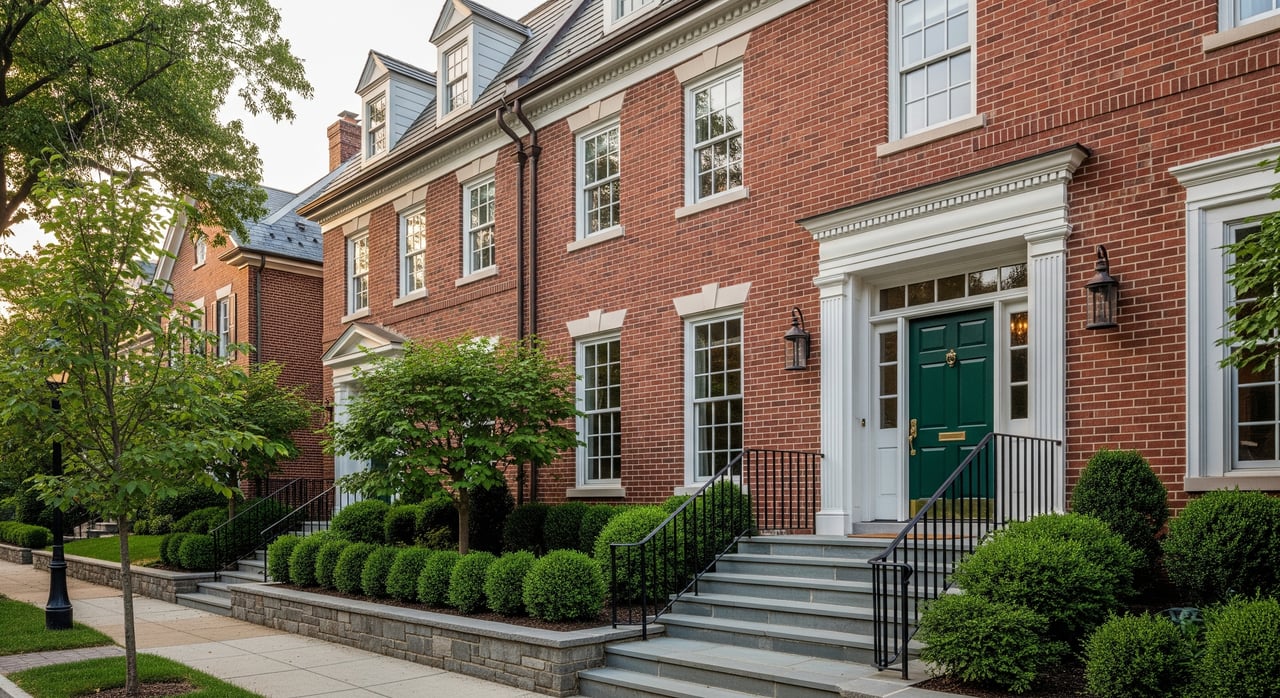
Many older, pre‑war buildings in Dupont Circle, Kalorama, and parts of Georgetown and Adams Morgan operate as co‑ops. These buildings often have distinctive architecture, detailed common areas, and active boards. Units may have unique layouts and a strong sense of community.
Where condos dominate
Newer developments in the West End, areas near Downtown, and elevator buildings along busy corridors tend to be condos. These buildings often feature modern amenities and can be more flexible for rentals when allowed by the association.
What it means for your search
If you value classic architecture, community stability, and are comfortable with board oversight, co‑ops in historic NW corridors may fit well. If financing flexibility, amenity packages, and rental options matter more, condos near Metro corridors and newer mixed‑use areas may be a better match. Inventory patterns also differ. Co‑ops can have fewer listings at any one time, while condos generally turn over more frequently.
Quick buyer checklist
Use this list to compare buildings line by line before you offer:
- Governance and documents
- For condos: declaration, bylaws, CC&Rs, resale certificate.
- For co‑ops: proprietary lease, bylaws, house rules, stock terms.
- For both: 12–24 months of board minutes, current budget, latest audited financials or treasurer report, reserve study, insurance certificates.
- Building finances and projects
- Current reserve level, recent or planned assessments, and major capital projects such as roof, elevator, or façade work.
- Any underlying mortgage for co‑ops and how it impacts maintenance.
- Policies and lifestyle fit
- Pets, rental or sublet rules, short‑term rental policies, renovation approval process, and minimum lease terms.
- Monthly cost breakdown
- Which utilities are included, how taxes are billed, and any capital contribution or transfer fees.
- Lending and approvals
- For condos: confirm project eligibility for your loan type and any agency approvals your lender requires.
- For co‑ops: board application steps, interview timeline, application and move-in fees, post‑closing reserve requirements, and whether the co‑op permits your loan structure.
- Risk checks
- Any pending litigation, insurance claims, warranty issues, or unusual disputes.
- Closing support
- Engage a DC‑savvy title or closing attorney who understands condo and co‑op processes.
Which is better for you?
There is no one-size answer. Choose based on your priorities.
- Pick a condo if you want broader financing options, easier resale and rental flexibility, and a deeded form of ownership. This path can work well for many first‑time buyers or investors when building rules allow rentals.
- Pick a co‑op if you value community, longer-term stability, and are comfortable with stricter financial and subletting standards. Expect a detailed approval process and a maintenance fee that may bundle taxes and building debt.
If you are comparing specific buildings in NW DC, line up the total monthly cost, the board rules, reserves and planned projects, and your financing options. Then weigh commute, amenities, and the kind of building culture you prefer.
Ready to talk through your shortlist, review documents, and map out a financing strategy? Reach out to Unknown Company for a clear, concierge-style plan from first tour to closing.
FAQs
What is the main difference between a condo and a co‑op in DC?
- A condo gives you a deed to your unit plus common areas, while a co‑op gives you shares in a corporation and a proprietary lease for your unit.
How do financing options differ for condos vs co‑ops in NW DC?
- Condos often qualify for conventional, FHA, and VA loans when the project is eligible, while co‑ops use share loans with fewer lender options and usually higher down payments.
Why do co‑op maintenance fees look higher than condo HOA fees?
- Co‑op fees often include building property taxes, some utilities, insurance, staff, reserves, and any building mortgage, so they bundle more costs than most condo HOAs.
Can I use an FHA or VA loan to buy a co‑op in DC?
- FHA and VA financing for co‑ops is uncommon, so you should confirm options with lenders early if you are considering a co‑op.
Are co‑op boards in NW DC strict about approvals and subletting?
- Many co‑ops set strict financial and subletting standards, but policies vary widely by building, so review the proprietary lease and house rules before you offer.
How long does closing take for a co‑op compared to a condo?
- Co‑op closings often take longer due to board application and interview timelines, while condo closings usually follow a more standard loan and title process.
What tax deductions might be available for condos vs co‑ops?
- Condo owners usually deduct their own mortgage interest and property taxes, while co‑op shareholders may deduct allocated portions of building taxes and interest as provided by the co‑op, subject to tax rules and advice.