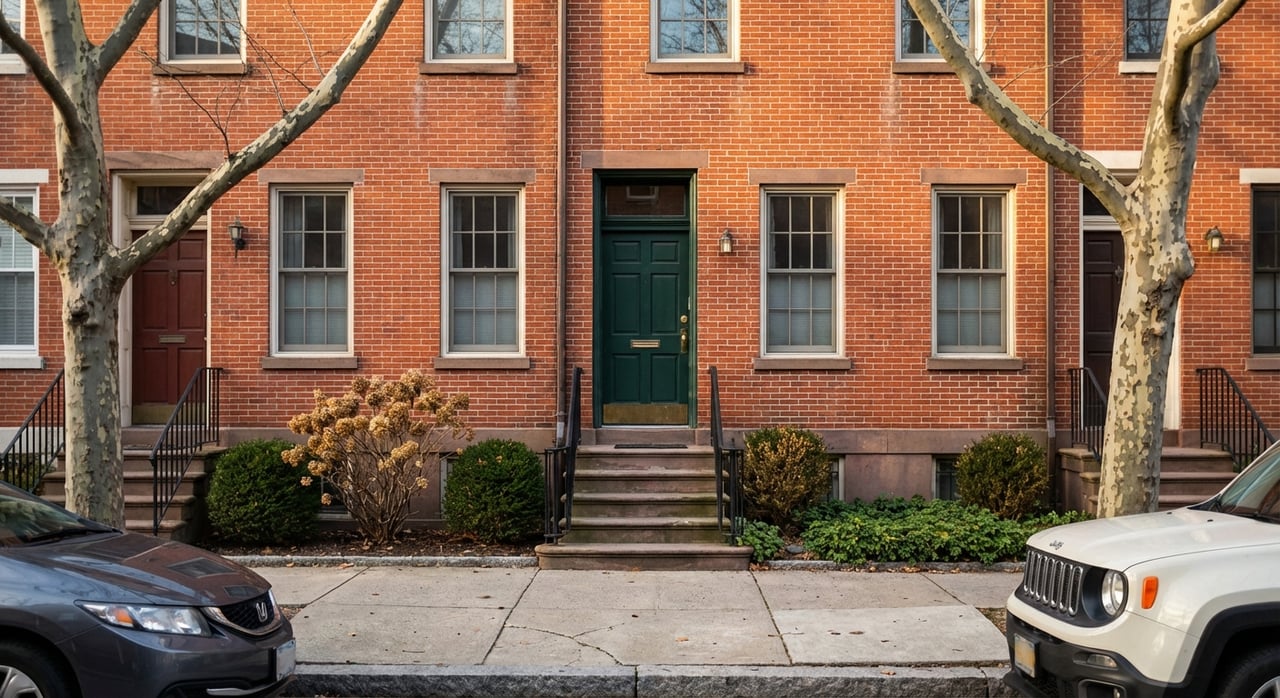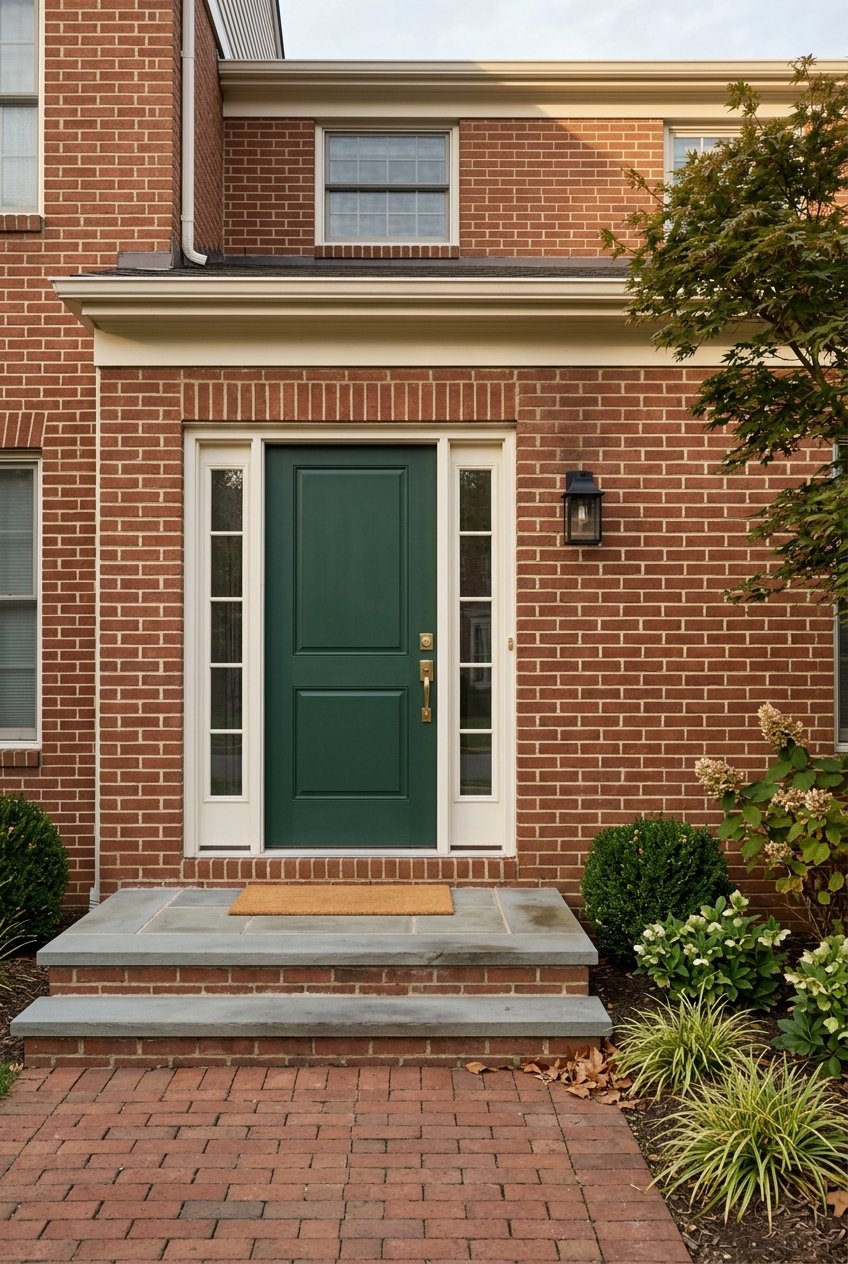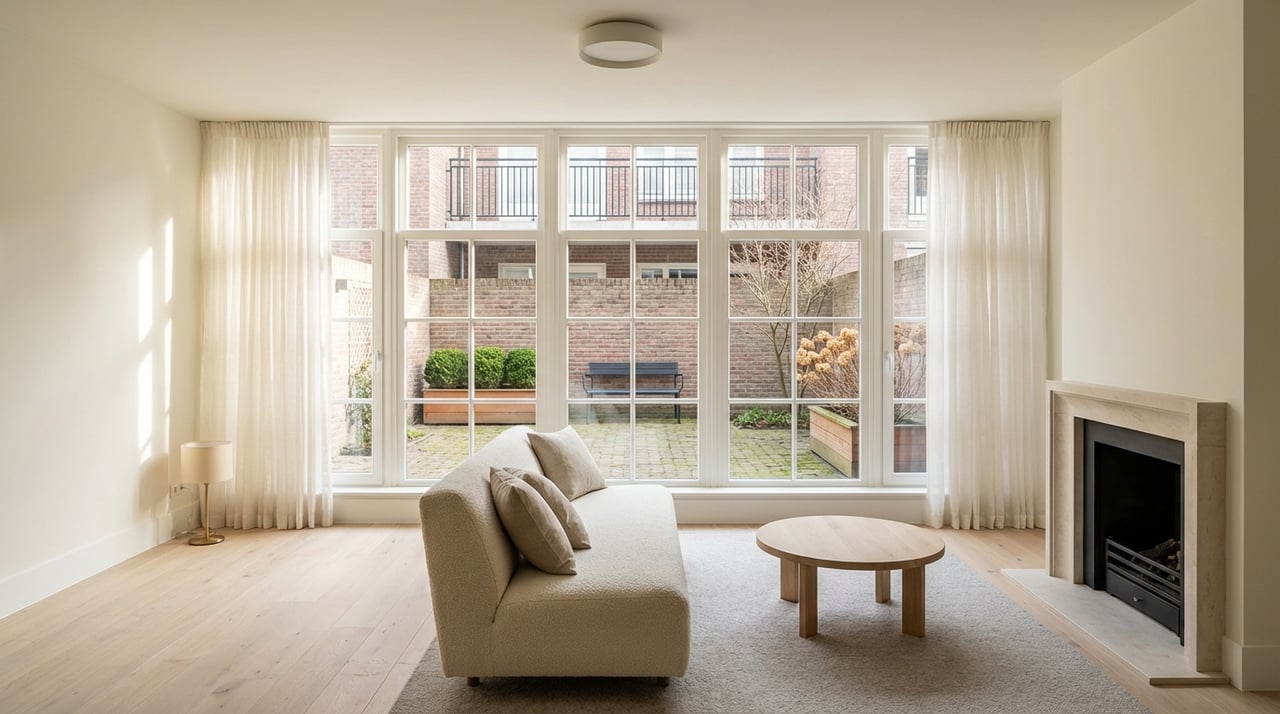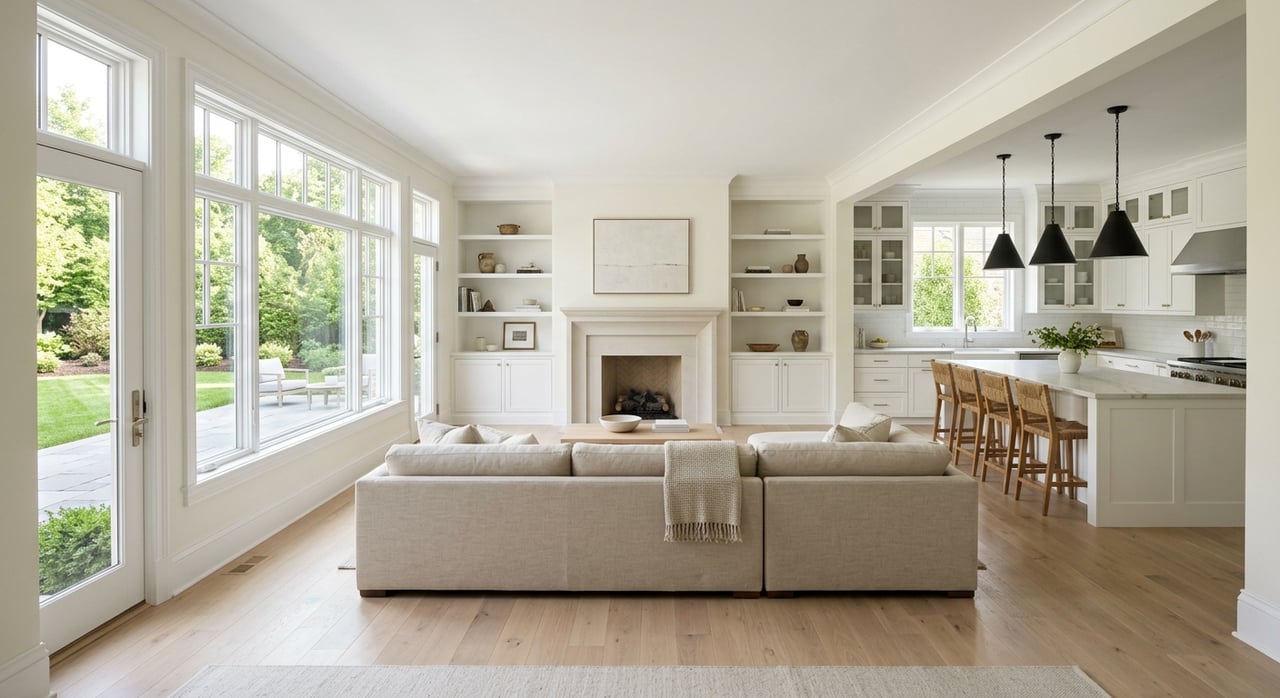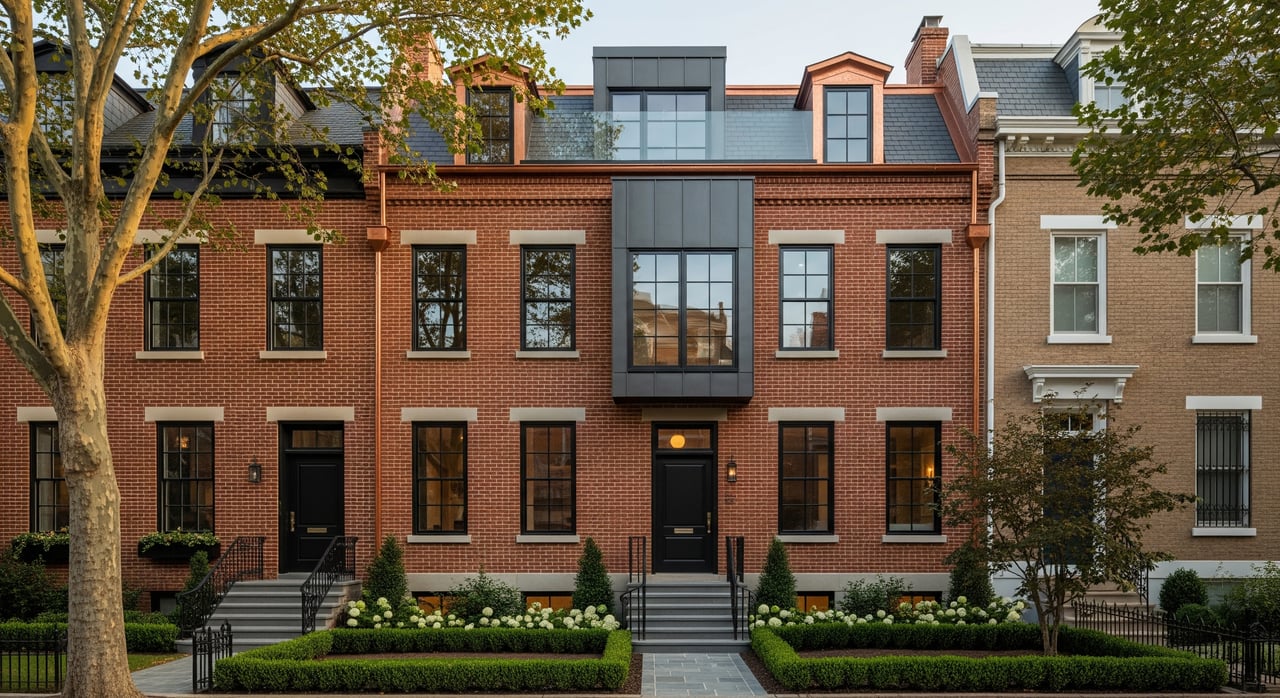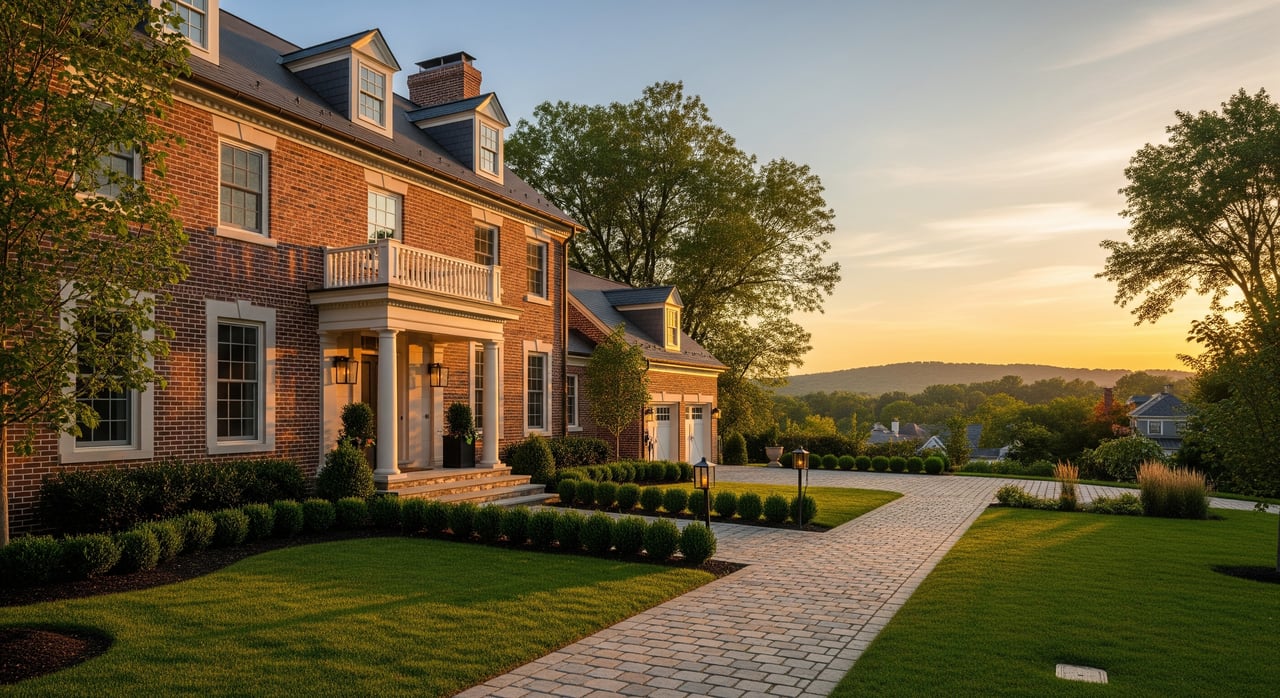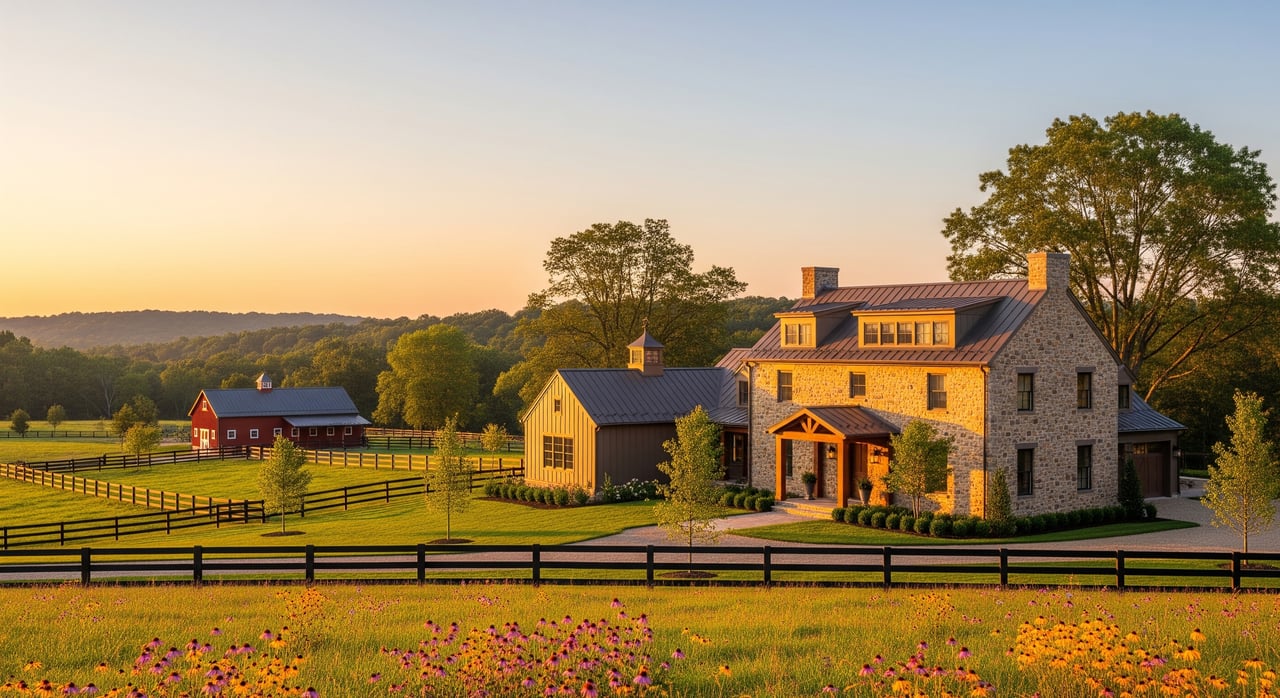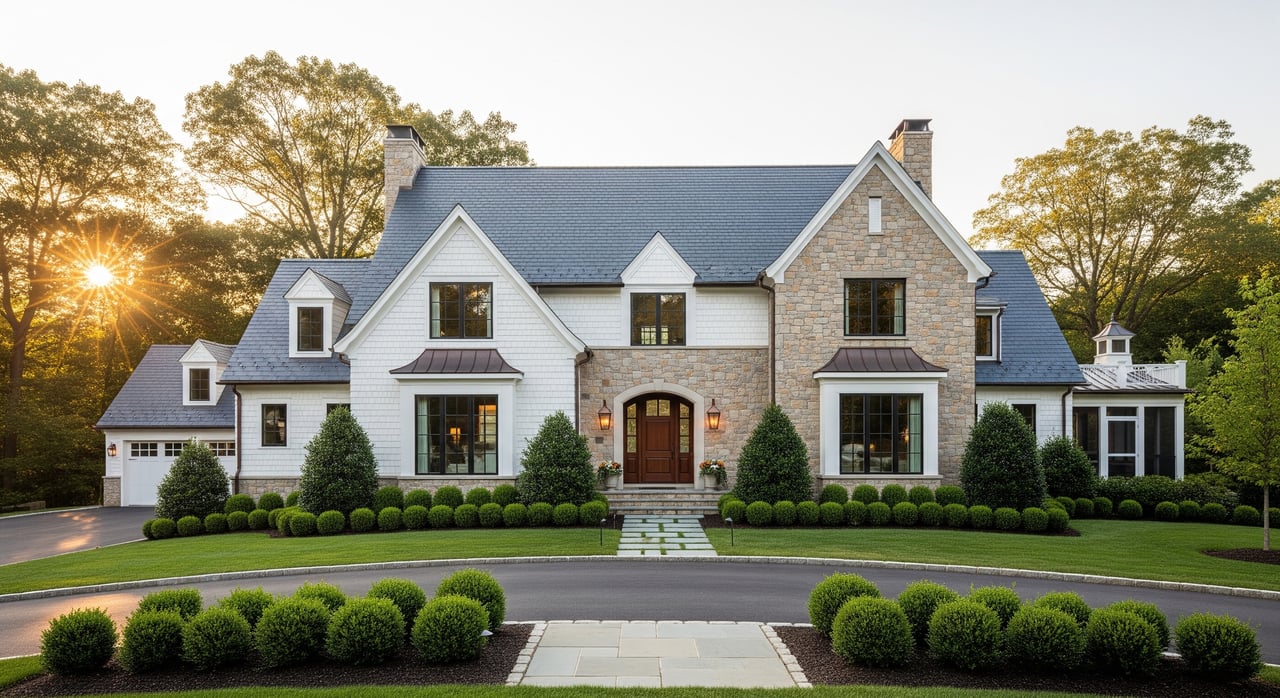
Torn between that brand‑new home smell and the charm of a tree‑lined, established street? In North Potomac, the choice between new construction and a resale home comes with real trade‑offs in cost, timing, features, and long‑term value. You want a clear path that fits your budget and your move timeline without surprises. In this guide, you’ll learn how both options stack up locally so you can move forward with confidence. Let’s dive in.
North Potomac snapshot
North Potomac sits northwest of Rockville with easy access to I‑270, Rockville and Gaithersburg job centers, and the Shady Grove Red Line. Housing includes single‑family homes, townhomes, and some condos, with many resales built in the 1970s through the 1990s. Land for large new subdivisions is limited, so most new homes are infill on smaller lots or redevelopment of older properties. Strong demand and low inventory in desirable areas often keep resale prices firm while supporting interest in modern new builds.
Price and total cost
New construction pricing
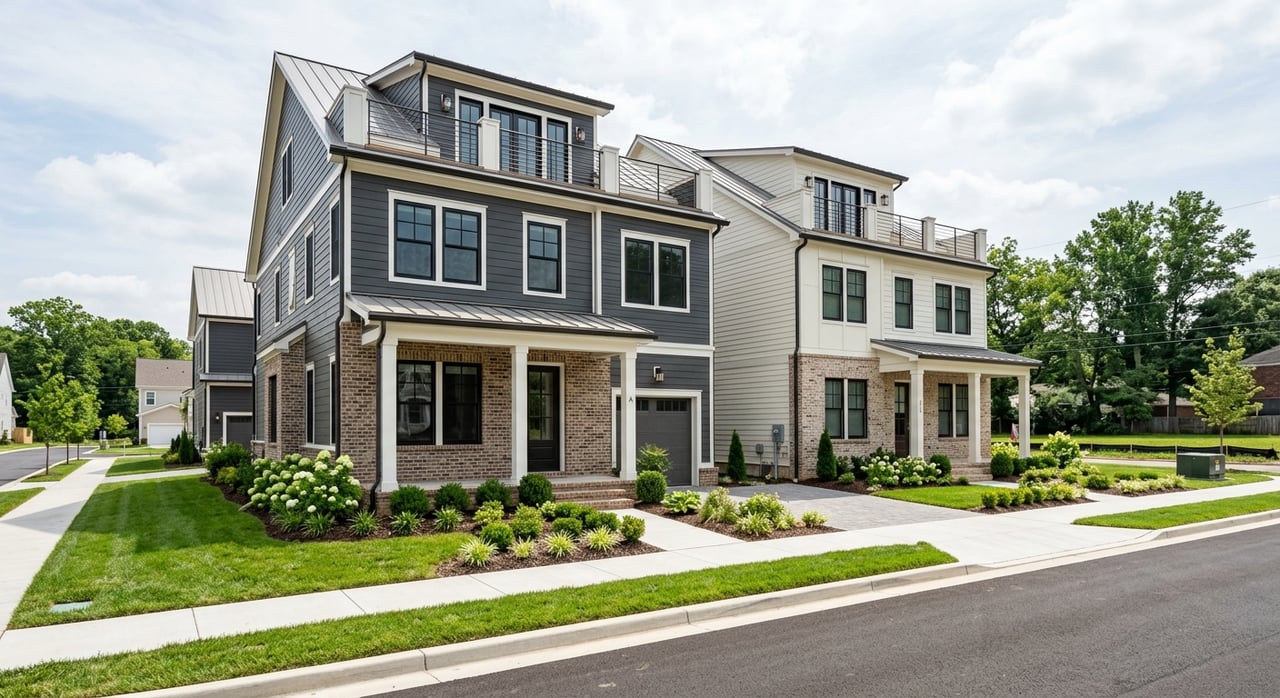
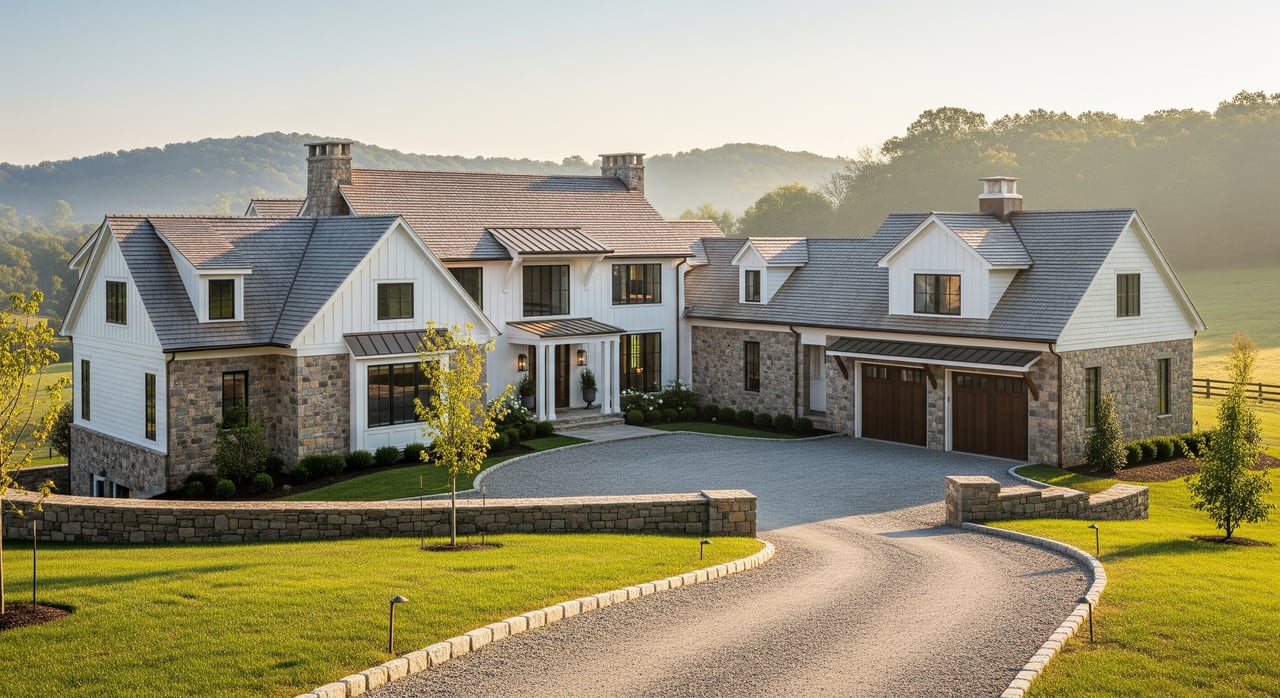
New homes often carry a higher price per square foot because of modern finishes, energy‑efficient systems, and lot or builder premiums. Expect additional costs for upgrades, lot selection, landscaping, and window treatments, plus potentially higher first‑year taxes after reassessment. Builders sometimes offer rate buydowns or closing‑cost incentives, so compare the full net cost before you decide. Industry trends and cost drivers are summarized by the National Association of Home Builders.
Resale pricing
Resale homes may start at a lower price for similar square footage, but budget for immediate maintenance or updates like HVAC, roofing, and windows depending on age and condition. In a balanced market you may find more room for negotiation than with a builder. For current inventory and pricing trends, review local data through Bright MLS and neighborhood‑level comps.
Timeline and certainty
New construction timing
Build timelines range from a few months for inventory homes to 6 to 12 months or more for pre‑sales and custom work. Permits, inspections, supply chain issues, or weather can cause delays. The upside is you can plan your sale or lease move‑out with a longer runway.
Resale timing
Most resale contracts close in 30 to 60 days, subject to financing, title, appraisal, and inspection contingencies. If you are buying and selling at the same time, timing the two can take careful coordination but is more predictable than a build.
Features and customization
New build personalization
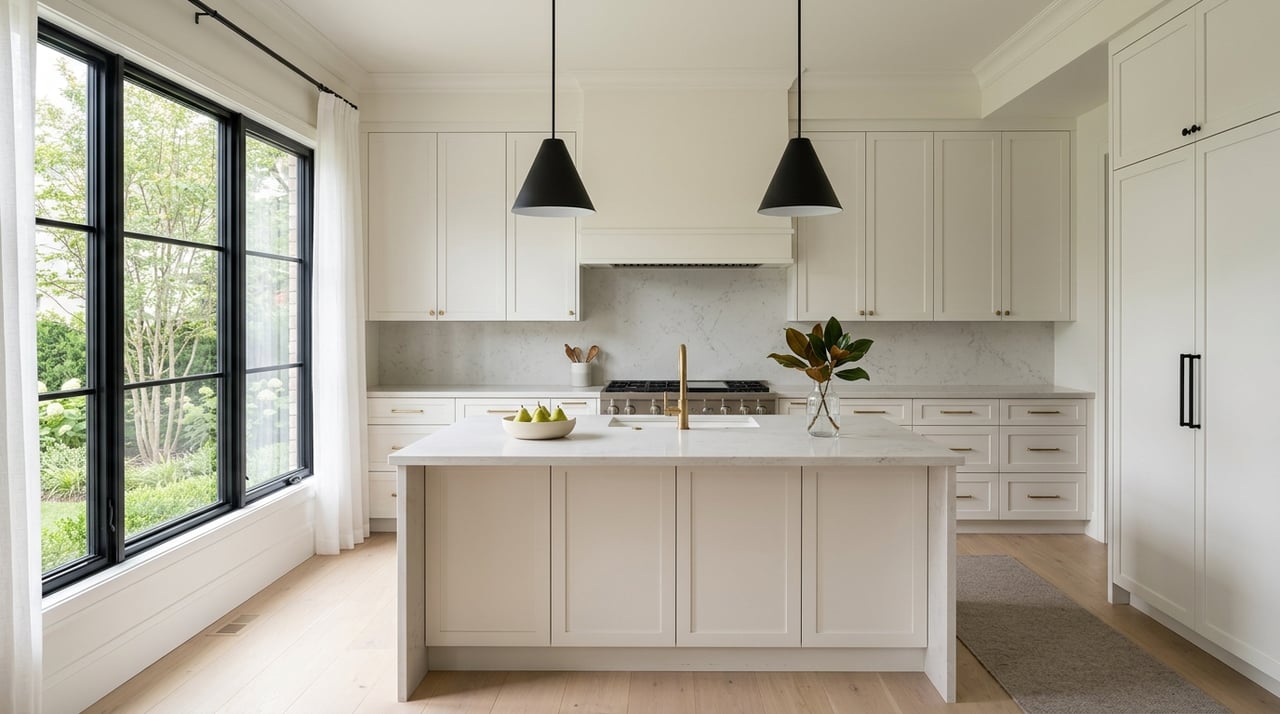
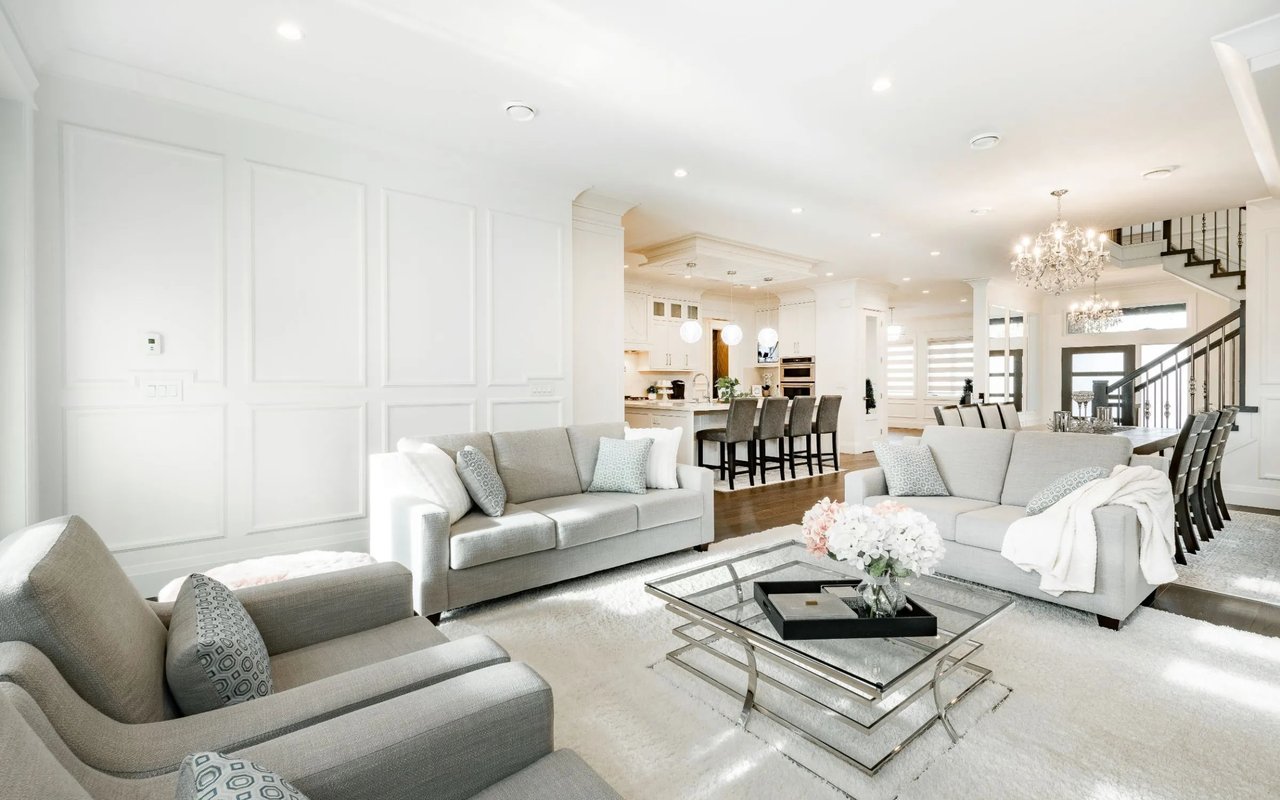
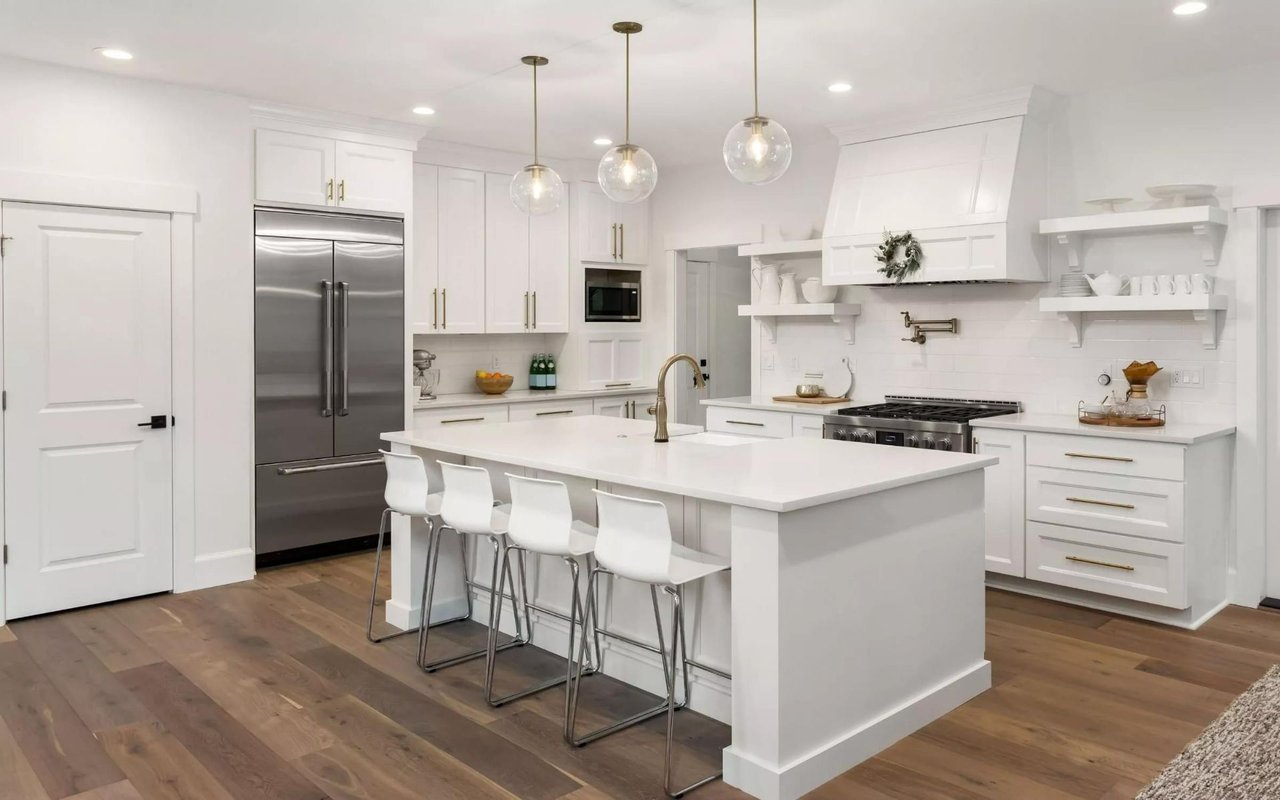
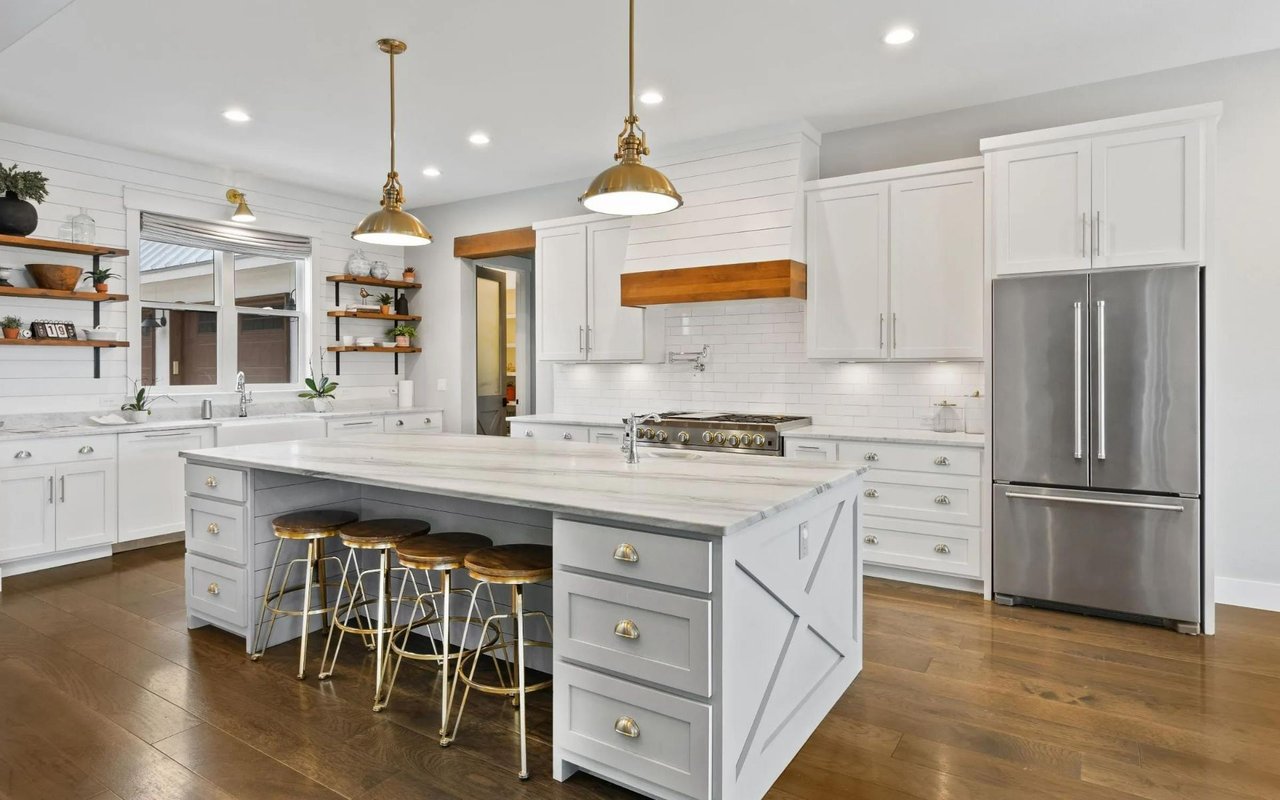
You can often choose floor plans, finishes, and smart‑home features that fit your lifestyle. New homes typically meet current building codes and reflect popular layouts like open kitchens and larger primary suites.
Resale flexibility
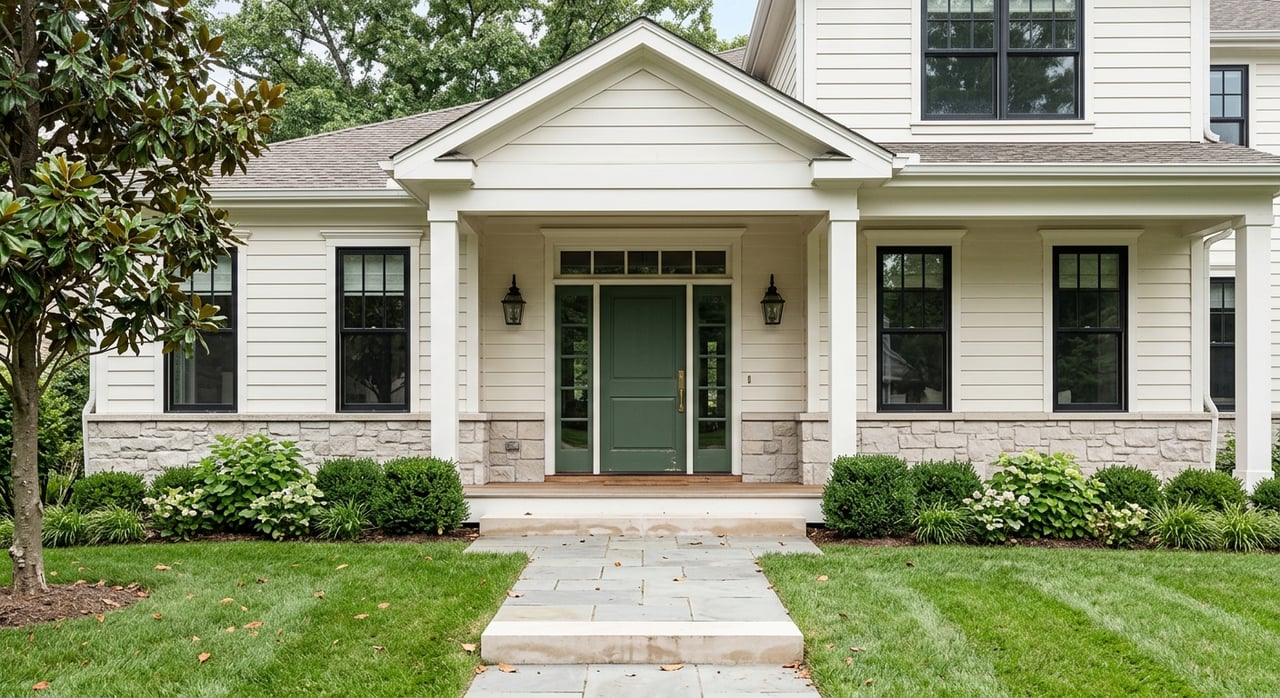
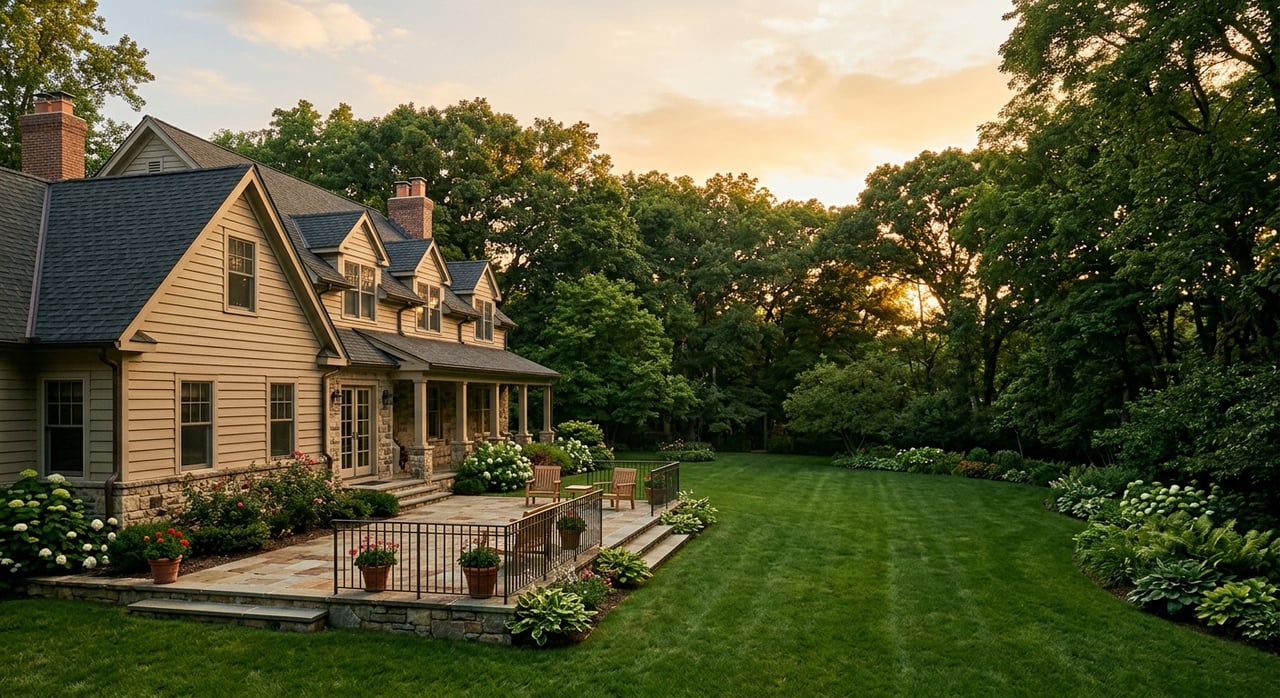
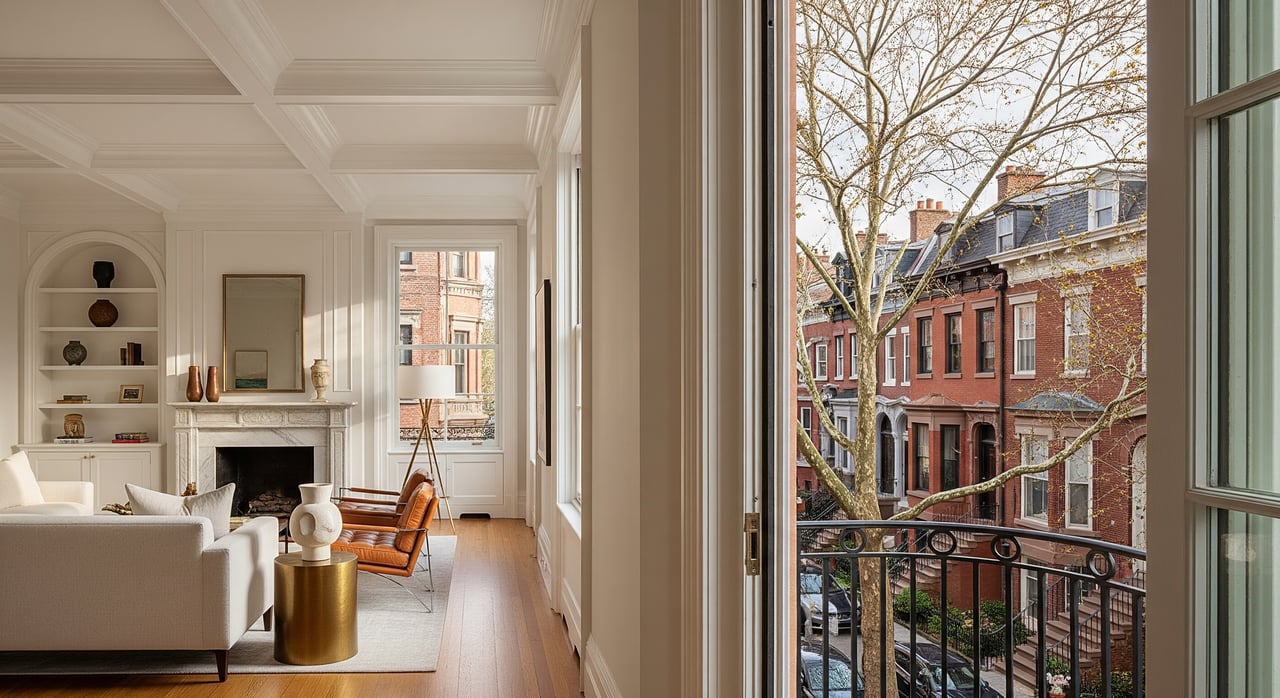
Customization usually happens after closing, often at a lower total cost than builder upgrades. Mature landscaping, established streetscapes, and neighborhood character are common benefits you get right away.
Condition and warranties
New construction warranties
Most builders provide limited warranties that cover certain systems and structural elements for set periods. You will do walk‑throughs and punch‑list repairs during the first year, which is common as a new home settles.
Resale inspections
With resale, your protection comes from inspections, contract contingencies, and the Maryland property disclosure process. Plan for ongoing maintenance and use inspection findings to negotiate repairs or credits.
Energy and operating costs
New homes commonly include modern insulation, efficient HVAC, and ENERGY STAR‑level appliances, which can reduce monthly utilities. An older resale may need upgrades to reach similar performance, such as insulation, windows, or a new heat pump. Factor utilities, HOA dues, and expected maintenance into your true monthly cost.
Neighborhood and amenities
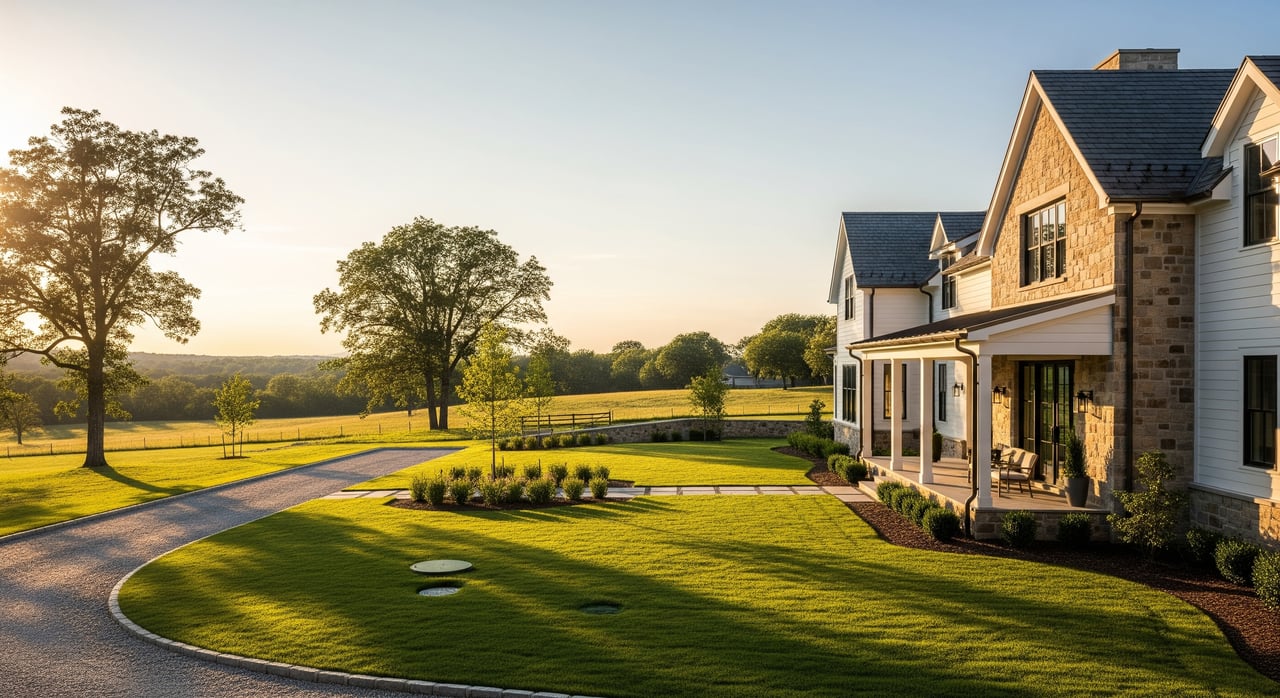
New construction in North Potomac often happens as infill, which can limit lot size and mature trees. Some new communities may promise amenities that take time to deliver. Established neighborhoods often offer mature landscaping, proven commute patterns, and known school assignments. For neutral, official boundary information, check Montgomery County Public Schools.
Resale value and marketability
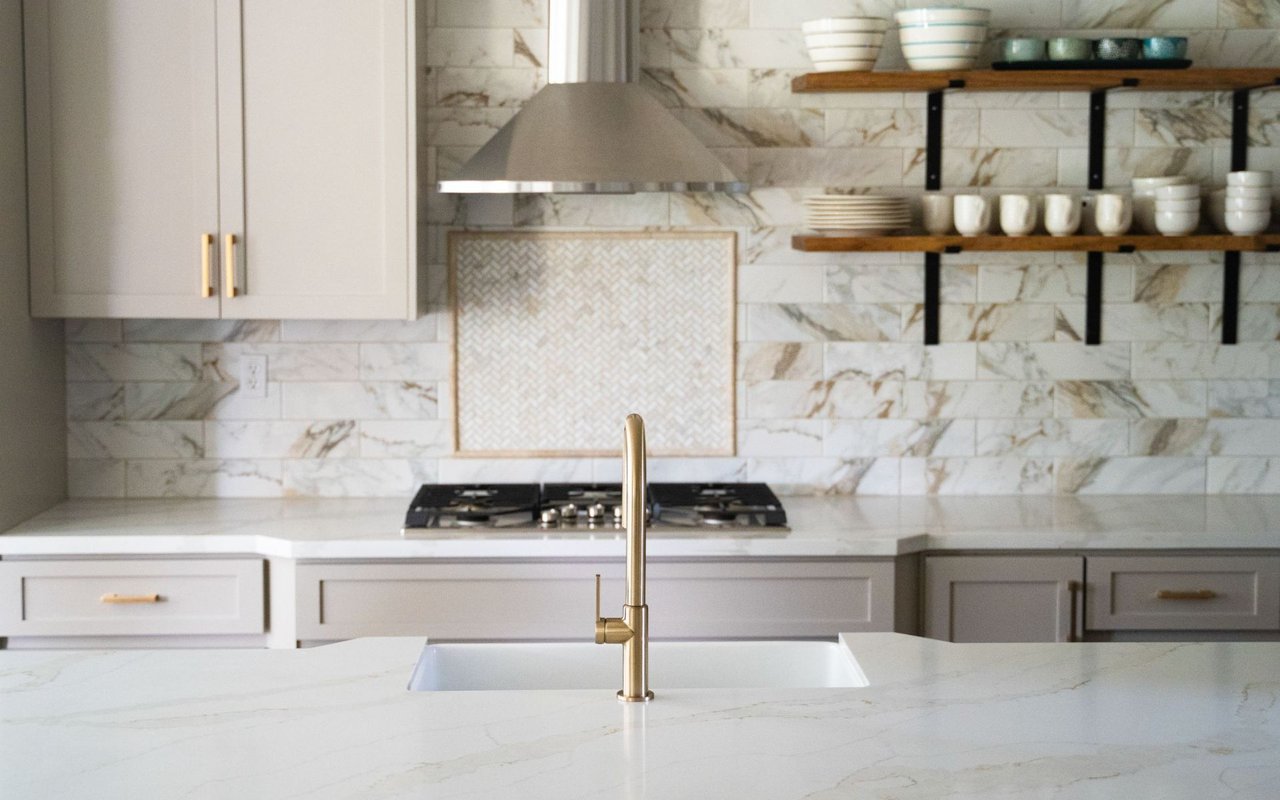
Both new and resale homes in North Potomac can perform well over time. Long‑term value hinges on location, lot, layout, and broader market supply. New homes may command a premium when there is limited comparable product, while updated resales with modern kitchens and baths can compete strongly with nearby new builds.
Financing choices
New construction options
You can use standard mortgages for move‑in‑ready new homes, or construction‑to‑permanent financing for a build from the ground up. Builders often offer preferred lender incentives that reduce upfront costs, but always compare independent quotes and read the fine print. Appraisals may not fully account for costly custom upgrades if local sales do not support them.
Resale and renovation
Resale purchases typically use standard conventional, FHA, or VA loans. If you plan to remodel, consider renovation financing such as the FHA 203(k) program or similar products through Fannie Mae or Freddie Mac. For mortgage basics and buyer protections, the CFPB’s Owning a Home guides are a helpful resource.
HOAs and local rules
New subdivisions often include active HOAs that manage amenities and maintain community standards, which come with monthly or annual dues. Established communities may have long‑standing HOAs with known rules and budgets. Renovations, additions, and new builds in Montgomery County must follow local permitting processes through the Department of Permitting Services.
Taxes and closing costs
New homes may be reassessed at sale, which can increase first‑year property taxes relative to older assessed values. In Maryland, buyers and sellers also pay transfer and recordation taxes at closing. For current county tax information and billing schedules, review the Montgomery County Department of Finance.
Buying steps: new construction
- Get pre‑approved and compare the builder’s preferred lender to an independent lender.
- Select a lot and review the contract details, including base price, upgrades, change orders, and deposit terms.
- Confirm HOA documents, construction schedule, and any incentives in writing.
- Schedule site visits, pre‑drywall and final walk‑throughs, and a punch‑list review.
- Verify certificate of occupancy, complete your final inspection, and close.
- Use the builder warranty process for first‑year items.
Buying steps: resale
- Get pre‑approved to set a clear budget.
- Tour homes and compare age, systems, lot, layout, and school assignment.
- Make an offer with inspection and appraisal contingencies.
- Review inspection results and negotiate repairs or credits as needed.
- Finalize loan, complete title and appraisal, and close in roughly 30 to 60 days.
- Plan early upgrades and a maintenance calendar after move‑in.
Selling near new builds
If new construction is active nearby, position your home strategically. Tackle high‑impact updates like paint, lighting, hardware, and key system replacements that matter to buyers who might otherwise choose new. Consider pricing, concessions, and flexible timelines to match the draw of builder incentives. Strong marketing, staging guidance, and polished presentation can help your home stand out.
Decision checklist
For buyers
- Budget: Include upgrades, closing costs, taxes after reassessment, HOA dues, and utilities.
- Timeline: Decide if you can wait for a build or need a 30 to 60 day resale close.
- Customization: Choose between builder options now or post‑closing renovations.
- Location: Weigh mature neighborhood character and lot size against new‑home features.
- Resale horizon: Shorter stays favor proven resale features; longer stays favor personalization.
- Risk tolerance: Be comfortable with possible construction delays and change orders.
- Financing: Compare builder incentives with independent quotes and loan types.
For sellers
- Competing inventory: Know nearby new‑build features and price points.
- Cost vs return: Focus updates that improve buyer perception and appraisal support.
- Timing: List to avoid direct overlap with model openings when possible.
- Marketing: Highlight established landscaping, lot, layout, and recent updates.
Local resources
- Review permit and inspection requirements at the Montgomery County Department of Permitting Services.
- Find property tax billing and policy details at the Montgomery County Department of Finance.
- Check school boundaries and system resources through Montgomery County Public Schools.
- Explore market activity and comps with Bright MLS.
- Learn mortgage basics at the CFPB’s Owning a Home resource.
- Track building trends with the National Association of Home Builders.
Your next step
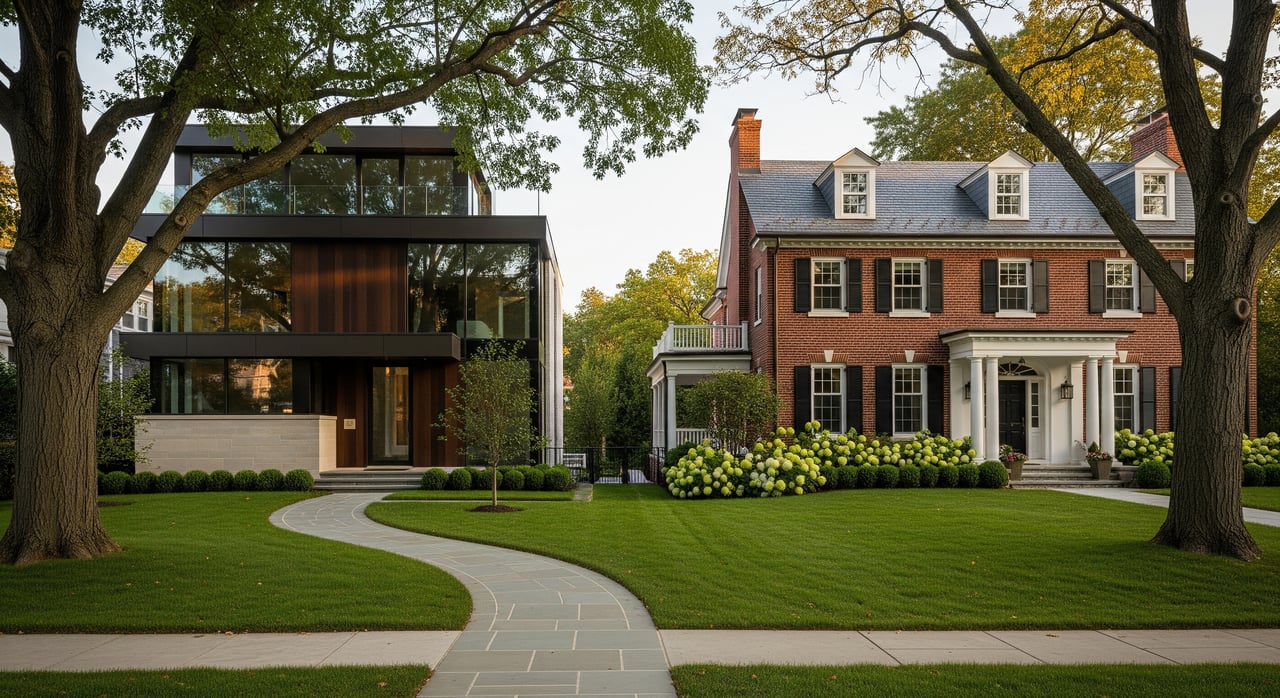
Choosing between new construction and resale in North Potomac comes down to fit. If you value a custom layout, today’s energy performance, and are comfortable with a longer timeline, a new build can make sense. If you want speed, mature neighborhood character, and flexibility to renovate on your own schedule, a resale may be your best match. Either way, a clear plan and the right guidance will save you time and money.
Ready to compare specific homes, incentives, and timelines side by side? Connect with Gerly Oden for a concierge consult that fits your move, your budget, and your goals.
FAQs
What makes new homes cost more in North Potomac?
- Builders price in modern finishes, energy‑efficient systems, and lot premiums, and buyers often add upgrades. New homes may also be reassessed at sale, which can increase first‑year taxes.
How long does new construction take in Montgomery County?
- Inventory homes can be ready in a few months, while pre‑sales or custom builds often take 6 to 12 months or more due to permits, inspections, supply chain, and weather.
Which taxes and fees apply when I buy in Montgomery County?
- Expect Maryland transfer and recordation taxes, standard closing costs, and property taxes that may change after reassessment. Check county finance resources for current rates and timing.
Do most North Potomac resales have HOAs?
- Many neighborhoods have HOAs, especially townhome communities and newer subdivisions. Review dues, rules, and budgets early in your decision process.
How do I compare energy costs between new and older homes?
- Ask for utility estimates, HVAC and insulation details, and window specs. For older homes, factor potential upgrades like insulation, heat pumps, or window replacements into your total cost of ownership.