Is your ideal Damascus home a classic farmhouse on acreage or a low‑maintenance townhouse close to commuter routes? With so many styles in Montgomery County’s northern communities, it can be hard to know where to start. You want a home that fits your lifestyle, budget, and long‑term plans, without surprises after you move in. This guide walks you through the most common home styles you will see in Damascus, what to expect from each, and the key checks to make before you buy. Let’s dive in.
Damascus housing at a glance
Damascus blends rural roots with suburban convenience. You will find 19th‑century farmhouses on multi‑acre parcels, mid‑century ranches and split‑levels in quiet subdivisions, and newer homes with open layouts. Some neighborhoods are on public water and sewer, while many rural properties rely on wells and septic systems. That mix makes Damascus appealing to many buyers, but it also means doing a few extra checks early in your search.
Lot sizes vary by area. Older farm and equestrian properties can run several acres or more, sometimes with barns and outbuildings. Subdivisions usually sit on smaller single‑family lots, and attached townhomes cluster near main roads and commuter corridors. Knowing the utility setup and zoning for a specific address will help you plan renovations, maintenance, and future uses.
Popular home styles in Damascus
Historic farmhouses and rural homes
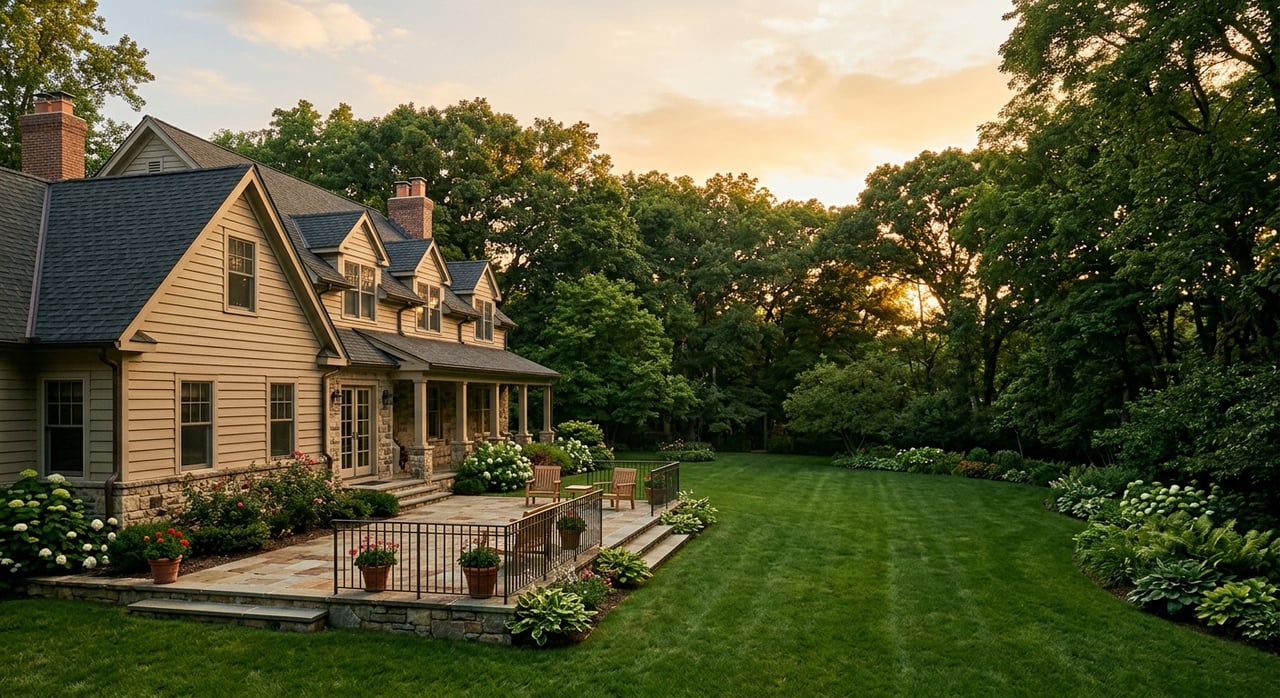
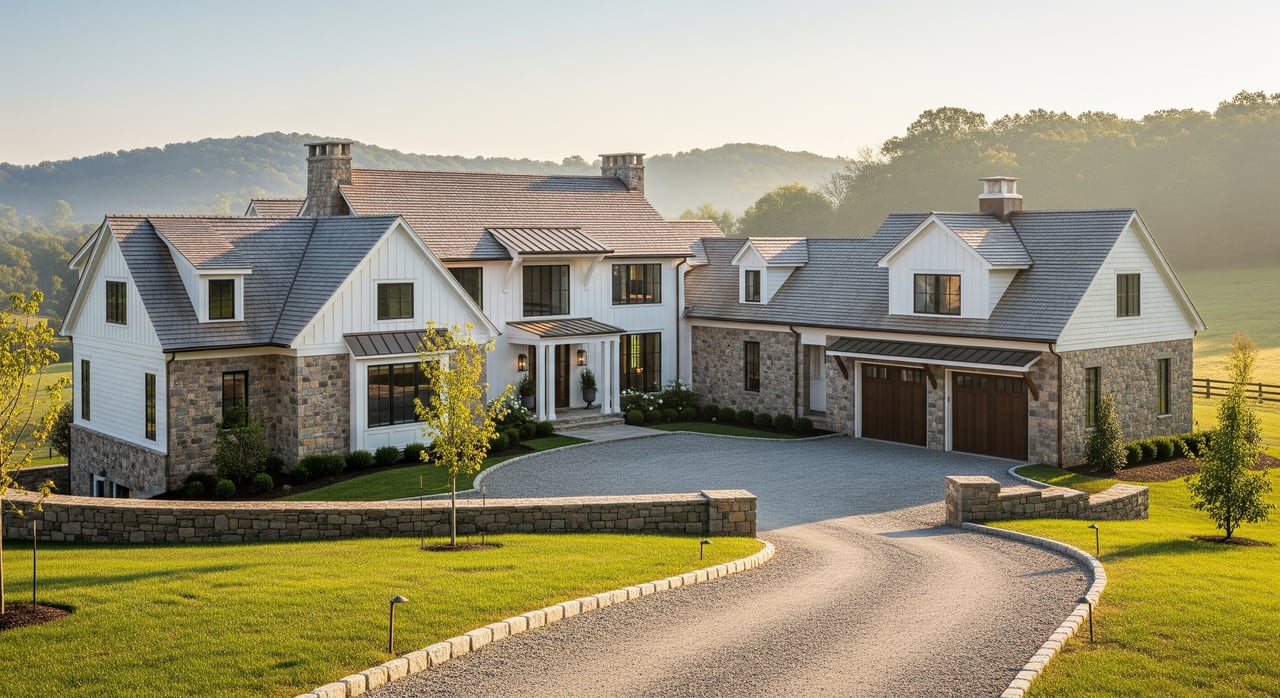
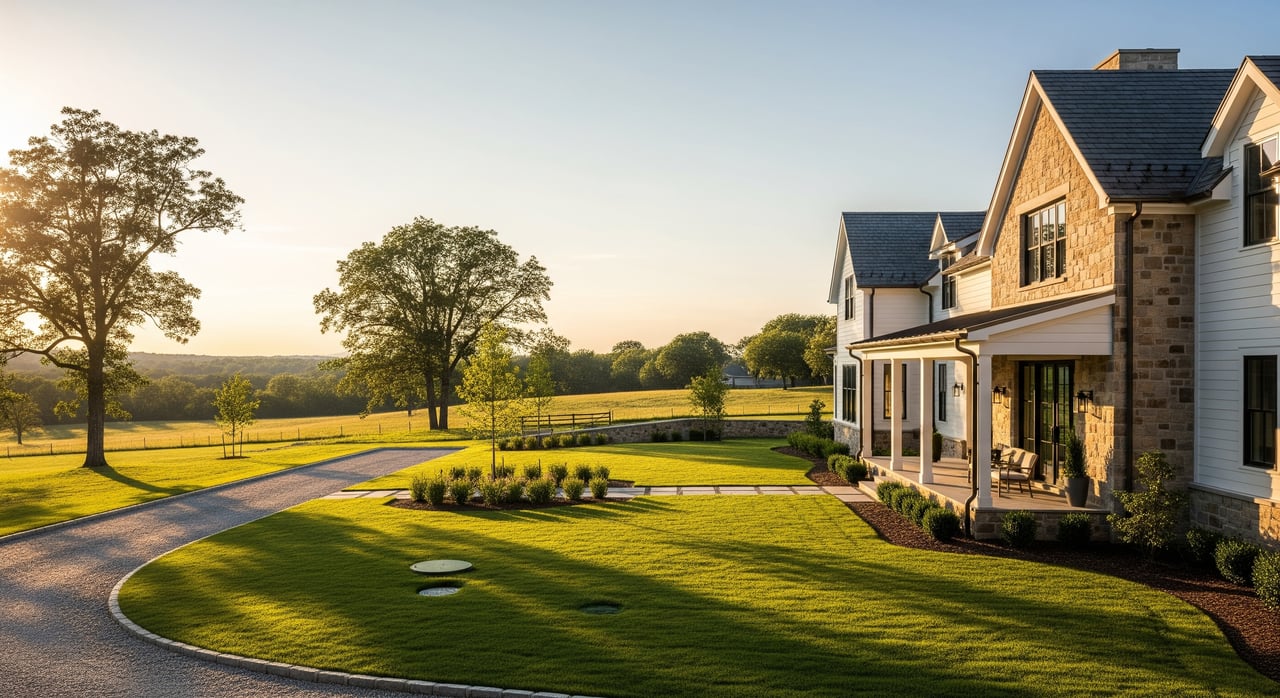
You will see 19th and early 20th‑century homes with gable roofs, front porches, and simple rectangular footprints. Many sit on large lots with mature trees, barns, or pastures. Some exteriors are wood or stone, while others were later clad in brick or vinyl.
- Pros: Character, privacy, and space for hobbies or equestrian use.
- Consider: Older plumbing and electrical, possible foundation or structural work, and historic materials such as lead paint or older insulation. Renovation costs can be higher, so plan for specialized inspections.
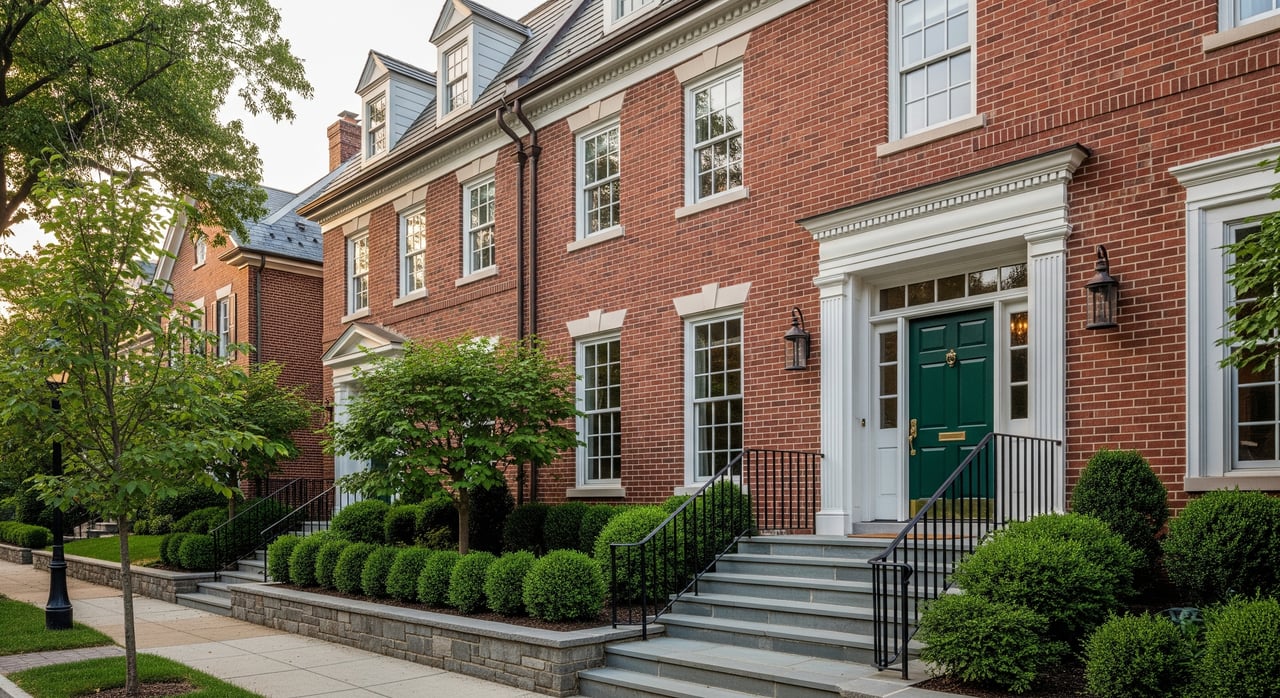
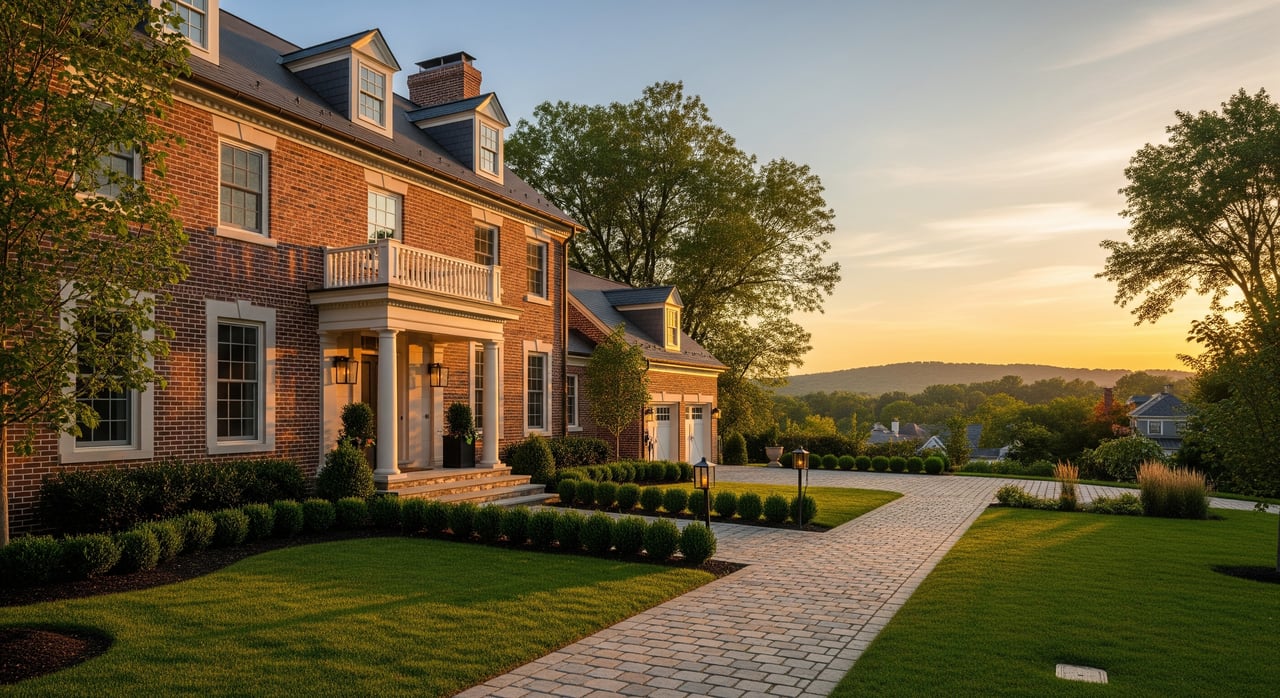
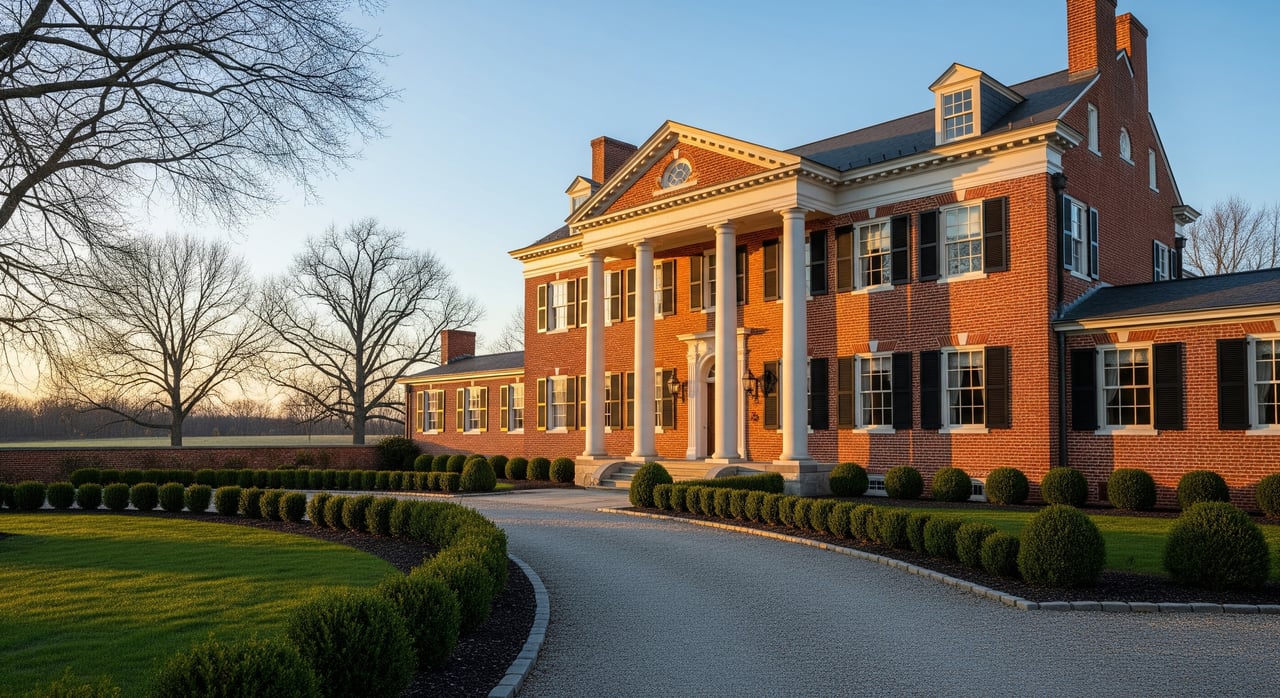
Colonial and center‑hall Colonials
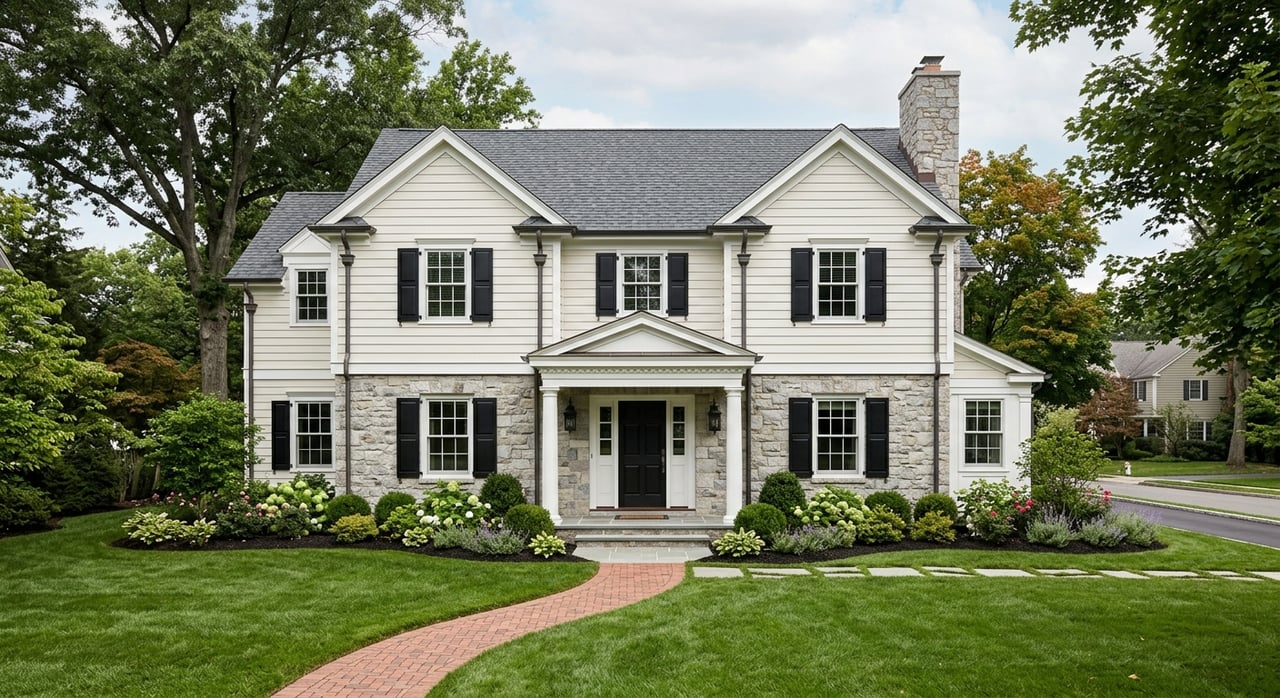
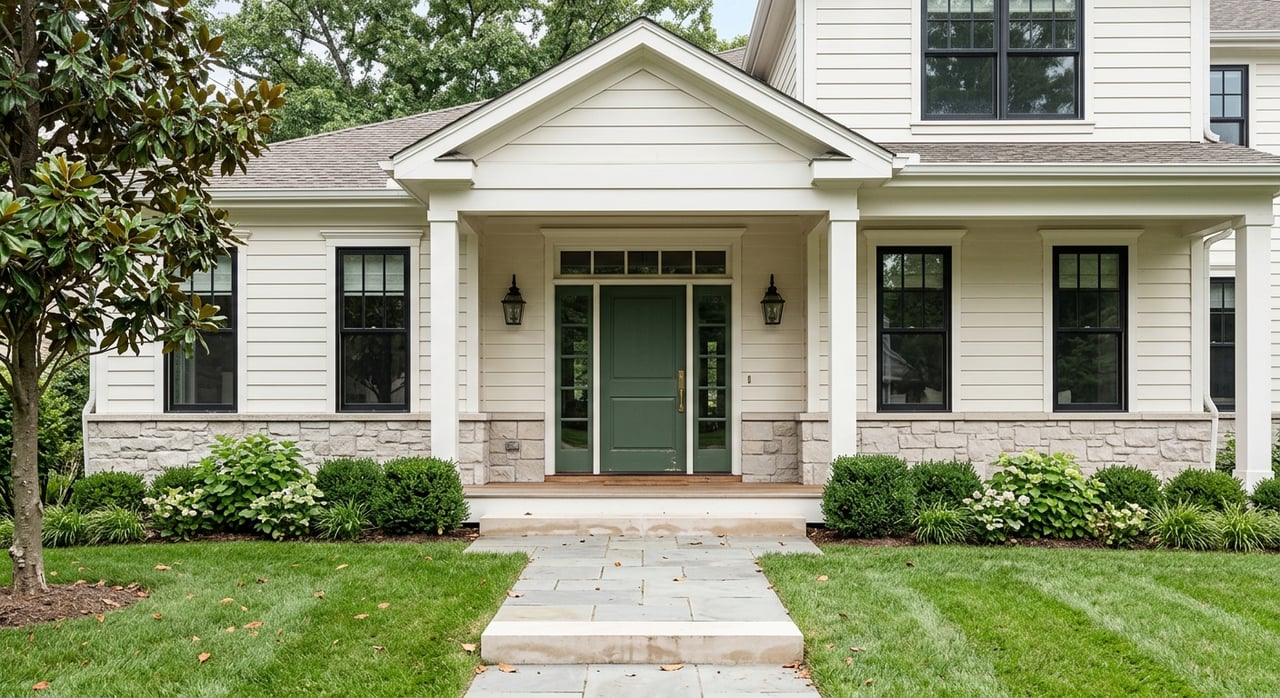
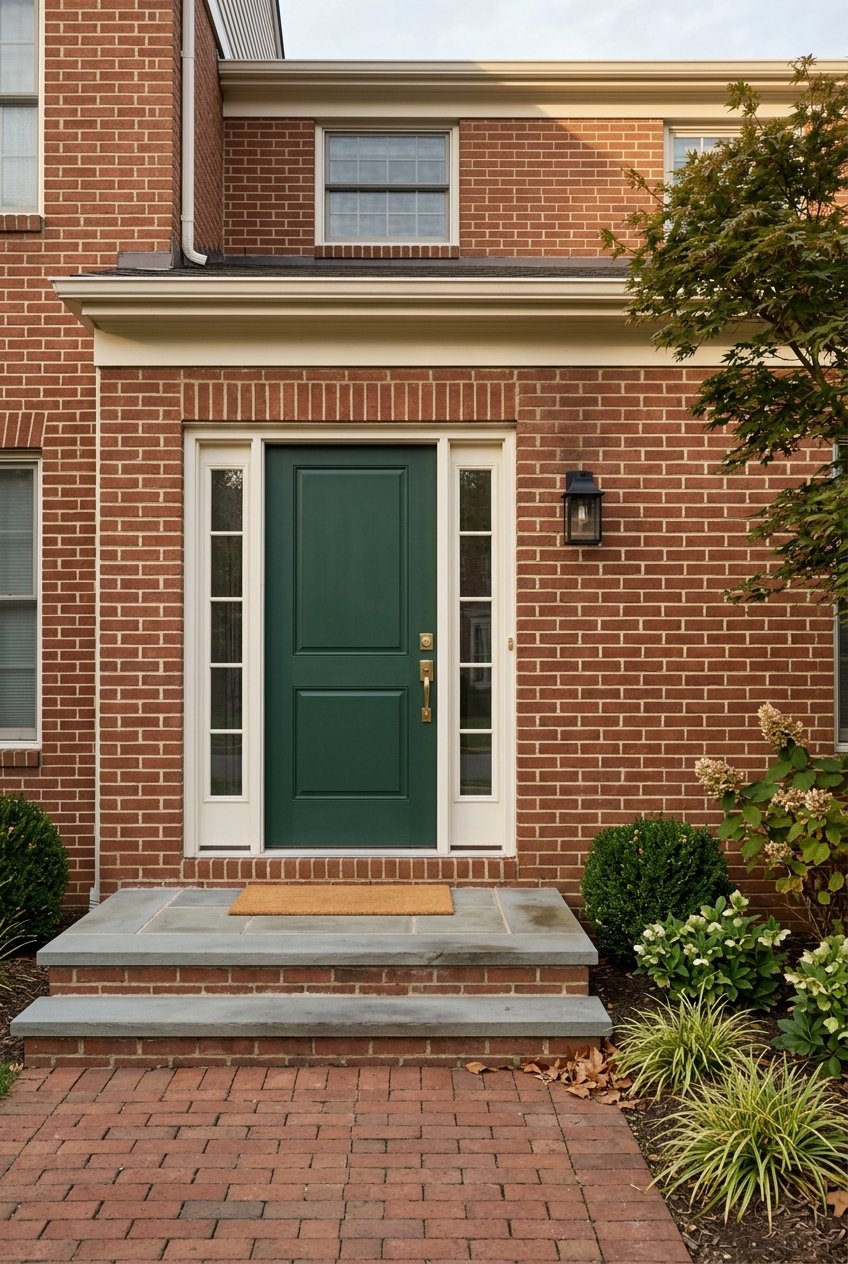
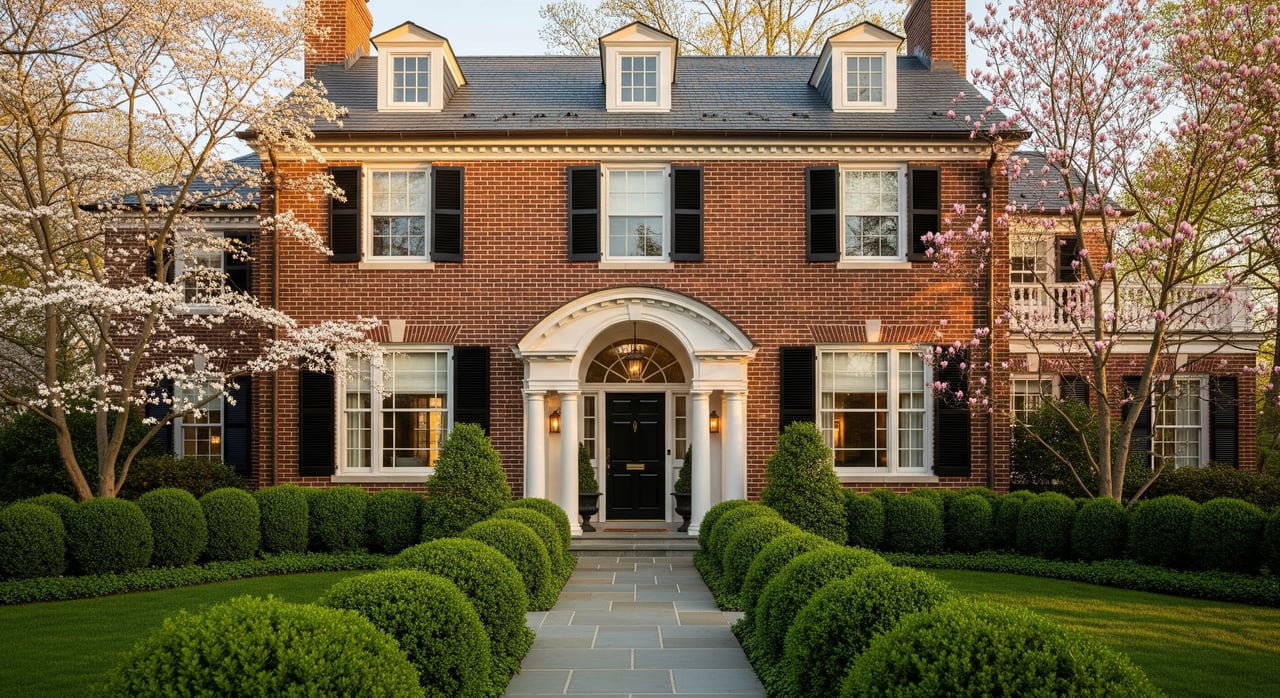
These are common across mid‑to‑late 20th‑century neighborhoods and in newer builds inspired by traditional forms. Floor plans are typically two full stories with a central entry, formal living and dining rooms, and bedrooms upstairs. Exteriors can be brick, vinyl, or wood.
- Pros: Familiar layouts, strong resale appeal, and good room counts for growing households.
- Consider: Older examples often have more compartmentalized rooms, which may not suit buyers who prefer open plans.
Cape Cods and 1½‑story cottages
Cape Cods offer a compact footprint with steep roofs and dormers. You often get two to three bedrooms spread across the main level and half story. These homes show up throughout mid‑century Damascus growth periods.
- Pros: Manageable square footage and often lower utility needs.
- Consider: Dormer and attic bedrooms can have lower ceilings and limited storage. Expansions usually require an addition.
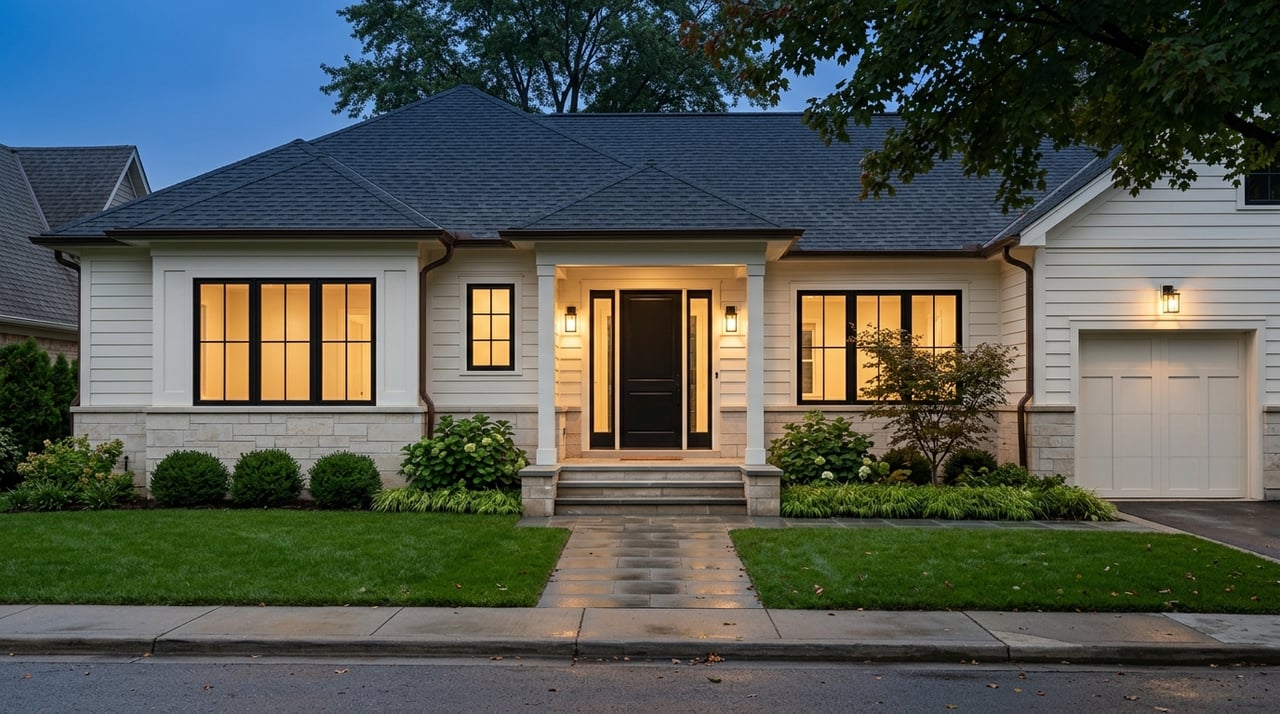
Ranch and bungalow styles
Single‑story living is a hallmark of 1950s to 1970s ranches and bungalows. Many include attached garages, easy access to the yard, and simple maintenance.
- Pros: Accessibility and straightforward layouts. Great for anyone who wants minimal stairs.
- Consider: Some subdivisions have smaller lots, and systems may be due for updates depending on the year built.
Split‑level homes
Split‑levels emerged during the suburban expansion of the 1950s to 1970s. You will recognize the staggered floors, with a main entry landing between a lower family room and upper bedrooms.
- Pros: Natural separation of living spaces and flexible zones for work or play.
- Consider: Frequent short stairs and sometimes dated mechanicals. Opening walls to create an open plan can be complex.
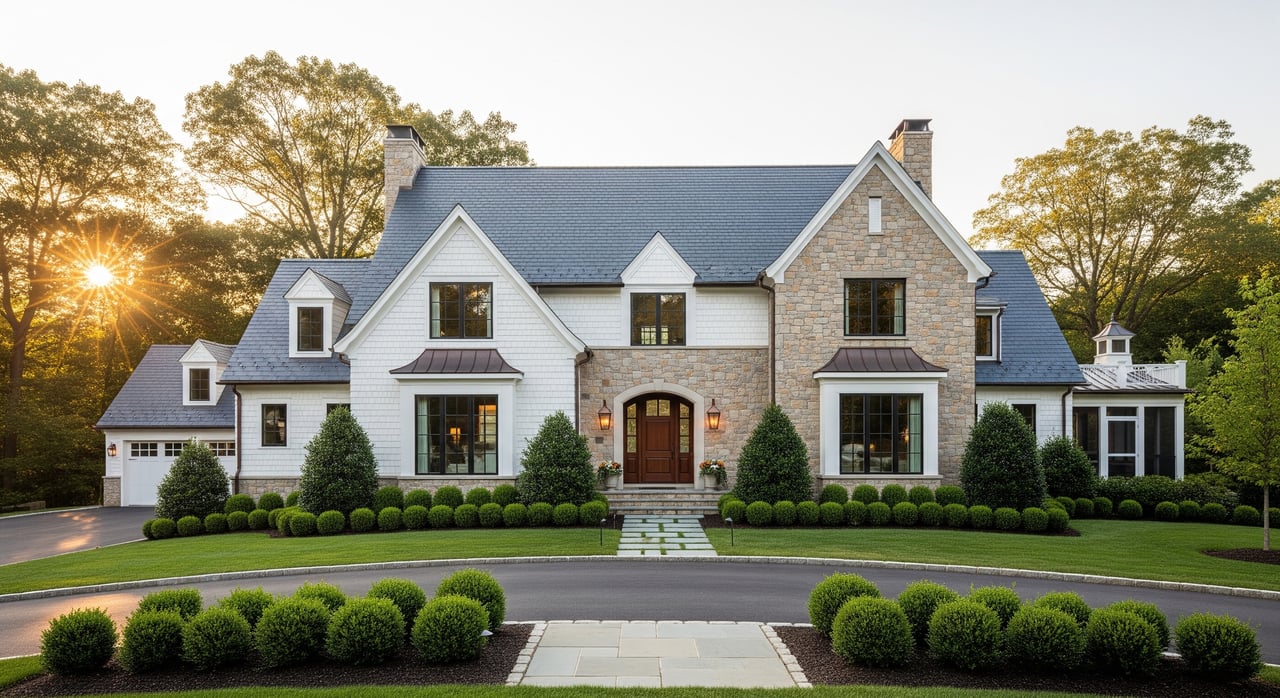
Neo‑traditional and modern suburban homes
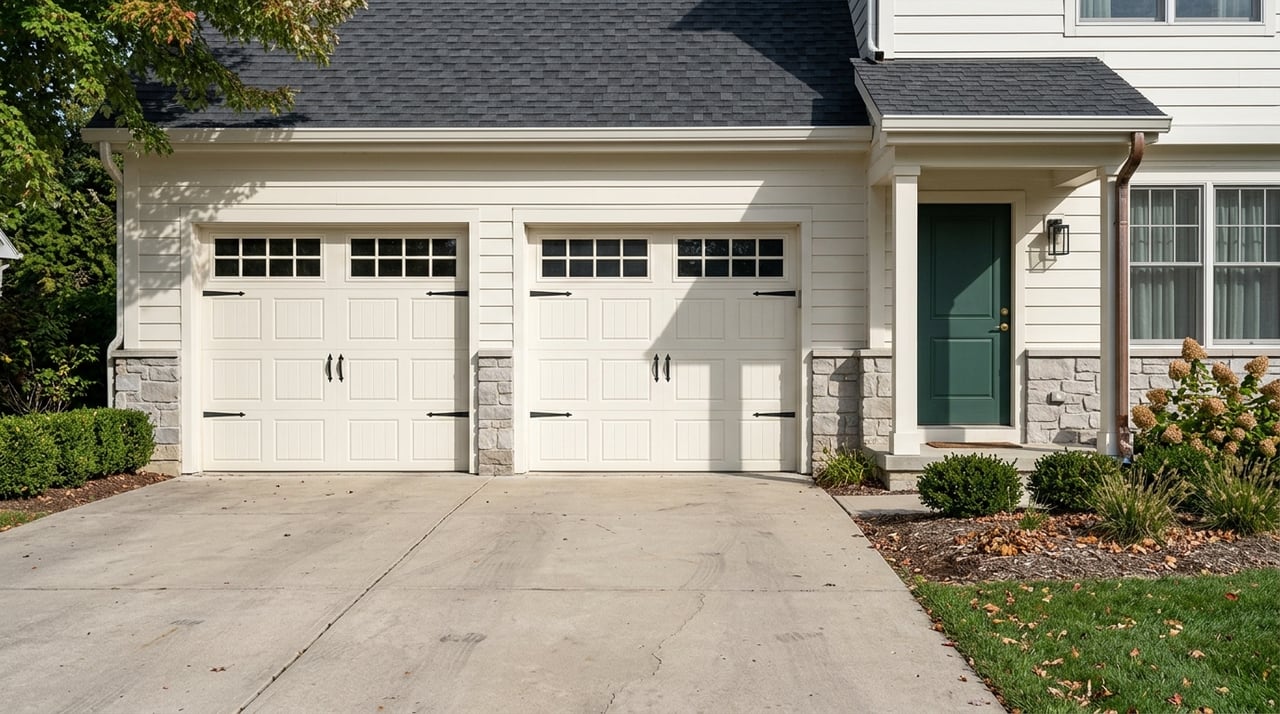
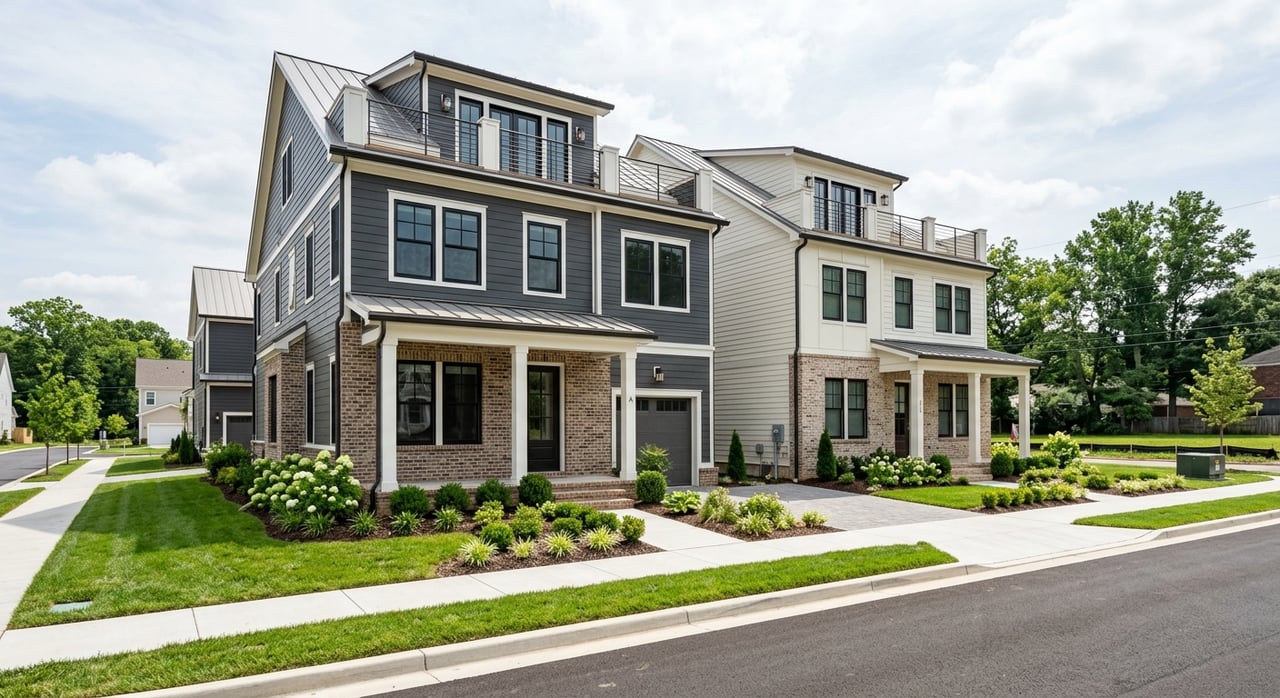
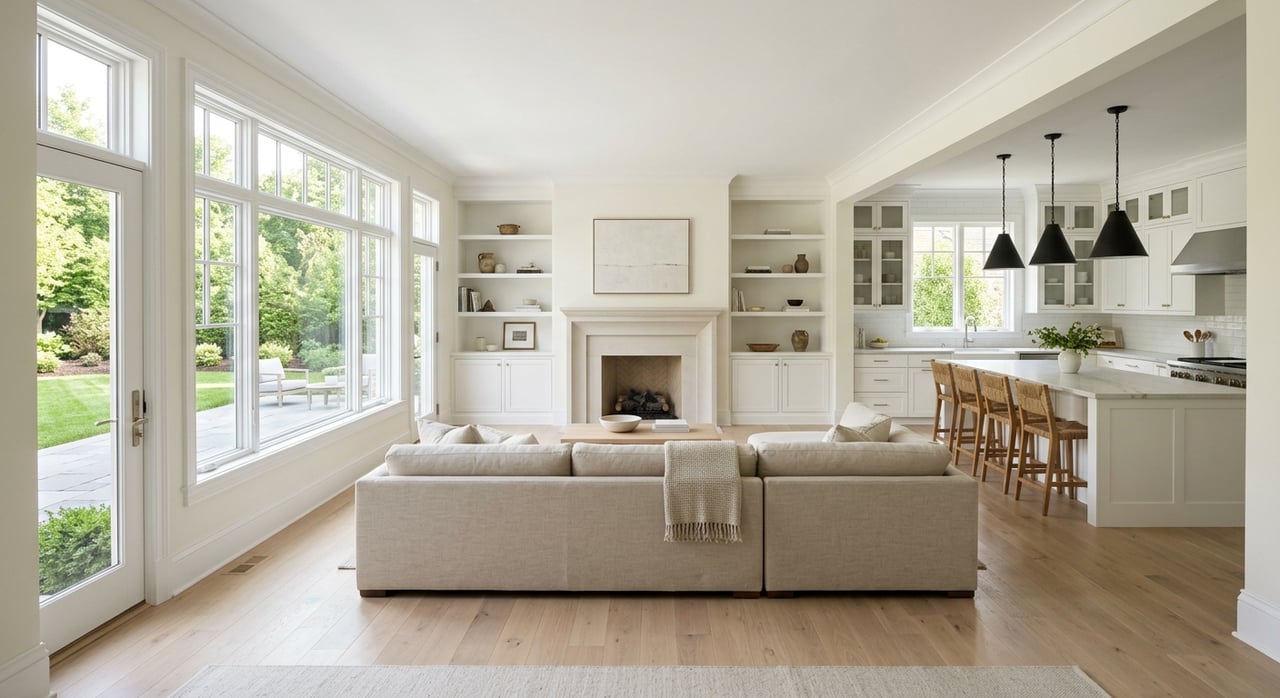
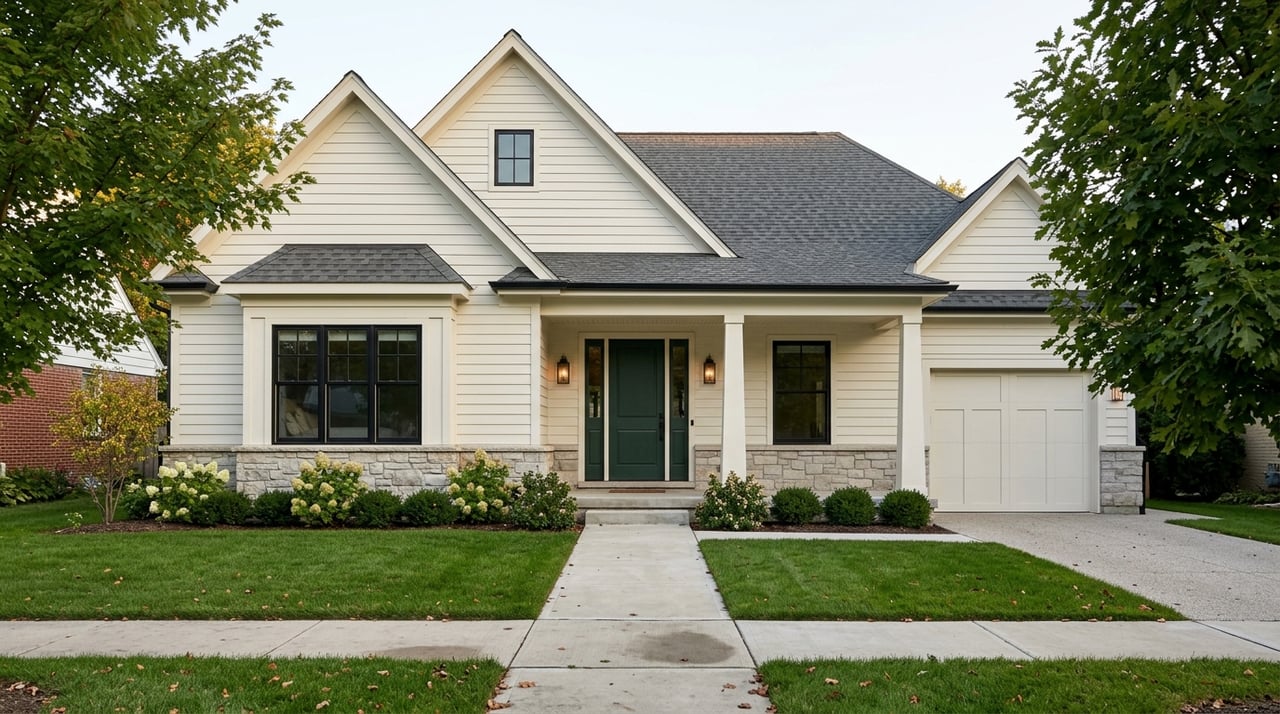
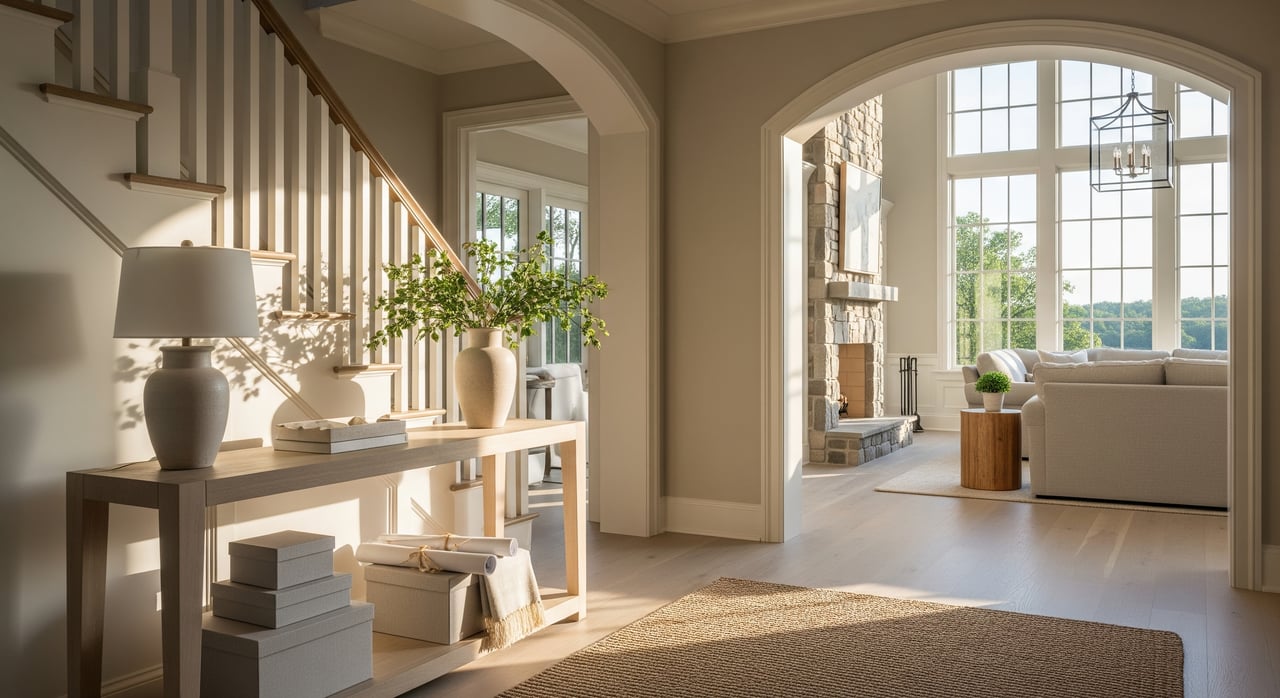
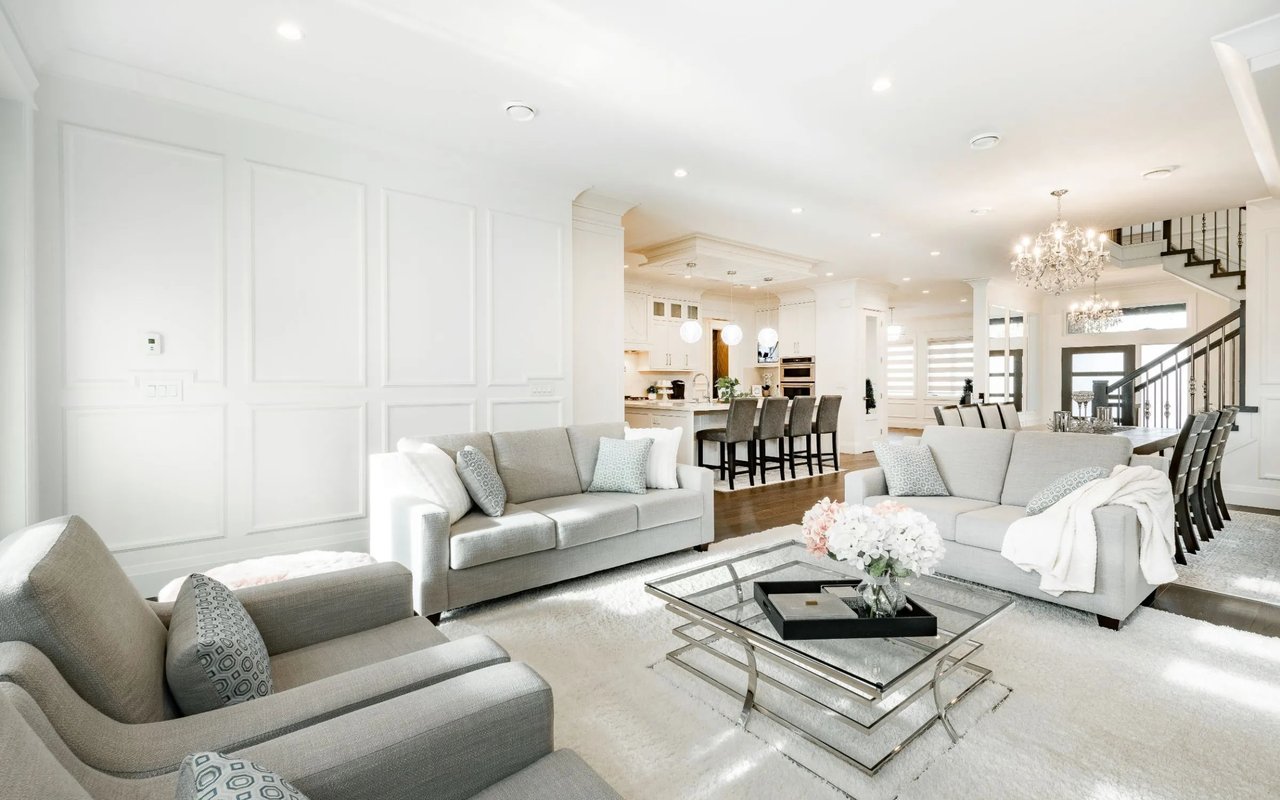
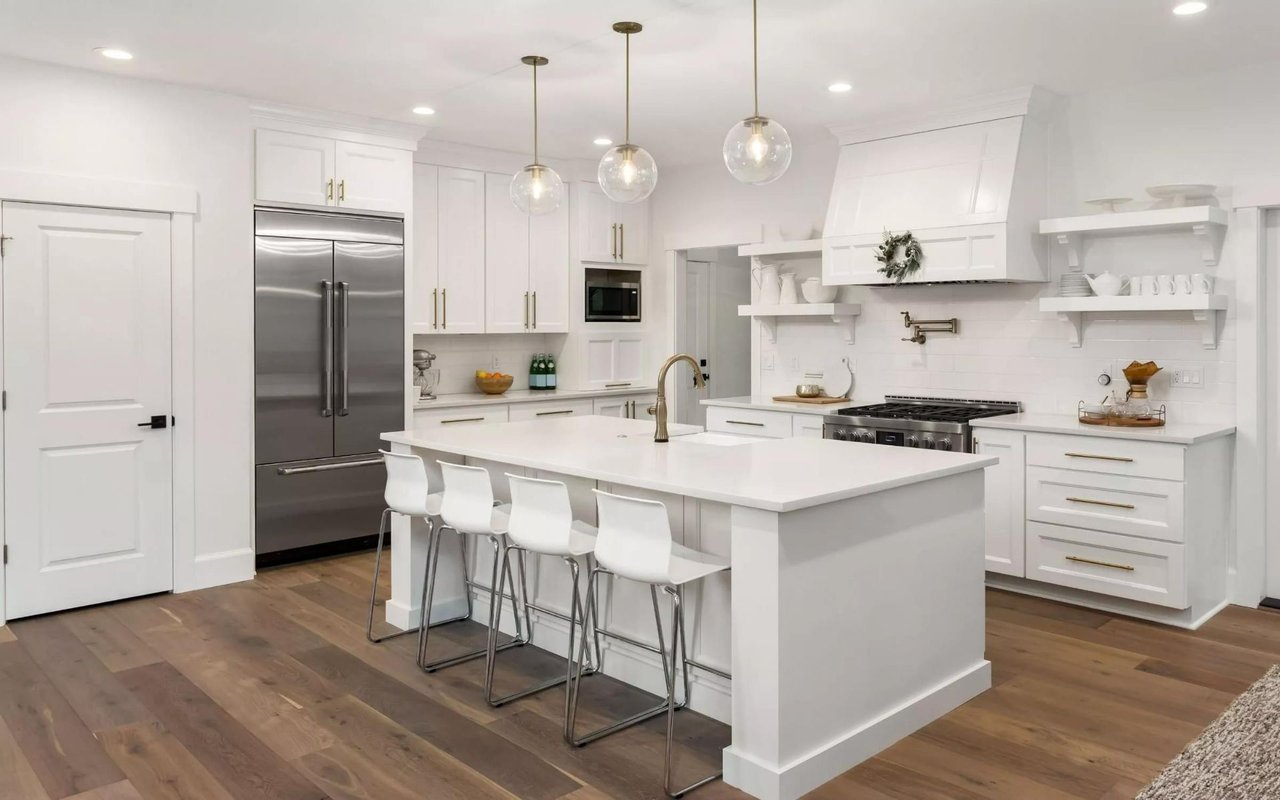
From the 1990s through today, Damascus has added subdivisions with open layouts, larger kitchens, and primary suites. Styles often blend Colonial revival with Craftsman or contemporary details, and garages typically hold two to three cars.
- Pros: Newer systems, energy‑conscious construction, and family‑friendly features like bigger kitchens and great rooms.
- Consider: Lots can be smaller and communities may have HOA rules that guide exterior changes and use.
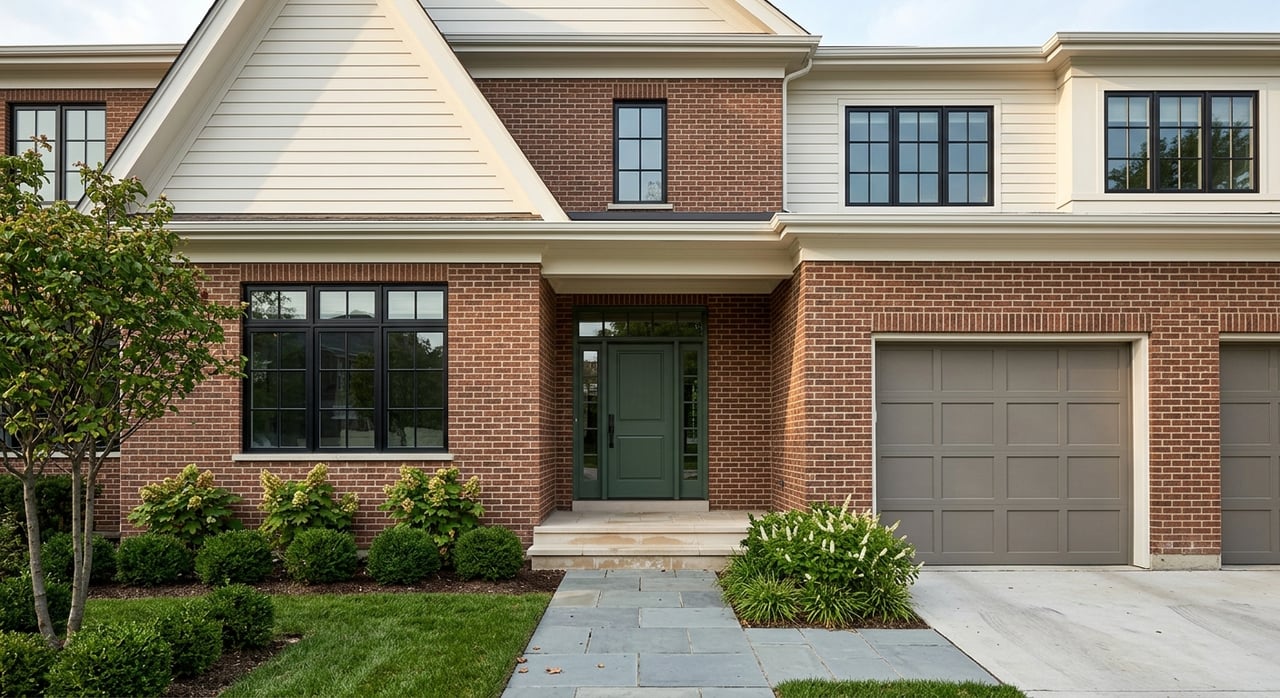
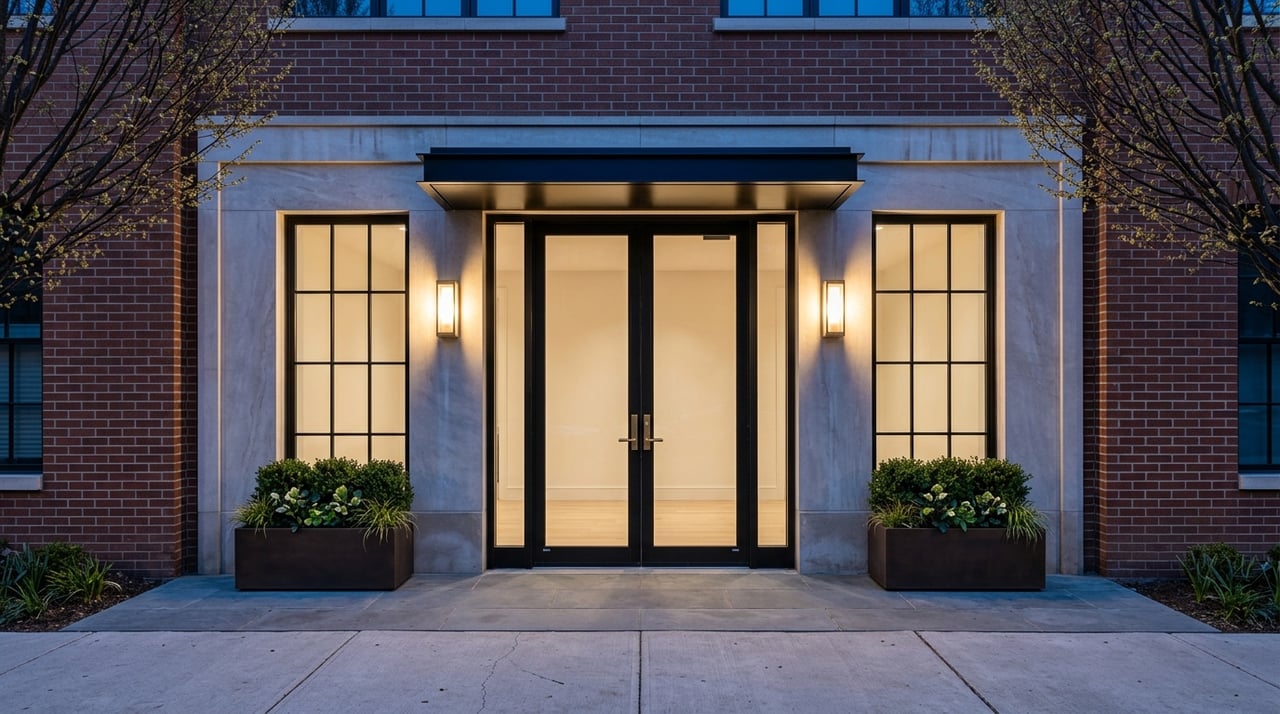
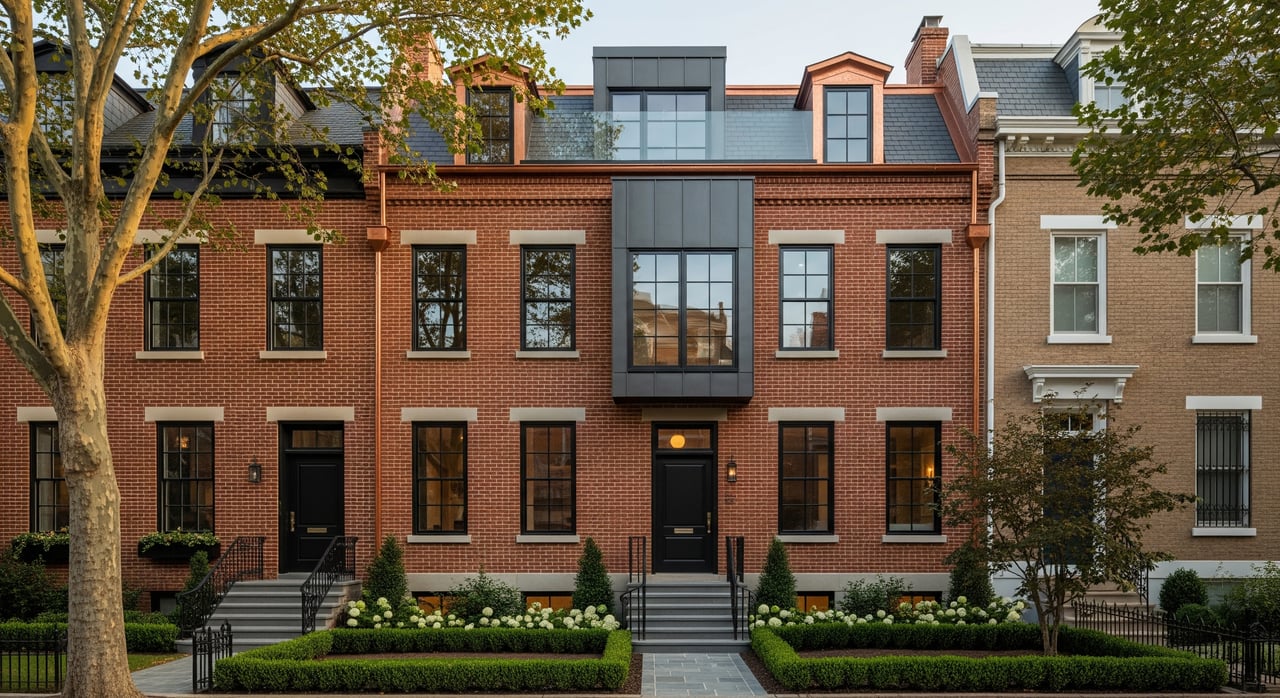
Townhouses and condominiums
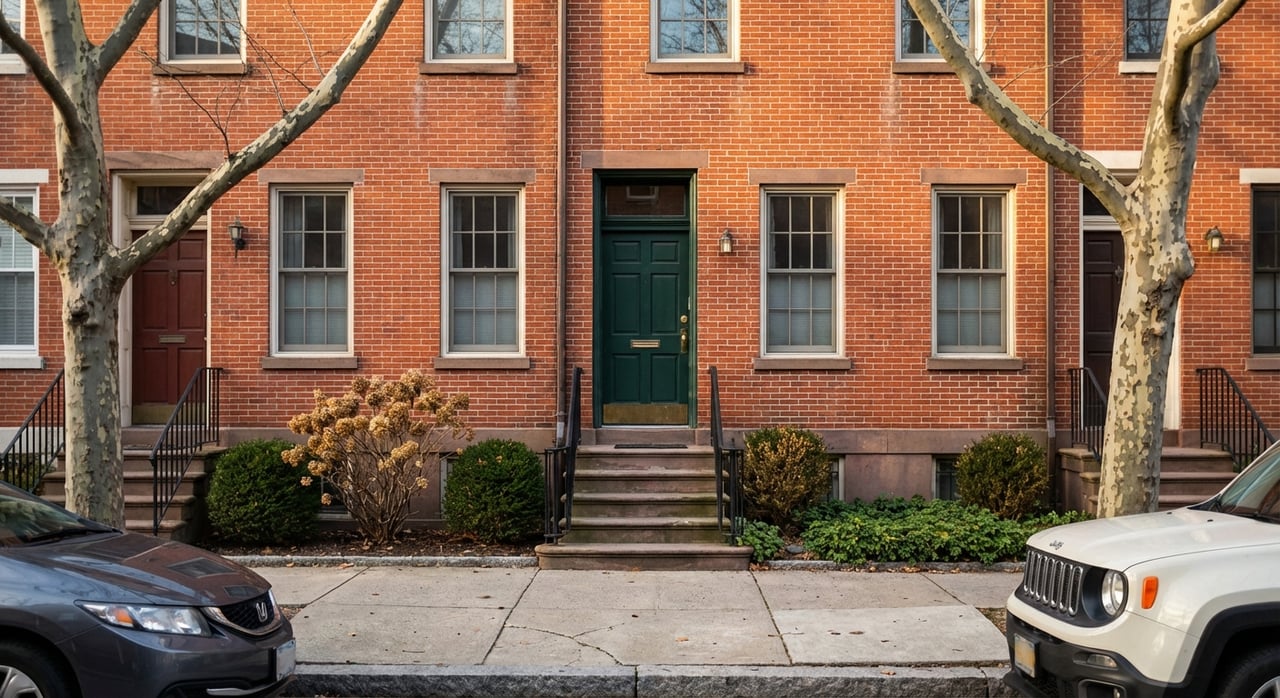
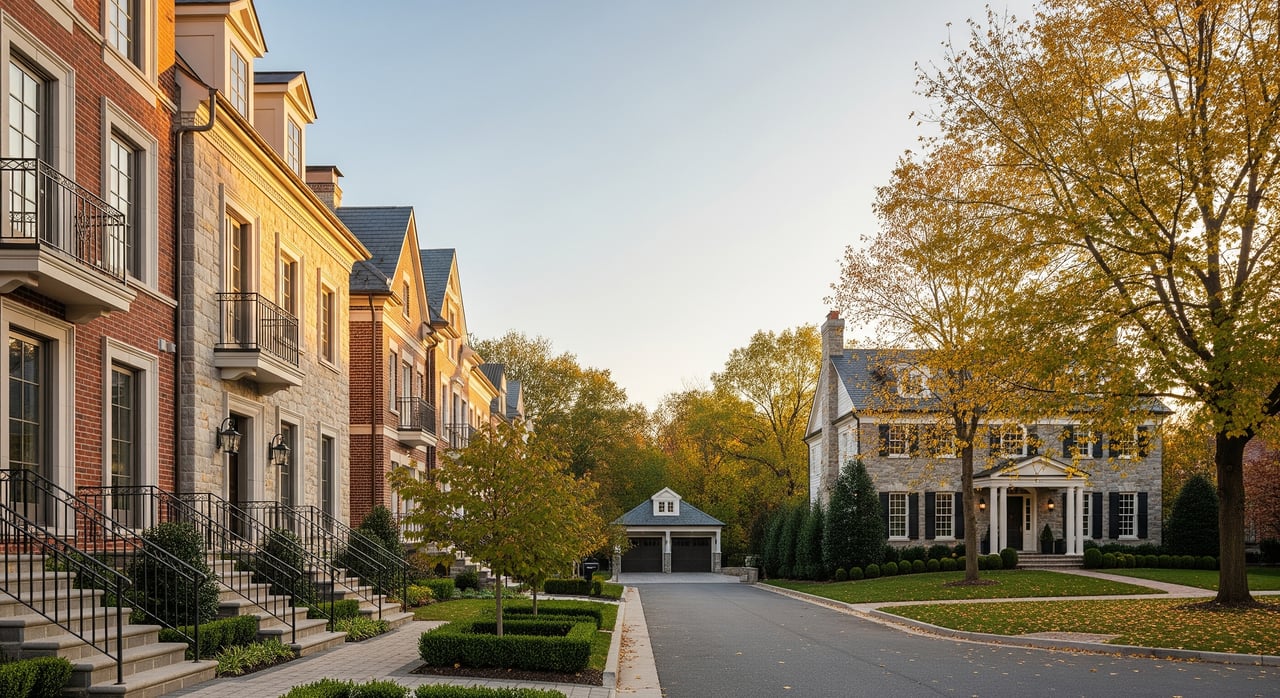
Attached homes tend to cluster near major roads and commuter corridors. You may find small yards or shared common areas along with HOA‑managed exterior maintenance.
- Pros: Lower maintenance and often a more affordable entry point compared with detached homes.
- Consider: HOA fees and rules, plus less privacy and outdoor space than single‑family options.
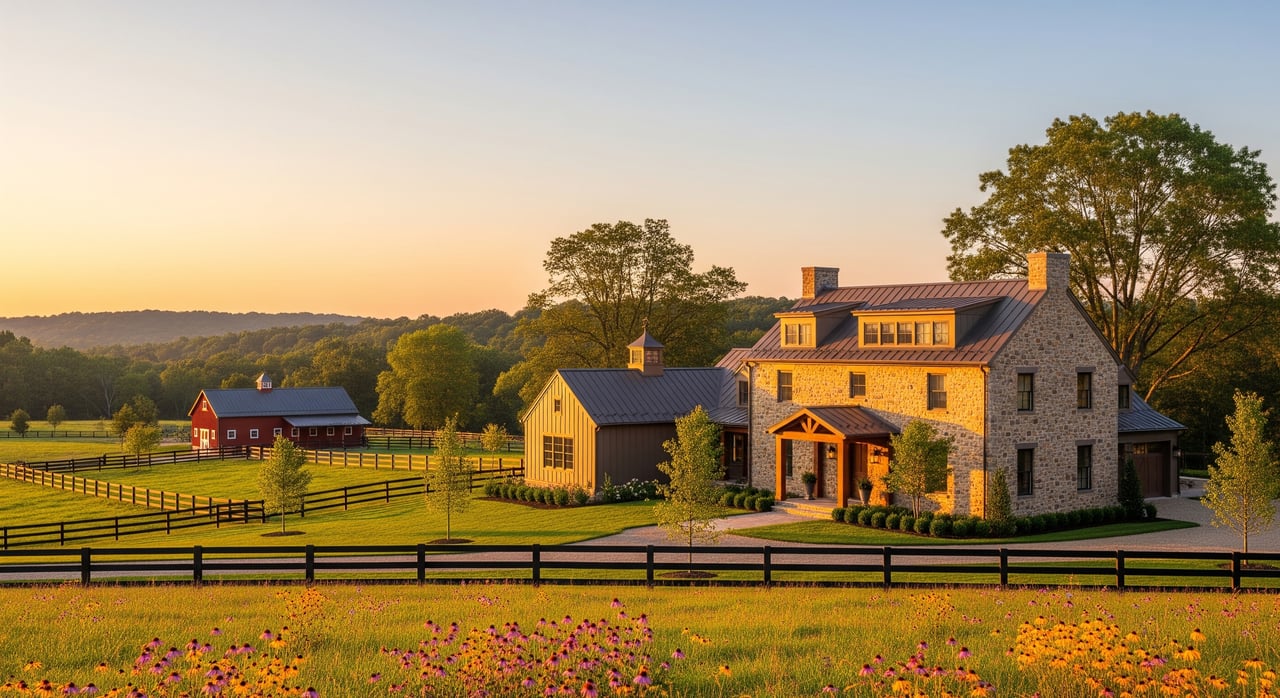
Equestrian and acreage properties
Damascus and the northern parts of Montgomery County include properties with barns, paddocks, riding rings, and pastureland. These homes support a unique lifestyle.
- Pros: Space, privacy, and room for horses or hobby farming.
- Consider: Specialized upkeep, higher insurance and maintenance costs, and zoning or environmental rules that guide animal use, fencing, and outbuildings.
What to check before you buy
Utilities: public vs well and septic
Confirm early whether a property is on public water and sewer or uses a private well and septic. For well and septic, plan on specialized inspections and testing. Septic systems have lifespans and can be costly to repair or replace. Wells may need treatment systems depending on water quality.
Age of systems and inspections
Many Damascus homes were built in the mid‑20th century, which means some systems may be at or near the end of their service life.
- Electrical: Older wiring, panels, or aluminum branch circuits can be safety or insurance issues.
- Plumbing: Galvanized steel pipes, lead solder in pre‑1986 plumbing, or polybutylene lines can be red flags.
- HVAC: Ask for service records and expected remaining life. Plan for replacement if units are older.
- Foundation and structure: Look for settlement, moisture, or wood‑destroying organism activity. Stone or older masonry may need tuckpointing.
- Energy performance: Older insulation and single‑pane windows are common. Budget for upgrades if efficiency matters to you.
- Environmental: For older homes, lead paint and possible asbestos in some materials warrant testing. Radon testing is a smart extra step.
Zoning, Agricultural Reserve, and permits
Northern Montgomery County includes agricultural preservation policies that help maintain rural character. Zoning influences permitted uses, outbuildings, and subdivision potential. Before planning a barn, apartment, or addition, verify county rules and obtain permits. If a property has historic protections or easements, exterior changes may require review.
Floodplains and site conditions
Some homes near streams or low‑lying areas may be within FEMA‑mapped flood zones. Check for drainage patterns, grading around the foundation, and signs of moisture in basements or crawlspaces. Insurance requirements and building constraints can apply in regulated areas.
Commute, transit, and daily routes
Damascus functions as a commuter community for the I‑270 corridor and broader Montgomery County. If commute time is a priority, test your route during peak hours. Consider proximity to main roads and services you use each week.
Schools and services
School assignments in Montgomery County can change. Use official county resources to confirm current boundaries for any address you are considering. If school access is important to you, verify before you make an offer.
Renovation, expansion, and costs
Many buyers choose a solid older home and plan updates over time. If you are considering improvements, line up inspections and contractor estimates early.
- Single‑story homes and bungalows are often simpler to expand horizontally.
- Two‑story additions need structural planning, including foundation and load‑bearing details.
- Unauthorized past work can create issues at resale. Check county permit records where possible.
If you expect significant renovations, ask lenders about renovation‑friendly financing, such as FHA 203(k) or Fannie Mae HomeStyle. Availability and terms change, so confirm with local lenders. For equestrian or acreage properties, factor in fencing, pasture management, and barn repairs in your total budget.
Financing and insurance basics
Property type and condition can affect financing and insurance.
- Older homes with outdated electrical or plumbing may face insurance hurdles or higher premiums.
- Large acreage and agricultural uses can influence underwriting. Discuss land use and outbuildings with your lender and insurer.
- Some areas near Damascus may fall near USDA rural loan eligibility lines. Confirm current maps and rules with a lender who works with these programs.
Finding your fit in Damascus
Start with your daily life. Do you value acreage and privacy, or do you want a move‑in‑ready home with a short drive to commuter routes? Are you comfortable updating systems over time, or do you prefer newer construction with modern efficiency?
Use this quick framework to narrow your options:
- If you want space and character: Explore historic farmhouses or acreage properties. Plan a thorough inspection budget.
- If you prefer classic layouts and strong resale: Look at Colonials and well‑maintained split‑levels.
- If one‑level living is a must: Focus on ranch and bungalow neighborhoods.
- If low maintenance is key: Consider townhomes or newer builds with HOA‑managed exteriors.
- If you expect to renovate: Target solid homes where upgrades add value, and verify permits and zoning early.
Damascus offers a wide spectrum of homes within a short drive, from rural lanes to suburban streets. With the right plan and a clear checklist, you can zero in on the style that fits your lifestyle and budget.
Ready to tour homes and compare options side by side? Reach out to schedule a consult and start a tailored search. You will get step‑by‑step guidance, neighborhood context, and a clear plan from your first showing to closing. Connect with Unknown Company to get started.
FAQs
What home styles are most common in Damascus, MD?
- You will see a mix of historic farmhouses, mid‑century ranches and split‑levels, classic Colonials, newer neo‑traditional homes, plus townhouses near commuter corridors.
How do well and septic systems affect a Damascus home purchase?
- If a property is not on public utilities, plan for well water testing and a septic inspection. Septic systems have lifespans and replacement can be costly, so confirm condition early.
What inspections matter most for older Damascus homes?
- Focus on electrical panels and wiring, plumbing type, roof and foundation, HVAC age, insulation and windows, and potential environmental items like lead paint, asbestos, and radon.
Are HOAs common in newer Damascus neighborhoods?
- Many newer subdivisions and most townhouse communities have HOAs that manage common areas and set exterior rules. Review fees, restrictions, and approval processes before you buy.
Can I find equestrian properties in Damascus?
- Yes, there are acreage and horse‑friendly properties, but availability is limited. Verify zoning, water access, and the condition of barns, fencing, and pasture before making an offer.
Are there new‑construction options in Damascus?
- Newer subdivisions and infill homes exist with open layouts and energy‑conscious systems. Lots may be smaller and HOA guidelines may apply, so review community documents in advance.