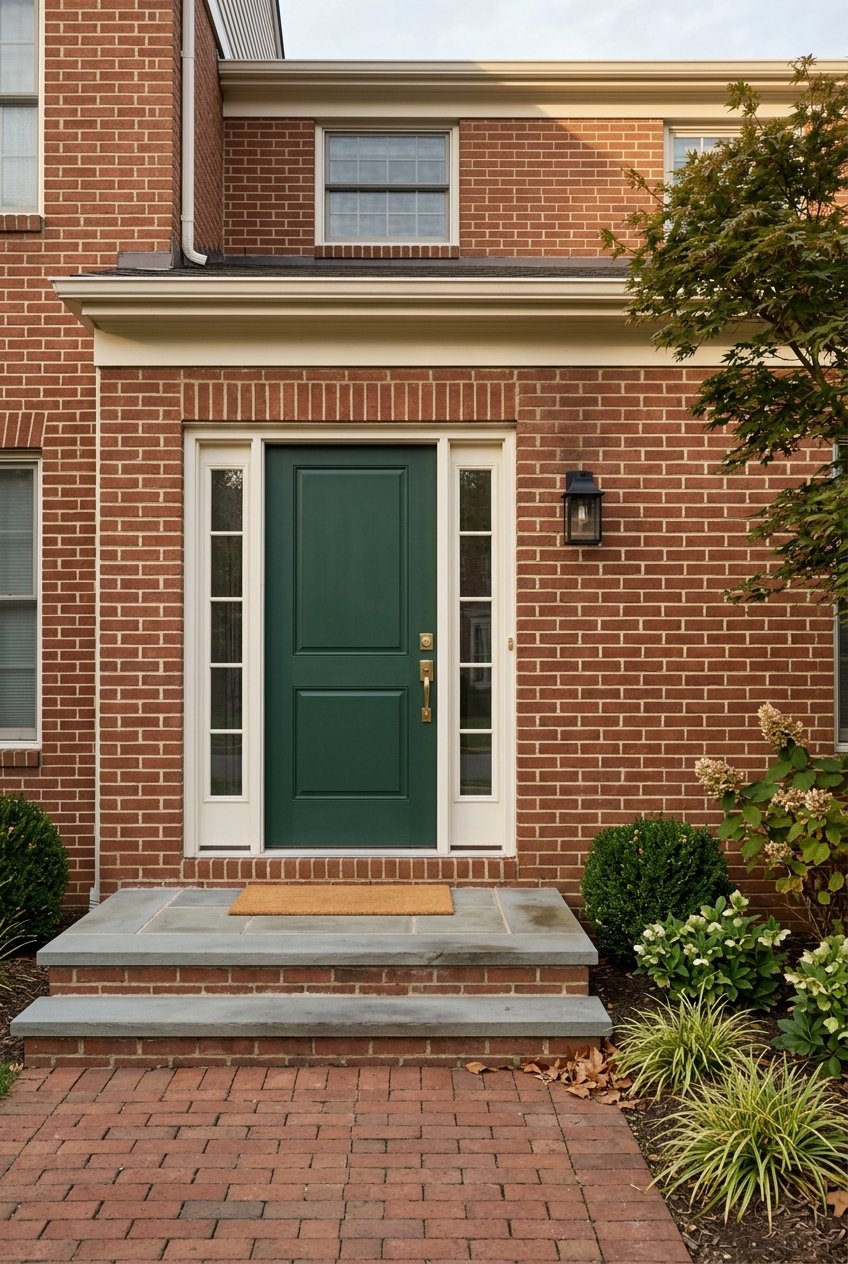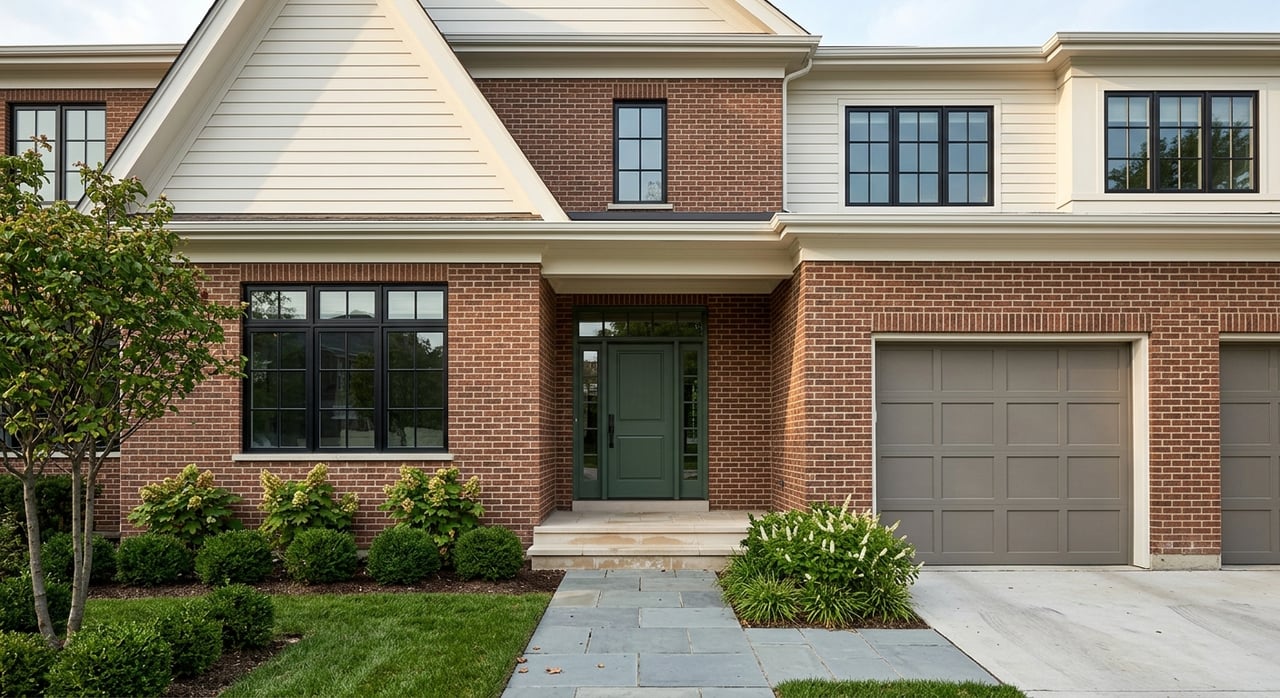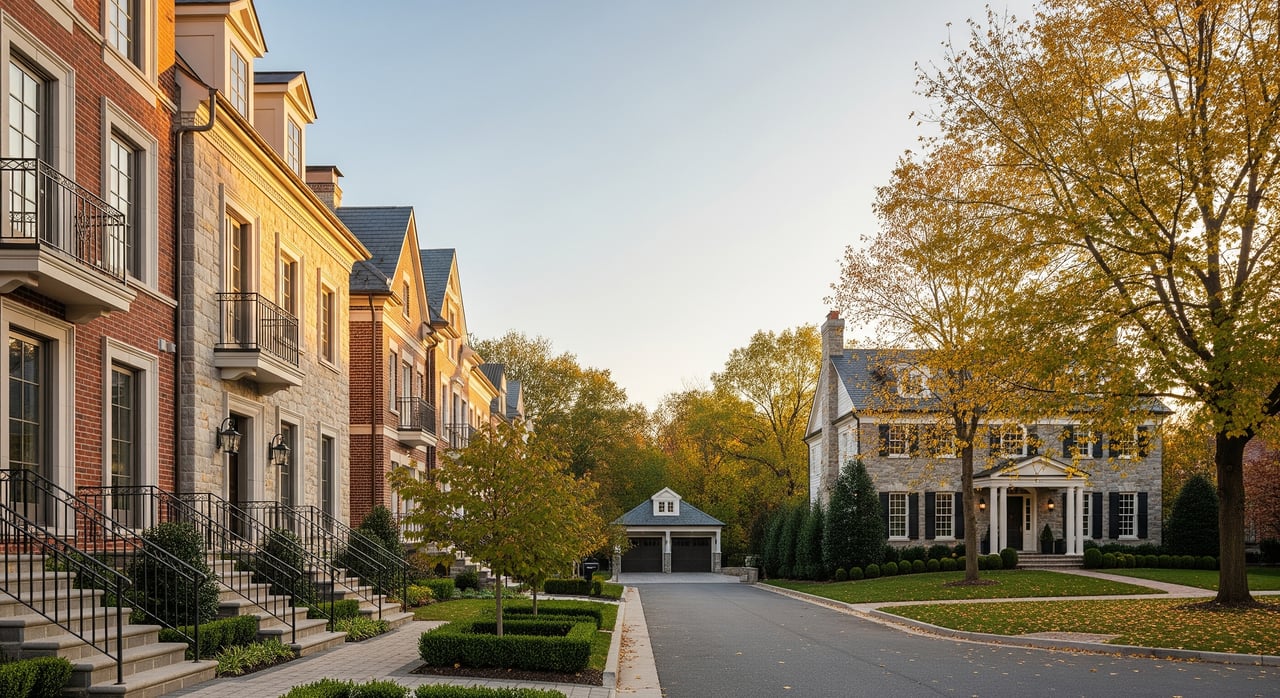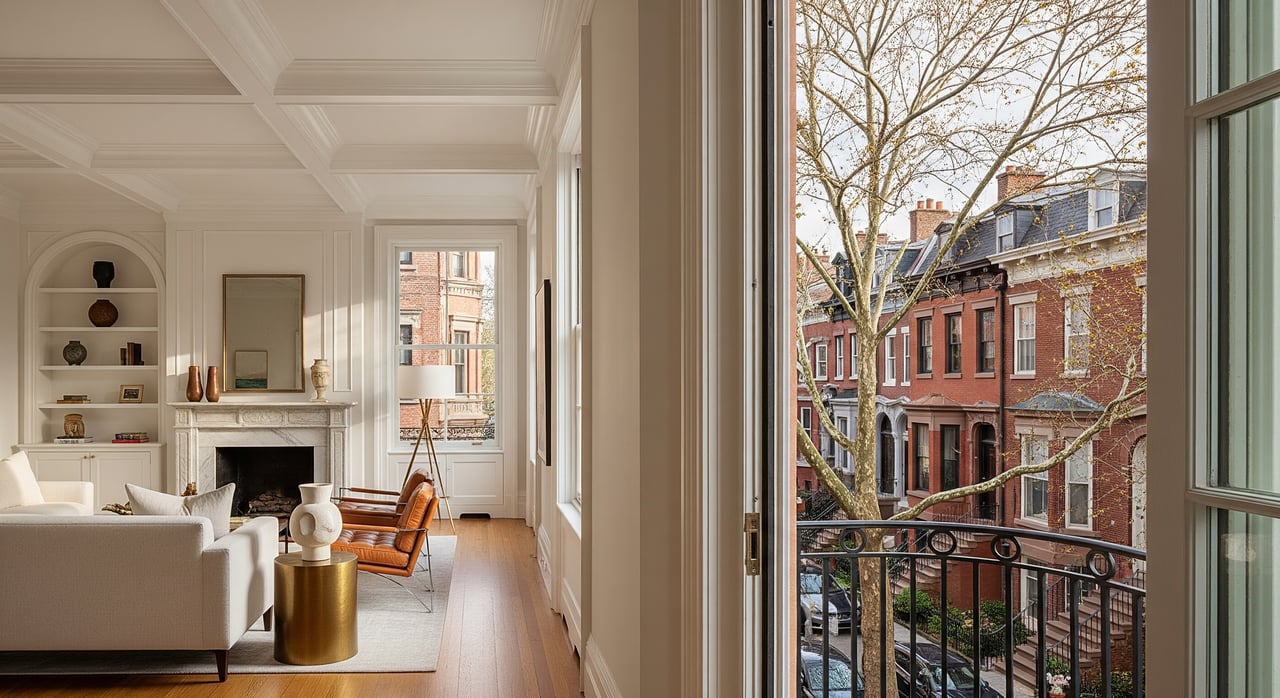
Trying to picture your life in a classic Northwest DC rowhouse? You’re not alone. From brick-lined Victorians to quiet, leafy blocks, NW DC offers distinct pockets that feel a world apart, even a few minutes from each other. If you want architecture with character, easy errands on foot, and quick transit, this guide will help you zero in on the neighborhoods that fit you best.
Below, you’ll find a plain‑English tour of key NW rowhouse areas, what the streets look like, how you’ll get around, typical price snapshots, and an ownership checklist so you can buy with confidence. Let’s dive in.
What makes NW DC rowhouses unique
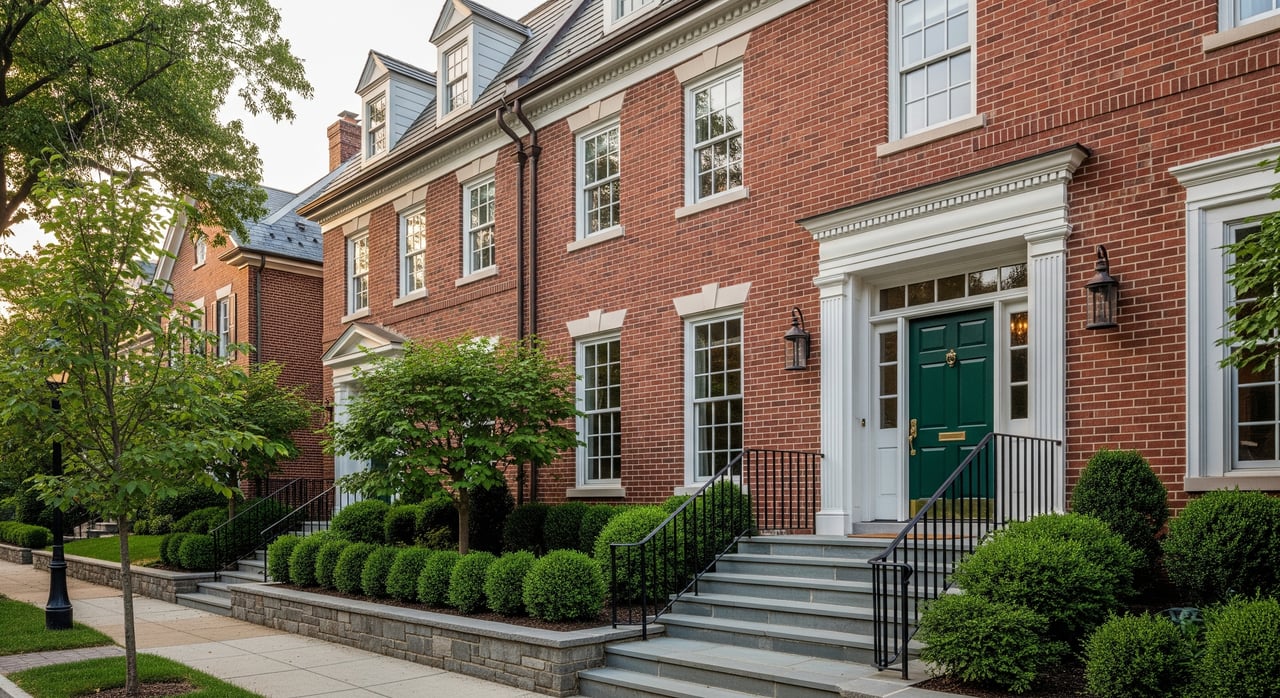
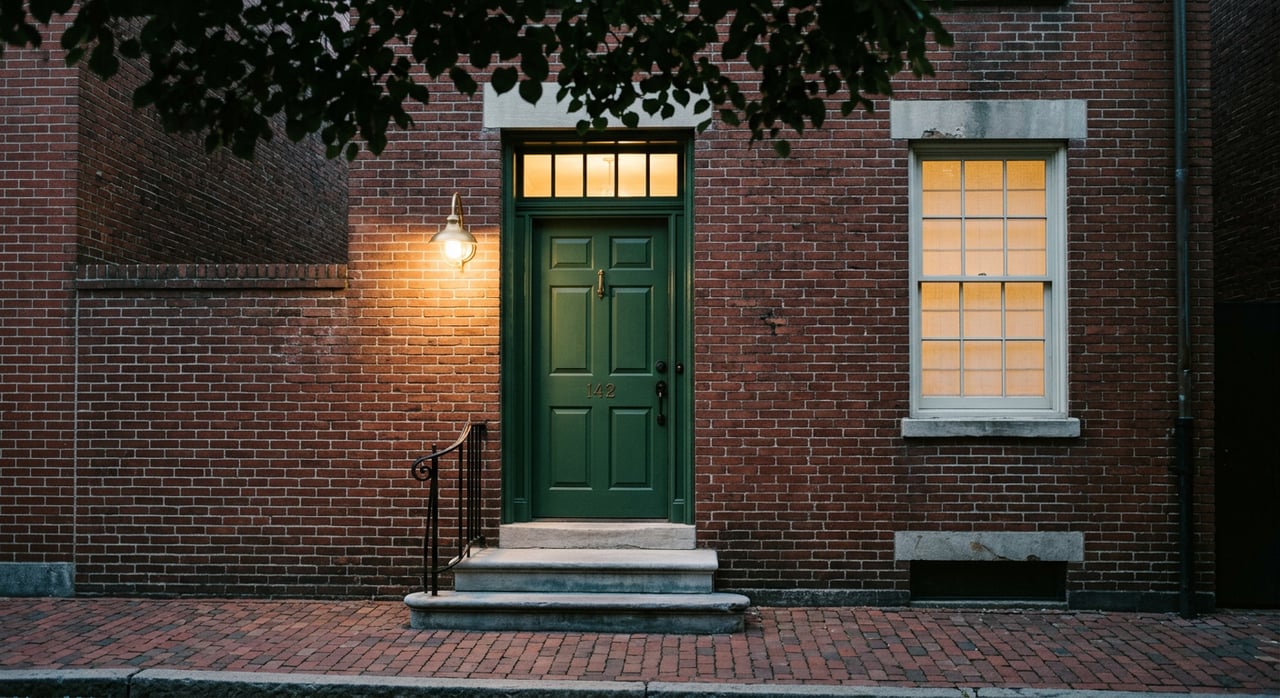
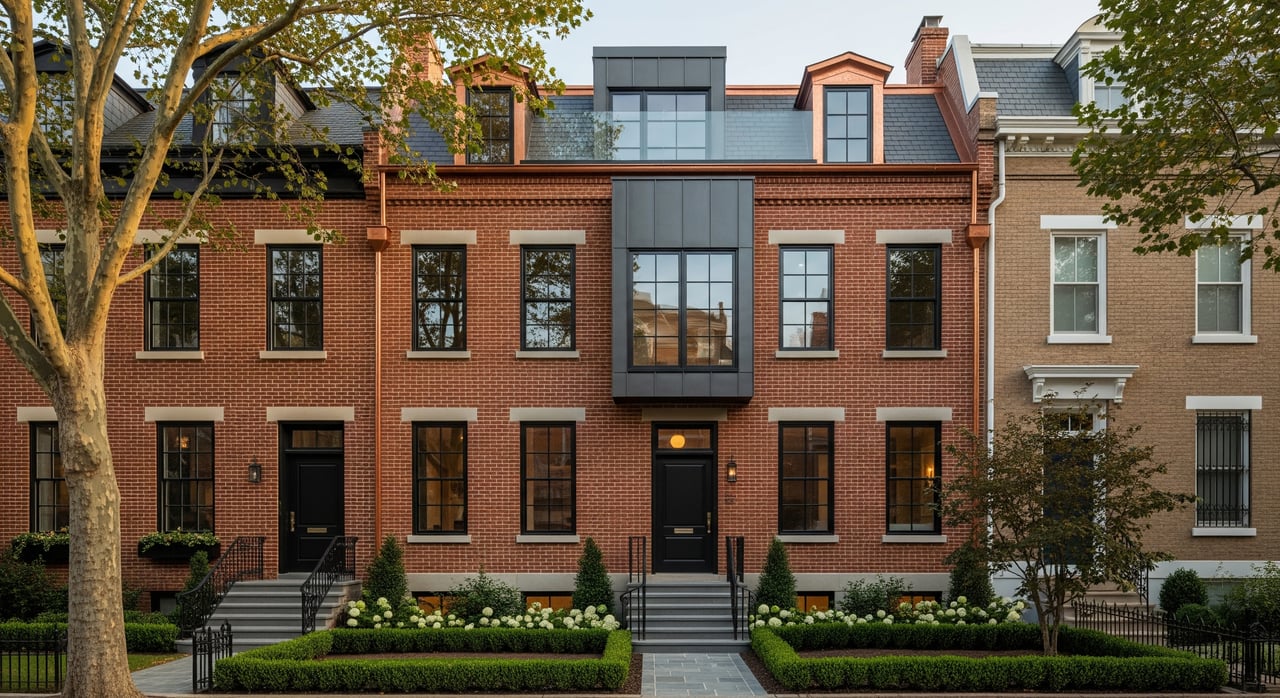
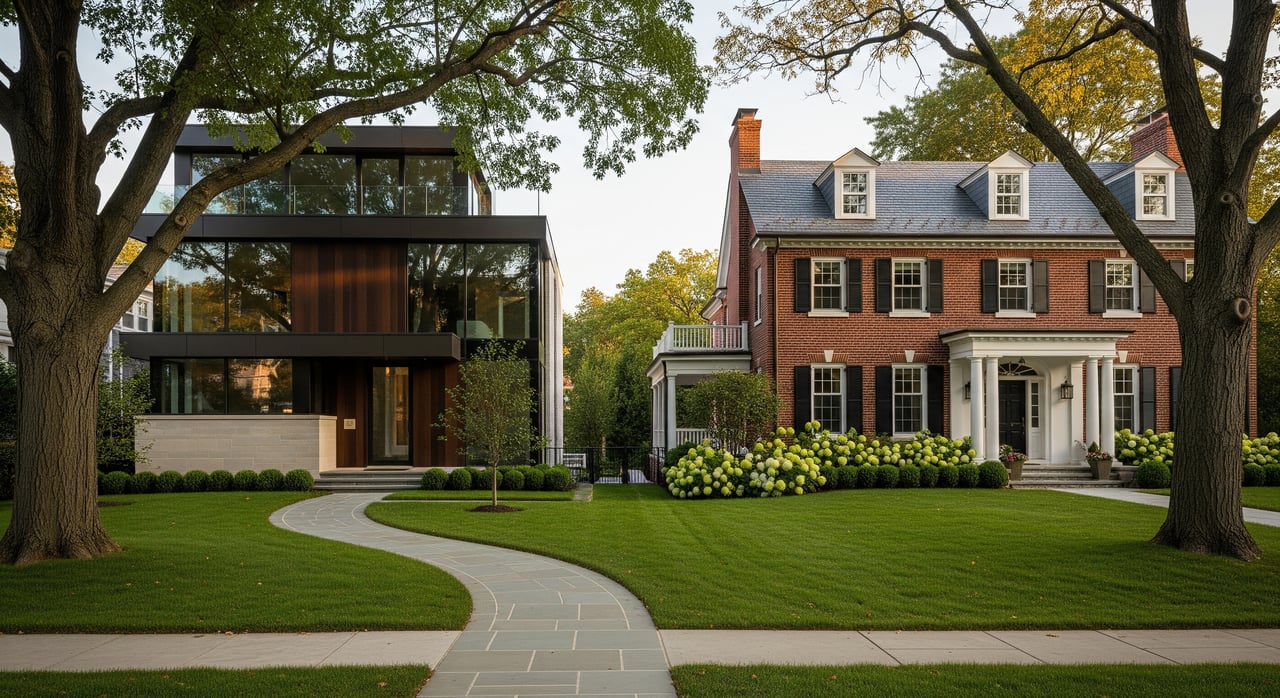
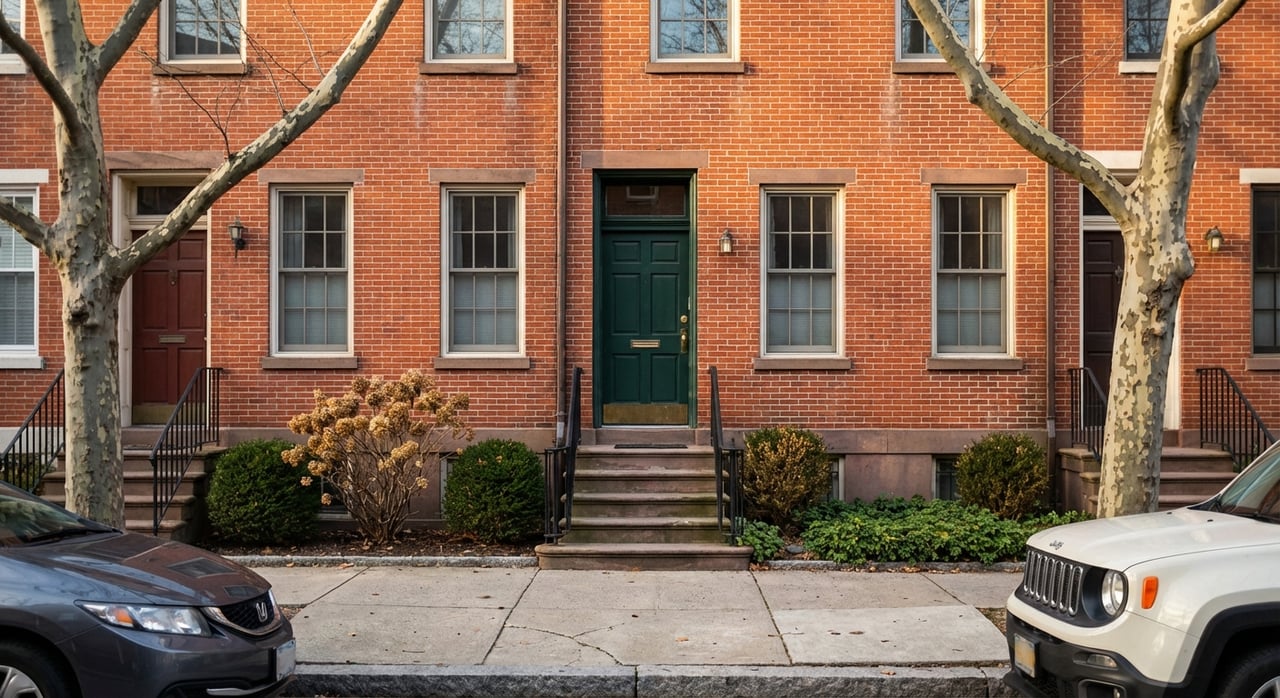
NW DC’s rowhouses tell the city’s story in brick and stone. You’ll see early Federal and Georgian townhouses in Georgetown, ornate Victorians and Queen Anne rows in Dupont, Logan, U Street and Shaw, and many Wardman‑era blocks built at scale across the early 1900s. If you enjoy the history behind the facades, explore the background of these influential developments at the Wardman archive on Wardman’s Washington.
Daily life here tends to be incredibly walkable. Central NW neighborhoods often score in the high 80s to 99 on Walk Score, which translates to coffee, groceries, parks, and gyms within a few blocks in many locations. For a feel of how a central address rates, check an example address-level score in Dupont, such as 2130 P St NW’s Walk Score.
Transit also shapes your routine. The Red Line serves Dupont and the Cleveland Park and Woodley Park area, while the Green and Yellow Lines serve U Street and Shaw. You can preview station details on WMATA’s pages for Dupont Circle and U Street.
On pricing, expect wide variation by block, lot size, renovation level, and whether you are buying a full single‑family rowhouse or a condo conversion. Portal snapshots from late 2025 to early 2026 show central NW medians commonly in the mid‑$600Ks to $800Ks for many areas with intact rowhouses, with Georgetown and select Logan and Dupont streets above $1 million. These figures come from Redfin and Zillow neighborhood snapshots for Dec 2025 to Jan 2026. Because medians move month to month and condo sales can skew numbers, verify current, rowhouse‑specific comps before you write an offer.
Neighborhoods to know
Dupont Circle
Dupont’s streets are tree‑lined and architectural, with late‑19th and early‑20th century townhouses and handsome apartment conversions around a civic core. The vibe is cultured and energetic, with galleries, cafés, and pocket parks near the circle. Learn more about the neighborhood’s history and layout on Wikipedia’s Dupont Circle page.
Getting around is simple. Dupont sits on the Red Line, and many addresses score in the high 90s for walkability, like the example score above. Street parking is limited, so many residents walk, bike, or Metro.
Price snapshot: Redfin showed a neighborhood median in the high $600Ks in a Dec 2025 snapshot, with renovated townhouses trading above. Use townhouse‑specific comps when evaluating a rowhouse.
Best fit: You want a classic urban streetscape and a pedestrian‑first lifestyle with cultural amenities at your doorstep.
Logan Circle and the 14th Street Corridor
Logan blends ornate Victorian and Queen Anne rowhouses with polished infill and some larger restored properties. The 14th Street strip brings a strong dining and retail scene, which keeps day‑to‑day errands easy.
Walkability is excellent, with many blocks in the high‑90s on Walk Score. Depending on your address, you will likely use U Street, McPherson Square, or Metro Center for rail access.
Price snapshot: A Jan 2026 Redfin neighborhood snapshot showed medians in the mid‑$700Ks across the broader Logan area, and full rowhouses on sought‑after blocks often sell above that number.
Best fit: You want historic character with modern interiors, and you value quick access to restaurants and shops.
Shaw and the U Street Corridor
Shaw and U Street carry deep cultural roots tied to music and the arts, with dense blocks of Victorian and early 20th century rowhouses, many of them modernized or converted. For a great overview of the corridor’s energy and amenities, see this Washington Post neighborhood feature.
Transit is a major advantage. The U Street and Shaw–Howard University stations on the Green and Yellow Lines put you minutes from downtown, and walkability is very high. Station details are on WMATA’s U Street station page.
Price snapshot: Zillow and Redfin neighborhood medians ranged from the mid‑$600Ks to the $800Ks in Dec 2025 to Jan 2026, with renovated multi‑level townhouses often trading above the overall neighborhood median.
Best fit: You want nightlife and venues within a short walk, good transit, and blocks with architectural variety.
Columbia Heights, Mount Pleasant, and Adams Morgan
This cluster gives you options at different speeds. Columbia Heights is denser and retail‑forward, while Mount Pleasant and Adams Morgan offer many intact rowhouse streets and a calmer residential feel on side blocks. For a quick market snapshot, review the Columbia Heights overview on Rocket Homes’ market report.
Columbia Heights has a Green and Yellow Line station, and all three areas are very walkable, with daily needs close by.
Price snapshot: Recent portal snapshots showed Columbia Heights around the mid‑$500Ks for some list and sale medians in mid‑2025. Adams Morgan was in the mid‑$700Ks, and Mount Pleasant showed higher medians in late 2025 to Jan 2026, often near $900K to $1.45M depending on small sample sizes. In all three, full, renovated rowhouses typically price above condo medians.
Best fit: You want urban access with a choice of tempo, from lively Columbia Heights to quieter Mount Pleasant side streets.
Bloomingdale, LeDroit Park, and Petworth
These neighborhoods feature long runs of intact Victorian and Warder‑style rows with strong block identity. Walkability is solid across many streets, and transit access varies by exact location.
Zillow’s home value index put Bloomingdale around $796K in Dec 2025, with local solds frequently crossing $900K to $1M for renovated townhouses. Early 2026 portal medians for Petworth were commonly in the low $700Ks, with variability by renovation level and whether a property was a single‑family rowhouse or a condo conversion.
Best fit: You appreciate historic streetscapes and are balancing value with proximity to the core.
Georgetown
Georgetown is one of DC’s oldest and most photographed neighborhoods, known for Federal and Georgian townhouses, canal views, and careful preservation. The area is extremely walkable, but there is no Metrorail station. Residents rely on bus and Circulator lines or walk and bike to nearby rail in Foggy Bottom, Dupont, or Rosslyn. You can read about the Glover Park–Dupont bus line history on Wikipedia.
Price snapshot: Zillow’s index placed typical values near $1.48M in Jan 2026, and late‑2025 Redfin medians often ranged from the mid‑$1.4Ms to the high‑$1.8Ms, driven by limited supply of intact townhouses and premium waterfront properties.
Best fit: You want historic charm and high‑end finishes, and you are comfortable planning around bus, rideshare, or biking for rail access.
Cleveland Park and Woodley Park
Cleveland Park and Woodley Park trade the bustle for tree‑lined streets and a mix of rowhouses and larger detached homes. Several blocks fall within local historic districts, so exterior changes are reviewed.
Both neighborhoods connect to the Red Line at Cleveland Park and Woodley Park stations, and have local retail strips and good walkability.
Price snapshot: Redfin’s Jan 2026 snapshots showed medians from the mid‑$600Ks up to about $795K depending on where boundaries are drawn. Larger single‑family homes and townhouses typically price above midtown rowhouse medians.
Best fit: You prefer quieter streets and easy Red Line access while keeping close to the city’s core.
Quick price guide by area
Use these as directional ranges from late‑2025 to early‑2026 portal snapshots, then verify with current, rowhouse‑specific comps:
- Dupont Circle: high‑$600Ks median, renovated townhouses above that level
- Logan Circle and 14th Street: mid‑$700Ks median, many full townhouses above
- Shaw and U Street: mid‑$600Ks to $800Ks medians, renovated rows higher
- Columbia Heights: mid‑$500Ks median, full rows above condo medians
- Adams Morgan: mid‑$700Ks median, renovated rows higher
- Mount Pleasant: often $900K to $1.45M medians in late‑2025 to Jan 2026 snapshots
- Bloomingdale: ZHVI about $796K in Dec 2025, renovated rows $900K to $1M+
- Petworth: early‑2026 medians in the low‑$700Ks
- Georgetown: ZHVI near $1.48M in Jan 2026, many townhouses higher
Medians can swing month to month, and condos can pull numbers down. Always compare like with like.
Ownership checklist for DC rowhouse buyers
Buying a rowhouse in DC is different from buying a detached home. Use this checklist to avoid common surprises:
- Confirm historic status. Many NW blocks are in local historic districts. Exterior changes, from windows to cornices, often require review by DC’s Historic Preservation Office. Read the city’s guidance on historic landmarks and districts.
- Know your parking rules. On‑street parking is limited in central neighborhoods and visitor permits are now electronic. Review DC’s resident and visitor permit program on DDOT’s ParkDC Permits.
- Plan for structural and systems updates. Older rows can hide foundation, waterproofing, and mechanical issues, especially in basements and English basements. Get a thorough inspection and budget for restoration work. For ballpark context on historic‑home work, see this local guide to restoration costs.
- Separate property types for comps. A full single‑family rowhouse values differently from a two‑unit condo conversion or a co‑op. Ask your agent to pull true rowhouse comps when you evaluate price.
- Check basement use and permits. If there is a rental unit, confirm licensing and egress. If it is unfinished, factor in waterproofing and code requirements for any future conversion.
NW DC vs close‑in Maryland suburbs
If you are torn between a NW DC rowhouse and nearby suburbs, keep these tradeoffs in mind:
- Price and lot size. Late‑2025 snapshots showed Bethesda medians near or above roughly $1.08M to $1.09M for single‑family homes. Similar or higher prices can buy you larger lots and more detached square footage in the suburbs compared with a central NW rowhouse.
- Walkability. Downtown Bethesda and Silver Spring are very walkable, but many suburban blocks are less so than central NW. You can check typical walkability around downtown Silver Spring on Walk Score’s city page.
- Commute and lifestyle. Rowhouses put restaurants, errands, and parks within a short walk or bike ride. Suburbs usually add private outdoor space and more on‑site parking. Decide whether a walk‑to‑coffee routine or a private yard matters more to you.
How to start your search
- Define your day‑to‑day. List your top three daily habits: walk to a gym, short dog walks, quick Metro access, or a quiet porch. Use those to filter neighborhoods.
- Set your renovation comfort. If you love the idea of customizing a historic row, plan time and budget for permits and phased work. If you want turnkey, target recently renovated properties and be ready to act fast.
- Use block‑level comps. Ask your agent for recent sales of comparable full rowhouses on nearby streets. Medians can hide what matters most for you: lot width, depth, basement height, and outdoor space.
- Preview logistics early. Practice the commute, test parking in the evening, and review the resident permit rules and visitor options before you offer.
If you want a tailored plan for your move or a refined short list of streets to target, reach out. With two decades of transaction experience, concierge‑level support, and cross‑jurisdiction expertise, Gerly Oden can help you buy with clarity and confidence.
FAQs
What are typical NW DC rowhouse prices right now?
- Late‑2025 to early‑2026 portal snapshots showed many central NW neighborhoods in the mid‑$600Ks to $800Ks, with Georgetown and select Logan and Dupont streets above $1M, so verify current rowhouse comps before you offer.
Does Georgetown have Metrorail access for residents?
- Georgetown has no Metrorail station, so most residents use bus and Circulator service or walk and bike to nearby rail stations like Foggy Bottom, Dupont, or Rosslyn.
How do DC historic districts affect a rowhouse purchase?
- If your block is in a local historic district, exterior changes often require review by the Historic Preservation Office, so build design and permit time into your plan and read the city’s published guidance.
What should I know about parking for a central NW rowhouse?
- Many streets use DC’s Residential Permit Parking program and visitor permits are electronic, so confirm your RPP zone and guest options on DDOT’s ParkDC Permits site before you move in.
How do rowhouses compare to nearby Maryland suburbs on value?
- Late‑2025 snapshots showed Bethesda single‑family medians near or above roughly $1.08M to $1.09M, which can buy larger lots and more detached space compared with a central NW rowhouse that trades walkability for yard size.